The Future of Global Governance: Is the UN Still Effective in Conflict Prevention?
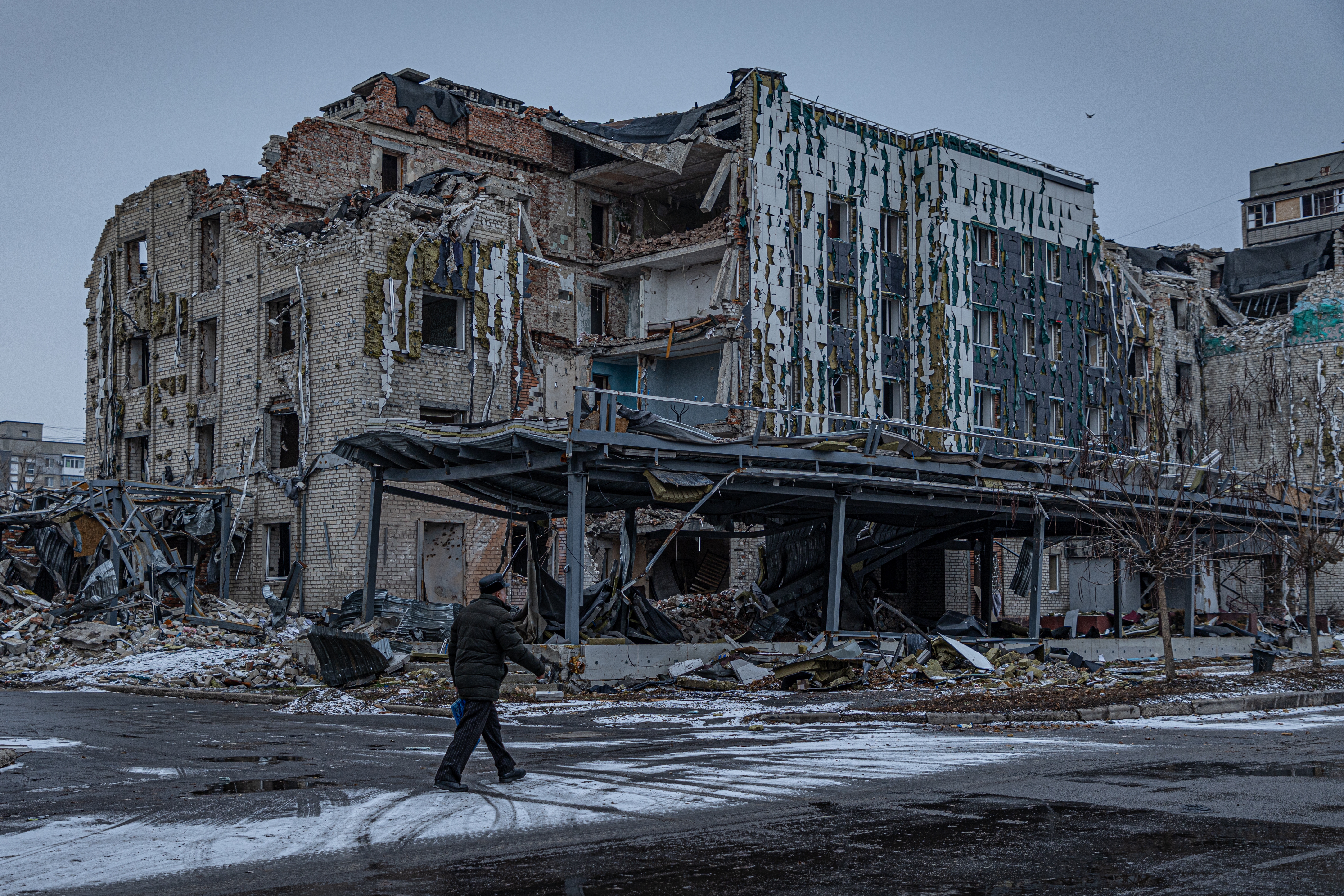
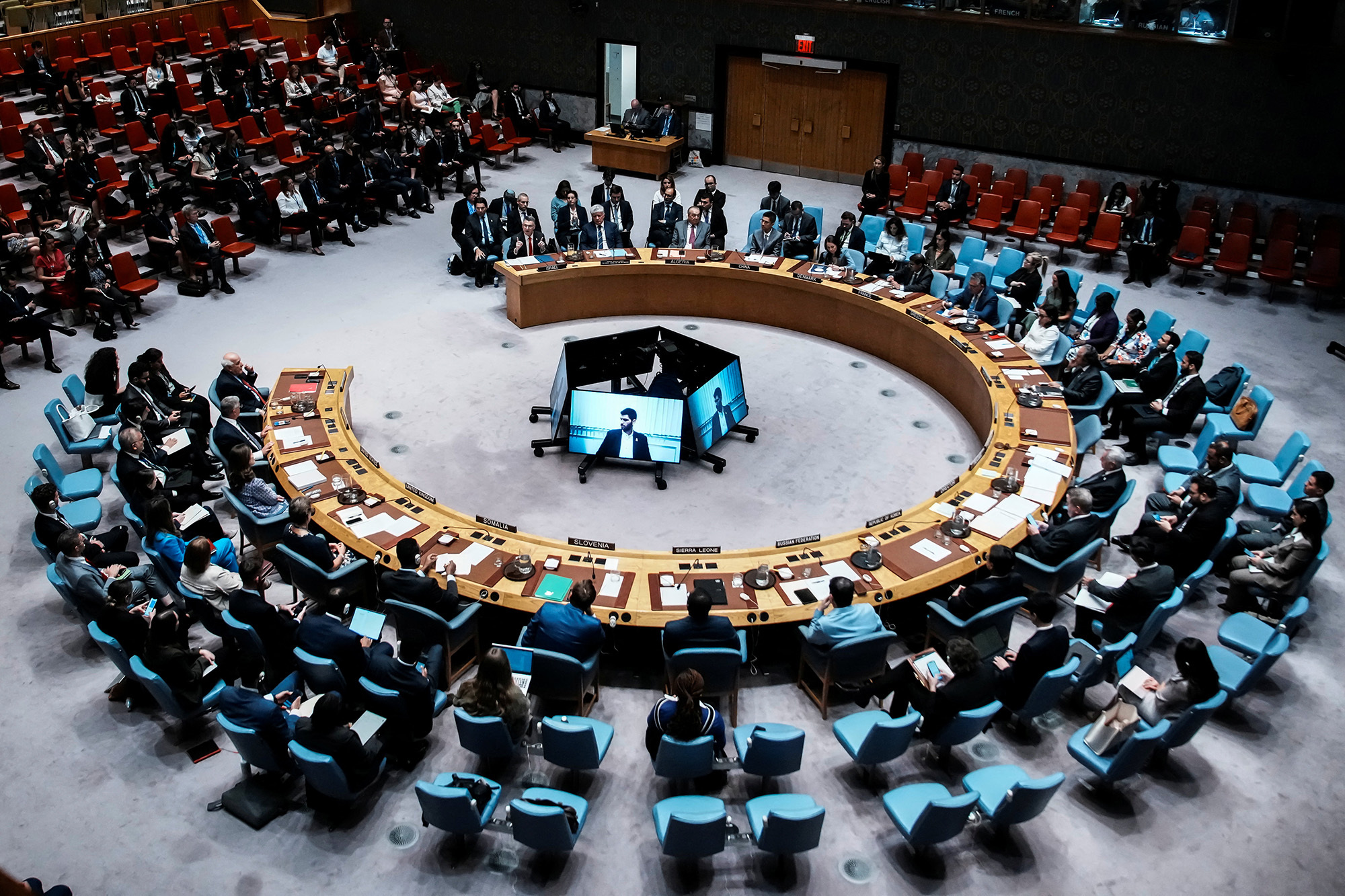
In 2024 alone, the world witnessed over 56 active armed conflicts the highest number since World War II with UN peacekeeping deployments dropping 42% from 2015 levels to just 94,451 personnel across 57 missions by year's end. Despite the UN's mandate under Article 1 of its Charter to "take effective collective measures for the prevention and removal of threats to the peace," vetoes in the Security Council blocked action on key crises like Gaza (US veto on June 4, 2025) and Ukraine (Russia's 129th veto since 1945), underscoring structural paralysis amid rising global tensions. This backdrop frames a pivotal question for 2025: as geopolitical fractures deepen and non-state threats proliferate, does the UN retain the tools to preempt conflicts, or has it become a bystander in an era of multipolar rivalry?
Historical Foundations and Early Successes
The UN's conflict prevention architecture emerged from the ashes of two world wars, with the Security Council (UNSC) empowered to authorize sanctions, peacekeeping, or force. Early triumphs included the 1956 Suez Crisis mediation, averting superpower escalation, and the 1990s Balkans interventions, where UNPROFOR stabilized post-Yugoslavia fragmentation despite logistical hurdles. Preventive diplomacy quiet envoy shuttles and good offices defused tensions in Cyprus (UNFICYP since 1964) and along the India-Pakistan Line of Control (UNMOGIP), preventing nuclear flashpoints.
Quantifiable impacts shine in data: UN missions have contributed to peace in 80% of post-conflict relapses avoided since 1990, per SIPRI metrics, with structural prevention via the Peacebuilding Commission (PBC) aiding nations like Sierra Leone to rebuild post-2002. Yet, these wins relied on P5 consensus, a rarity today.
Evolving Threats and UN Adaptations
Modern conflicts defy 1945 blueprints: hybrid warfare, cyber incursions, and climate-induced scarcities fuel 305 million people needing humanitarian aid in 2025 projections. The Global Peace Index 2025 notes 94 countries deteriorating in peacefulness, driven by militarization (up 5% decade-on-decade) and societal safety erosion. UN responses include the 2016 "sustaining peace" agenda, integrating prevention across pillars, and Action for Peacekeeping (A4P+) launched in 2021, which boosted mission performance metrics by 25% in participating operations like MONUSCO in DRC.
Regional hubs like the UN Regional Centre for Preventive Diplomacy in Central Asia exemplify adaptation, mediating water disputes amid Aral Sea desiccation. Still, deployments cluster in sub-Saharan Africa (74% of personnel), leaving MENA and Asia under-resourced.
Veto Paralysis: A Core Structural Flaw
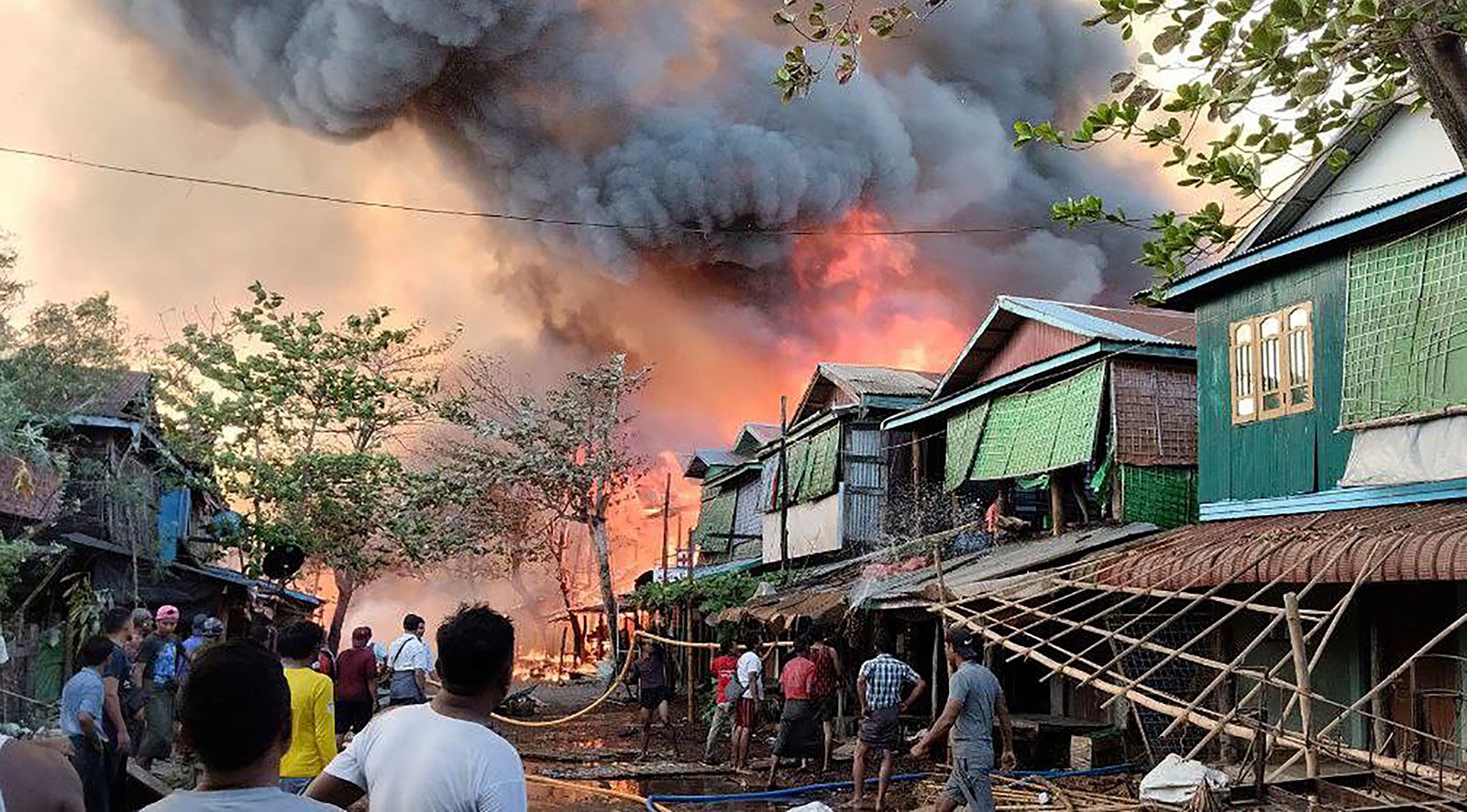
The veto power wielded 300+ times since 1946 epitomizes gridlock. Russia leads with 159 blocks (including 15 on Ukraine/Syria by 2025), the US with 93 (mostly Israel-related), and China with 21, shielding allies and stalling probes into chemical weapons or ceasefires. In 2025, vetoes derailed Gaza aid resolutions and Myanmar scrutiny, prolonging civilian tolls: over 50% rise in verified conflict-related sexual violence cases.
Analysts diverge: proponents argue vetoes deter rash actions, preserving great-power peace (no P5 wars since 1945); critics decry impunity, as ignored UN reports on Sudan or Palestine erode credibility. Data shows veto frequency correlates with national interests, not prevention efficacy.
Recent Case Studies: Hits and Misses
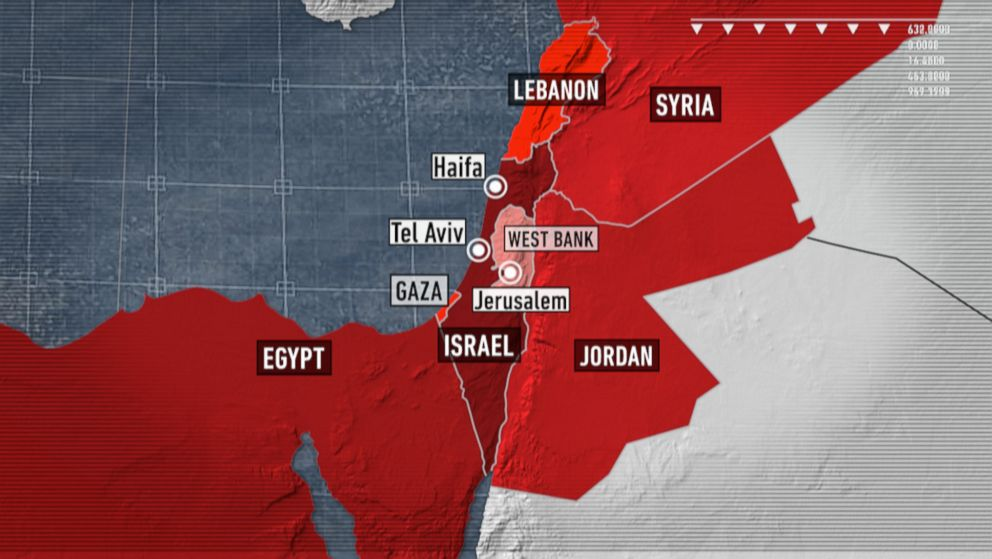
Successes persist selectively. In South Sudan (UNMISS), UN facilitation supported a 2024 unity government extension, halving intercommunal clashes despite 200+ uniformed fatalities. MINURSO in Western Sahara maintains a fragile ceasefire, while UNIFIL in Lebanon buffers Israel-Hezbollah flares via patrols.
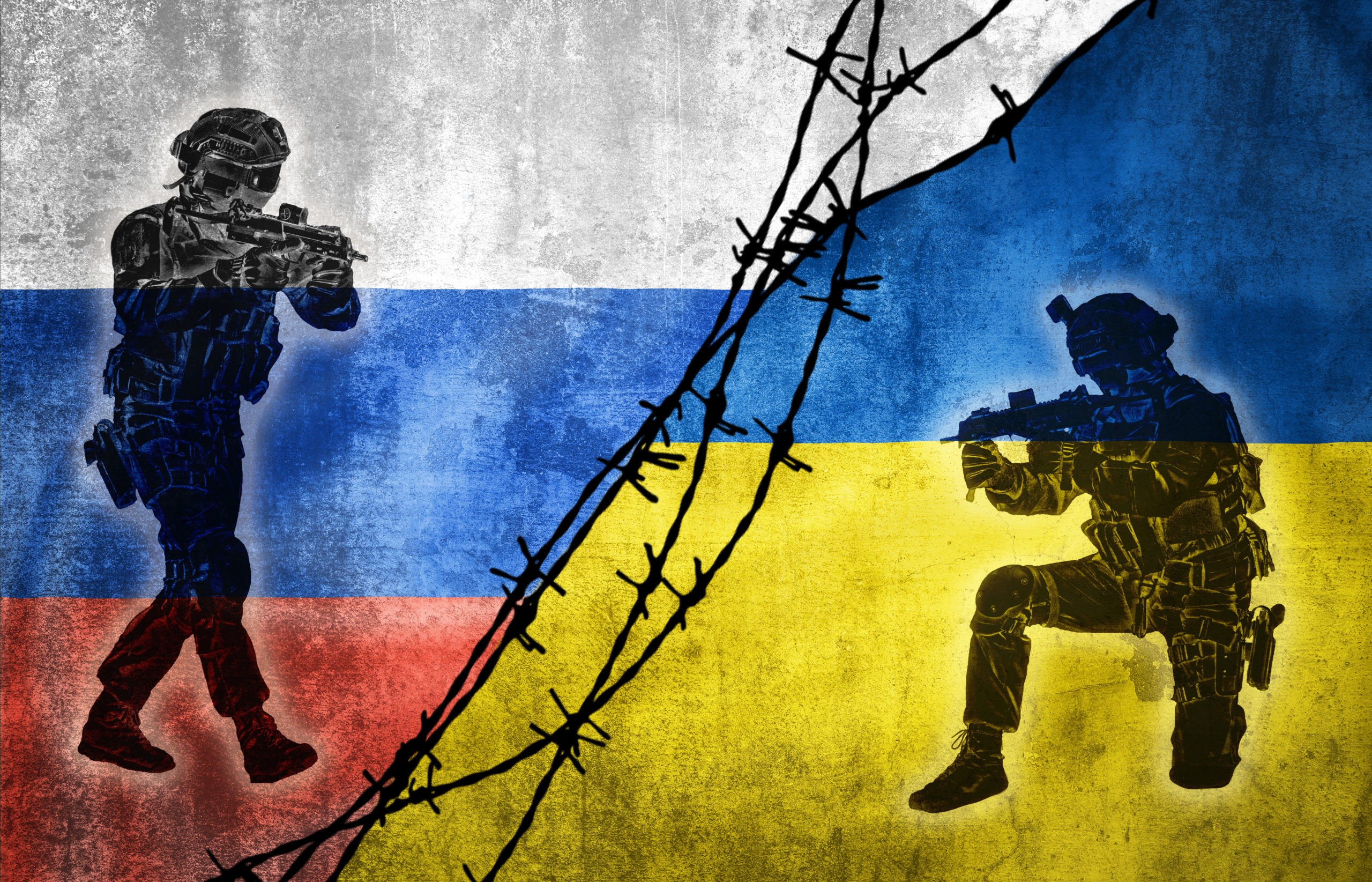
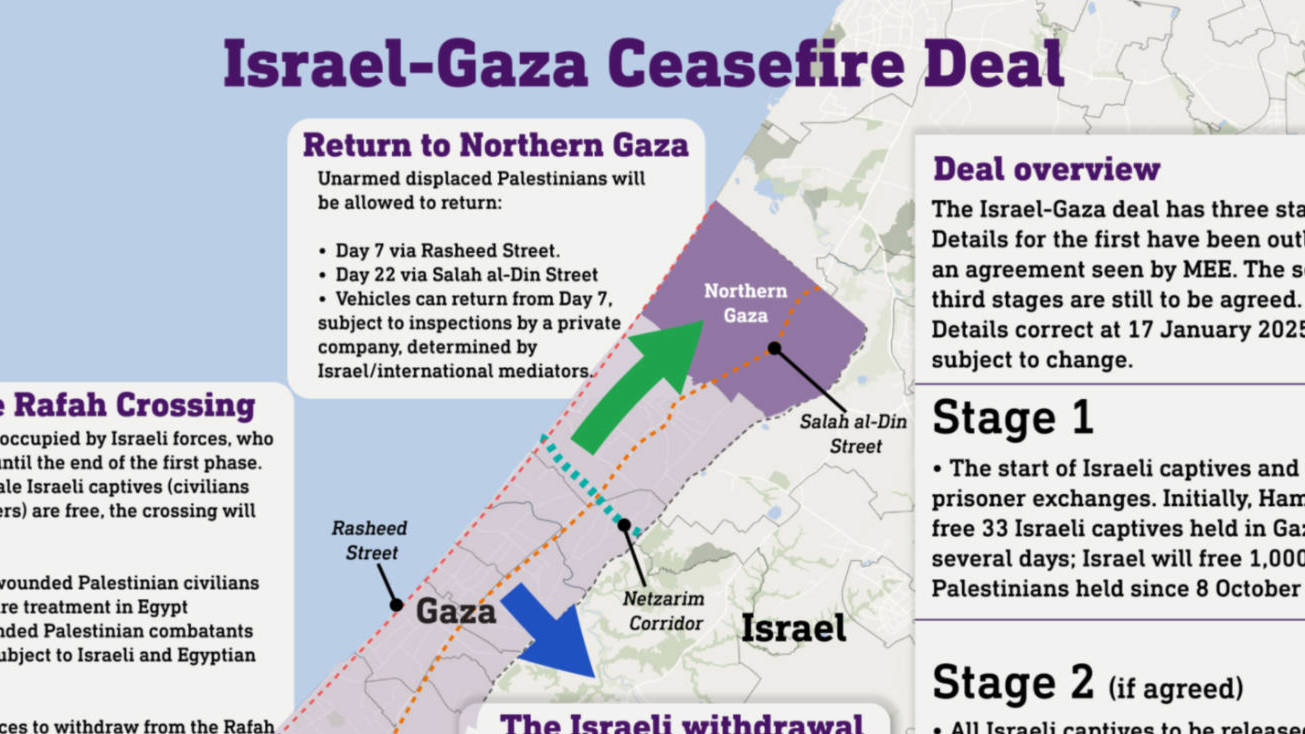
Failures loom larger: MINUSMA's 2023 Mali exit amid junta hostility left a security vacuum, with violence displacing 400,000. In Ukraine, post-2022 invasion, UNSC inaction enabled escalation; Gaza's 2023-2025 war saw veto-blocked humanitarian corridors, exacerbating famine risks for 1.1 million. Darfur (UNAMID legacy) achieved civilian protection in 6 of 9 criteria but faltered on coordination. These cases reveal a 60% success rate in mandate fulfillment per ZIF 2025 trends, hampered by underfunding (peace ops budget: $6.5bn vs. $2tn global military spend).
| Case Study | UN Role | Outcome Metrics | Key Limitation |
|---|---|---|---|
| South Sudan (UNMISS) | Mediation, protection | 50% clash reduction | Hostile environment |
| Mali (MINUSMA) | Stabilization | Mission ended; violence up 30% | Sovereignty clashes |
| Gaza (2025 resolutions) | Aid/ceasefire calls | Vetoed 3x; aid restricted | P5 vetoes |
| Cyprus (UNFICYP) | Buffer zone | Ceasefire held 60+ yrs | Frozen politics |
| DRC (MONUSCO) | DDR support | 25% perf. gain via A4P | Hybrid threats |
Reform Momentum: The Pact for the Future
Adopted September 2024 at Summit of the Future, the Pact charts revitalization: Chapter Five mandates UNSC enlargement, PBC strengthening, and early warning upgrades, with 56 commitments on dispute settlement and root-cause addressing (e.g., inequality, climate). The UN80 Initiative (March 2025) tackles liquidity woes via efficiencies, eyeing a "Grand Bargain" for multilateralism.
Proposals span spectra: G4 (India, Brazil, Germany, Japan) push P5 expansion; African Union demands two permanent seats; small states seek veto limits. SIPRI notes no new large UN missions since 2014, urging hybrid regional-UN models. Implementation lags: 2025 PBC review eyes deeper Council ties, but geopolitical rifts stall.
Alternative Actors and Multilateral Shifts
UN monopoly wanes. Regional bodies deploy 25% of peace personnel: AU in Somalia (ATMIS), ECOWAS in Sahel. NATO's 40,000 in Kosovo outpaces UNIFIL; ad-hoc coalitions (e.g., US-led in Red Sea) bypass UNSC. Private diplomacy Qatar in Afghanistan, UAE in Sudan fills voids, while tech like AI early warning (UN's Global Pulse) predicts 70% of unrest spikes.
Data contrasts: Non-UN ops show 15% higher civilian protection rates in urban settings, per IEP 2025, yet lack universality. This fragmentation risks norms erosion, as parallel structures dilute Charter authority.
Measuring Effectiveness: Metrics and Debates
Prevention defies easy quantification no conflict doesn't mean UN success. Proxies abound: Global Peace Index attributes 10% of stability gains to UN mediation; Alert 2025! logs 20 averted escalations via quiet diplomacy. Failures metric via relapses: 40% of post-UN exits revert within five years.
Viewpoints clash neutrally: Optimists cite sustained peace in 14 of 20 long-term missions; skeptics highlight $100bn+ spent since 2000 yielding uneven returns amid 120mn displaced. 2025 liquidity crisis ($2.3bn arrears) hampers ops, per Guterres.
Pathways Ahead: Realistic Prospects
By late 2025, Berlin Peacekeeping Ministerial previews reforms, with "peacekeeping trio" (Denmark, Pakistan, ROK) advocating performance metrics. Pact metrics demand annual reporting; veto restraint pledges (France/UK models) gain traction. Yet, rising conflicts (GPI: +0.5% militancy) test resolve.
Analytically, UN excels in low-threat prevention but falters on enforcement. Diversified tools—PBC, envoys, tech bolster relevance, but P5 reform remains elusive. Effectiveness endures where consensus aligns, diminishes elsewhere; hybrid evolution may redefine "UN-led."
References
1 - https://psdata.un.org/search?theme=Conflict+Prevention
2 - https://www.securitycouncilreport.org/monthly-forecast/2025-07/peaceful-resolution-of-disputes.php
3 - https://www.visionofhumanity.org/wp-content/uploads/2025/06/Global-Peace-Index-2025-web.pdf
4 - https://reliefweb.int/report/world/alert-2025-report-conflicts-human-rights-and-peacebuilding
7 - https://www.iunwatch.org/veto-power-at-the-un-security-council-blocking-peace-and-justice/
8 - https://www.stimson.org/2025/global-governance-innovation-report-2025/
9 - https://peacekeeping.un.org/en/data
10 - https://www.securitycouncilreport.org/monthly-forecast/2025-07/un-peace-operations.php
11 - https://www.sipri.org/media/press-release/2025/peace-operation-deployments-fall-40-per-cent
12 - https://www.iunwatch.org/when-un-reports-are-ignored-lessons-from-security-council-inaction-in-2025/
13 - https://www.un.org/pga/wp-content/uploads/sites/109/2024/09/The-Pact-for-the-Future-final.pdf