The Haitian Humanitarian Catastrophe When States Collapse and the World Looks Away
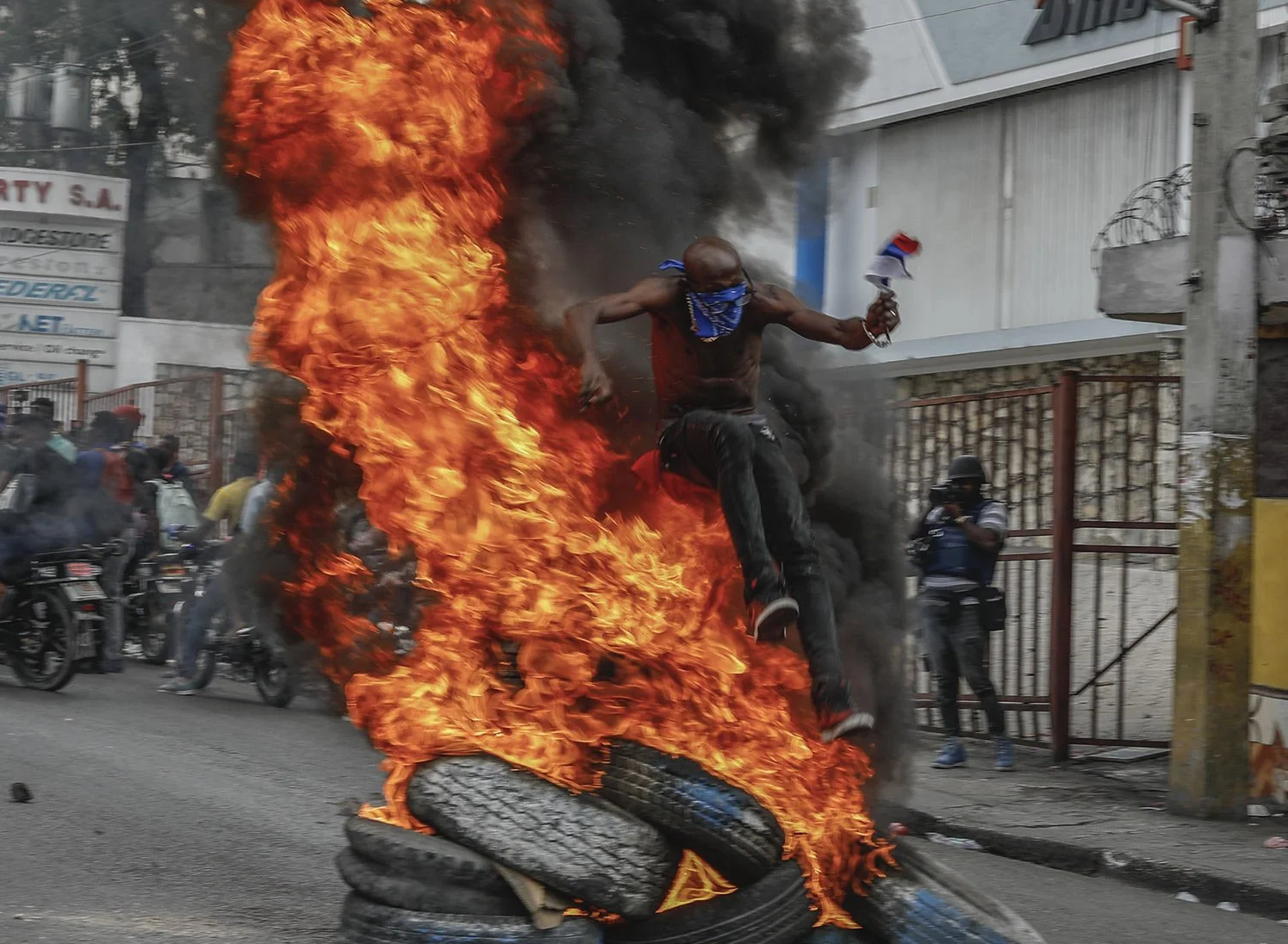
Haiti’s collapse did not arrive with the clean drama of a single overthrow. It came as a slow closing of doors: a police station that stopped responding after dark, a courthouse that postponed hearings “until security improves,” a school that told parents to keep children home because the road had become a shooting gallery. In Port au Prince, people learned to read the rhythm of gunfire the way other cities read traffic listening for the bursts that signal a gang push, the longer volleys that suggest a firefight, the sudden silence that means you should not move yet. Over time, the most damaging loss wasn’t only safety. It was predictability. When you cannot predict whether your child will reach school, whether a bus will pass, whether a clinic will open, or whether a market will have food, daily life becomes a series of survival calculations. By late 2025, Haiti is living inside that calculation, and the margin for error has vanished.
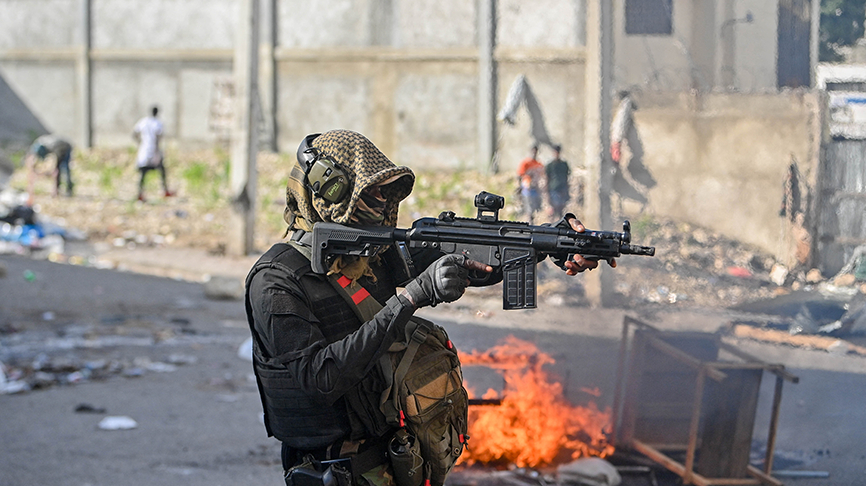
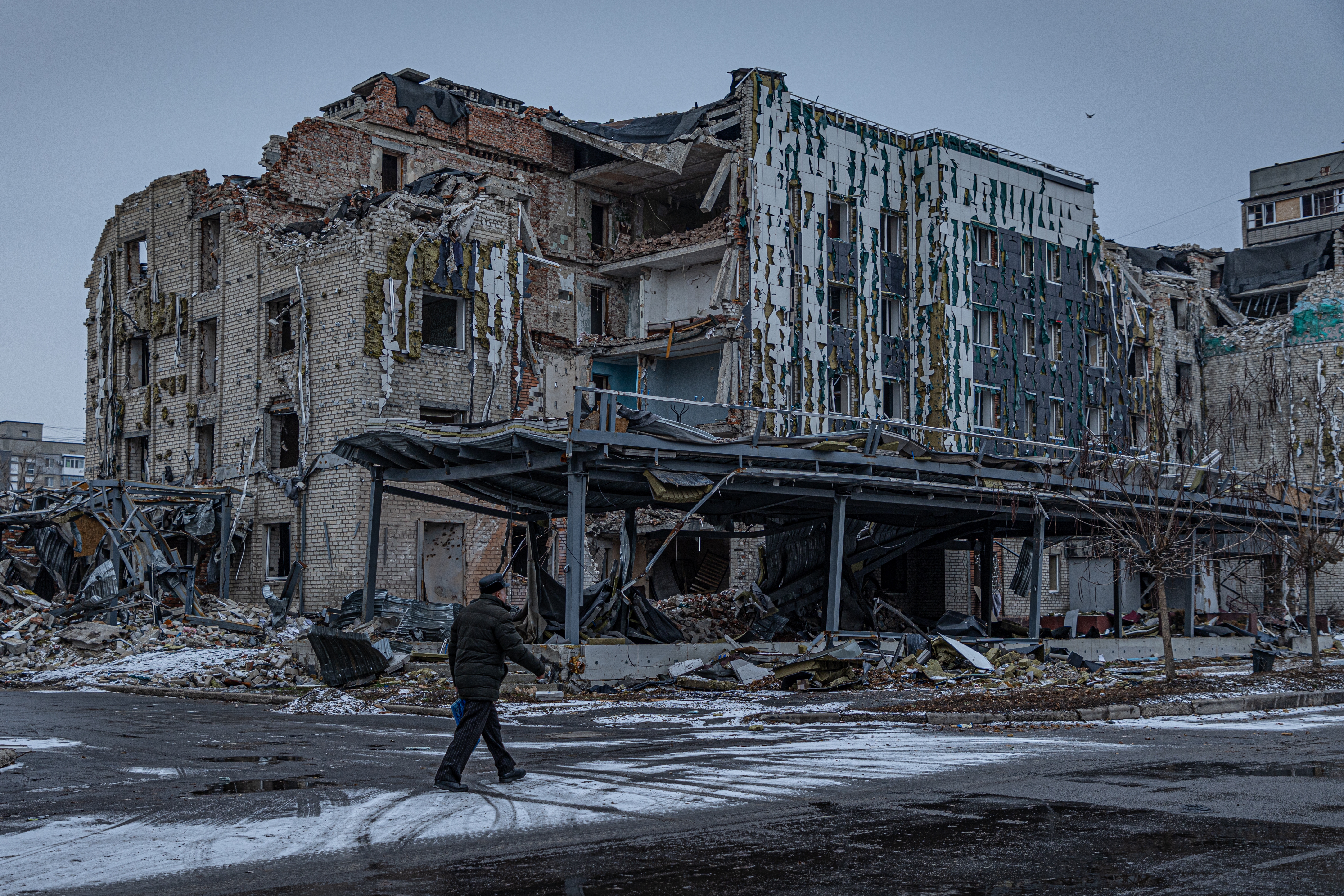
The crisis is not one crisis but a convergence: security collapse, humanitarian emergency, political paralysis, and economic breakdown feeding each other until they become indistinguishable. International reporting through 2025 has described the capital as largely under gang dominance, with state authority reduced to scattered pockets. That territorial reality is not just symbolic; it defines who can move, who can work, and who can eat. When armed groups control intersections, they control the economy. When they control roads, they control supply. When they control neighborhoods, they control the population through intimidation, coercion, recruitment, and punishment. This is why the Haitian catastrophe cannot be understood as “crime” in the ordinary sense. It is a form of alternative governance, enforced by violence and financed by scarcity.
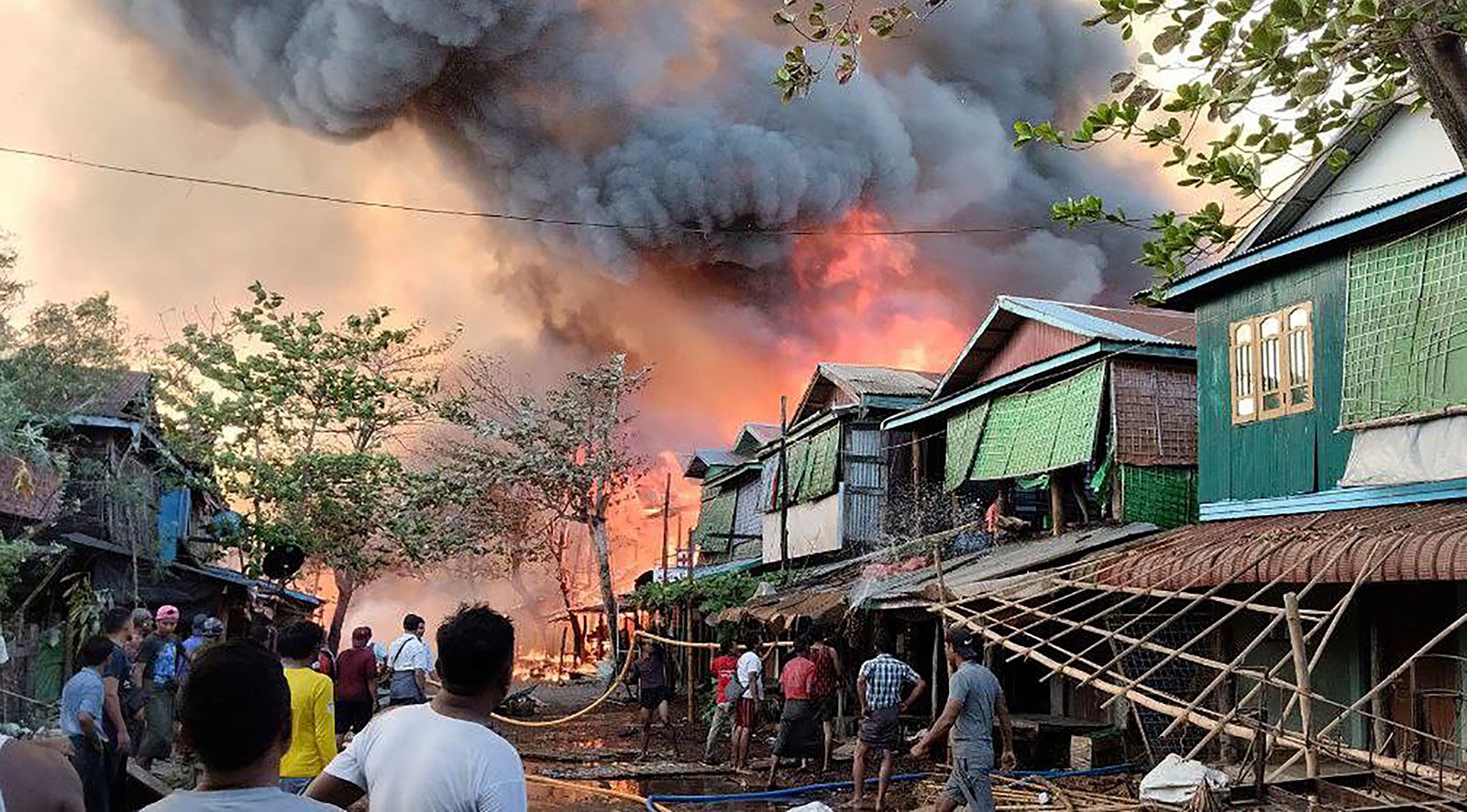
In early December 2025, the country received another warning that the collapse is not contained to the capital. In the Artibonite region often described as Haiti’s agricultural heartland large scale attacks pushed families to flee while homes burned behind them. Local police and community leaders described territory slipping away in real time, with the stark claim that about half of Artibonite had fallen under gang control. Even if the precise lines shift week to week, the direction is clear: insecurity is expanding from the capital outward, and each expansion damages the country’s ability to feed itself and function as a single economic space. When the breadbasket becomes a battlefield, hunger becomes a weapon, not just a consequence.
Gang Rule and the Mechanics of State Collapse
To understand what has happened in Haiti, it helps to stop thinking of gangs as isolated groups that the state can “crack down on” with one more operation. In many areas, armed groups now are the authority people must negotiate with. They decide who passes through checkpoints. They tax trucks, merchants, and sometimes even residents. They determine which neighborhoods are “open” and which are locked down. They take control of ports and fuel routes because those are the arteries of power. They seize schools and hospitals because those are symbols of authority and because they are useful terrain. A state collapses when it can no longer credibly guarantee safety, enforce rules, and provide basic services. Haiti’s tragedy is that those functions are being replaced by predatory actors whose incentives are the opposite of stability.
By 2025, the gang landscape has also evolved in organizational form. Where fragmentation once limited gang reach, alliances now amplify it. A key development is the emergence of the Viv Ansanm coalition, a platform for coordination among major factions in and around Port au Prince. Such coalitions matter because they allow gangs to conduct synchronized offensives, share resources, and present a more unified challenge to the state. They also allow gangs to behave less like street crews and more like insurgent networks contesting territory, crippling infrastructure, and negotiating from strength. Even when such alliances are uneasy, their existence signals a shift: armed groups are learning that cooperation increases leverage, especially when the state is weak.
The cruelty of this system is not incidental; it is functional. Terror is governance when institutions fail. Kidnapping is not only a revenue stream; it is a message that no one is protected. Sexual violence is not only a crime; it is a method of social control that fractures communities and produces fear that lingers long after a gunfight ends. Massacres are not only brutality; they are deterrence, a warning to rival factions and a warning to civilians not to resist. When civilians describe bodies left uncollected, families unable to bury their dead, and neighborhoods where leaving your street is a gamble, they are describing a society where violence has become routine administration.
Haiti’s national police face a challenge that would be crushing even for well resourced institutions. They are undermanned, under equipped, and operating within a broader collapse of justice. Policing is not only about guns and uniforms; it depends on courts, detention systems, investigators, and a functioning bureaucracy. When that ecosystem breaks, even successful raids become temporary. Armed groups regroup, weapons flow back in, and witnesses are too terrified to cooperate. Analysts who study Haiti’s security dilemma emphasize that gangs’ access to high caliber firearms and their ability to exploit dense urban terrain create a mismatch the police cannot resolve alone. The state is fighting a network with more mobility, more local intelligence, and often more money.
In that vacuum, communities sometimes turn to vigilante responses, not out of ideology but out of desperation. When a parent believes police cannot stop kidnappers, the temptation to join a mob or support a “self defense” movement grows. But vigilantism can intensify cycles of revenge, producing more death without restoring order. It also accelerates the breakdown of law itself, because once punishment becomes public spectacle, accountability disappears. Haiti is caught in this trap: citizens need protection, but the instruments of protection have failed, and the substitutes often deepen instability.
International security support has entered the picture, but at a scale that has struggled to match Haiti’s reality. A Kenya led multinational mission was designed to support the Haitian police, but deployments and capacity have lagged behind what would be required to reclaim broad territory. As late as December 2025, international reporting still described the mission in terms of pledges, expansions, and incremental increases language that reveals the core problem: Haiti’s violence is moving faster than the global response. When the international community responds slowly to a rapidly consolidating armed landscape, it effectively allows the new order to harden.
Humanitarian Collapse: Hunger, Displacement and the Normalization of Suffering
The humanitarian catastrophe is not happening beside the security crisis; it is happening inside it. By late 2025, humanitarian agencies describe Haiti as one of the world’s most severe hunger emergencies. Severe food insecurity affects millions, a number so large it becomes hard to visualize until you imagine half the households on your street skipping meals, or an entire district eating once every two days. Hunger at this scale is not a seasonal shock; it is a structural failure. It signals a breakdown in supply chains, purchasing power, and public services all at once.
Violence turns hunger from hardship into emergency by cutting the routes that make markets work. When roads are blocked, food cannot move from farms to cities. When trucks are attacked, merchants stop traveling. When farmers fear being targeted, fields go untended or harvests cannot be transported. This is why the expansion of gang control into Artibonite matters so much. If an agricultural region becomes insecure, the impact is not confined to its towns; it radiates into national food availability and prices. A bag of rice becomes more expensive not only because of inflation, but because the road is taxed first with money at checkpoints, and then with risk that gets priced into every transaction.
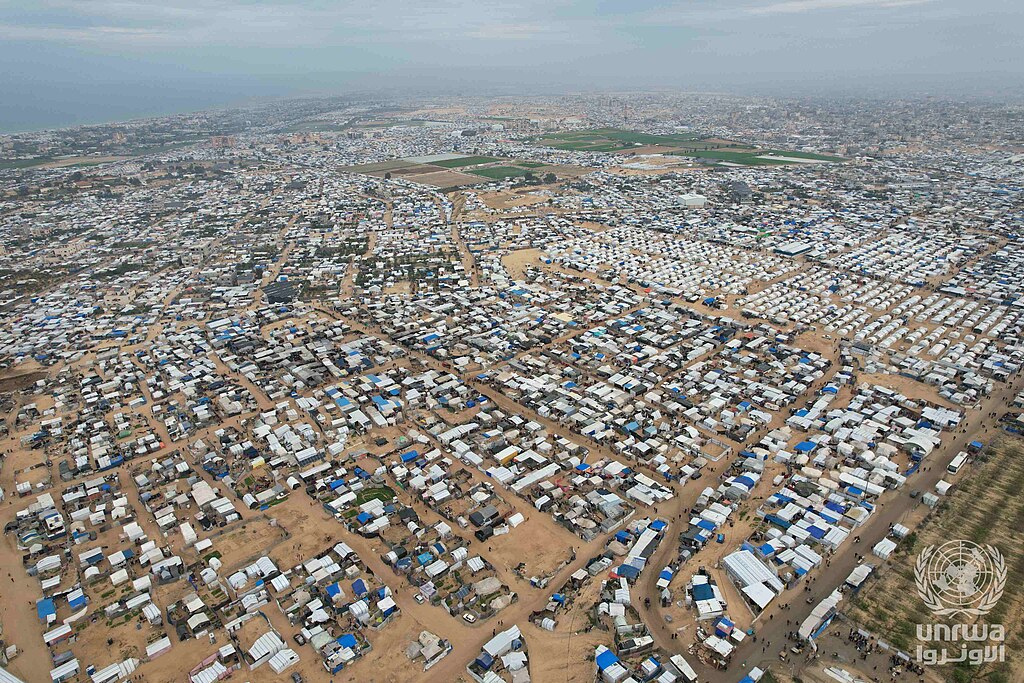
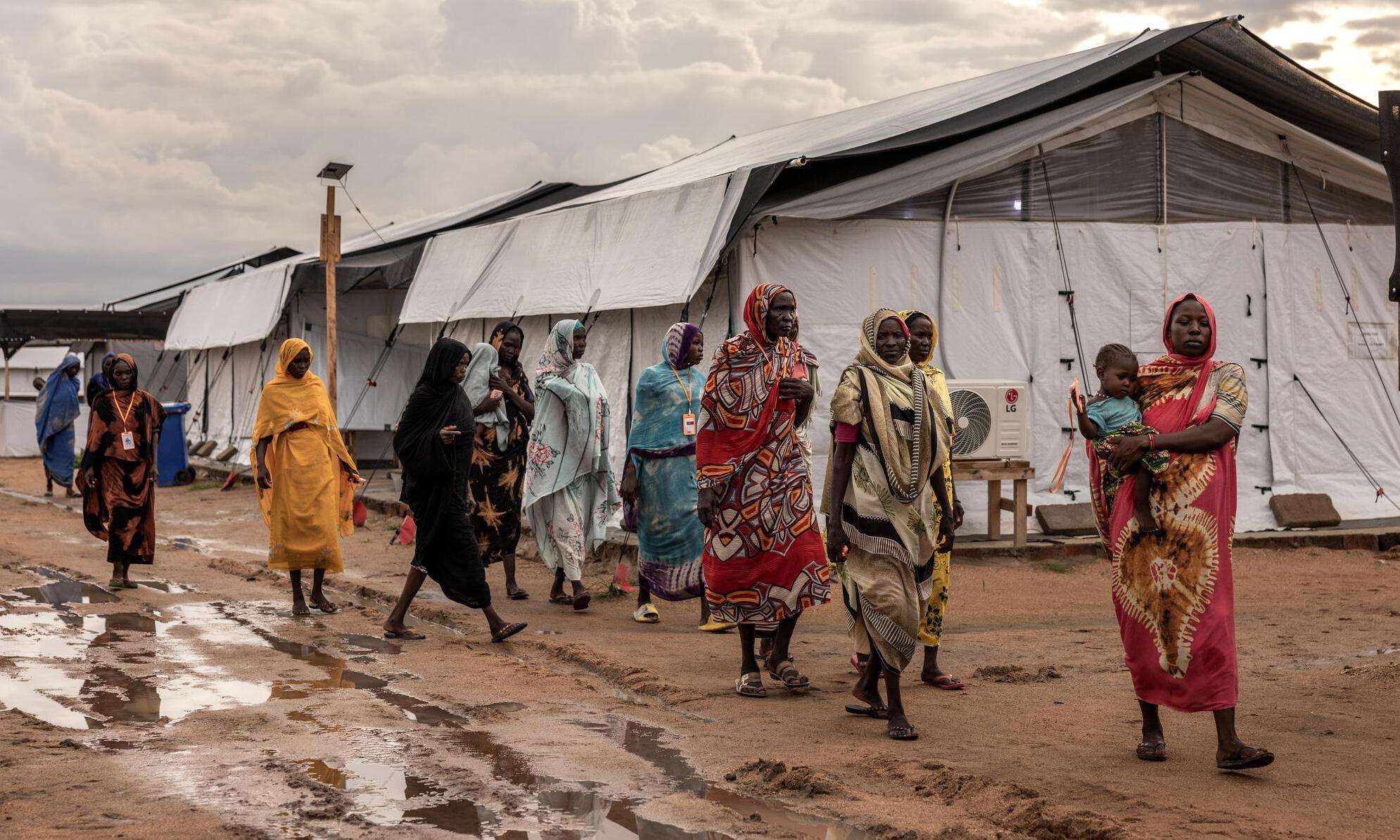
Displacement intensifies every other vulnerability. When a family flees, it loses the shelter that anchors employment, schooling, healthcare, and community support. Displaced people often crowd into makeshift sites where sanitation is poor and disease spreads quickly. In such sites, women and children face heightened exposure to exploitation, assault, and recruitment. Displacement is not simply “moving”; it is losing the protective fabric of everyday life. By late 2025, humanitarian reporting describes displacement numbers that are unprecedented for Haiti, with large portions of the population living in conditions that would overwhelm any public service system even if Haiti still had one.
The collapse of health services compounds the crisis. A hospital cannot operate without secure access, staff, supplies, power, and water. When insecurity spreads, clinics close, ambulances stop moving, and patients avoid travel until problems become life threatening. Disease outbreaks then become more likely and more deadly. Humanitarian reporting through 2025 has flagged how deteriorating services and insecurity create conditions where preventable illnesses become fatal. In a stable country, hunger, disease, and violence are separate policy challenges. In Haiti, they are fused into one system of harm.
The violence also reshapes childhood itself. When armed groups recruit minors, children are pulled into roles as lookouts, couriers, and fighters. When schools close, education becomes intermittent or disappears. When hunger rises, children’s bodies and brains suffer long term damage even if they survive. And when sexual violence spreads, trauma becomes a communal inheritance. This is one of the most heartbreaking truths about state collapse: it does not only kill; it changes the development of a generation. The future, in a very literal sense, becomes smaller.
Aid agencies try to respond, but their operating environment is a maze of coercion and danger. Convoys can be looted. Warehouses can be raided. Staff can be kidnapped. And even when aid reaches communities, it can be diverted by armed actors who treat it as taxable goods. Humanitarian systems are built for delivery, not for negotiating daily with groups whose power depends on scarcity. That mismatch is why Haiti’s crisis feels so persistent: even relief becomes part of the conflict economy unless security improves.
Economic Freefall and the Logic of Flight
Haiti’s economic decline is not merely background context; it is fuel. When an economy contracts and inflation rises, households lose the ability to absorb shocks. A disrupted market day becomes a missed meal. A closed road becomes an empty pharmacy shelf. A lost job becomes a recruitment opportunity for gangs that offer cash and protection. Economic weakness also undercuts the state: tax revenues drop, public wages become unstable, and basic services degrade further. The state, already losing authority, loses capacity too.
The economic consequences are visible in everyday transactions. Prices rise, not only because of global factors, but because movement is taxed by violence. A merchant’s cost includes bribes, fees, and risk. That cost is passed to consumers who already have less money. The result is a cruel arithmetic where the poor pay more for less. At the same time, formal employment shrinks because business cannot operate reliably under extortion and insecurity. Informal survival work expands, but that work depends on mobility and mobility is precisely what gangs restrict. In a city where armed groups can decide whether a street is “open,” even economic initiative becomes contingent permission.
Migration becomes the most rational response for many. People move internally first, seeking safer zones, but displacement sites can become overcrowded and insecure, and violence spreads into new areas. When internal movement stops being a solution, families look outward. The Dominican Republic becomes a destination and a pressure point, and policies of mass deportation push people back into danger, creating a revolving door of vulnerability. For those who look toward the United States or further abroad, the journey becomes increasingly perilous by sea or overland routes shaped by smuggling networks.
This migration is not only a humanitarian issue; it is a regional stability issue. When large numbers of people move under duress, border systems strain, politics harden, and extremist narratives find openings. Haiti’s collapse therefore produces consequences far beyond Haiti. And yet international attention still arrives in uneven bursts spiking after a massacre, fading after another headline appears elsewhere. That pattern is part of what Haitians mean by being “looked away from”: not that no one cares, but that caring is not sustained long enough to change outcomes.
International Law, Intervention, and the Price of Looking Away
Haiti’s crisis confronts the international community with a difficult question: what does the world owe when a state cannot protect its population? Sovereignty is a foundational principle of international order, but it assumes responsibilities toward citizens. When those responsibilities collapse, the moral logic behind sovereignty weakens. The Responsibility to Protect doctrine argues that when populations face mass harm and national authorities cannot or will not stop it, collective action may be justified as a last resort. Haiti’s reality widespread killing, pervasive sexual violence, and mass displacement pushes uncomfortably close to that threshold.
At the same time, Haiti’s history makes intervention politically and ethically fraught. Past international missions brought some stability, but they also left painful legacies and deep skepticism about foreign forces. Haitians have seen “help” arrive with unintended harm, and they have seen external actors prioritize short term order over long term institutional rebuilding. That skepticism is not cynicism; it is historical memory. Yet there is also an equally powerful reality: for those trapped under gang governance, “no intervention” can feel like abandonment. When a society is being dismantled in public view, inaction is not neutral. It permits consolidation of predatory power.
A workable response must balance urgency with accountability and strategy. Security support cannot simply chase gang leaders; it must disrupt the financing and political protection that allow armed networks to regenerate. It must also prioritize civilian protection, not just symbolic control of buildings. Humanitarian assistance must scale to the severity of hunger and displacement, and it must be protected from diversion as much as possible. And the political track must be real, not performative: rebuilding governance requires legitimacy, inclusion, and credible institutions that can hold territory after security operations move on.
The deepest danger is that the world accepts Haiti’s collapse as a permanent condition a “new normal” where violence is expected and humanitarian suffering is managed rather than solved. That acceptance would be catastrophic, because it would cement gang authority as a durable substitute for the state. Haiti would then become not only a humanitarian tragedy, but a long term driver of regional instability, migration crises, and transnational crime. The cost of looking away would be paid not only in Haitian lives, but in the slow erosion of norms that say human beings should not be left to disappear inside failed institutions.
Conclusion: A Catastrophe in Plain Sight
Haiti in late 2025 is a country where public authority is retreating and armed groups are expanding, where hunger and displacement are not side effects but central features of the crisis, and where families make life decisions based on the next outbreak of violence. The humanitarian emergency millions facing severe food insecurity, mass displacement, collapsing services has become both symptom and accelerator of the security breakdown. Economic decline intensifies every shock, and migration becomes the last remaining strategy for survival.
The phrase “when states collapse and the world looks away” should not become a resigned description of inevitability. It should be treated as a warning and a test. Haiti’s catastrophe demands sustained engagement that matches the scale of the harm: protection for civilians, disruption of gang coalitions and their enablers, humanitarian assistance commensurate with need, and a political roadmap that rebuilds legitimacy rather than merely extending paralysis. Haiti is pleading for more than sympathy. It is pleading for seriousness measured not in statements, but in sustained action.