The Persian Spring? Inside Iran’s January Uprising
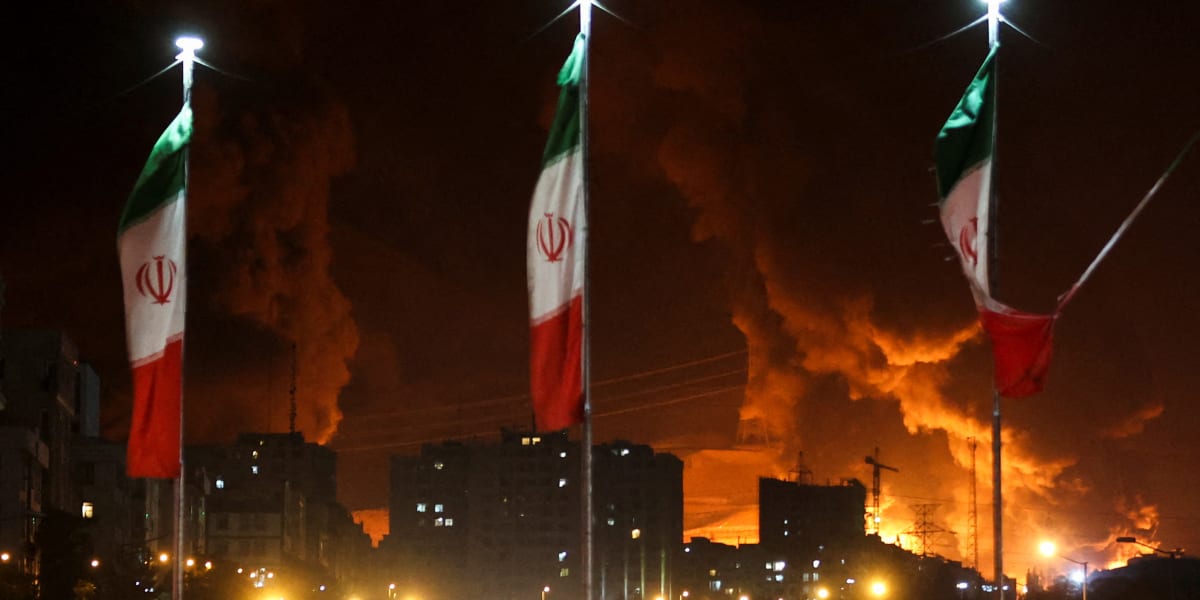
Iran is in upheaval. What began at the end of 2025 as a burst of angry protests over skyrocketing prices has snowballed into a nationwide uprising against the Islamic Republic’s 47 year rule. Demonstrations have spread from the streets of Tehran to cities like Isfahan, Mashhad, and hundreds of smaller towns, fueled by frustration with economic collapse and decades of repression. Many observers are asking if this is a “Persian Spring” a moment akin to the Arab Spring as Iranians of all ages openly call for fundamental change in their government. The regime’s response has been ferocious: internet blackouts, mass arrests, and live ammunition fired on crowds, resulting in a “horrendous and brutal” toll of casualties. Yet protests persist nightly, suggesting that Iran’s January 2026 uprising has become the central story of global civil unrest this year.
Economic Collapse Lights the Fuse
Iran’s latest turmoil was ignited by a severe economic shock. In late December 2025, the Iranian rial plunged to a record low, sparking panic among merchants and consumers. Within days, the currency freefell losing over 30% of its value in the first week of January 2026 alone. By January 8, unofficial exchange rates exceeded 1.4 to 1.5 million rials per US dollar, roughly double the rate from a year earlier. This collapse in the rial’s value has translated to crushing inflation for ordinary Iranians. Annual inflation blew past 40% by the end of 2025, with basic goods becoming unaffordable food prices averaged 72% higher than the previous year, turning ordinary salaries into poverty wages.
Multiple factors drove this economic meltdown. Iran’s economy was already strained by years of international sanctions and a costly 12 day war with Israel in mid 2025, which damaged infrastructure. In late 2025, new UN and EU sanctions were reimposed over Iran’s nuclear program, further isolating its banking and oil sectors. Meanwhile, the government slashed longstanding fuel subsidies in December, abruptly hiking gasoline prices and compounding public anger over rising living costs. “The prices of dairy products have gone up six times this year and other goods more than 10 times,” one Tehran taxi driver lamented. For many Iranians, the currency crash was the final straw showing the regime’s mismanagement and misplaced priorities.
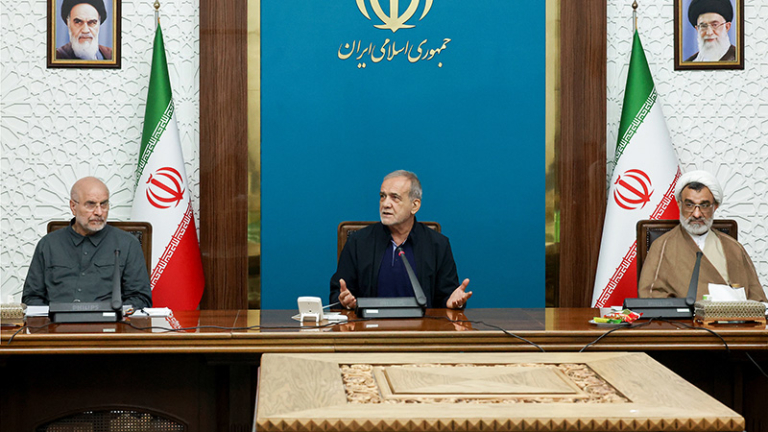
On December 28, as the rial hit historic lows, the first protests erupted. Shopkeepers in Tehran’s Grand Bazaar shuttered their shops in strike a significant gesture in Iran, where bazaari merchants have political clout. Within days, demonstrations over economic grievances spread beyond the capital. By December 30, strikes and rallies had reached other major cities; for example, marketplaces in south Tehran’s Shoush district and Isfahan’s Naqsh e Jahan Square closed in protest of the crisis. President Masoud Pezeshkian, a reformist elected just a year earlier on promises to fix the economy, urged dialogue and warned that harsh crackdowns could worsen inflation. But these pleas did little to calm the streets. Many citizens had lost faith in piecemeal reforms they saw the currency collapse and soaring prices as symptoms of a system incapable of change. As one young Iranian quipped sarcastically, “After all, we have it so good!” when asked why she was protesting. The stage was set for economic anger to morph into something even larger.
Protests Escalate and Spread Nationwide
What started as localized discontent in Tehran quickly escalated into a nationwide eruption. Over the first two weeks of January 2026, demonstrations spread “to all 31 provinces” of Iran, encompassing over 180 cities and towns by mid January. Each night, crowds of thousands poured into the streets across the country, defying security forces and chanting for change. By January 8 9, the movement’s momentum was staggering: an estimated 1.5 million people protested in Tehran on January 8, and 5 million nationwide by the next day the largest mass unrest Iran has seen since the 1979 revolution. From the capital’s squares to provincial town centers, Iranians from different walks of life were taking part.
Notably, young people the so called Generation Z and university students have been at the heart of the uprising. Within days of the initial bazaar strike, students from at least ten of Iran’s most prestigious universities joined the protests. Campus demonstrations erupted at Tehran University, Sharif University of Technology, Isfahan University of Technology, and many others, often spilling into surrounding streets. Videos shared before the internet blackout showed throngs of students tearing down photos of Supreme Leader Ayatollah Khamenei and clashing with campus Basij militia. Human rights groups reported that 11 protesters were arrested near Tehran’s Shoush Square, with five students detained at universities in the capital in the early days of unrest. Even high schoolers joined some rallies, underscoring a new generation’s refusal to remain silent despite the risks.
While students and youth supplied energy, the protest movement has been remarkably diverse. Shopkeepers, laborers, pensioners, and even families with children and the elderly have all been seen marching side by side. “I saw children on the shoulders of their parents, a grandmother chanting ‘Death to Khamenei’ while she’s decked in a chador. Do you realize how significant this is?” a 19 year old activist marveled, noting the unity across age groups and backgrounds. This breadth of participation mirrors Iran’s demographic reality: a youthful population (median age under 32) alongside an older generation that has also grown disillusioned. Iran’s educated middle class, including many women, have long struggled with underemployment and lack of freedoms, and they too are now in the streets. Gen Z protesters digitally savvy, globally informed, and unafraid of challenging authority are a driving force, but they are joined by their parents’ and even grandparents’ generations, all demanding a better future.
Geographically, the unrest has radiated from Tehran to every corner of the country. In the northwest, crowds in Kurdish cities and towns like Kermanshah staged strikes and marches despite heavy deployments of Revolutionary Guards. In the east, the historically restive province of Sistan Baluchestan saw large demonstrations after Friday prayers, reminiscent of previous “Bloody Friday” massacres there. The holy city of Mashhad in the northeast usually a conservative stronghold witnessed throngs of protesters gathering at squares and even metro stations, shouting anti regime slogans. Central Iranian cities like Isfahan joined in; merchants and residents rallied in Isfahan’s historic plazas to decry the economic ruin. By the second week, protests (or at least sympathetic strikes) had occurred in all 31 provinces, a truly nationwide scope . This level of simultaneous unrest across Iran’s diverse regions is unprecedented in recent memory, surpassing even the geographic spread of protests in 2009, 2019, or 2022.
From Bread to Freedom: Slogans of Regime Change
Crucially, the focus of the protests quickly shifted from economic grievances to fundamental political demands. In the earliest days, crowds vented about high prices and worthless wages. But as the crackdown intensified, chants targeting the entire ruling system grew dominant. Iranians are no longer mincing words they are openly calling for the ouster of their leaders in a way that was once unthinkable inside the country. “Death to the Dictator!” has become a nightly refrain in cities large and small, referring to Supreme Leader Khamenei. This slogan, heard in past protest waves, is now shouted by tens of thousands, even in traditionally pro regime neighborhoods. Protesters also resurrected monarchical chants: calls of “Long live the Shah!” and support for exiled crown prince Reza Pahlavi have been heard, reflecting a desperation for any alternative to the Islamic Republic. (Pahlavi himself has urged a peaceful transition via referendum, but many in the crowds appear hungry for immediate regime change.)
One striking chant rising above the rest is: “Neither Gaza nor Lebanon my life for Iran!”. This slogan encapsulates public resentment of the regime’s foreign adventurism. For years, Tehran has funneled billions to militant proxies like Hamas in Gaza and Hezbollah in Lebanon, while ordinary Iranians suffer at home. By chanting “Neither Gaza nor Lebanon, my life for Iran,” protesters demand that Iran’s resources be spent on its own people rather than foreign wars. It is a direct repudiation of the Islamic Republic’s core ideology of “resistance” abroad. As one analysis noted, this slogan popular since at least 2009 “reflects opposition to Iran’s backing for militias such as Hamas and Hezbollah,” and links the nation’s economic misery to the regime’s costly foreign policy. In these few words, Iranians are rejecting the regime’s self proclaimed raison d’être of exporting revolution, insisting their lives and livelihoods should come first.
Other slogans heard across Iran connect economic and social grievances to calls for freedom. At universities, students shouted, “The student will die but will not accept humiliation,” and equated the regime’s enforcers with terrorists “Basij, ISIS, same thing!”. In some crowds women have removed their state mandated hijabs, reprising the “Women, Life, Freedom” chant of 2022 but now coupled with anti regime messaging. Even deeply conservative segments have joined in: reports described chador clad older women crying “Death to Khamenei,” and provincial bazaari traders once pillars of the 1979 revolution now yelling “This is the year of blood, Seyyed Ali (Khamenei) will be toppled!”. The breadth of slogans shows how a movement sparked by high prices transformed into a collective indictment of the entire ruling system. As a commentary in the Iranian diaspora press observed, each time Iran has protests, “economic and social grievances morph into fundamental political demands” and this time is no different. Years of broken promises and brutal crackdowns have eroded hope in incremental reform, leaving many protesters convinced that only the end of the Islamic Republic itself can “secure their future”.
Regime’s Harsh Crackdown: “The Streets Are Full of Blood”
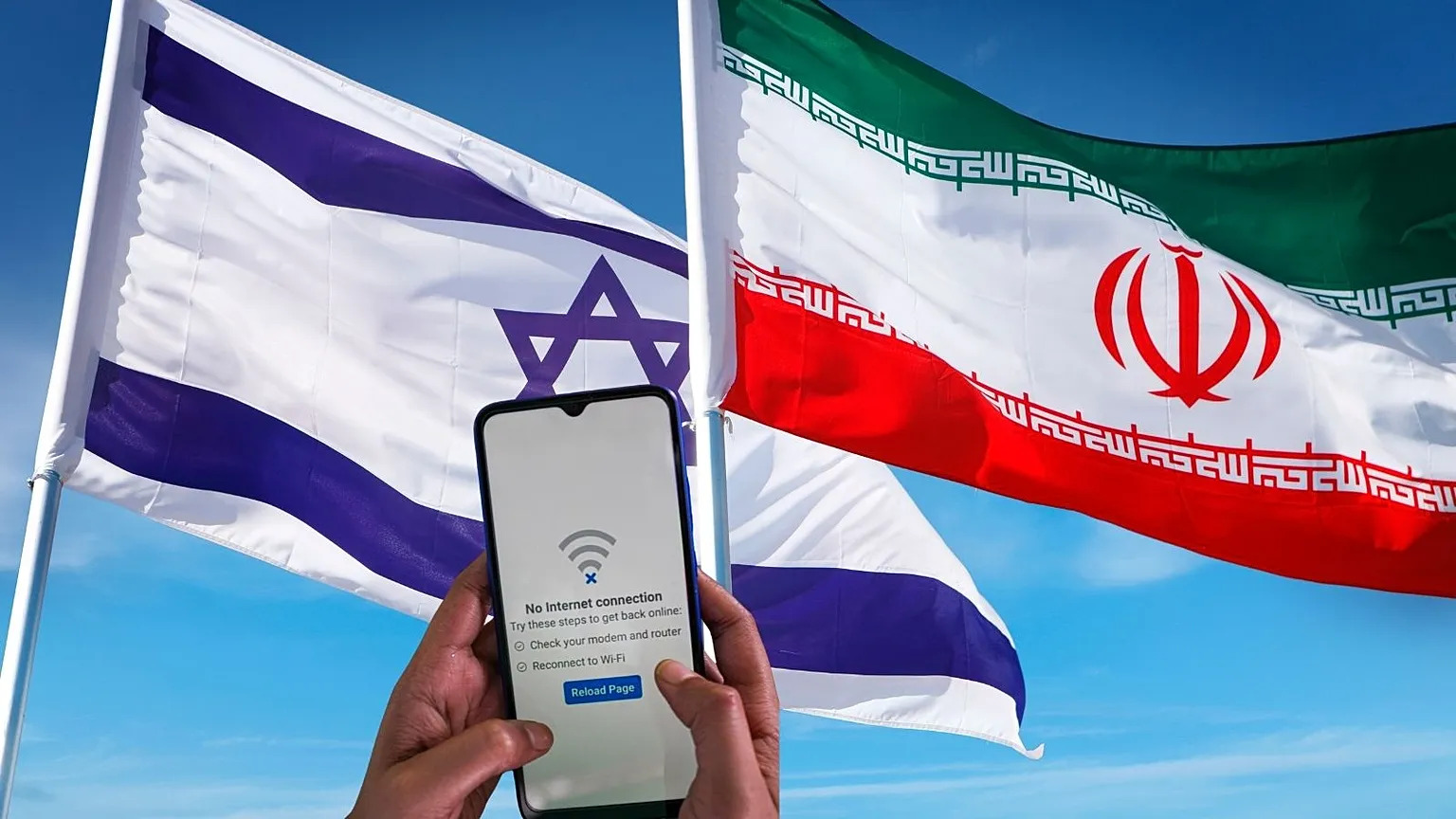
The Iranian regime has responded to the January uprising with its most draconian repression in over a decade. In early January, as protests escalated, authorities initially feigned some conciliation President Pezeshkian acknowledged “intense economic pressure” and said peaceful assembly was a constitutional right. But behind the scenes, the state was preparing a “brutal and relentless crackdown”. By January 8, Iran’s Supreme National Security Council ordered extreme measures to snuff out the movement. That evening, without warning, the regime shut down the internet nationwide, plunging the country into digital darkness. All mobile data, home broadband, and even many telephone services were cut off, preventing protesters from communicating or sharing videos. The information blackout the worst since Iran’s notorious November 2019 shutdown aimed to hide the “full horror” of what was to come, as UK Foreign Secretary Yvette Cooper told Parliament. NetBlocks, an internet monitoring group, reported that by the morning of January 9, 99% of Iran’s connectivity was down. With the world watching only through a trickle of activist satellite messages, security forces unleashed lethal force to clear the streets.
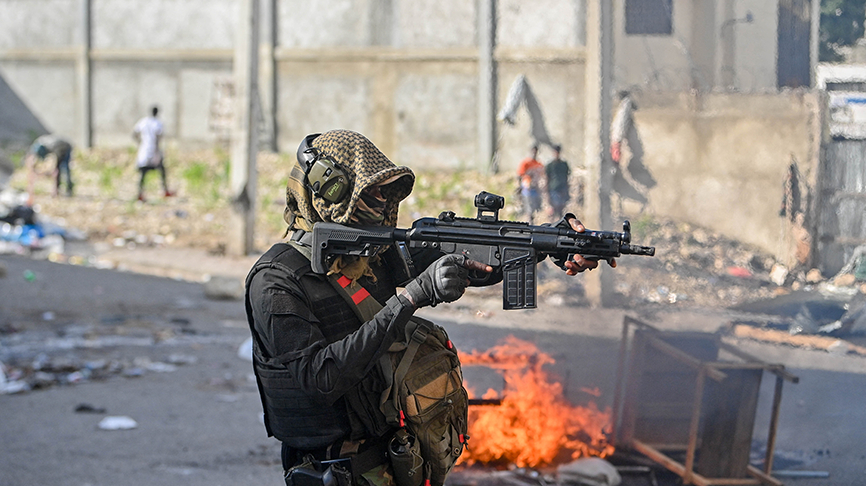
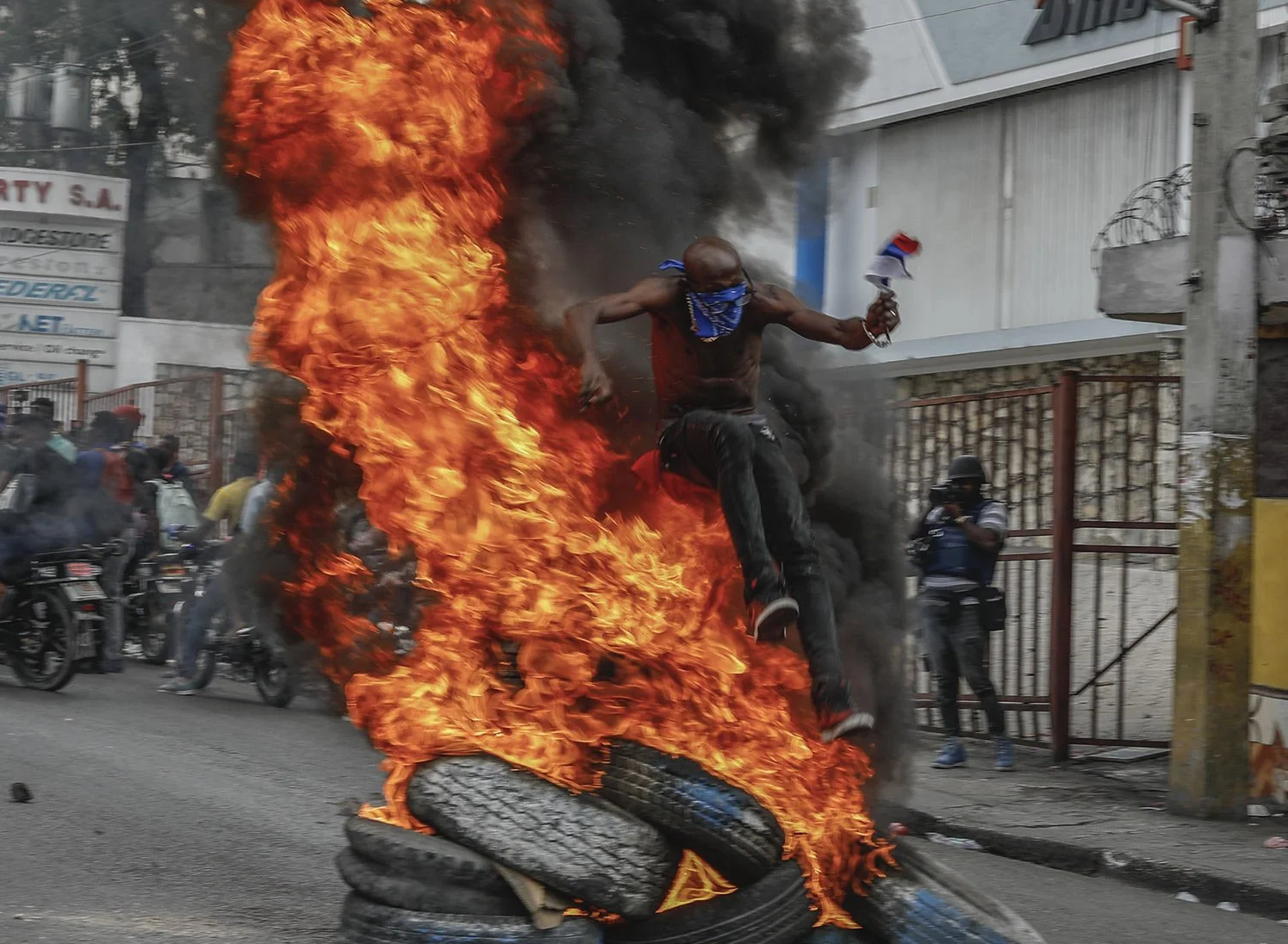
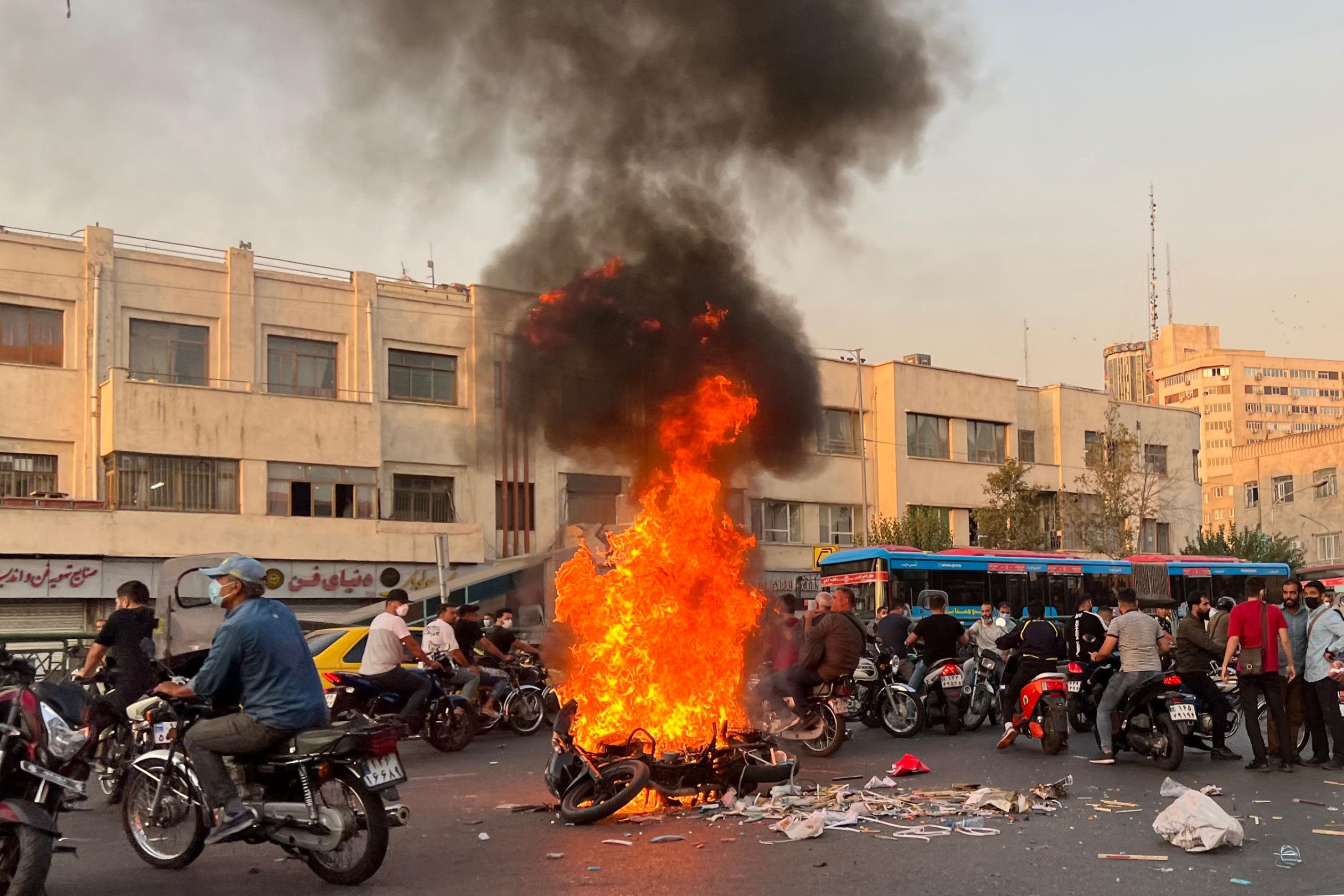
What followed has been described by witnesses as a massacre. In city after city on January 9 10, Islamic Revolutionary Guard Corps (IRGC) units, paramilitary Basij militiamen, and police special forces fired live ammunition into crowds of unarmed demonstrators. “They’re charging at crowds in vans and bikes…I have seen them deliberately shooting at people’s faces. The streets are full of blood,” one protester in Mashhad reported before her phone went dead. Disturbing video snippets later smuggled out show scenes of carnage protester corpses lined up in body bags outside a Tehran hospital after one night’s clashes. By January 10, hospitals in Tehran and Shiraz were overwhelmed with gunshot victims, and morgues overflowed. Yet the regime refused to acknowledge the killing of civilians. Instead, the Supreme Leader and state TV dismissed the protesters as “vandals” and “terrorists” manipulated by foreign enemies, giving security forces free rein to “shoot at anyone and everyone” in their path.
Independent monitors have struggled to tally the human cost of this crackdown amid the communications blackout. But the figures that have emerged are staggering. By January 11, the Human Rights Activists News Agency (HRANA) a U.S. based rights monitor with a network in Iran reported at least 538 people killed, including 490 protesters, in roughly two weeks of unrest. Over 10,600 others had been arrested by that date, overwhelming Iran’s prisons. These numbers climbed sharply as more reports trickled out from blackout areas. On January 13, Iran’s interior ministry finally claimed about 3,100 people had been killed in the “recent incidents” (a mix of protesters and bystanders, by its account). Yet even regime insiders suggested higher counts one Iranian official told Reuters that roughly 2,000 people were dead by mid January, while activists and some Western officials put the toll well into the 5,000 12,000+ range. By day 25 of the protests (January 21), HRANA’s aggregated data counted 4,902 confirmed fatalities (with thousands more unverified) and over 26,000 arrests, underscoring the ferocity of the state’s response. These would make the January 2026 repression one of the bloodiest episodes in Iran’s modern history possibly “the most brutal…for at least thirteen years,” as Yvette Cooper noted, referring to the deadly 2009 crackdown.
The regime’s public posture has been one of denial and defiance. Supreme Leader Khamenei and his commanders have praised security forces for quashing “rioters”, while offering zero acknowledgement of civilian deaths. Tellingly, Tehran declared a three day national mourning period but only for fallen security personnel, not for any of the protesters gunned down. State media has incessantly broadcast images of funerals for Basij militiamen and policemen killed in clashes, amplifying the government’s narrative that it faces an armed insurrection orchestrated by the U.S. and Israel. Meanwhile, officials label reports of thousands of deaths as “foreign propaganda” and even accused activists of miscounting morgue records. This propaganda rings hollow to most Iranians, who have witnessed the violence firsthand. As one protester from Kermanshah told the Guardian, “Government forces use maximum violence towards us…and this time is no different”. Indeed, Amnesty International and others have documented security units firing military assault rifles and even shotguns loaded with birdshot into crowds. Graphic images have emerged of some victims with gruesome wounds, fueling more public fury.
Beyond brute force, the regime has tried preventive measures to stifle mobilization. Authorities announced sudden “public holidays” and closures in at least 11 provinces (including Tehran) in early January, ostensibly due to cold weather and fuel shortages a transparent ploy to keep people at home and shut businesses in protest hubs. They also dispatched plainclothes intelligence agents to infiltrate demonstrations and arrest ringleaders, and conducted nighttime raids on the homes of known activists. On January 4, riot police even stormed a hospital in Ilam province that was treating wounded protesters, beating patients and doctors an incident so egregious it provoked outrage among Iranians of all political stripes. Under enormous public pressure, President Pezeshkian called for an investigation into that hospital attack and other abuses, a rare admission that security forces may have overstepped. But meaningful accountability is unlikely. Hardliners in the Revolutionary Guard and judiciary are firmly in control of the response, and reports suggest special tribunals are being readied to mete out harsh punishments (even death sentences) to protest detainees. In short, Iran’s regime has reverted to its most tested strategy: unleash overwhelming repression, blame foreign “enemies,” and hope to terrorize the population back into silence.
International Reactions: Condemnation and Diplomacy
The explosive situation in Iran has drawn strong reactions abroad, with many countries condemning the regime’s tactics and weighing responses. In particular, Western governments have used unusually blunt language. On January 13, UK Foreign Secretary Yvette Cooper delivered an urgent statement to Parliament, denouncing “the horrendous and brutal killing of Iranian protestors” and warning Tehran that the world is watching. Cooper revealed that British officials believe “potentially thousands” have been killed in Iran’s crackdown a scale she called “the most bloody repression…in at least thirteen years”. The UK government, she said, “demands that the Iranian authorities respect the fundamental rights and freedoms of their citizens”, and has repeatedly urged Iran’s leaders to change course. Britain’s Prime Minister joined the leaders of France and Germany that week in a joint statement condemning the violence and calling for an immediate end to the crackdown. Diplomatically, London summoned Iran’s ambassador to convey its outrage, and Foreign Secretary Cooper personally phoned Iran’s foreign minister (Abbas Araghchi) to register the UK’s “total abhorrence” at the killings. These steps signaled a united European front against Tehran’s actions.
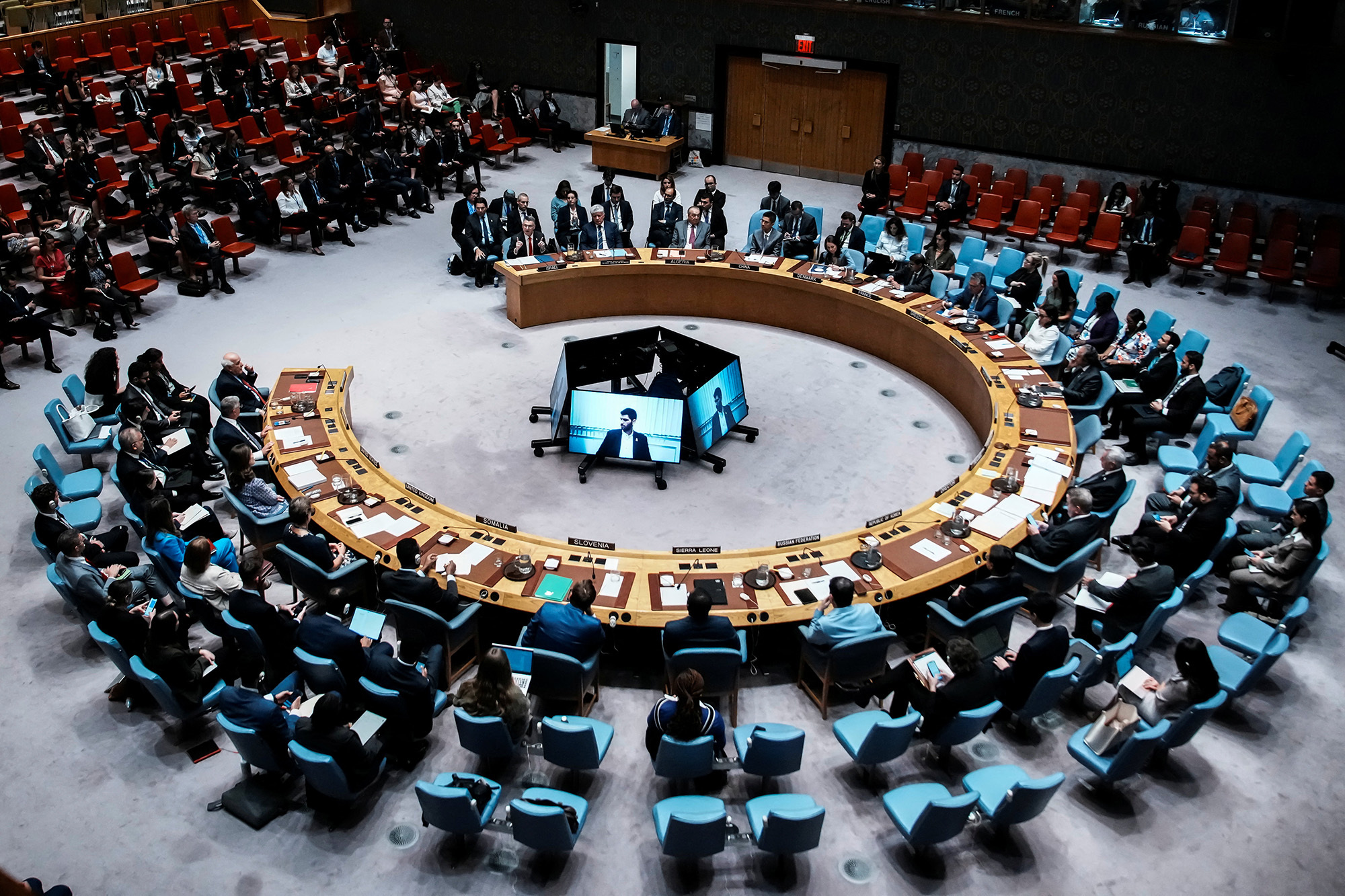
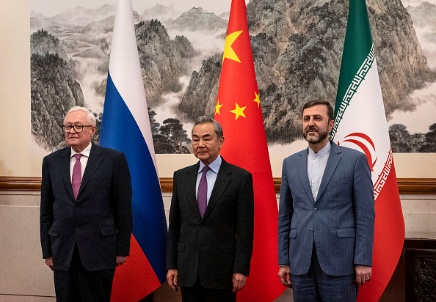
Concrete punitive measures are following the rhetoric. Cooper announced that Britain will “bring forward legislation to implement full and further sanctions and sectoral measures” against the Iranian regime. The UK had already re imposed many UN sanctions (with France and Germany) after Iran’s nuclear deal collapse, and in late 2025 had designated 71 additional Iranian officials and entities for sanctions. Now, in response to the protest crackdown, London is preparing to extend penalties to Iran’s finance, energy, transport, software and other key industries that sustain the regime. The message is that Tehran will pay an increasing price internationally for brutalizing its people. The United States has likewise condemned Iran’s actions President Trump tweeted that Iran “is looking at FREEDOM, perhaps like never before. The USA stands ready to help!!!”, although he gave no specifics. U.S. officials say they are reviewing options ranging from more sanctions to support for internet access tools for Iranians. The UN Human Rights Council held a special session where the High Commissioner slammed Iran’s “brutal repression” and a resolution called for accountability. Regional neighbors have reacted variously: Israel’s Prime Minister voiced strong support for the Iranian protesters’ “struggle for freedom” and condemned the “massacres of innocent civilians”, while Iran’s usual allies (like China and Russia) have remained muted or backed Tehran’s claims of foreign interference.
A particularly delicate issue has been the safety of foreign nationals in Iran during the unrest. Britain has expressed “deep concern” for several UK dual nationals imprisoned in Iran, including a couple, Craig and Lindsay Foreman, who were suddenly charged with espionage amid the turmoil. The Foremans, tourists in Iran, were arrested earlier and accused without evidence of spying widely seen as Tehran seizing leverage. “Their welfare in Iran remains a priority,” Secretary Cooper said, noting that British diplomats have been in touch with Iranian authorities about the case. The UK Minister for the Middle East even met the Foreman family in London to reassure them of efforts to free the pair. Iran’s regime has a history of detaining Westerners on trumped up charges, and there are fears it could escalate these tactics if it suspects foreign instigation of protests. Western governments have flatly rejected Iran’s claims that outside forces are behind the unrest. “These are nothing but lies and propaganda by a desperate regime,” Cooper told Parliament regarding Tehran’s conspiracy theories. She added that Britain and others are careful not to “play into the regime’s hands” by giving it any pretext to blame external actors. Nonetheless, tensions between Iran and the West are rising in tandem with the protest crisis, as seen by Iran’s warnings to the U.S. (threatening American bases if the U.S. intervenes militarily) and its brief detention of some European embassy staff (which prompted diplomatic protests).
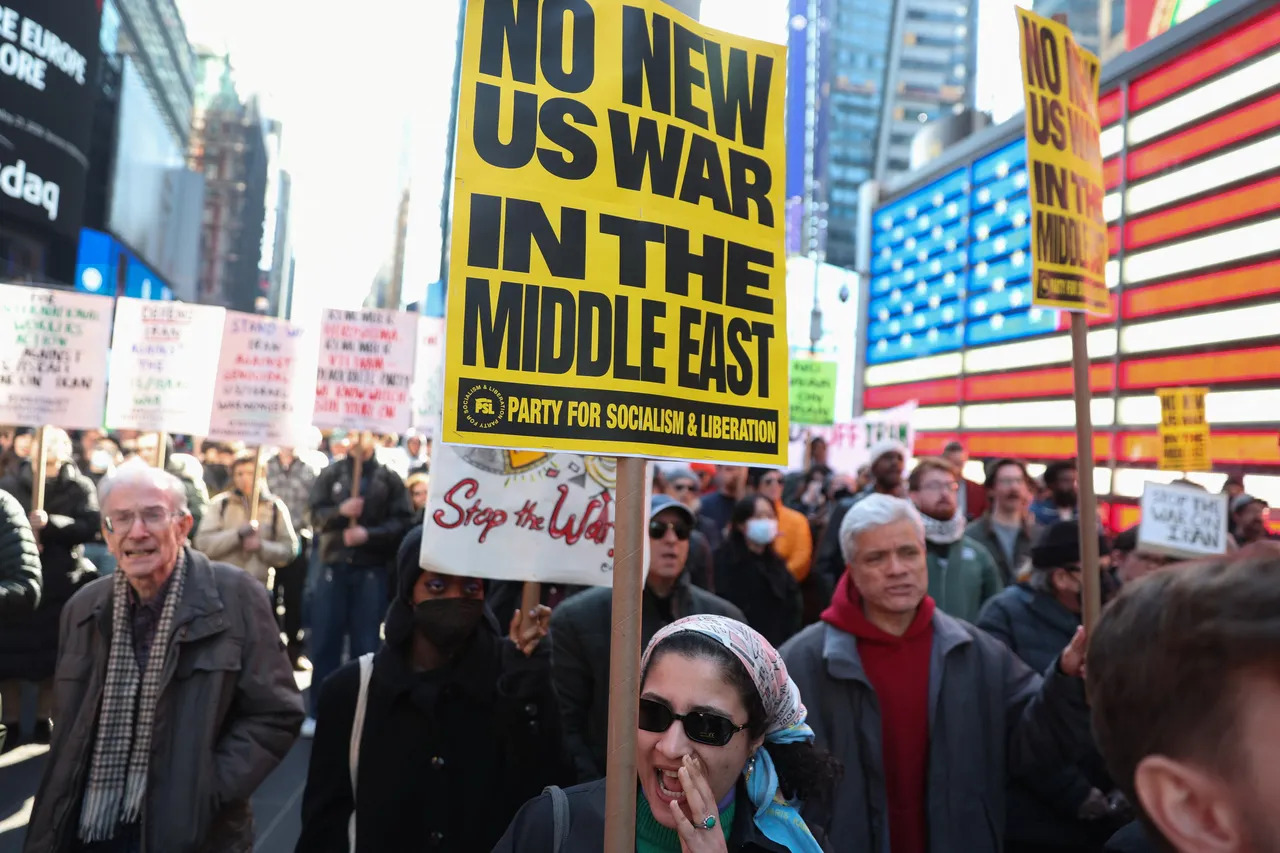
It is not only Western officials speaking out Iranian expatriates and global human rights organizations are amplifying the protesters’ voices as well. The Iranian diaspora has organized large solidarity rallies in cities from Los Angeles to London, and even Iranian diplomatic missions overseas have seen demonstrations. Media outlets like Iran International (a Persian language news channel in London) and HRANA have become crucial sources, reporting the grim news that state media inside Iran will not. Their coverage of slogans like “Neither Gaza nor Lebanon” and viral videos of shootings has informed international audiences about the protesters’ true aims. Prominent Iranian activists such as Nobel laureate Shirin Ebadi and filmmaker Jafar Panahi have given interviews abroad describing the unrest as an attempt to “push history forward” in Iran now that people’s “shared pain has turned into a cry in the streets”. Such testimony is bolstering calls for the international community to do more. Some advocates are urging a global ban on travel and assets for top Iranian officials, or even the expulsion of Iran from UN bodies. While direct foreign intervention is highly unlikely (and generally unwanted by the protesters themselves), sustained external pressure diplomatic isolation, targeted sanctions, efforts to keep the internet open could influence the regime’s calculus as it grapples with this domestic uprising.
Battle for Iran’s Future: Regime Stability in Question
With Iran’s “January uprising” now well into its fourth week, the big question is what comes next. Is the Islamic Republic truly at risk of falling? Or will this wave of protests, like others before it, be brutally contained? Observers are divided, but many agree this crisis poses one of the most serious threats to Iran’s regime in decades. “Antigovernment protests… have escalated into the most serious challenge in decades to its clerical leadership,” noted a RAND Corporation analysis, emphasizing that demonstrations erupted across all provinces and that “thousands of protesters have been killed” despite the blackout. Seasoned Iran watchers point out some key differences between this uprising and previous ones. Unlike 2009’s Green Movement, there is no illusion now that change can come from within the existing system. Protesters are not asking for a recount or a policy tweak they are demanding wholesale change. And unlike the 2019 or even 2022 protests (which were sizable but still sporadic), the 2026 revolt has united a broader cross section of society more quickly than ever before. It is also unfolding at a moment of unusual external vulnerability for the regime. Iran’s regional position is weakened it fought a war with Israel last year that exposed its military limits, and its usual allies are distracted. “The regime is thus facing unrest at home at a time of heightened external vulnerability, with fewer tools to deflect attention…and a diminished ability to absorb internal shocks,” one expert noted. In other words, Tehran cannot easily rally nationalist sentiment with foreign confrontations this time, because it is already stretched thin internationally and economically.
Yet for all the regime’s weaknesses, toppling it remains a monumental task. Iran’s power structure is designed to resist exactly this scenario. The security apparatus has so far remained cohesive there are no visible major defections among the Revolutionary Guard or army commanders (unlike the split that unraveled Egypt’s regime in the Arab Spring, for example). Iran’s hardliners have actually closed ranks; even purported reformists like President Pezeshkian have now fallen in line, calling protesters “rioters” and blaming foreign plots. This signals that the establishment, from “moderates” to clerics to the military, is unified in wanting to crush the uprising. The opposition, by contrast, remains fragmented and largely leaderless. There is no single figurehead or coordinated revolutionary council directing the protests a “genuine, grassroots movement” as the UK FCDO described it. This makes it harder for the government to eliminate the movement (since it’s not dependent on one leader), but it also makes it harder for protesters to formulate a clear alternative or negotiate power. Exiled figures like Reza Pahlavi have tried to guide the momentum, but they have limited influence on the ground and can be divisive among opposition factions. As one young Iranian lamented, “we have no easy way of winning against these bastards. It is hard to be hopeful” expressing both pride in the bravery on display and despair at the uphill battle ahead.
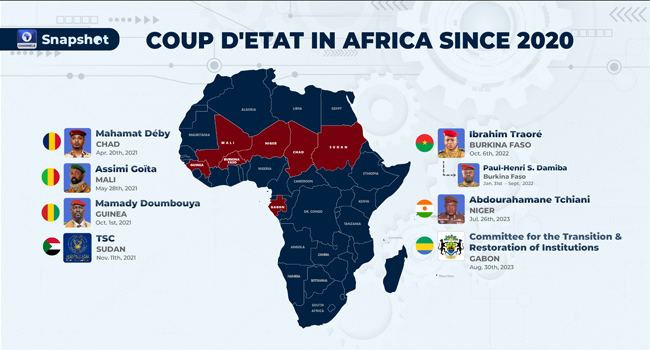
For now, the regime’s playbook is familiar: overwhelm the uprising with force, then possibly offer minimal concessions once it has been subdued. Indeed, Tehran has hinted at some token measures for instance, after suppressing campus protests, authorities fired a few university security chiefs as scapegoats and floated small cash handouts to ease economic pain. But such steps are unlikely to satisfy the public’s sweeping demands, and many Iranians view them as insulting gestures. As Nobel laureate Shirin Ebadi observed, a growing number of Iranians believe “the current establishment must end before the country is further destroyed”. If the regime does survive this episode, it may emerge even more isolated and repressive, having lost any remaining popular legitimacy. The cycle of unrest could then continue, as underlying problems economic mismanagement, corruption, lack of freedoms remain unaddressed. Each protest wave so far (2009, 2019, 2022) has been met with violence, yet each time, after a lull, a new eruption comes, often larger than the last. The Iranian people’s “stamina and determination,” as one Sudan Tribune commentator wrote about African uprisings, reflect deep grievances that won’t simply disappear. The question is whether this time the pressure will finally break the status quo.
“Persian Spring” or not, Iran’s January 2026 uprising has already altered the country’s trajectory. It has shattered the aura of regime invincibility and brought ordinary Iranians together in an extraordinary fight for dignity, civil rights, and a say in their future. The coming weeks will be crucial. If protests continue despite the bloodshed, cracks could eventually appear within the ruling elite or security forces historical revolutions often seemed impossible until suddenly they weren’t. Alternatively, a protracted clampdown and lack of organized opposition could force the uprising to fizzle, at least temporarily. What is certain is that millions of Iranians have shown they are no longer afraid to challenge their rulers openly. In the words of one protester, “We live day by day…without stability, there is no future. We also have no choice but to fight”. The world is witnessing a pivotal chapter in Iran’s story, one that may yet herald a new spring or presage an even darker winter. Either way, the courage and resilience displayed in Tehran’s Shoush Square, Isfahan’s streets, Mashhad’s boulevards, and countless other places have ensured that the call for change in Iran will resound long after the last slogan echoes and the smoke clears. Like previous springs of freedom, the road ahead is uncertain and fraught with danger. But the voices shouting “Death to the Dictator” and “My life for Iran!” have cracked a wall of fear, and for the first time in many years, genuine hope (tempered by hard realism) has entered the equation. The Persian Spring, if it is to be, has begun written in the bravery of Iran’s people and the blood of its martyrs. The world now holds its breath to see if that hope can blossom against the odds, and finally usher in the change so long denied.