Operation Absolute Resolve: The End of the Bolivarian Republic and the Return of Interventionism
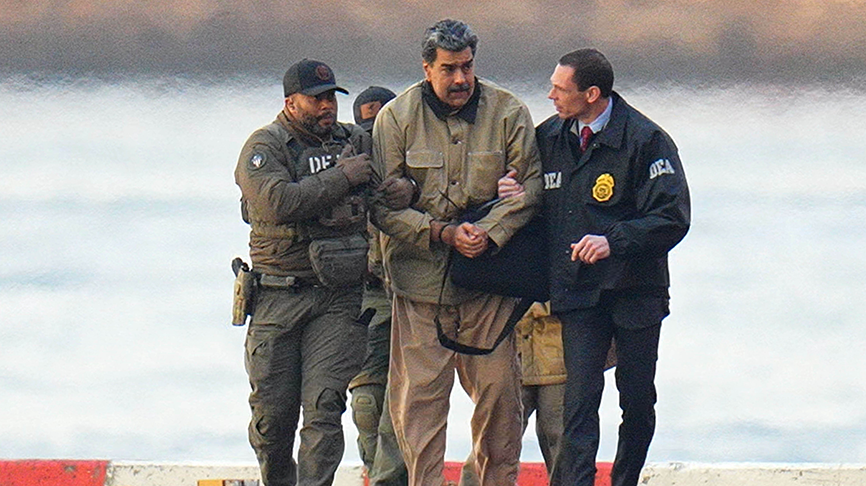
In the pre dawn hours of January 3, 2026, the United States executed a lightning military raid in Venezuela that would reverberate around the world. Code named Operation Absolute Resolve, the joint special forces operation unfolded over roughly three hours, culminating in the dramatic capture of Venezuelan President Nicolás Maduro and First Lady Cilia Flores. U.S. helicopters streaked over Caracas as precision strikes knocked out air defenses and command sites. By 4:30 a.m. local time, Maduro and his wife were in American custody “flown out of the country” as President Donald Trump announced on social media effectively decapitating a regime that had ruled Venezuela for over two decades. The Bolivarian Republic that Hugo Chávez founded in 1999 was, in the words of one analysis, “effectively ended” before sunrise.
This unprecedented action the first U.S. removal of a sitting head of state in Latin America in generations immediately raised profound questions of law, geopolitics, and the future of U.S. foreign policy. Washington insisted the operation was a law enforcement mission with military support, targeting a “narco terrorist regime” responsible for flooding the U.S. with illicit drugs. Indeed, within hours the U.S. Department of Justice unsealed long standing Southern District of New York indictments against Maduro and Flores, charging them with a litany of grave crimes. In Manhattan federal court, a shackled and defiant Maduro heard four felony counts, including narco terrorism conspiracy, cocaine importation conspiracy, and weapons offenses each carrying a potential life sentence. “I am innocent. I am not guilty. I am a decent man. I am still president of my country,’’ Maduro fumed to the judge at his initial appearance, before being cut off. Flores likewise pleaded not guilty (she faces the same drug and weapons charges, minus the narco terrorism count). U.S. prosecutors accuse the pair of running a “corrupt, illegitimate government” that partnered with Colombian guerrillas and global cartels to ship tons of cocaine into North America. The case originally filed back in 2020 amid a push to indict Venezuela’s leaders for narcotics trafficking paints Maduro as the kingpin of the so called Cartel of the Suns using the Venezuelan state as a drug enterprise. As one DOJ official put it at the time, “Maduro very deliberately deployed cocaine as a weapon” against the United States. Now, with Maduro finally in custody after years as a fugitive from U.S. justice, those charges have become a diplomatic flashpoint.
Shockwaves Across the Hemisphere
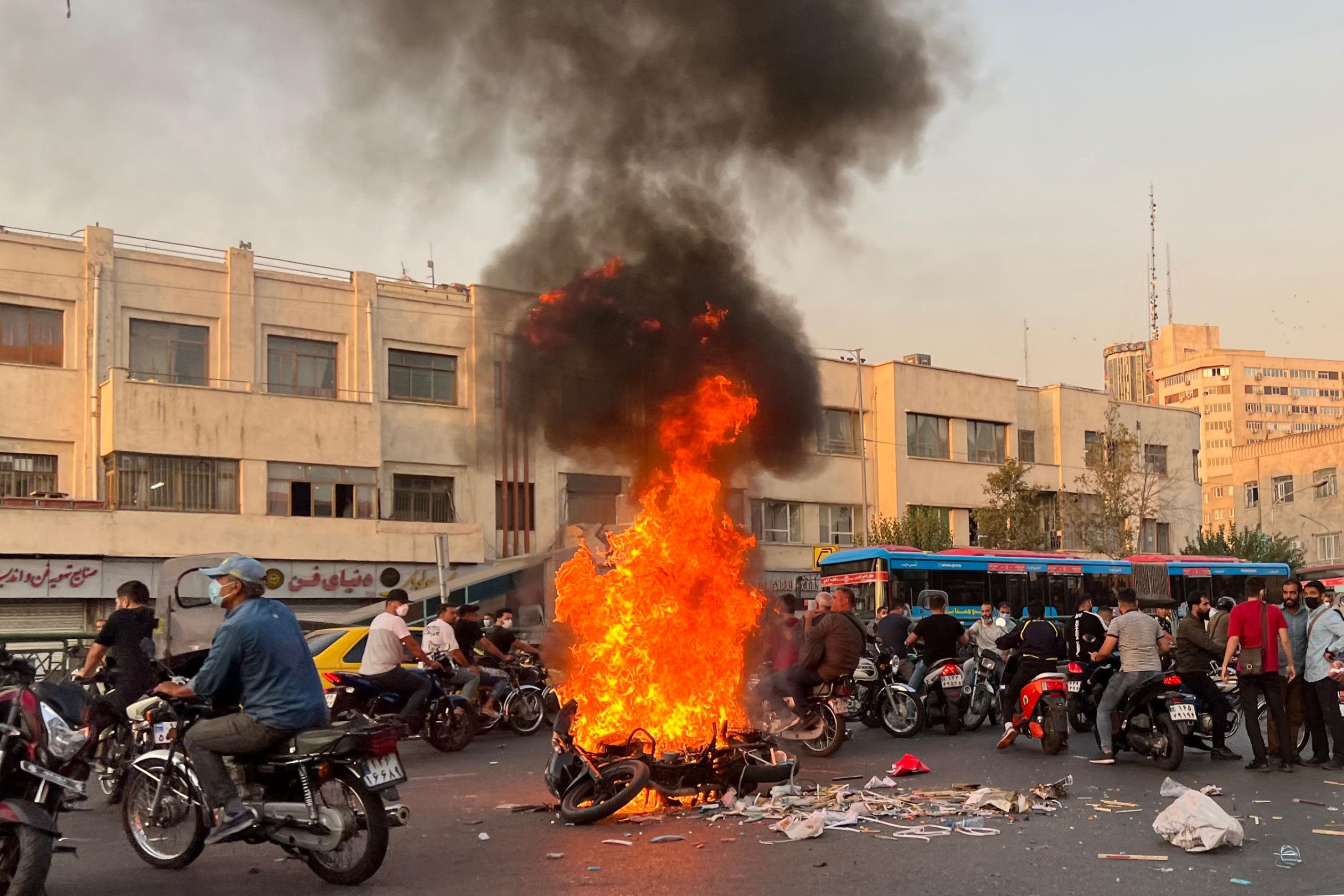
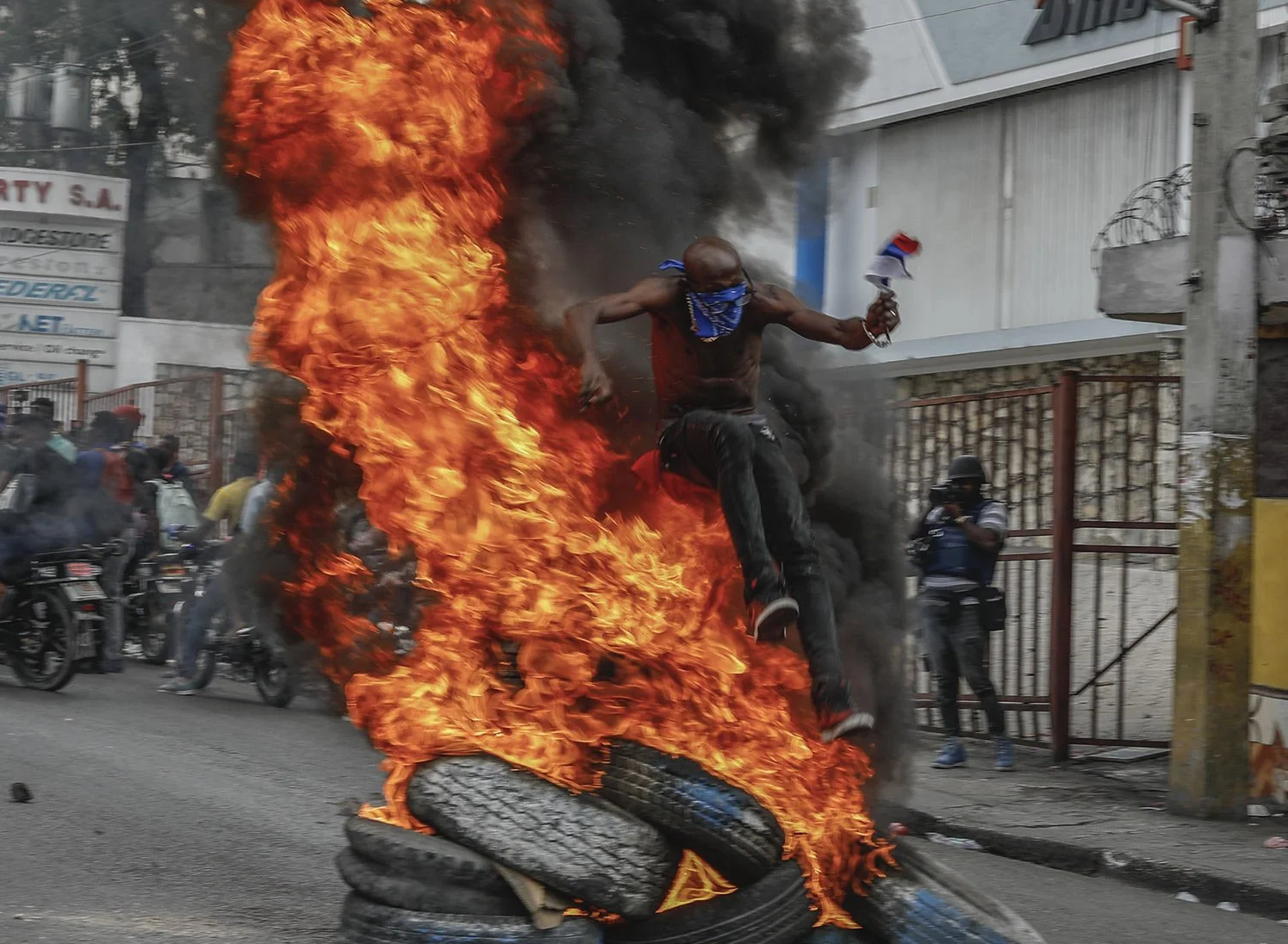
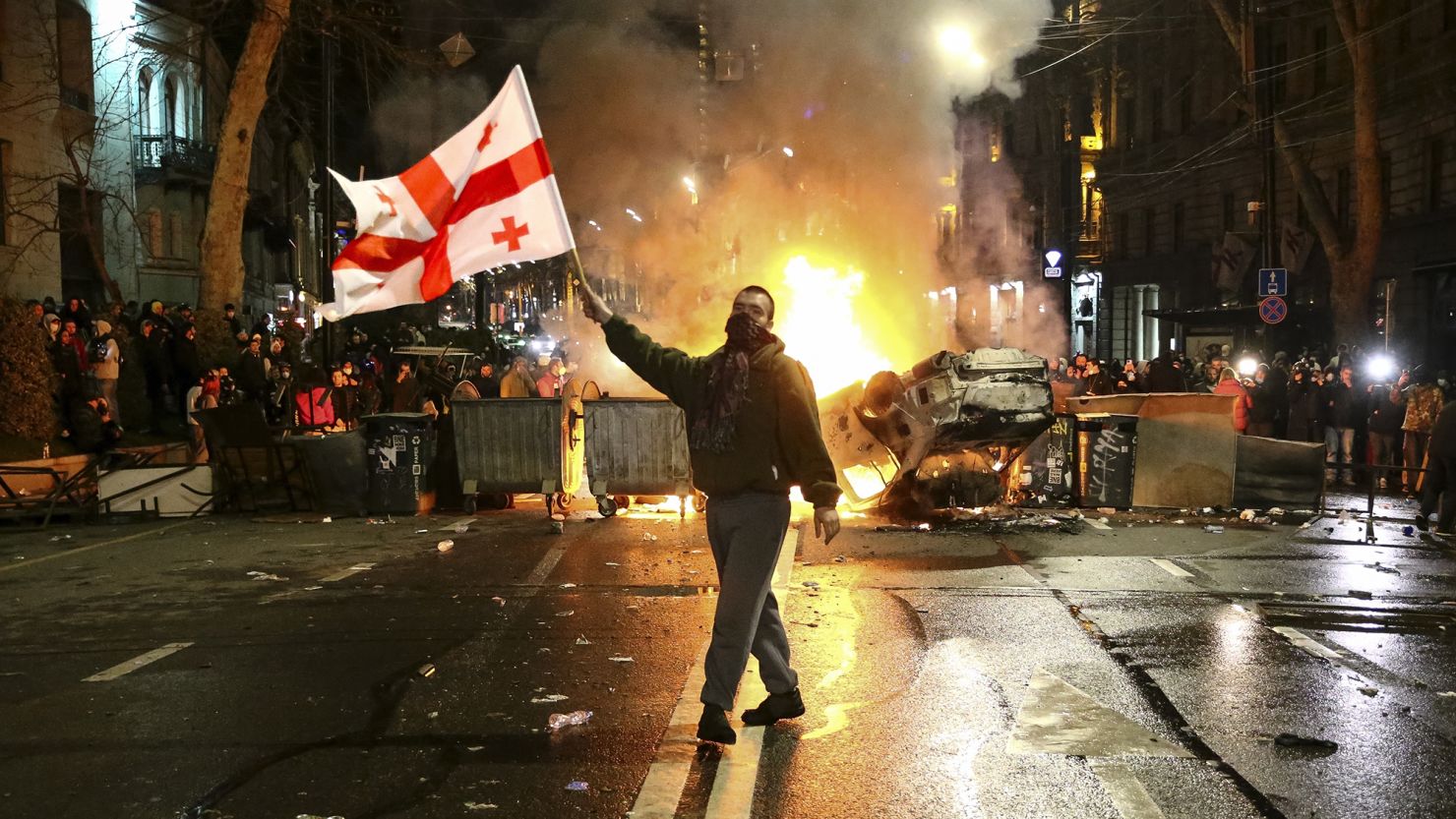
The toppling of Maduro sent shockwaves across Latin America and beyond. Within minutes of Trump’s announcement, jubilant Venezuelan exiles and anti Maduro dissidents celebrated what they saw as the long awaited collapse of an authoritarian regime. Videos from Miami showed Venezuelan diaspora crowds cheering and waving flags in the streets. In Caracas itself, some residents quietly rejoiced that the “First Combatant” was gone, hopeful an era of repression and economic freefall might finally end. But others including Maduro’s remaining loyalists reacted with anger and alarm, decrying a “Yankee kidnapping” of their elected leader. Small protests flared in parts of Caracas and other cities, where die hard chavistas burned American flags and chanted anti imperialist slogans, even as the decapitated regime struggled to reconstitute authority.
By daybreak on January 5, Venezuela’s vice president, Delcy Rodríguez, had been hastily sworn in as de facto interim president in a bid to project continuity. Flanked by generals on state television, Rodríguez denounced the U.S. raid as “blatant foreign aggression” and demanded Maduro’s immediate release. She vowed that Venezuela would never again be ruled from Washington. But tellingly, even some of Maduro’s traditional allies seemed to sense a fait accompli. Cuba’s government, while condemning the U.S. “attack,” quietly began negotiating the evacuation of hundreds of its military advisors from Venezuela after 32 Cuban personnel were reportedly killed during the strikes. And in perhaps the most striking development, Russia one of Maduro’s staunchest patrons issued a carefully calibrated statement welcoming Rodríguez’s assumption of interim leadership as a step toward stability, even as it blasted America’s “neocolonial” tactics. The Russian Foreign Ministry insisted Venezuela “must be guaranteed the right to determine its own destiny without…external interference”, pointedly warning that Moscow would continue to provide support to its partners in Caracas. Yet President Vladimir Putin himself remained conspicuously silent, signaling a pragmatic acceptance that the Bolivarian revolution had been decisively, if illegally, neutered for now.
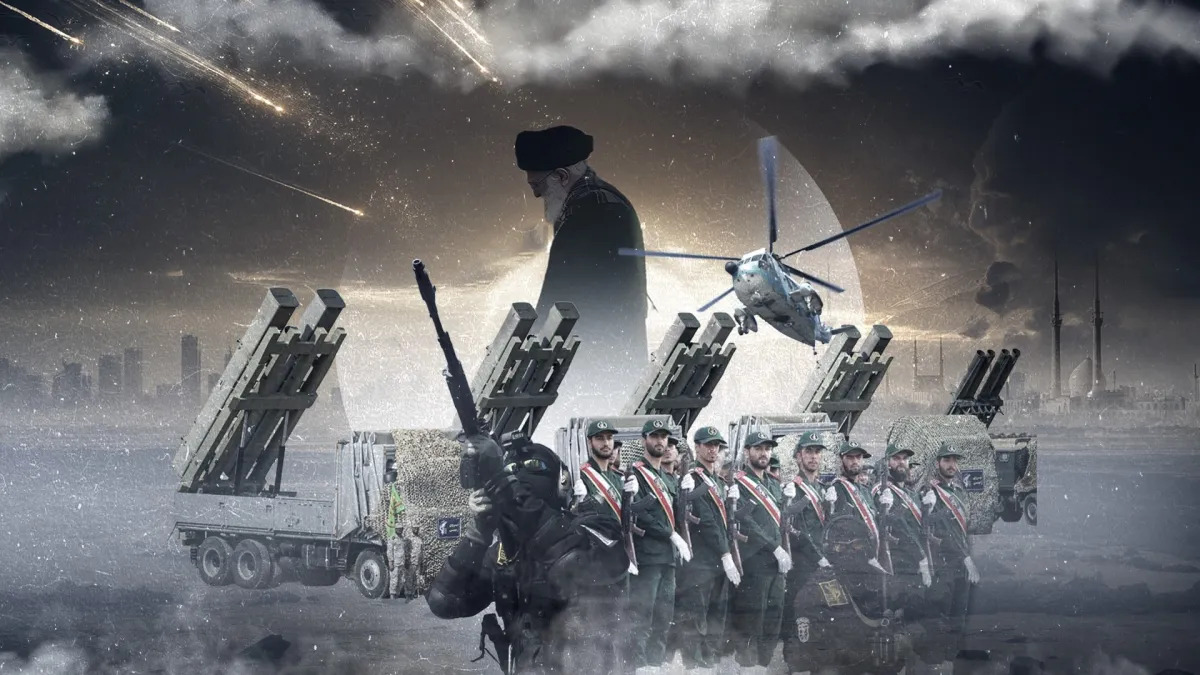
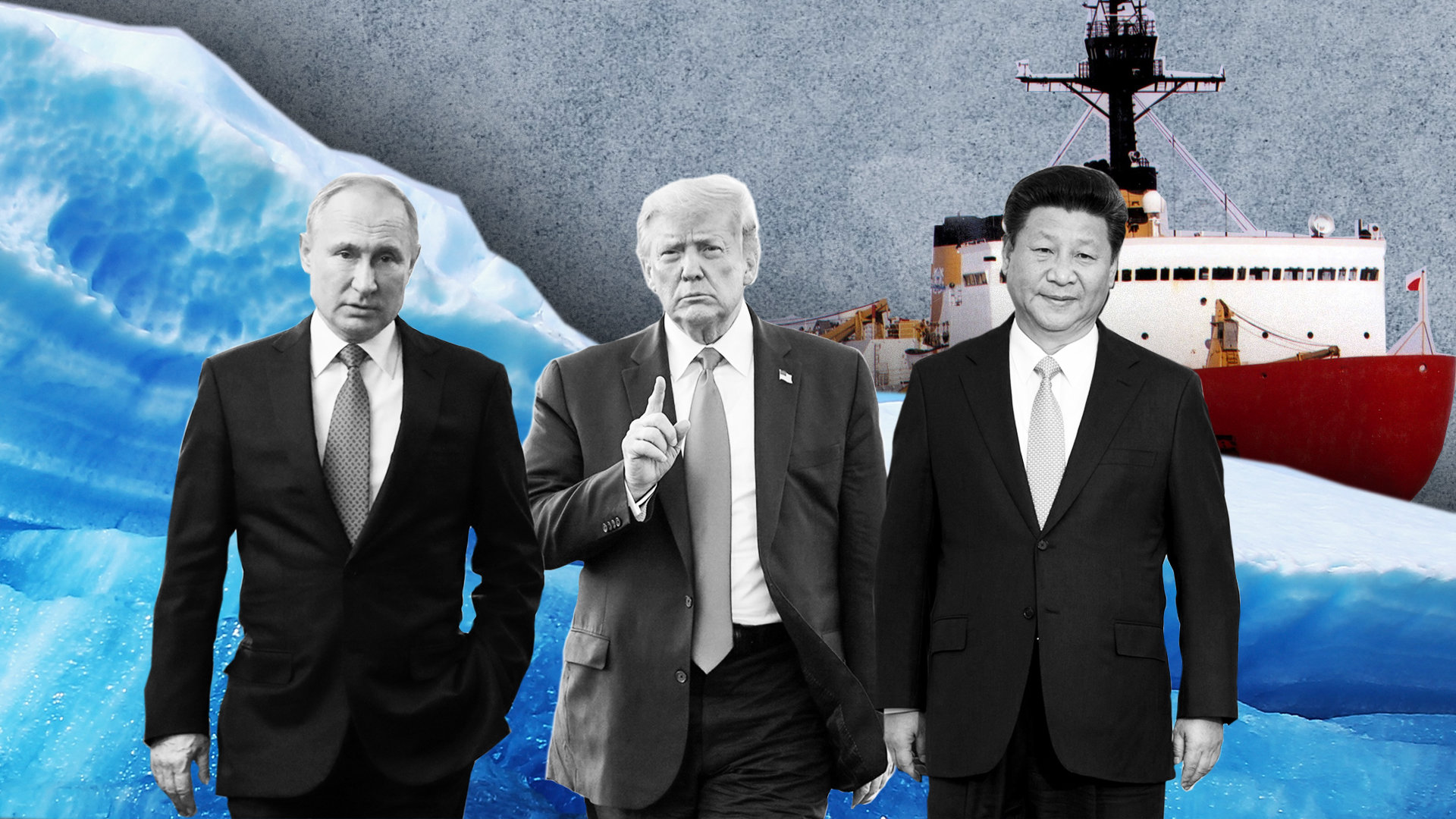
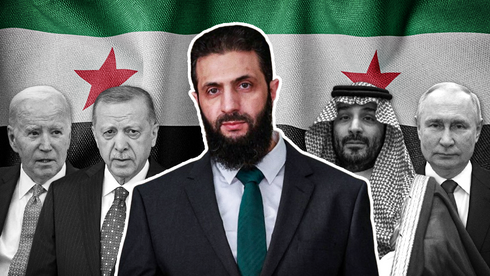
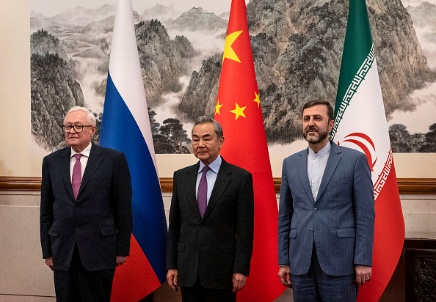
If Moscow’s response combined condemnation with begrudging realism, Beijing’s was unequivocal. China a major investor in Venezuela reacted with fury at the breach of sovereignty. “China is deeply shocked and strongly condemns the U.S.’s blatant use of force against a sovereign state,” announced the Chinese Foreign Ministry, calling the operation a serious violation of international law and a threat to regional peace. Beijing demanded that Washington “stop violating other countries’ sovereignty and security”, aligning its rhetoric with longstanding Chinese opposition to unilateral interventions. Iran, too, railed against the raid: Tehran’s Foreign Ministry slammed the U.S. strike as a “clear violation of the UN Charter” and “a textbook example of an act of aggression”, urging all nations and the UN Security Council to condemn the “blatant violation” of Venezuela’s sovereignty. These three China, Russia, and Iran quickly became the loudest voices branding Operation Absolute Resolve an illegal act of war. In a joint front page editorial, newspapers in Beijing and Moscow even warned that Maduro’s capture set a “dangerous precedent” that could be used to justify future interventions elsewhere. The phrase “Axis of Resistance” originally referring to Iran and its regional allies was repurposed in some commentary to describe China, Russia and Iran’s united stand against U.S. “hegemonism” in Venezuela.
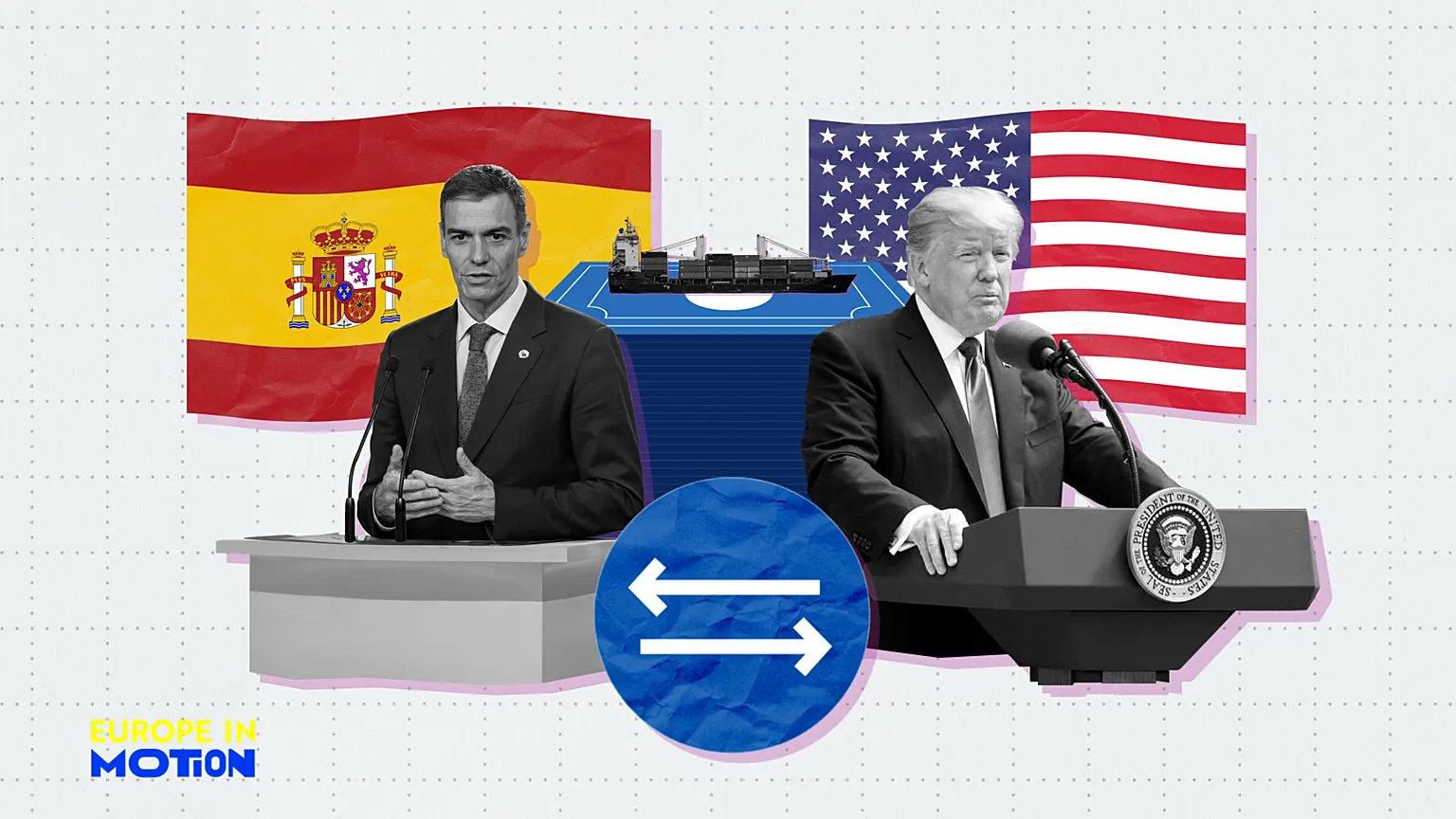
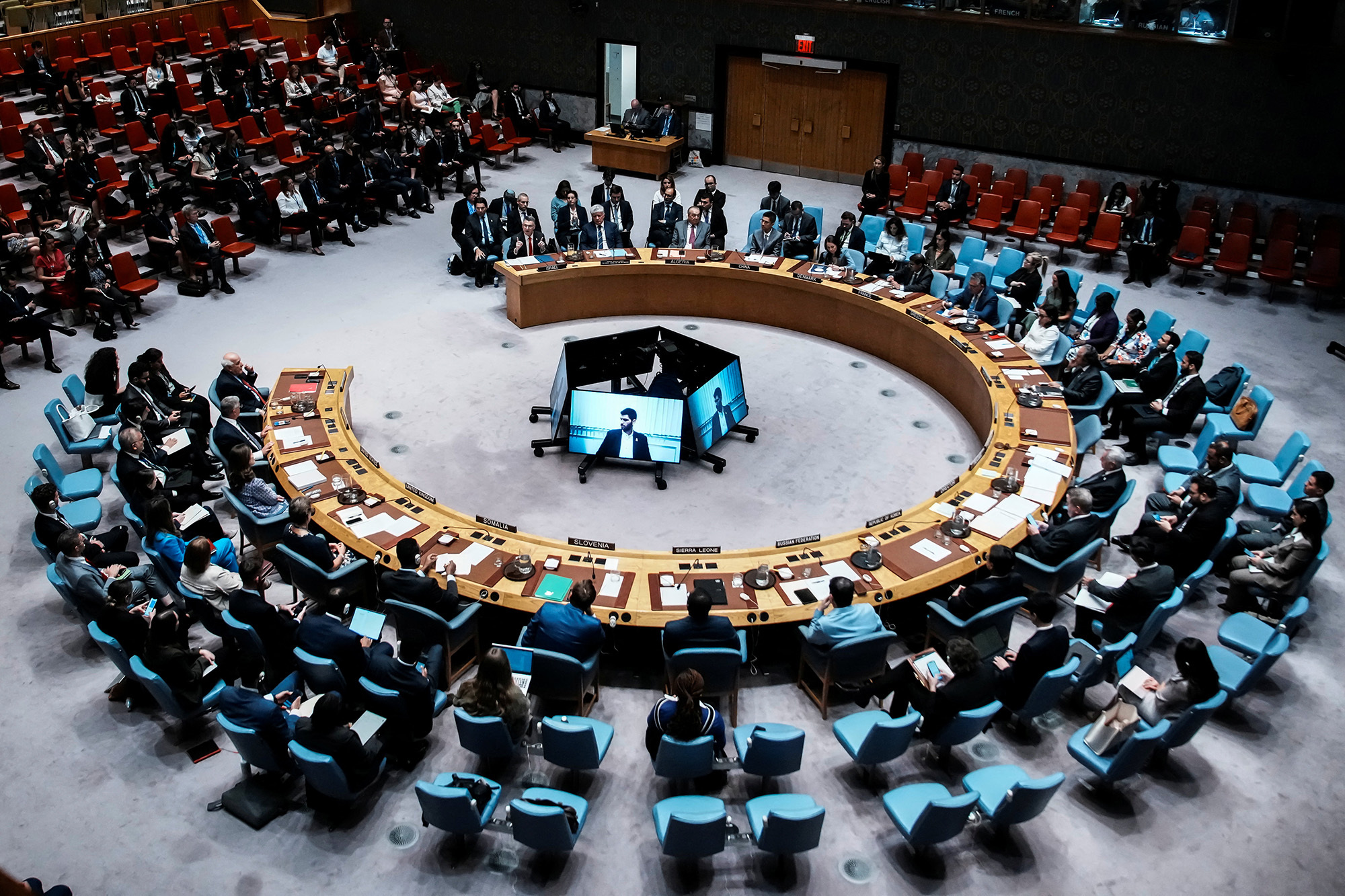
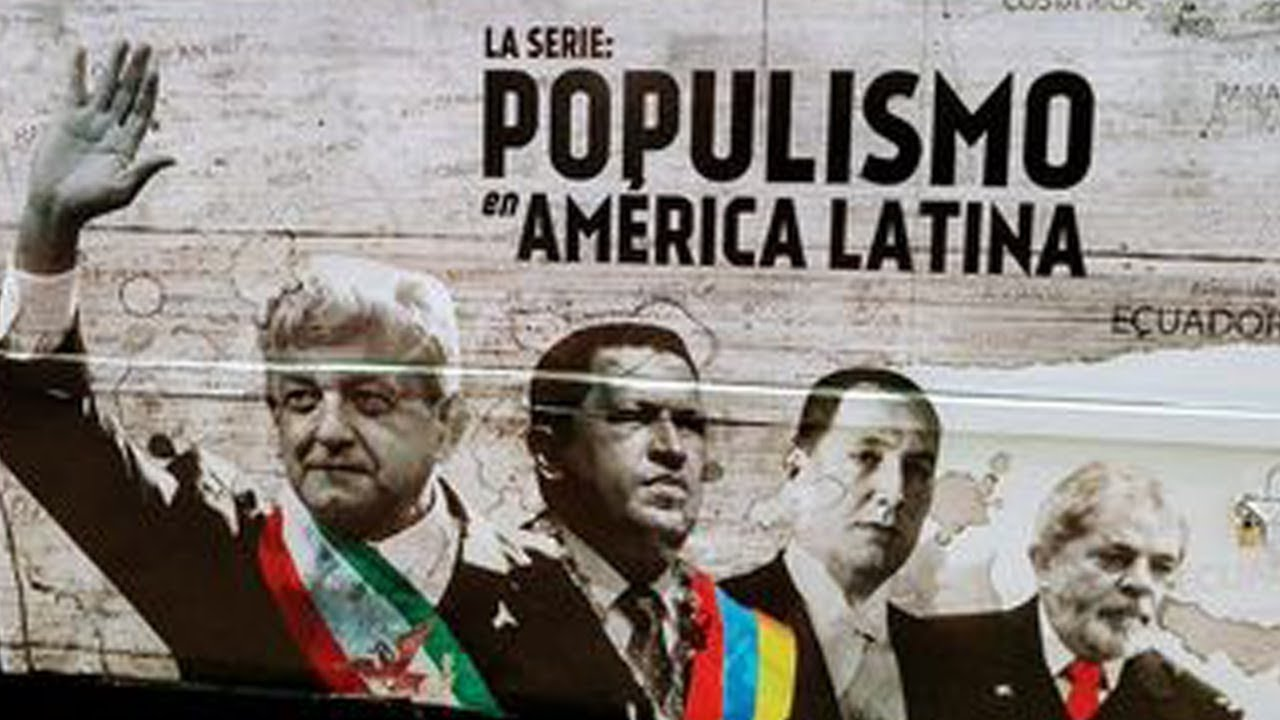
Yet amid the chorus of official outrage from Washington’s geopolitical rivals, many of Venezuela’s Western Hemisphere neighbors offered a far more nuanced, even muted, response. Latin America’s ideological divide was on full display. Left leaning governments in Mexico, Cuba, Bolivia, and Chile swiftly condemned the operation, hewing to the principle of non intervention. A rare joint statement by Brazil, Colombia, Mexico, Chile, Uruguay, and Spain expressed “deep concern and rejection” of the unilateral use of force and warned of “an extremely dangerous precedent for regional peace”. Colombian President Gustavo Petro, who had restored relations with Maduro in recent years, was especially alarmed not least because his country shares a 2,200 km border with Venezuela. Within hours, Petro convened an emergency meeting of his national security council and mobilized Colombian forces along the frontier. “The Colombian government condemns the attack on the sovereignty of Venezuela and Latin America,” Petro declared, even as he scrambled to brace for potential fallout ranging from refugee influxes to retaliation by guerrilla groups allied with Maduro. Taking it a step further, Colombia (newly a rotating member of the UN Security Council) formally called for an urgent Security Council session on the crisis. By January 5, at Bogotá’s request (joined by Russia and China), the UNSC convened in New York to debate the legality of the raid. There, the U.S. faced a barrage of criticism from not only Beijing and Moscow’s ambassadors but also from non aligned countries insisting the operation violated the UN Charter’s ban on force. The UN Secretary General António Guterres, through a spokesperson, sternly warned that such actions “constitute a dangerous precedent” and voiced deep concern that “the rules of international law have not been respected”.
At the same time, several of Venezuela’s neighbors quietly welcomed Maduro’s ouster, reflecting the region’s complex politics. In Argentina, newly elected President Javier Milei an avowed anti socialist openly praised the U.S. move. “It’s the collapse of the regime of a dictator... Today’s news is excellent news for the free world,” Milei declared in a radio interview, framing the intervention as the liberation of Venezuela. Ecuador’s president, Daniel Noboa, struck a similarly triumphalist tone on social media: “The time is coming for all the narco Chavista criminals. Their structure will finally collapse across the entire continent,” he wrote, signaling hope that the fall of Maduro would deal a blow to other leftist strongholds. Even countries that were wary of endorsing Washington’s methods showed relief at the removal of a destabilizing neighbor. Panama’s President José Raul Mulino, for instance, carefully reiterated his country’s support for “democratic trials” and the “legitimate wishes of the Venezuelan people, as expressed at the polls, where Edmundo González was elected”. This was a telling reference: in 2024 Venezuela’s opposition leader Edmundo González Urrutia had apparently won a presidential election that Maduro refused to honor, plunging the nation into a constitutional crisis. By invoking that election, Panama and others implied that Maduro’s downfall merely enforced the Venezuelan people’s will albeit belatedly and by force. Likewise, Canada and Peru issued statements that, while stopping short of approving U.S. armed intervention, emphasized support for a “peaceful and democratic transition” in Venezuela with full respect for international law. Paraguay’s government noted it was “closely monitoring developments” and called for “prioritizing democratic means that guarantee an orderly transition”, careful diplomatic language that neither praised nor condemned Washington outright. Such cautious reactions underscored a broader regional ambivalence: few mourned Maduro’s demise, yet many worried about the precedent of Uncle Sam’s return to regime change operations in Latin America.
“Billions for Reconstruction”: Oil, Sanctions and the Spoils of Victory
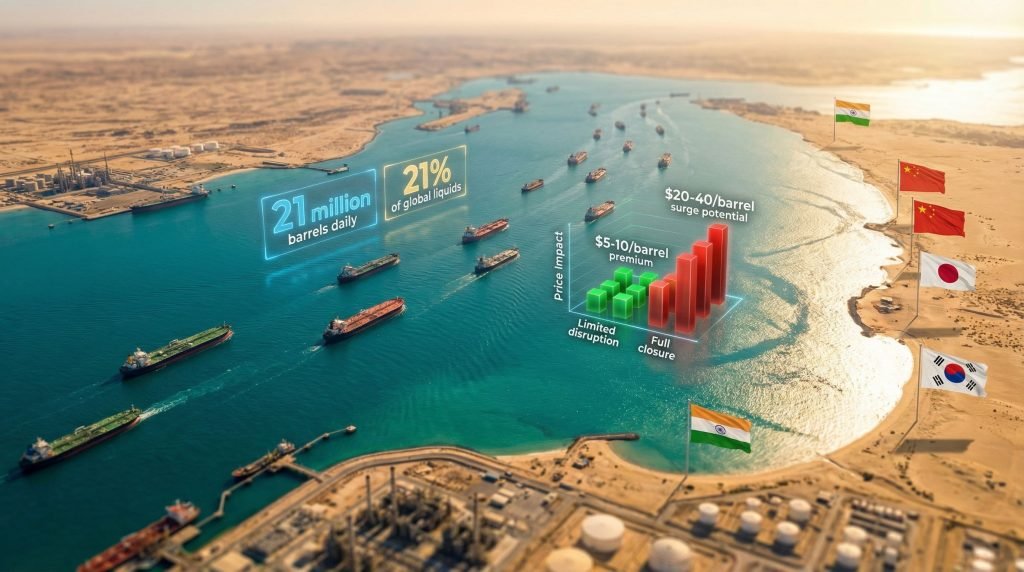
Looming behind both Washington’s justification and global reactions to the Venezuela operation was a single strategic commodity: oil. With the world’s largest proven oil reserves (an estimated 303 billion barrels), Venezuela has long been a geopolitical prize and under Chávez and Maduro, a woefully mismanaged one. The morning after Maduro’s capture, President Trump made clear that Venezuela’s oil was front and center in U.S. calculations. Speaking from his Mar a Lago resort, he announced that American personnel would take control of Caracas’s oil sector and that major U.S. energy companies would be invited in to “pump billions of dollars” into reviving Venezuela’s crippled oil industry. The once mighty PDVSA oil monopoly lies in ruins after years of corruption, underinvestment, and sanctions Venezuela today produces under 1 million barrels per day, a mere 1% of global output. Now, Trump declared, U.S. engineers and drillers would get to work fixing Venezuela’s broken refineries and decaying wells, part of what he touted as a “Billions for Reconstruction” plan to rebuild the country’s shattered economy. Any American presence, he vowed, would “be paid for by money coming out of the ground”, implying that oil revenues would foot the bill. The blunt logic was not lost on observers: in one stroke, Washington was asserting control over the crown jewel of Venezuela’s resources a move critics said vindicated their suspicions that “oil, not alleged drug trafficking, caught Trump’s eye” in Venezuela.
The market reaction to these developments was swift but surprisingly muted. In the immediate aftermath of the U.S. strike, global oil prices actually dipped on expectations that Venezuelan crude might soon return to markets. Brent crude, the international benchmark, briefly slipped to about $60 a barrel, and U.S. WTI fell below $58, as traders in Asia digested the news of Maduro’s removal over the weekend. Far from panicking at the prospect of turmoil in an OPEC member, investors seemed to conclude that ample global supply surging output from Brazil, Guyana, the U.S., and the unwinding of OPEC+ production cuts would buffer any short term disruption. Venezuela’s exports had been largely off the market anyway due to U.S. sanctions and a naval blockade. As a result, when trading resumed on Monday, oil prices actually seesawed in choppy trading: they fell on the initial shock, then rebounded as the day went on. By the January 5 settlement, Brent had climbed back up, closing around $61.76 (up about $1.01 on the day), and WTI similarly ticked up to $58.3. “The unknown for the oil market is how flows from Venezuela will change due to U.S. actions,” noted one analysis, but the consensus was that any revival of Venezuelan output would take time. In fact, industry insiders reported that the Trump administration had not pre consulted U.S. oil majors before the raid ExxonMobil, Chevron, and others were caught off guard and scrambling to respond. Emergency meetings between Washington and oil company executives were hastily arranged for later in the week to discuss next steps. As one oil executive put it, no company besides Chevron (which already had a waiver to operate in Venezuela) would likely commit major resources immediately until the situation clarified. Even under ideal conditions, experts caution, “rebuilding Venezuela’s oil industry is the work of a decade,” requiring hundreds of billions in investment and modernization of infrastructure. Nonetheless, some market watchers believe U.S. intervention could fundamentally reshape oil geopolitics in the longer run potentially boosting Venezuelan output and deliberately undermining OPEC+ cohesion. As one energy analyst predicted bullishly, “Get ready for sub $50 oil… The market is already oversupplied, and this just adds pressure”, positing that a revitalized Venezuela (under U.S. guidance) could flood the market to undercut adversaries like Russia.
The U.S. has moved quickly to translate military victory into economic leverage. By mid January, Washington announced a provisional oil supply deal with Venezuela’s post Maduro authorities to ship 50 million barrels to the U.S. a de facto swap easing some sanctions in exchange for oil that would generate cash for Caracas’s “transitional government”. Funds were also earmarked for humanitarian needs and infrastructure repairs. Trump touted an initial $300 million payment as a sign that “Venezuela’s wealth is being unlocked for its people, not stolen by thugs”. Meanwhile, U.S. diplomats began quietly pushing international lenders to organize a “Venezuela Reconstruction Fund” potentially in the billions of dollars to rebuild the country’s power grid, hospitals, and schools after years of neglect. The White House dubbed it a “Marshall Plan for Venezuela,” though skeptics noted it would be largely financed by future oil proceeds. Still, the very prospect of massive investment and debt relief brought wary optimism to some Venezuelans. Even opposition politicians who distrusted Trump’s motives acknowledged that the collapse of chavismo might finally open the door to economic recovery with outside help. “We have a second chance to fix this country,” said one Venezuelan businessman, “but it will depend on whether rule of law and real democracy are built not just another scramble for oil riches.” The coming months will test whether Venezuela can truly turn a new page, or whether it becomes another oil rich playground for great power games.
The “Trump Doctrine 2.0”: Might Makes Right?
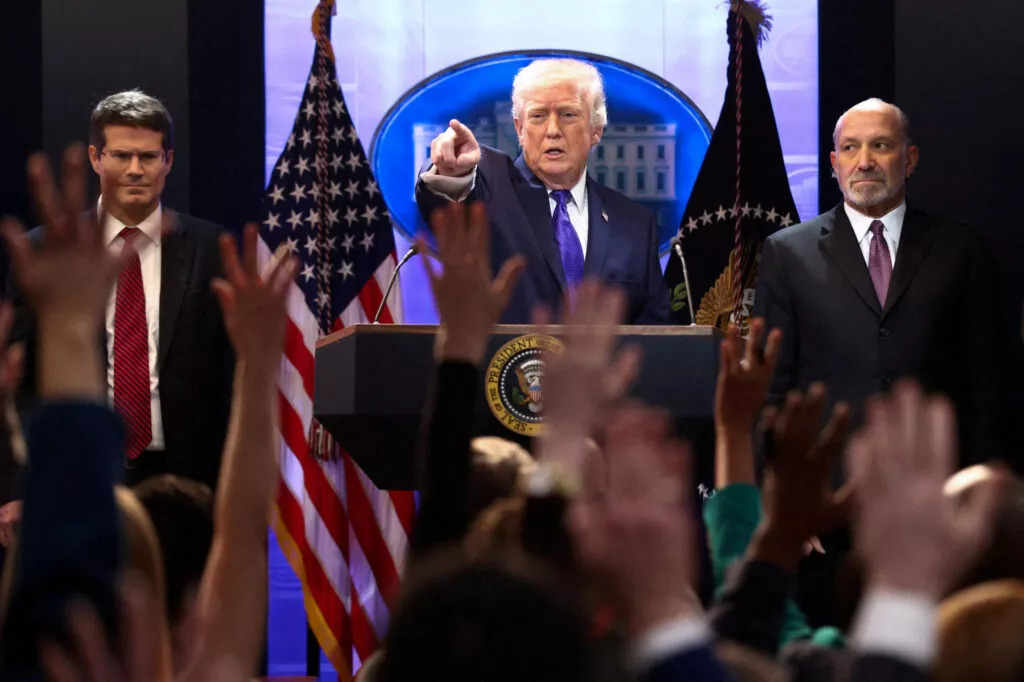
Beyond Venezuela, Operation Absolute Resolve has sparked a global debate about the return of U.S. interventionism and what some are calling the “Trump Doctrine 2.0.” After a period in the early 21st century when American foreign policy largely shied away from overt regime change (scarred by the Iraq and Afghanistan quagmires), the pendulum has swung back dramatically so under President Trump’s second term. Trump himself, in a televised briefing on January 4, explicitly framed the Venezuela raid as part of a broad reassertion of an old credo. He invoked the 1823 Monroe Doctrine which warned outside powers against meddling in the Americas and claimed “inherent constitutional authority” to act as needed in the Western Hemisphere. In fact, Trump has unabashedly rebranded the Monroe Doctrine as the “Donroe Doctrine”, putting his own stamp on the idea that the U.S. will police its strategic backyard. The Venezuelan operation, he argued, was simply the enforcement of a two century old sphere of influence. “We’re going to run the country until such time as we can do a safe, proper and judicious transition,” Trump said of Venezuela, while boasting that the strike should “serve as a warning” to other hostile regimes. That ominous warning was not just rhetoric. In the days following Maduro’s capture, Trump and top officials hinted that further actions could be in store for those who “threaten American lives” or interests. In a press gaggle, Trump even singled out Colombia and Mexico, saying they could face U.S. military action if they failed to stem the flow of illegal drugs across the border a startling suggestion that the Monroe/Donroe Doctrine might soon be applied to America’s own allies if they don’t fall in line. Separately, U.S. intelligence leaks suggested that Iran was being closely watched for any retaliation against American or Israeli targets, with contingency plans ready for strikes on Iranian soil should Tehran seek to test Washington’s resolve. In short, the gloves are off: the U.S. is telegraphing a new willingness to use force unilaterally in a way not seen since the early “War on Terror” years. As one commentator put it, “October 7 made America the world’s ‘daddy’ again” a reference to the cascading effect the Hamas attacks on Israel (and Israel’s ferocious response) had in emboldening hardline U.S. policies. The “Butterfly Effect” of Oct 7, 2023 has been cited as a turning point that, indirectly, hastened Trump’s political comeback and stiffened American resolve to confront adversaries with muscle rather than diplomacy. In the wake of that conflict, U.S. hawks argue, deterrence had to be restored. The decapitation strike in Caracas thus serves as a global object lesson: this is what can happen to those who cross red lines, whether they are narco regimes, terror groups, or rival great powers.
Unsurprisingly, this assertive doctrine has its detractors both abroad and at home. International law scholars note that snatching a foreign head of state without UN approval tramples the bedrock principles of sovereignty and non intervention. Even some U.S. allies in Europe, while relieved to see Maduro gone, worry about the precedent of ignoring multilateral institutions. France’s President Emmanuel Macron lauded the “democratic transition to come” in Venezuela but cautioned that “no solution can be imposed from the outside” without risking legitimacy. Germany’s Chancellor Friedrich Merz struck a similar balance: acknowledging Maduro’s ouster while stressing that “principles of international law must apply” and urging that Venezuelans’ will be honored through free elections. Within the United States, congressional leaders demanded the White House clarify its legal justifications. The Trump administration has cited the President’s Article II powers and even a post 9/11 anti terrorism Authorization for Use of Military Force (AUMF) as partial cover arguing that Maduro’s alleged narco terrorism made him a legitimate target. Critics, including lawmakers from both parties, are not convinced. They point out that Congress was not consulted and that no imminent threat to the U.S. was evident, raising constitutional questions about checks and balances. A congressional inquiry is likely, though any reprimand may be symbolic given partisan divides and Trump’s firm grip on his party.
For Latin America, the “return of the gringo” as some local headlines put it is a double edged sword. On one hand, Maduro’s removal has opened possibilities for democratic renewal in a country that suffered immensely under his rule. On the other hand, it resurrects memories of past U.S. interventions, from the CIA coups of the Cold War to the invasion of Panama in 1989. Indeed, many are comparing Operation Absolute Resolve to a new “Panama moment”, referencing the U.S.’s arrest of Panamanian strongman Manuel Noriega in 1989 during Operation Just Cause. Then, as now, the U.S. cited drug indictments and authoritarian abuses to justify armed action. Then, as now, the world grappled with the legality and ethics of a superpower acting as global sheriff. Is the world witnessing Washington re embrace its role as an interventionist hegemon? Trump’s supporters argue that America is simply reasserting deterrence and protecting its interests, ending an era of “weakness.” They point to the Western Hemisphere’s improved prospects without Maduro’s malign influence (and note the swift moves to free over 100 political prisoners in Venezuela as a positive outcome). Detractors warn that violation of sovereignty, even under noble pretexts, erodes the international order and could inspire copycat behavior by other powers. If the U.S. can snatch a president it dislikes, what stops a country like China or Russia from doing the same and citing their own doctrines?
In Caracas, the dust is still settling. Streets remain tense but mostly calm, as Venezuelans process an astonishing week. The interim government under Delcy Rodríguez ironically a Maduro loyalist now thrust into a caretaker role has opened a dialogue with opposition figures and U.S. envoys about managing day to day governance. A tentative agreement has been floated to schedule new elections within 6 to 12 months, under international supervision, once basic security and economic stability are restored. The U.S. has refrained from formally installing any exile leader, mindful of avoiding the image of a puppet regime. Instead, Trump insists the U.S. is “running Venezuela” only as a stopgap to prevent chaos. Still, U.S. military presence on Venezuelan soil (limited special forces and security teams guarding oil facilities) is a reality likely to persist for some time. In the United Nations, a divided Security Council failed to pass any resolution on the incident vetoes and counter vetoes saw to that but a strong majority of members deplored the breach of sovereignty in statements for the record. The stage is set for a prolonged struggle over norms: the “rules based international order,” already under strain from other crises, faces a new test in Venezuela’s saga. As one Latin American diplomat lamented, “We all wanted Venezuela’s agony to end, but not like this.”
The full legacy of Operation Absolute Resolve remains to be written. For Venezuela, optimists see a chance at rebirth after the end of the Bolivarian experiment a painful yet potentially liberating turning point. For the United States, it marks a controversial reassertion of hard power, a throwback to an earlier era of hemispheric policing now wrapped in Trumpian bravado. And for the world, it raises stark questions: Can global rules survive if a superpower emboldened by a “butterfly effect” of crises decides to play “world’s Daddy” and enforce its will unilaterally? In the streets of Caracas, a graffiti scrawl perhaps captured the ambivalence best: “¿Libertador o invasor?” “Liberator or invader?” it asked of the American action. The answer may depend on one’s vantage point in this new era of contested interventionism.
Recent Posts