
Democracy’s Domino Effect Analyzing the Global Wave of Anti Government Protests in December 2025
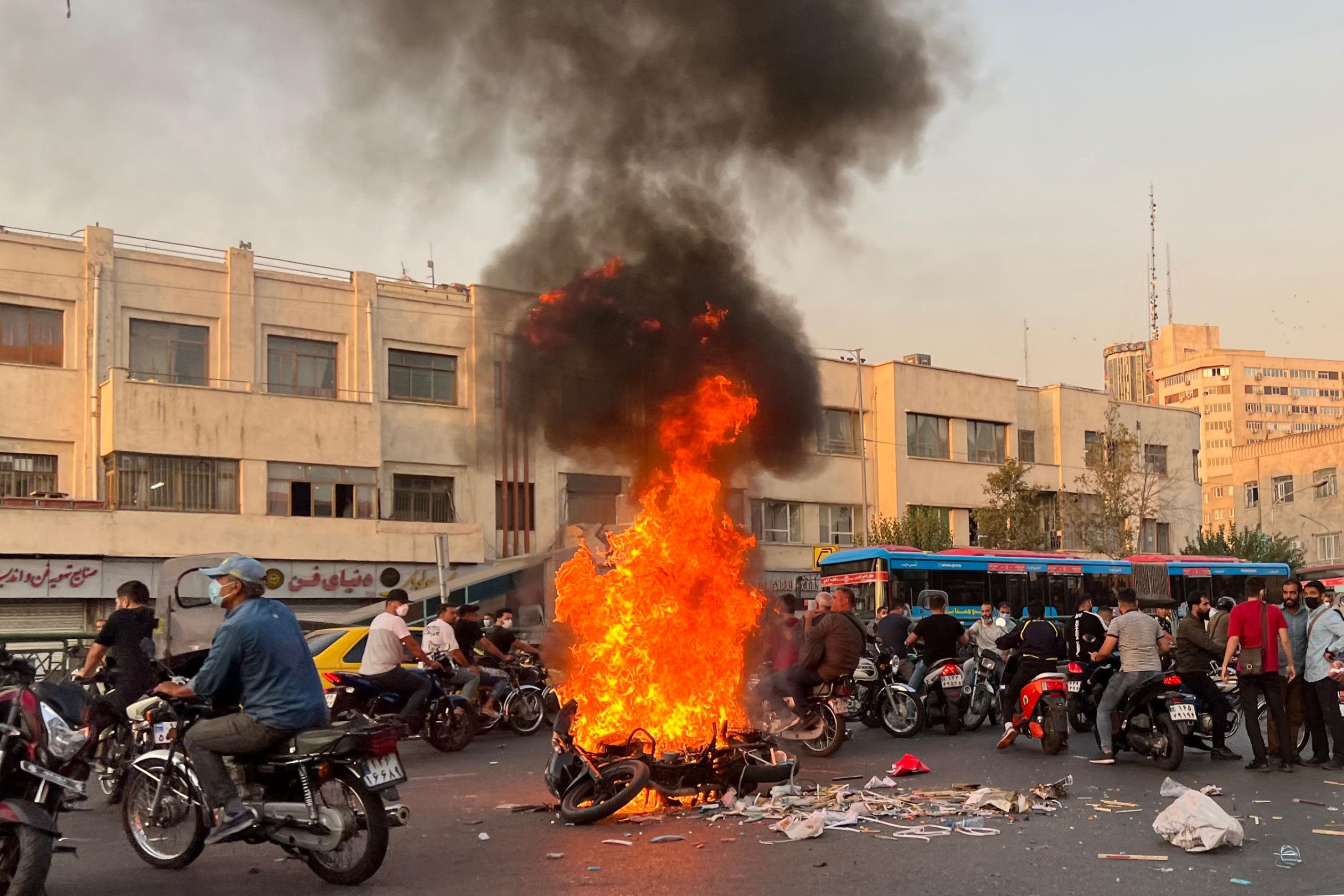
The closing weeks of 2025 have carried the uneasy rhythm of a chain reaction. A protest breaks out in one country, and within days similar images appear elsewhere: crowds outside parliament buildings, traffic arteries blocked by shipping containers, riot police in formation, and families searching for missing relatives. Each movement begins with a local spark an internet blackout, a disputed election, a leader’s arrogance, a fuel price hike but the sparks fall onto the same dry ground: shrinking trust, widening inequality, and a growing belief that formal politics is no longer built to hear ordinary people.
That is what makes December 2025 feel like a domino effect. The world is not experiencing one synchronized uprising. It is experiencing many uprisings that look increasingly alike because the pressures beneath them and the responses above them have started to converge. Citizens are demanding accountability, dignity, and a say in decisions that shape their lives. Governments, in turn, are reaching for a playbook built for control: restrict movement, control information, criminalize organizing, and if necessary use force. When a crackdown happens in one place, leaders elsewhere take notes. When a breakthrough happens in one place, citizens elsewhere take courage. Protest and repression travel.
This essay examines the global wave of anti government protest politics that crystallized in December 2025, using four cases that illustrate the spectrum of outcomes and tactics: Nepal’s youth led upheaval that forced the resignation of Prime Minister K.P. Sharma Oli after protests left at least 22 dead; Cameroon’s post election crackdown and the detention and death of veteran opposition figure Anicet Ekane of the MANIDEM party; Pakistan’s recurring cycle of protest and pre emptive connectivity blackouts, especially in the Islamabad Rawalpindi corridor; and South Korea’s impeachment and constitutional crisis context, a reminder that even strong democracies can face sudden tests. Across these cases, we can see regional patterns of mobilization, regional patterns of state response, and a global tug of war between democratizing demands and authoritarian reflexes.
Democratic decline meets people power
The protest wave did not appear out of nowhere. It arrived after years in which many societies felt the political ground shifting under their feet. Freedom House has described a long running global downturn in political rights and civil liberties, emphasizing how restrictions on the press, civil society, and opposition parties have become normalized. The significance is not only that “freedom scores” are lower, but that the machinery that makes politics legitimate independent oversight, trusted elections, effective checks and balances feels weaker in many countries. When institutions erode, small decisions become explosive because citizens no longer trust that there are safe ways to contest them.
V Dem, the Varieties of Democracy Institute, captures the same story with different language: a world in autocratization, where leaders increasingly concentrate power while preserving the outward form of elections. That creates a paradox that helps explain this moment. Elections still happen, but many citizens suspect the outcomes are manipulated through media capture, patronage, intimidation, or outright fraud. People are told they have a voice; they experience politics as extraction, insult, and surveillance. Protest becomes a way to reassert citizenship in a space where citizenship feels conditional.
At the same time, public resistance has not receded. Large scale demonstrations have continued to erupt in democracies, hybrid regimes, and outright autocracies. Carnegie’s work tracking protest movements highlights how often motives combine: corruption scandals, anti democratic overreach, and economic hardship. This combination matters because it produces movements that are emotionally powerful and structurally difficult to calm with small concessions. You can remove one unpopular policy, but the public’s anger is frequently aimed at deeper patterns impunity, nepotism, and a sense that the state serves insiders first.
December 2025’s pattern therefore looks like a collision between two trends: democratic recession and popular insistence. The result is not uniform democratization. In some places, protests produce leadership change or meaningful reforms. In others, they trigger a tightening spiral of repression. What connects them is a shift in political imagination: more people now believe that direct pressure is the only language governments will understand and more governments now behave as if they believe the same thing.
Nepal’s Gen Z revolt: when the internet ban became a legitimacy crisis
Nepal’s unrest in 2025 is often summarized with a single phrase: “Gen Z protests.” That label matters because it captures both who drove the movement and what it symbolized. Nepal has lived with chronic coalition churn, repeated allegations of corruption, and a political class that, in the eyes of many young Nepalis, rotates power among familiar names while failing to deliver jobs, clean services, and credible accountability. When the government imposed restrictions that included a sweeping ban on major social media platforms, it was widely read not merely as policy but as contempt: an attempt to silence the very generation already furious at how the country is run.
In the days that followed, protest escalated quickly. Students and young professionals filled the streets, mobilizing through peer networks and, where possible, digital channels. The state responded aggressively. Security forces fired on crowds, and the casualty figures turned the movement from a dispute over policy into a national trauma. Reporting during the peak of the unrest described at least 22 deaths, with many more injured; later tallies from some outlets put the toll higher. Once deaths begin, the protest’s moral center shifts. It stops being only about an internet ban. It becomes about dignity, accountability, and the state’s willingness to treat its own citizens as enemies.
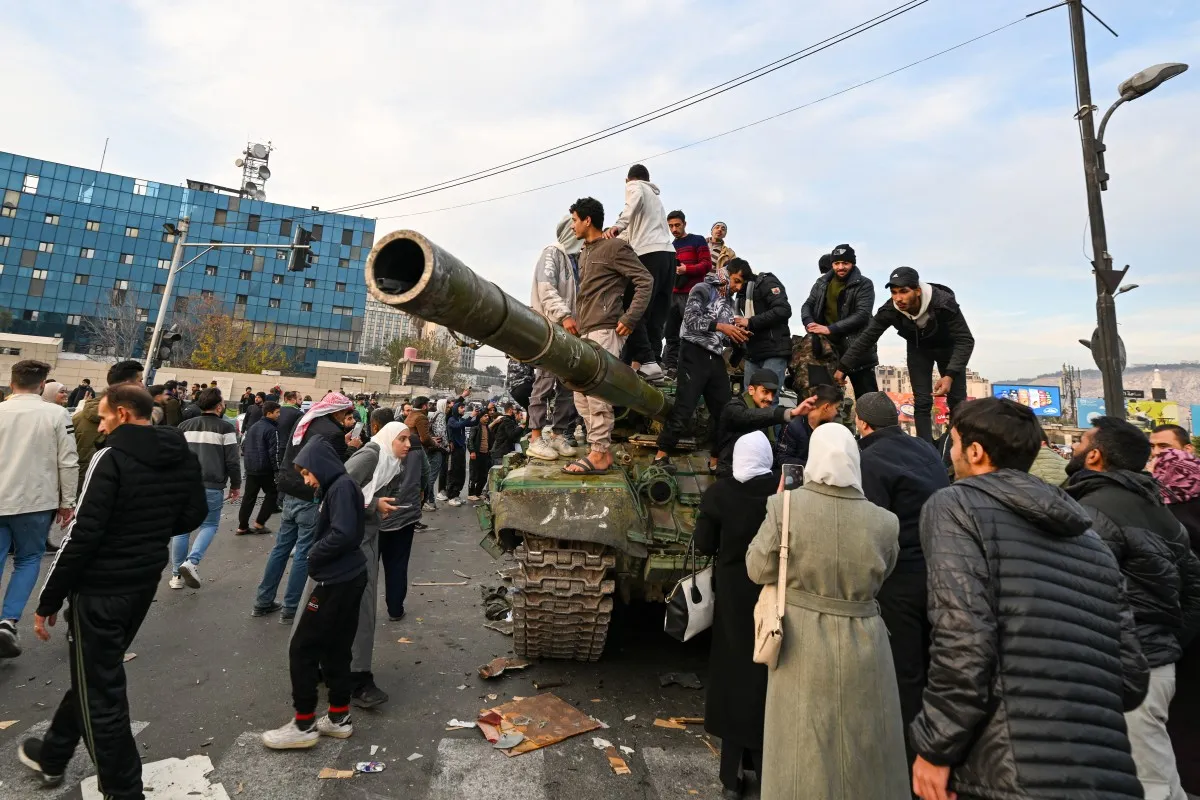
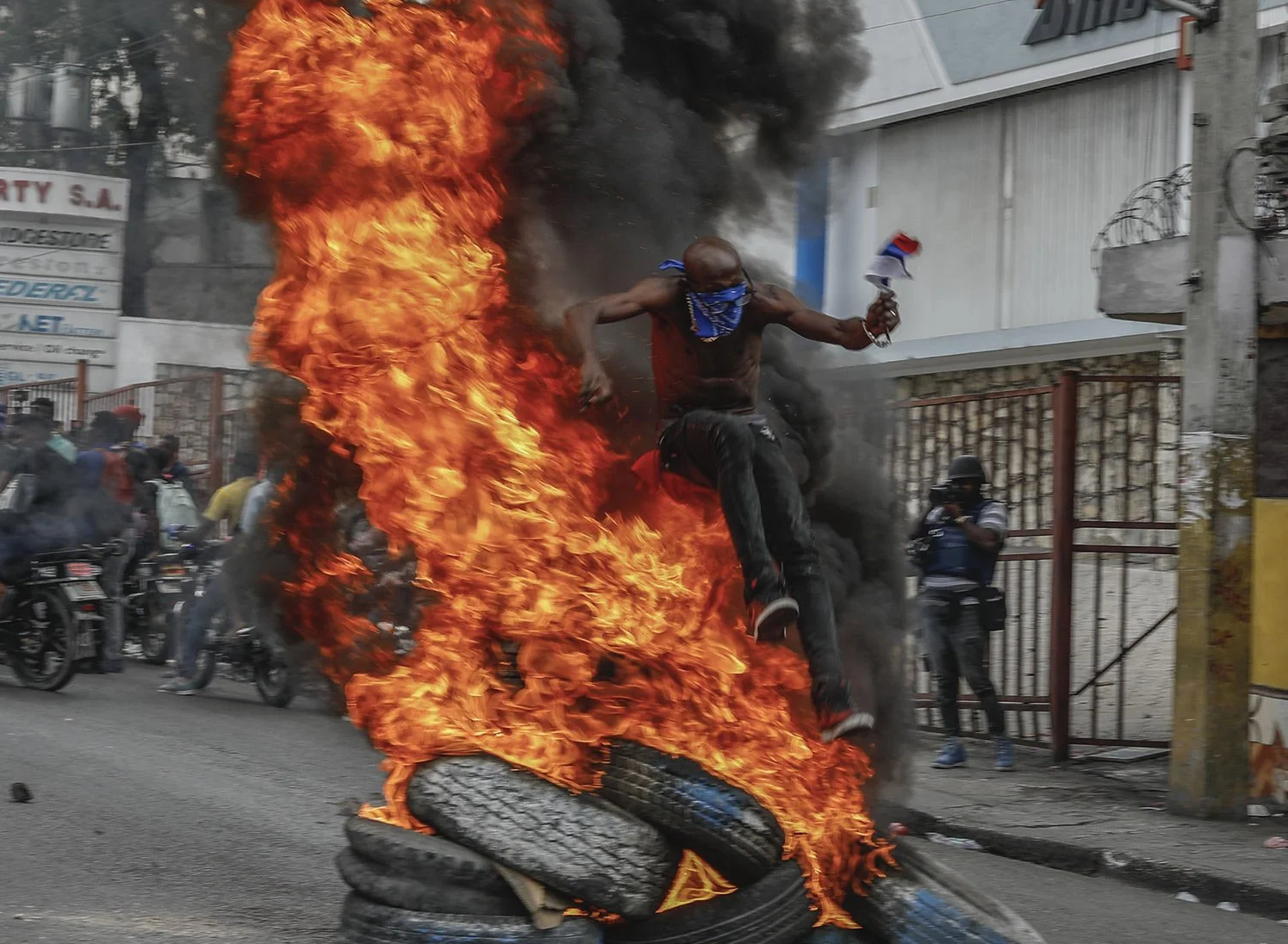
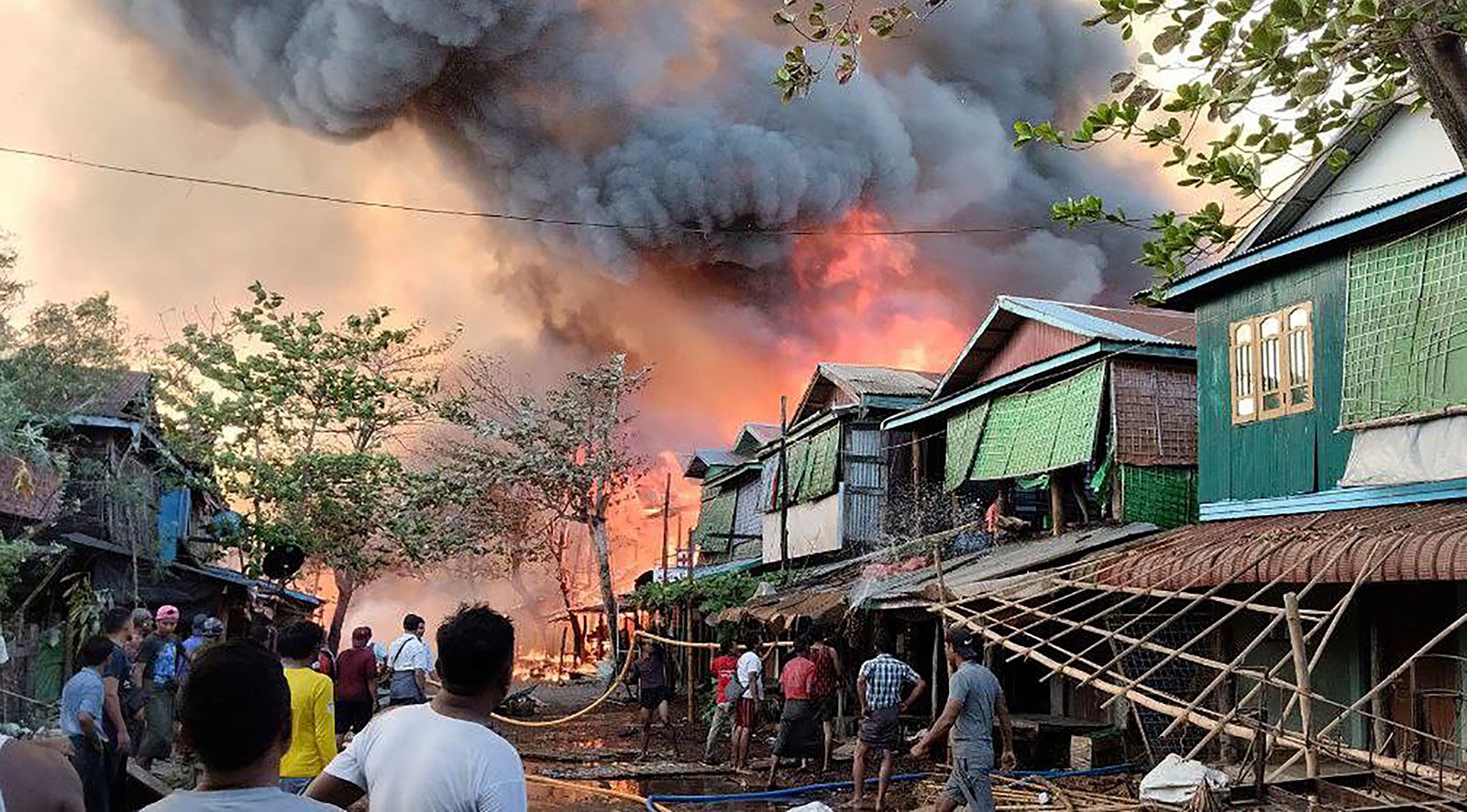
The images that circulated from Nepal carried the visual grammar of modern protest: crowds pressing into government zones, barricades and tear gas, fires in and around official buildings, and a state struggling to project authority without escalating to mass bloodshed. Officials moved to relax or roll back parts of the social media restrictions, but the rollback did not resolve what protesters saw as the real issue: a system that treats accountability as optional and criticism as a threat.
The turning point arrived with remarkable speed. Prime Minister K.P. Sharma Oli resigned on September 9, 2025. The date matters because it captures how quickly legitimacy can collapse when citizens believe a government has responded to civic demands with bullets. Oli’s resignation was celebrated by protesters as proof that pressure works. For elites across the region, it looked like a warning: censorship can become the match that lights a larger fire, and force can accelerate mobilization rather than suppress it.
Nepal’s case also reveals the difficult “after” problem. A resignation is dramatic, but it is not governance. Movements built around broad anger can struggle to translate into policy because they often reject centralized leadership sometimes wisely, to avoid co optation, but sometimes at the cost of negotiation capacity. The next phase depends on whether Nepal’s political system can channel this generational demand into tangible anti corruption reforms, more transparent public hiring, stronger oversight of police conduct, and economic measures that address youth precarity. If the system returns to business as usual, the movement’s victory may prove temporary, and the sense of betrayal could make the next crisis even more volatile.
Still, Nepal’s protests became part of the December 2025 global narrative because they demonstrate two things at once: how powerful a youth movement can be in a brittle democracy, and how quickly a government can lose moral footing once it turns lethal force on its own young people. In the domino logic, Nepal provided both inspiration (a leader fell) and warning (a high human cost).
Cameroon: post election crackdowns and the death of Anicet Ekane
If Nepal shows a political system that bent under pressure, Cameroon shows a system designed to absorb pressure. Cameroon has experienced decades of rule under President Paul Biya, and opposition politics have long operated under heavy constraints. In such environments, elections often become moments of concentrated tension. They offer a formal channel for change, but they also highlight the gap between official results and public belief. When citizens suspect fraud or feel permanently excluded, post election protest becomes both predictable and dangerous.
The state response, however, has been consistent: policing, arrests, and the criminalization of dissent. In late 2025, the detention of Anicet Ekane a veteran opposition figure and president of the African Movement for a New Independence and Democracy (MANIDEM) became emblematic of this strategy. Ekane was not a young radical. He was an elder figure in Cameroon’s opposition ecosystem, which made his arrest an unmistakable message: no stature is immune if the regime decides dissent is dangerous.
Then the story turned tragic. Ekane died in custody on December 1, 2025. Human rights organizations described the death as a scandal that demanded a credible, independent investigation, raising concerns about detention conditions and medical neglect. Within Cameroon’s opposition, the death was not interpreted as an unfortunate accident. It was interpreted as proof of a regime that treats the justice and detention system as political weaponry.
Deaths in custody have a particular political power. They are quieter than massacres in streets; they do not always generate immediate global outrage; but they can carry a lasting symbolic charge. They make repression tangible. They also deepen fear, because they demonstrate that the state can remove a person from public life without due process and the person may never return. In societies where trust is already low, a death in custody rarely produces closure; it produces an enduring question: if this can happen to a prominent figure, what can happen to anyone?
Cameroon’s case highlights the politics of exhaustion. A regime does not necessarily need to persuade citizens it is legitimate; it can sometimes survive by making dissent costly, isolating leaders, and waiting for public energy to drain. But exhaustion is not consent. It is coerced quiet. Over time, coerced quiet can rupture in unpredictable ways, especially when economic pressures rise or elites fracture.
In the December 2025 protest landscape, Cameroon stands as a stark example of authoritarian response: repression without meaningful reform, and the use of security charges and detention to suppress political contestation. The death of Anicet Ekane, and the debate it triggered, is a reminder that democratic decline is not just a score on a chart. It is a lived experience in prisons, courtrooms, and mourning.
Pakistan: protest, pre emption and the internet as a switch
Pakistan’s political life has long included mass mobilization from party rallies to religious marches to spontaneous protests triggered by economic shocks. What has changed in recent years is how often the state turns to the same modern lever to manage unrest: connectivity control. Instead of relying solely on baton charges and arrests, authorities increasingly treat mobile networks and internet access as a security valve.
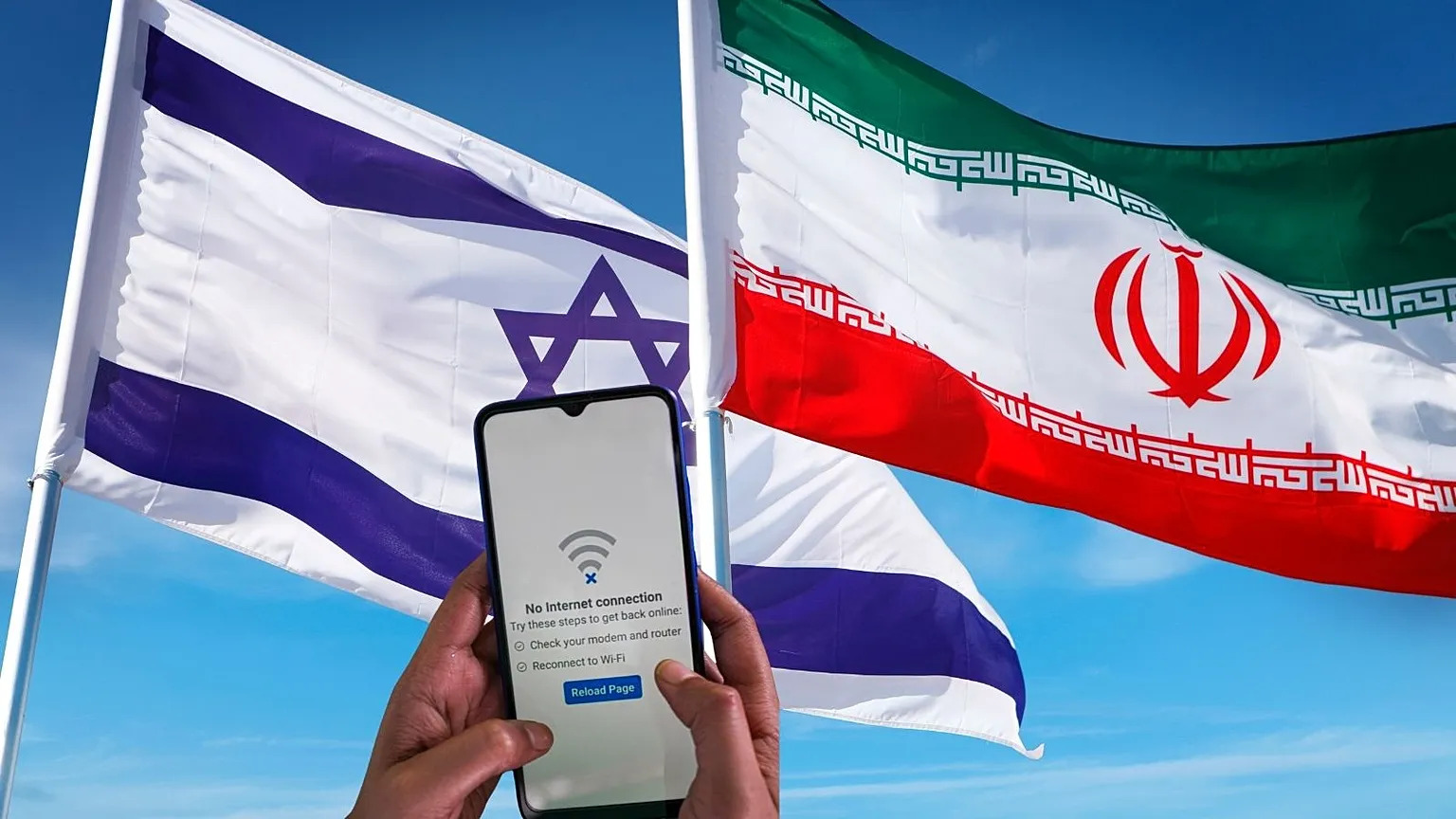
In December 2025, planned demonstrations and marches again prompted pre emptive restrictions in and around Pakistan’s capital. Reports described the suspension of mobile internet service in Islamabad and Rawalpindi Pakistan’s “twin cities” paired with the physical infrastructure of control: road closures, barricades, and shipping containers blocking major routes. Authorities framed the moves as public safety measures, intended to prevent violent coordination or the rapid spread of inflammatory content. The practical impact was broader: ordinary residents lost basic connectivity, businesses were disrupted, and the capital’s daily life became an episode of forced silence.
Pakistan’s pattern fits a global trend documented by digital rights monitors and by Freedom House’s reporting on declining internet freedom. Connectivity blackouts have become increasingly common during elections, protests, and moments of political vulnerability. Governments justify them as counter terrorism or crowd management, but in practice they also limit public scrutiny and reduce the ability of journalists and citizens to report what security forces are doing in real time.
The tactic can be effective in the short term because it breaks the coordination that modern protests often rely on. But it carries political costs. First, shutdowns signal fear. When a state turns off the internet to manage a crowd, it implicitly admits it cannot manage legitimacy through persuasion. Second, shutdowns can radicalize anger by humiliating citizens who feel treated as suspects. Third, shutdowns can amplify rumor. When reliable information disappears, conspiracy narratives rush in to fill the vacuum, and panic becomes more likely.
Protesters adapt, of course. They rely on offline coordination, pre arranged meeting points, and the visible cues of public life: in many cities, the presence of barricades and police indicates a protest day before a single message is sent. Yet shutdowns still alter the balance. They raise the individual risk of participation by reducing access to safety information and making legal aid and monitoring more difficult. They also spread economic harm far beyond the protest zone: payment systems, small businesses, and day to day transactions suffer immediately.
Pakistan’s protests also show how economic stress keeps political anger simmering. When inflation is high, energy costs rise, and employment remains precarious, protests over political disputes become more durable because they connect to daily survival. In such environments, the state’s reliance on coercive and technical tools to manage dissent can become habitual and habituation is itself a marker of democratic backsliding. When emergency measures become normal governance, the boundary between security and politics dissolves.
In the domino effect story, Pakistan represents a modern hybrid form of crackdown: not always mass killing, not always total censorship, but frequent targeted disruption enough to fragment protest without necessarily resolving the underlying grievances.
South Korea: a democracy tested and the lesson of guardrails
It might seem counterintuitive to include South Korea alongside countries facing decades of authoritarian entrenchment. South Korea is a consolidated democracy by many metrics, with competitive elections and strong institutions. But its recent constitutional crisis illustrates something crucial about the global moment: even established democracies can face sudden attempts to rewrite rules through exceptional measures, and protest can become a defense of democratic procedure rather than a demand for a revolution.
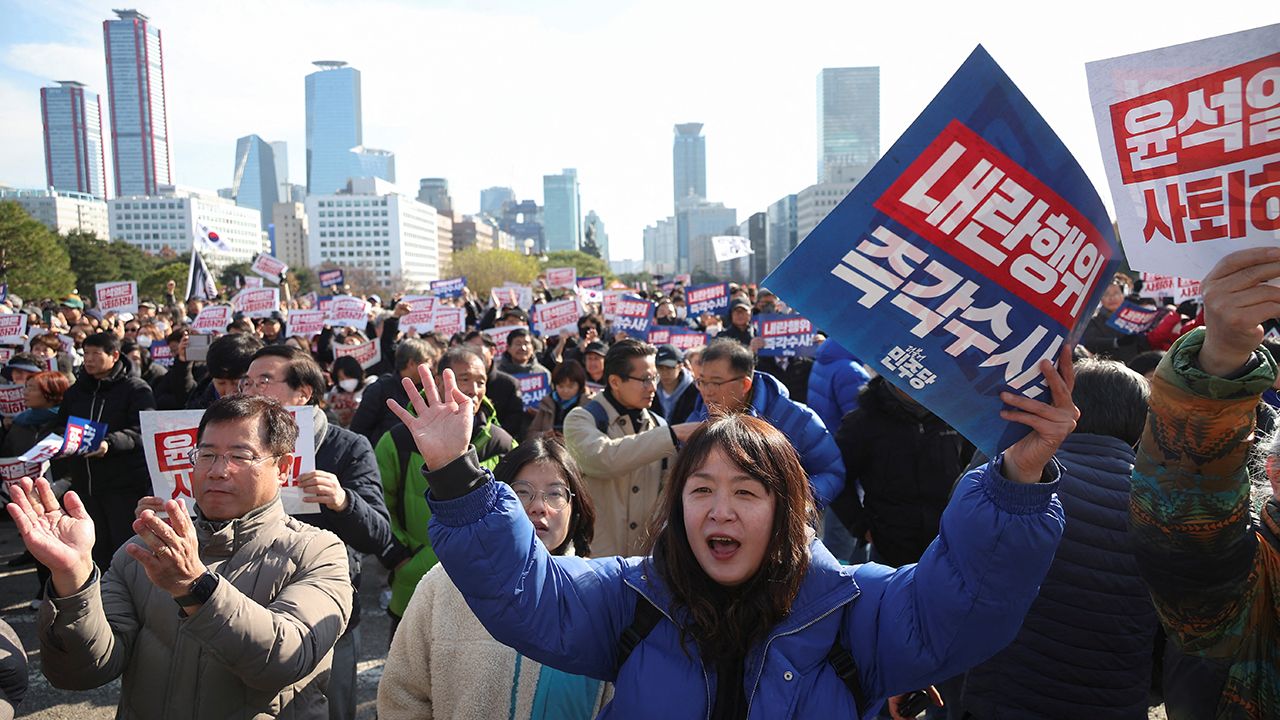
In late 2024, South Korea experienced a dramatic political shock when President Yoon Suk Yeol declared martial law. The move triggered a national crisis that unfolded with extraordinary speed. Citizens mobilized in the streets, lawmakers convened under pressure, and the episode became a referendum on whether democratic guardrails could withstand executive overreach. In 2025, the crisis continued through impeachment and legal processes, with the country’s politics remaining intensely polarized.
South Korea’s case matters for two reasons. First, it shows how democratic institutions can convert protest energy into formal accountability. The crowd outside the legislature did not replace the legal process; it helped protect the space for the legal process to operate. Second, it shows the danger of polarization. Even when institutions hold, the social fractures that make an attempted power grab imaginable do not disappear overnight. Conspiracy narratives, partisan mistrust, and information warfare can weaken guardrails over time, making a future crisis more likely.
In the broader December 2025 protest landscape, South Korea provides a comparative benchmark. It demonstrates that outcomes depend heavily on institutional strength: independent courts, a legislature able to act, professional bureaucracies, and security forces constrained by law. Where those conditions exist, protests can correct rather than collapse. Where they do not, protest can escalate into violence or be suppressed into coerced silence.
The economic engine underneath the politicss
It is tempting to tell protest stories as purely political leaders versus citizens, democracy versus authoritarianism. But across the December 2025 wave, economic grievance appears repeatedly as a stabilizing force beneath the anger. Corruption is not only a moral complaint; it is an economic complaint. It is the suspicion that public money disappears while salaries stagnate, prices rise, and opportunity narrows.
The last few years have been marked by inflation shocks, debt pressures, and uneven recovery from pandemic era disruptions. Even when headline inflation slows, the lived experience can remain punishing because wages and job prospects have not caught up. In many countries, housing costs have surged, energy prices remain volatile, and food insecurity has spiked during localized crises. People may tolerate political scandal when life feels stable; they are far less likely to tolerate it when life feels like constant triage.
This helps explain why protest waves can rise simultaneously in very different political systems. Economic pressure does not respect regime type. It pressures democracies and autocracies alike. The difference is how systems respond. Democracies can, at their best, turn anger into policy shifts through elections, parliamentary negotiation, and transparent reform. Autocracies and hybrid regimes often respond by narrowing space censoring, arresting, and securitizing dissent because policy compromise might weaken elite control.
In Nepal, the generational demand for anti corruption reform was inseparable from a demand for opportunity. In Cameroon, long term political stagnation is intensified by a sense of economic extraction and stagnation. In Pakistan, political conflict takes place against recurring economic instability. Even in South Korea, where living standards are far higher, economic anxiety and social inequality are part of the background conditions that feed polarization and make extraordinary political gambits thinkable.
Carnegie’s analysis of protest drivers repeatedly returns to this blend: hardship is a catalyst, corruption is a target, and democratic decline is the context that makes protest feel necessary rather than optional.
Technology: the protest multiplier and the repression accelerator
If economics is the fuel, technology is the oxygen and it intensifies both protest and repression.
On the protest side, digital tools lower coordination costs. A rally can be organized in hours. Videos of police violence can spread across the world in minutes. Social media platforms allow movements to bypass state aligned media, share evidence, and build solidarity networks. This is why many protest movements feel leaderless: they are coordinated through distributed networks rather than centralized organizations, making them harder to decapitate through targeted arrests.
Nepal’s social media restrictions revealed the new stakes. When governments block platforms, they are not only restricting entertainment; they are restricting civic infrastructure. For younger citizens especially, political discussion and organizing often happen online first, then move into physical space. Blocking the online space is experienced as an assault on citizenship itself.
On the repression side, the story is equally clear and increasingly documented. Freedom House’s reporting on global internet freedom describes a long running decline in online rights, driven by censorship, surveillance, and harassment. Internet shutdowns during protests and elections have become more common worldwide, and groups that track shutdowns have shown how often they occur during politically sensitive moments. Digital surveillance tools ranging from spyware to location tracking to facial recognition can identify participants after the protest ends, changing the risk calculus for citizens.
This is where the domino effect becomes more than metaphor. Governments learn from each other. The use of shutdowns, of broad incitement charges, and of narrative warfare spreads because it is visible and replicable. In December 2025, Pakistan’s targeted shutdowns in Islamabad and Rawalpindi fit a pattern already seen elsewhere: control the capital’s networks to control the capital’s streets.
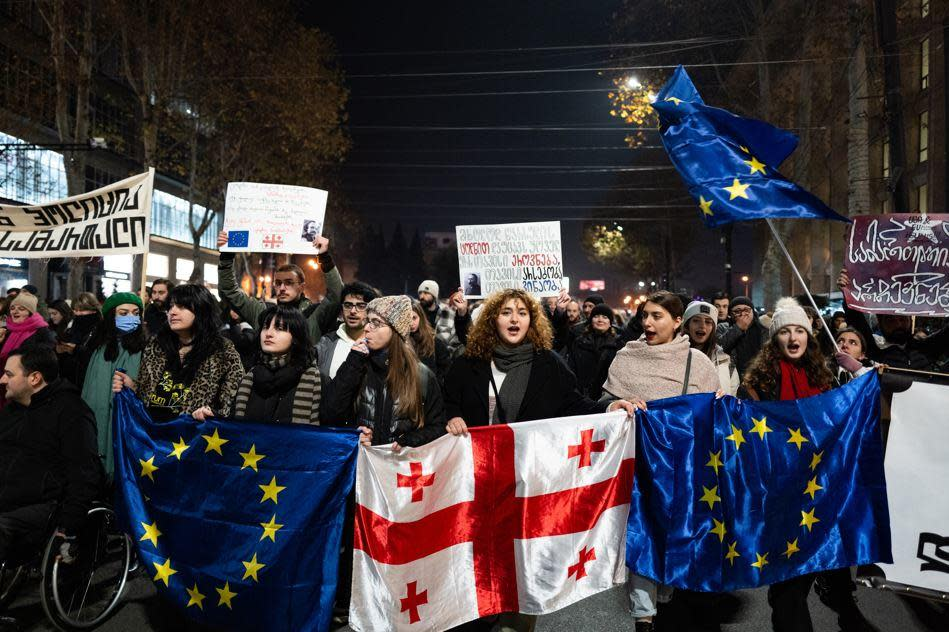
At the same time, protest movements learn from each other too. They adopt counter surveillance tactics, shift to encrypted tools, and develop offline coordination methods. They also learn symbol politics. South Korea’s demonstrations became notable for creative, peaceful imagery that made repression politically costly. Nepal’s youth protests drew energy from generational identity and from regional examples of student driven mobilization. Protest technique travels as surely as crackdown technique.
The consequence is an escalating technological arms race between citizens and states. The outcome depends not only on who has better tools, but on whether legal frameworks and independent institutions constrain how tools can be used and abused.
The patterns of December 2025: how dominos fall
First, trigger events are often symbolic. A social media ban becomes a referendum on voice. A detention becomes a referendum on rule of law. A shutdown becomes a referendum on whether the state trusts its own citizens. Symbols mobilize because they make an abstract grievance concrete.
Second, state responses are increasingly pre emptive. Rather than wait for crowds to gather, authorities restrict movement, cut connectivity, and deploy legal tools to intimidate organizers. The goal is not always to crush a protest violently; it is to fragment it, confuse it, and exhaust it.
Third, violence changes the movement’s moral center. When people die whether in streets, as in Nepal, or in custody, as in Cameroon protest becomes about dignity and accountability, not only policy. That can intensify mobilization, but it can also increase the stakes and the risk of escalation.
Fourth, outcomes depend on institutions and elite cohesion. Nepal’s resignation demonstrates how quickly leaders can fall when legitimacy evaporates and parts of the political elite conclude the situation is unsustainable. South Korea shows how institutions can channel protest into lawful accountability. Cameroon demonstrates how entrenched regimes can absorb protest through repression and exhaustion. Pakistan illustrates a hybrid model where technical and coercive tools manage unrest without resolving grievances.
Finally, the international environment matters. Some governments feel emboldened by weak global enforcement of human rights norms. Others fear reputational damage and sanctions. International attention can protect protesters, but it can also be used by regimes to claim movements are foreign instigated. Protest and repression are increasingly shaped by information warfare at the global leve
The road ahead
As 2025 ends, it is difficult to see the structural drivers of protest fading quickly. Economic pressures remain. Democratic decline remains. Digital repression remains. Youth frustration remains. These are becoming enduring features of the global political landscape.
That does not mean every protest will succeed. Movements can fracture, be co opted, or burn out. They can also produce instability without reform if institutions cannot absorb and transform public demands. The danger is that repeated cycles of protest and crackdown produce only deeper mistrust and more violent confrontation.
Yet the December 2025 wave also shows something hopeful: people are not simply accepting democratic erosion as inevitable. Even under high risk, citizens are still willing to demand accountability. In some cases, they win concrete concessions. In others, they force regimes to reveal their true nature to a broader audience.
The next chapter depends on choices. Governments can treat protest as a security problem and expand repression, betting that exhaustion will win. Or they can treat protest as a governance signal and engage in reform, betting that legitimacy is the only sustainable basis for stability. Civil society can build coalitions that endure beyond a moment of anger, translating street power into institutional change. International actors can decide whether the defense of civic space is a priority or merely a talking point.
The dominos of dissent are still moving. December 2025 was not the end of a story; it was a snapshot of a world in which democracy is challenged, but also contested. The question is whether the contest produces renewal or whether it produces a harsher, more technologically enabled authoritarian era. Either way, the wave made one thing unmistakable: politics is no longer confined to parliaments and press conferences. It is being fought in streets, on phones, and in the thin space between fear and hope.
Civic courage will shape what follows.