The Fall and Rise of Syria: One Year After Assad and the Geopolitical Earthquake That Followed
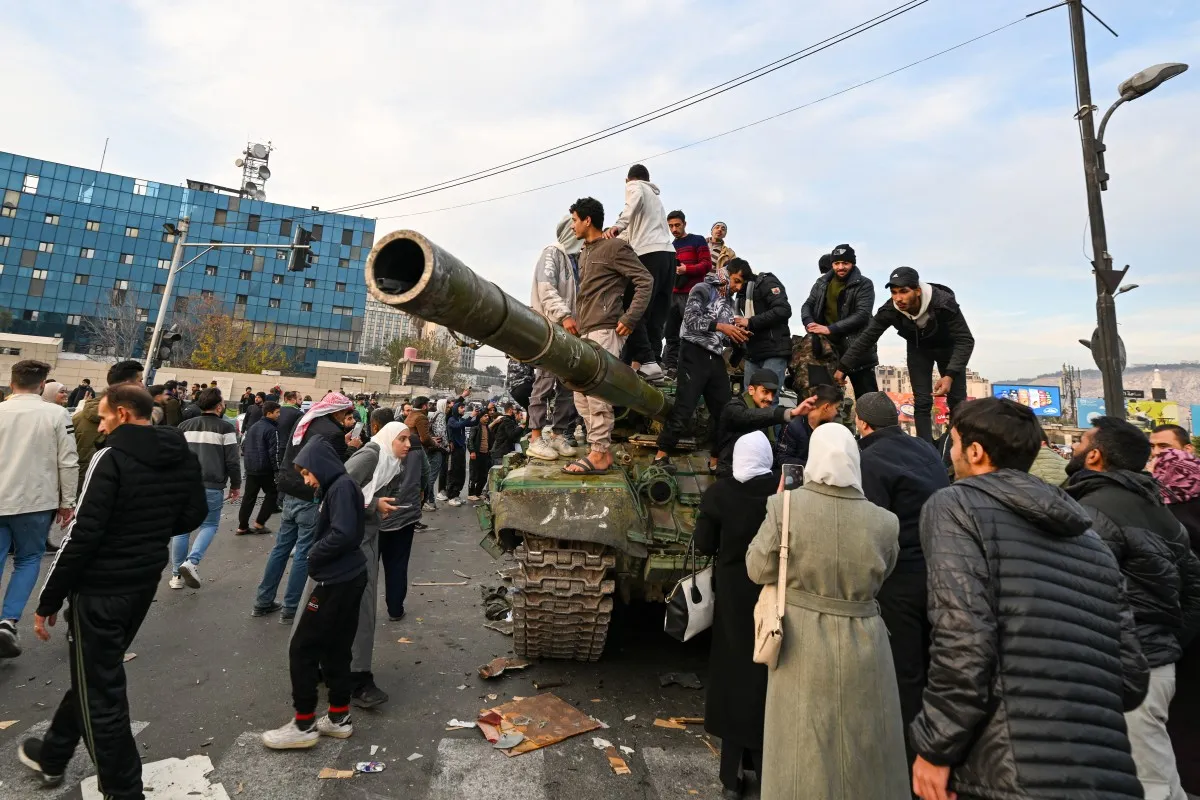
On December 8, 2025, Syrians across major cities like Damascus gathered for fireworks, parades, and military displays to mark one year since rebels toppled Bashar al-Assad, ending 53 years of his family's rule. This swift 11-day offensive by Hayat Tahrir al-Sham (HTS)-led forces in late 2024 shocked global observers, transforming Syria from a pariah state isolated by sanctions into a nation pursuing diplomatic reengagement with regional and international actors. Syria's transition under a new provisional government offers hope for stability amid returns of over 1 million refugees, yet it warns of persistent challenges like sectarian tensions and economic woes in a region prone to upheaval.
December 8, 2025, dawned with jubilant crowds filling Damascus's historic Umayyad Mosque precinct, where President Ahmed al-Sharaa, formerly HTS leader Abu Mohammed al-Jolani— joined celebrations echoing the call to prayer amid billboards proclaiming "One country, one people" and "The dark era is over." Fireworks lit the night sky as tens of thousands danced to music in streets once scarred by civil war, reflecting a collective exhale after 13 years of conflict that claimed over 500,000 lives and displaced nearly 7 million. The lightning offensive began November 27, 2024, when HTS and Turkish-backed Syrian National Army factions launched from Idlib, capturing Aleppo by November 29, Hama on December 5, Homs on December 7, and entering Damascus suburbs by December 7, culminating in Assad's secretive flight to Moscow via Damascus airport early on December 8.
From pariah to partner, Syria's new leadership has logged more diplomatic meetings in one year than Assad's regime did in 54, securing ties with Arab states, Turkey, and even Western actors wary of HTS's past. Over 1.2 million refugees and 1.9 million internally displaced persons have returned, boosting economic signals, though 16.5 million still need aid. Thesis: Syria's path embodies hope through rapid stabilization and global reintegration, but serves as a cautionary tale of fragility where HTS's governance tests inclusive reforms against jihadist roots, ethnic divides, and external meddling in a volatile Middle East.
The Shock That Changed Everything
The fall unfolded in a compressed timeline from November 27 to December 8, 2024, starting with HTS's surprise push from Idlib into Aleppo countryside, seizing villages like Trimbe and Dadikh on November 28 amid regime soldiers surrendering en masse. By November 29, rebels entered Aleppo city center as Syrian army units melted away, with the military citing "large numbers of terrorists" for a "redeployment" that masked collapse; Saraqib fell earlier that day, opening paths south. HTS forces, bolstered by SNA allies, advanced methodically, capturing most of Aleppo by November 30 despite Russian airstrikes and regime reinforcements that failed to halt momentum.
Hama, a regime stronghold for over a decade at a key Damascus-Aleppo crossroads, crumbled on December 5 as rebels breached defenses, prompting another official withdrawal announcement. Homs, the gateway to the capital, fell December 7 when opposition groups seized the center, coinciding with southern Druze-led uprisings in Suwayda demanding regime exit and kamikaze drone strikes on Damascus targets. Assad, facing total disintegration, fled Damascus International Airport in an Il-76 (YK-ATA) to Russia's Khmeimim base then Moscow, granted asylum by the Kremlin, ending Ba'athist rule just 11 days after the offensive began.
This cataclysm capped 13 years of war ignited in 2011, with UN estimates of 306,887 civilian deaths by 2021 alone (likely over 500,000 total including later years), alongside 6.8 million refugees and millions internally displaced. Rebel success stemmed from regime exhaustion, low morale, and HTS's unified command surprising even its leaders, as pro-Assad forces in Aleppo, Hama, and Homs offered minimal resistance.
From Rebels to Rulers
HTS, once al-Qaeda linked, rebranded under al-Sharaa, forming a caretaker government in December 2024 then the Syrian transitional government on March 29, 2025, with an interim constitution for a five-year presidential transition to 2030. Positive steps include justice initiatives, transparency pledges, and SDF integration agreements by March 2025, aiming for border control and anti-regime remnant fights. Yet HRW notes failures in curbing violence, with atrocities persisting amid economic strain and 16.5 million needing aid.
Diplomatic Rebirth
Syria shed pariah status, engaging more internationally in one year than decades prior, with Arab League return, Turkish backing, and U.S. sanction reviews. UN efforts restored services, enabling 1 million+ returns; al-Sharaa's outreach overcame mistrust. Challenges include funding shortfalls hindering reconstruction.
Hope, Hurdles, and Horizons
Returns signal promise, but sectarian strife, HTS dominance, and external influences like Turkey Iran rivalries pose risks. Fragile progress in services offers hope, warning against rushed power grabs. Geopolitics shifted, with Russia weakened, Turkey empowered, eyeing inclusive stability.
Section 2: The New Syria - Power, Politics, and Promises
Ahmed al-Sharaa, once known as Abu Mohammed al-Jolani, emerged as Syria's transitional president after leading Hayat Tahrir al-Sham (HTS) through the 2024 offensive that toppled Assad. Rebranding from his jihadist past, al-Sharaa publicly distanced HTS from global terrorism in early 2025 interviews, emphasizing national unity and minority protections to court international legitimacy. Appointed head of the caretaker government on December 11, 2024, he formalized his role in the Syrian transitional government by March 29, 2025, pledging a five-year handover to elections by 2030.
HTS's history as an al-Qaeda affiliate, designated a terrorist group since 2013, casts a long shadow over its rule. Formed in 2017 from the Nusra Front merger, HTS governed Idlib under a "Salvation Government" blending Sharia courts with civil administration, which evolved into pragmatic service delivery amid sieges. Critics highlight past executions and sectarian rhetoric, yet post Assad, HTS dissolved foreign fighter units and adopted an interim constitution guaranteeing freedoms, women's rights, and no mandatory religious law, moves al-Sharaa framed as "Syrian first" governance.
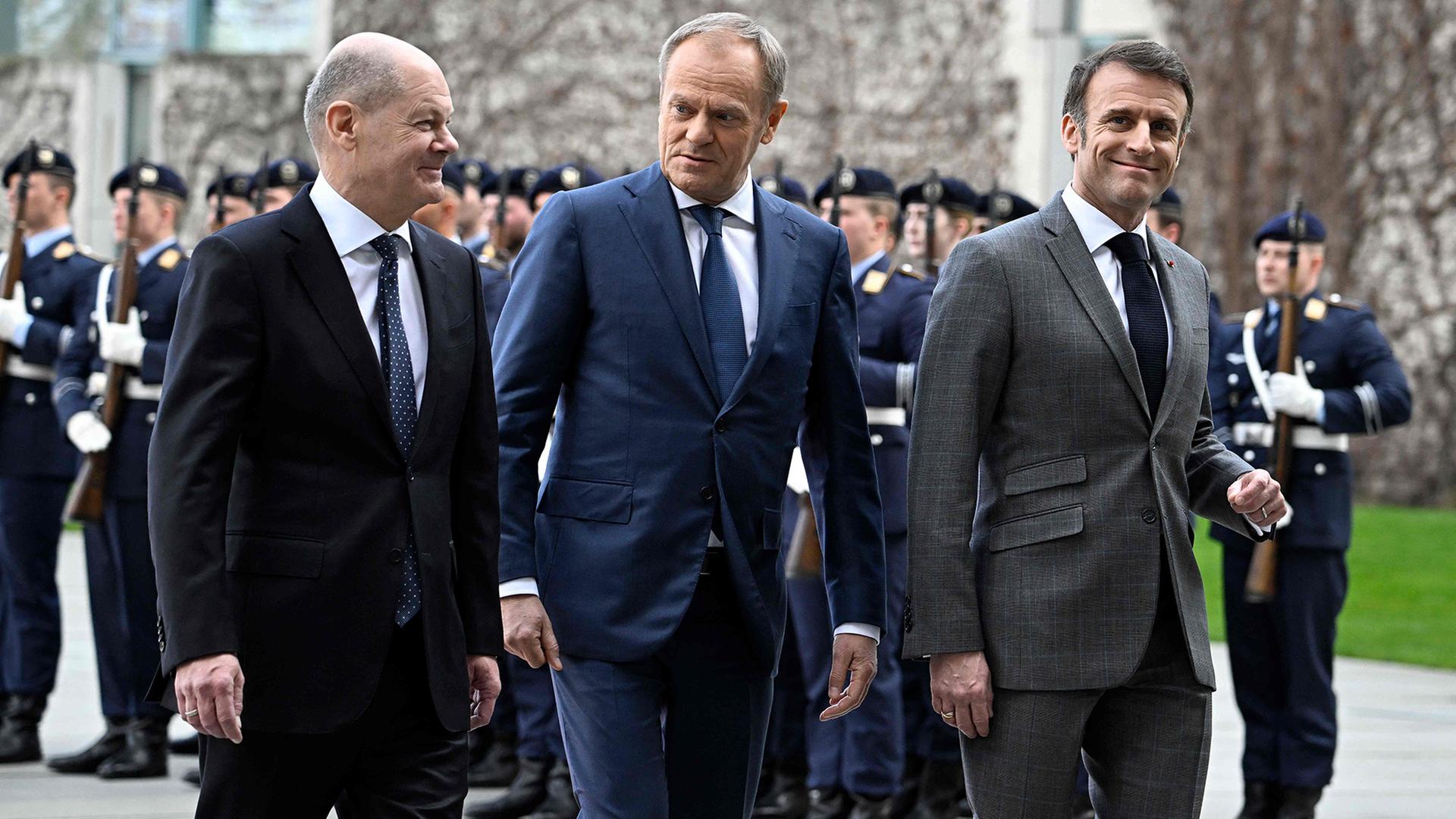
Western engagement accelerated as Syria shed its pariah status. The US initiated sanction reviews in January 2025, lifting some asset freezes by June after HTS commitments to counter-ISIS operations. France and Germany followed with diplomatic visits in April 2025, hosting al-Sharaa in Paris and Berlin to discuss reconstruction aid, conditional on human rights progress. The UK removed HTS's terrorist designation in October 2025, citing its deradicalization and role stabilizing returns of over 1.2 million refugees, a shift from prior blacklisting.
The interim government coalesced rapidly post-fall. On December 14, 2024, HTS announced a broad coalition including Druze, Kurdish, and secular figures, transitioning to the formal Syrian transitional government on March 29, 2025. That day, leaders signed an interim constitution outlining executive powers limited by a consultative assembly, banning torture, and mandating inclusive security forces integrating SDF elements by summer 2025. This framework promises elections after a national dialogue, with UN facilitation, marking a break from Assad's one-man rule.
Yet the core challenge persists: transforming an Islamist rebel group into democratic stewards. HTS dominates ministries, raising fears of theocratic drift despite rhetoric of pluralism. Human Rights Watch documented over 1,000 arbitrary detentions in 2025, mostly ex-regime elements, but also activists protesting slow reforms. Economic woes exacerbate tensions 90% poverty rates linger, with aid inflows tied to inclusivity benchmarks. Al-Sharaa's outreach to Christians and Alawites yielded symbolic gestures like protecting Assad family sites, but ethnic clashes in Sweida and Kurdish areas test unity.
Optimism tempers caution: HTS's Idlib model delivered electricity and wheat where Assad starved opponents, suggesting administrative competence. Turkish backing bolsters border security against remnants, while Gulf pledges of $10 billion in aid hinge on secular signals. Success demands balancing jihadist legacies with power-sharing failure risks factional war, success could model post-authoritarian Arab transitions.
Security Challenges in the New Order
The new Syrian order under HTS-led governance faces persistent security threats that undermine stabilization efforts one year post-Assad. Sectarian violence erupted early, with Alawite coast attacks in March 2025 killing dozens in Latakia and Tartous as revenge clashes targeted former regime loyalists, prompting HTS security forces to impose curfews and deploy joint patrols with local elders. Druze region violence in August 2025 in Suwayda saw militia skirmishes displace 20,000, fueled by demands for autonomy amid accusations of HTS overreach, though a ceasefire brokered by Jordan quelled immediate fighting.
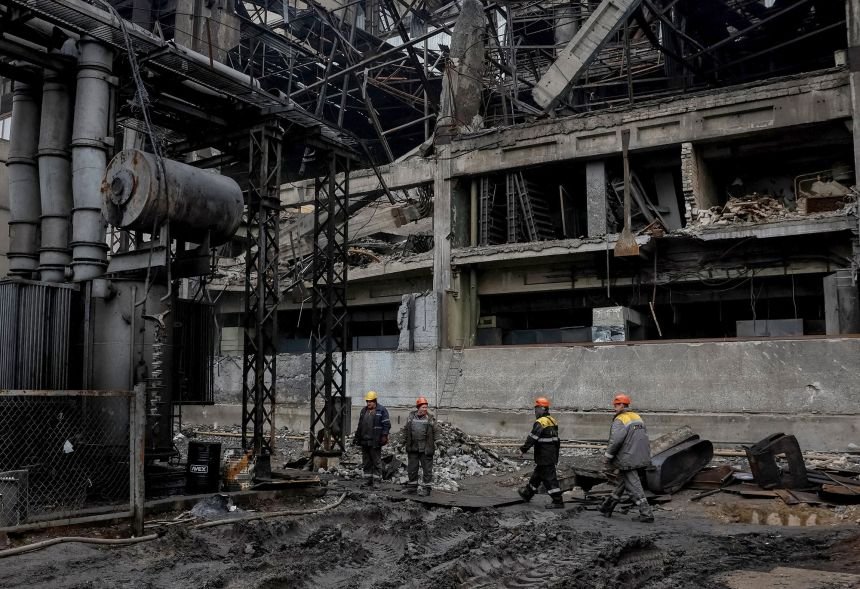
A landmine crisis compounds dangers, with 590 deaths including 167 children, reported since December 2024 from unexploded ordnance in former frontlines like Homs and rural Aleppo. UN demining teams cleared only 5% of contaminated sites by mid-2025, as HTS prioritized urban security over rural hazards, leaving farmers and returnees vulnerable.
Remnants of pro-Assad forces launched sporadic attacks, exemplified by the December 2024 ambush in Tartous that killed 14 Syrian police recruits, signaling Shabiha holdouts' defiance from coastal enclaves. These groups, backed by alleged Iranian smuggling, conducted over 50 hit-and run operations in 2025, targeting checkpoints and HTS officials to sow chaos.
ISIS resurgence concerns intensified, with attacks doubling in 2024 to over 120 incidents in the Syrian desert and Badia region, exploiting power vacuums post-Assad. HTS-US cooperation neutralized several cells by summer 2025, but sleeper threats persist amid 10,000 estimated fighters scattered after regime collapse.
The Kurdish question looms large, with the SDF retaining control over northeast oil fields and Hasakah, resisting full integration into HTS forces despite March 2025 pacts. Turkey demands SDF disbandment, launching cross-border operations in May 2025 that displaced 50,000, pressuring al-Sharaa to balance Ankara's influence against Kurdish autonomy claims. These frictions risk partitioning Syria anew unless federal compromises emerge.
Overall, security gains like reduced barrel bombings contrast with fragile control, where HTS's 100,000-strong forces stretch thin against multifaceted threats, testing the transitional government's legitimacy.
Economic Reality Check
US sanctions lifting, including Caesar Act repeal in June 2025, marked a "pivotal moment" unlocking $50 billion in frozen assets and enabling trade resumption. Yet reconstruction demands dwarf inflows, with World Bank estimating $216 billion needed over a decade for infrastructure ravaged by war.
Only 1.2 million refugees returned out of 6.8 million displaced, deterred by job scarcity and damaged housing, while 7 million internally displaced strain resources. Unemployment hovers at 40%, with hyperinflation eroding the lira despite HTS subsidies on bread and fuel.
Gulf countries pledged $20 billion in reconstruction funds at the 2025 Riyadh summit, but only 10% materialized by December, tied to governance benchmarks amid corruption probes. Individual rebuilding thrives in Damascus markets, where entrepreneurs repair shops sans red tape, contrasting stalled systematic efforts like powerless grid repairs.
Grassroots initiatives fill voids, from microloans by returnee networks to Turkish firm investments in Aleppo textiles, hinting at bottom-up recovery potential.
International Chess Game
Russia suffered a strategic blow with the loss of its Tartus Mediterranean naval base and diminished regional clout following Assad's fall, as HTS forces secured the coast by early 2025 despite Moscow's protests. Once a key ally propping up Assad with airstrikes, Russia evacuated assets amid rebel advances, retaining only a token presence at Khmeimim airbase under negotiated terms, signaling the Kremlin's weakened Middle East footprint.
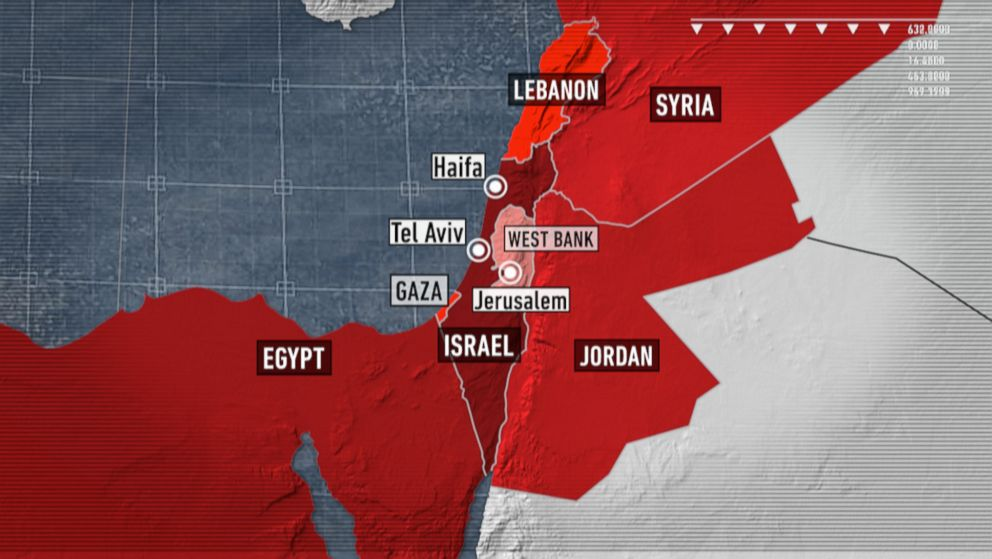
Iran's prized land bridge to Hezbollah in Lebanon severed abruptly, as opposition forces captured the strategic M5 highway from Damascus to the border, disrupting Tehran's supply lines to proxies. Hezbollah's depleted ranks, strained by Gaza conflicts, prompted Iranian retreats from Deir ez Zor, leaving militias fragmented and prompting Supreme Leader Khamenei's rare acknowledgment of "setbacks" in December 2025.
Israel expanded its Golan Heights buffer zone, conducting preemptive strikes into southern Syria in January 2025 to neutralize remnant threats, establishing outposts up to 20 km deep amid quiet HTS acquiescence. This de facto annexation, justified as security measures, drew UN condemnations but bolstered Tel Aviv's defenses against Iranian resurgence risks.
Turkey reaped strategic gains, cementing influence over northern Syria through SNA allies and border patrols, positioning Ankara as HTS's chief backer with $5 billion in reconstruction loans. Erdogan's mediation in Kurdish talks enhanced Turkey's leverage, transforming Idlib from liability to buffer against refugees and PKK threats.
The US maintains 2,000 troops in eastern oil fields under President Trump's administration, with plans announced in September 2025 to reduce to 500 by mid-2026, prioritizing counter-ISIS over nation-building. Aid resumed post-Caesar repeal, but Washington conditions full withdrawal on HTS deradicalization proofs.
The European Union pursues cautious reengagement, channeling €2 billion in humanitarian aid through UN channels while delaying embassy reopenings pending minority rights verifiable progress.
Conclusion: Hope Tempered by Realism
One year post-Assad yields fragile peace, with streets alive in Damascus yet punctuated by checkpoints and unresolved grievances from 13 years of war. Celebrations on December 8, 2025, masked simmering divides, as 16.5 million still require aid amid uneven service restoration. Transitional justice remains incomplete, fixated one-sidedly on Assad-era crimes over 100,000 documented cases while HTS abuses like detentions evade scrutiny, eroding trust among Alawites and activists.
Human Rights Watch warns the window of opportunity may close, citing stalled inclusivity as risks of factional strife mount. Syria tests avoidance of Libya or Iraq pitfalls: power monopolies bred chaos there, demanding here genuine pluralism over HTS dominance. The international community must support by enforcing aid conditionality on reforms, facilitating dialogue via UN-led conferences, and pressuring Turkey-Iran proxies to de-escalate. Direct HTS engagement, as France models, balances incentives with benchmarks.
Key 2026 metrics to watch: refugee returns surpassing 2 million, unemployment dipping below 30%, constitution ratification by mid-year, and zero major sectarian clashes quarterly gauges of sustainable transition