South Korea's Democratic Crisis: How a Failed Coup Exposed Deep Fractures in Asian Democracy
On December 3, 2024, at 10:27 p.m. KST, President Yoon Suk Yeol stunned the nation with a televised address declaring martial law for the first time in over four decades, accusing opposition lawmakers of "anti-state activities" and collusion with "North Korean communists." Troops from the Army Special Warfare Command swiftly mobilized, storming the National Assembly gates as helicopters hovered overhead, while soldiers blocked entrances and seized control of broadcasting stations in a bid to silence dissent. Lawmakers, defying razor-wire barricades and armed guards, climbed fences and broke windows to enter the chamber, where 190 of 300 parliamentarians crossing party lines unanimously voted at 1:02 a.m. on December 4 to overturn the decree, forcing Yoon to lift it by 4:30 a.m. after just six hours.
This midnight drama shattered 40 years of democratic stability since the 1987 uprising ended military rule, exposing raw political polarization in Asia's fourth-largest economy. Yoon's desperate gambit, amid impeachment threats and budget battles, revealed institutional fragility and elite willingness to subvert constitutional norms, echoing authoritarian echoes in a beacon of democratic success. Beyond South Korea, it signals alarms for Asian politics in 2025: from democratic backsliding in neighbors like Thailand to eroding checks in Japan, underscoring how economic giants harbor authoritarian temptations amid populist surges. Yoon's impeachment on December 14 and ongoing Constitutional Court trials amplify the crisis, testing whether Seoul can heal or fracture further.
The Night Democracy Almost Died
At precisely 10:23 p.m. on December 3, 2024, President Yoon Suk Yeol appeared on all major networks for an unannounced emergency address, declaring martial law four minutes later at 10:27 p.m. KST. He branded the opposition Democratic Party (DPK) holding a National Assembly supermajority as an "anti-state den of criminals" engaging in "legislative dictatorship," impeaching his ministers and slashing his 2025 budget to thwart governance. Yoon invoked threats from "pro North Korea factions" and "communist forces," urging citizens to endure "inconveniences" while promising to "eradicate" these elements to "save the country from ruin."
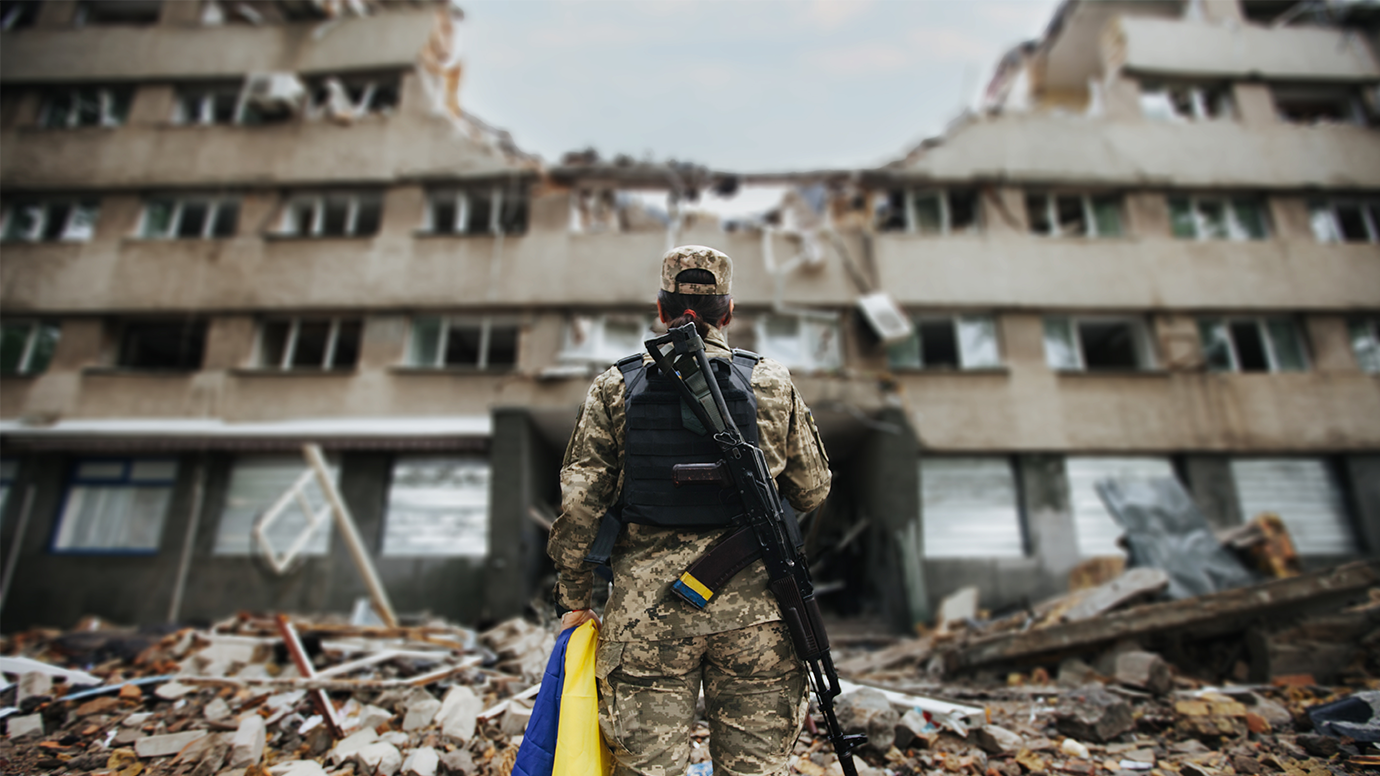
By 11:00 p.m., the military executed orders with alarming speed: the Martial Law Command, under Army General Park An-su, issued decrees retroactive to 11:00 p.m., banning political activities, assembly, strikes, and media reporting without approval, while authorizing warrantless arrests and media seizures. Troops from the 707th Special Mission Group and Capital Defense Command surrounded the National Assembly in Yeouido, erecting barricades, cutting power selectively, and deploying over 200 soldiers to lock doors and block entrances. Simultaneously, Army units took MBC headquarters, halting broadcasts, while police raided the Democratic Party offices, arresting aides on vague sedition charges.
Dramatic scenes unfolded as opposition leader Lee Jae-myung rallied lawmakers via KakaoTalk, prompting a frantic scramble: by midnight, over 100 parliamentarians 172 from the DPK and 18 from Yoon's People Power Party (PPP) rebels supporting Speaker Woo Won-shik arrived amid chaos. Videos captured lawmakers scaling perimeter fences, smashing side windows with hammers, and shoving past bayonet-wielding soldiers who initially refused entry, citing orders. Inside the darkened chamber, lit by phone flashlights, Speaker Woo convened an emergency session at 12:48 a.m., reading the constitution aloud before 190 members voted unanimously at 1:02 a.m. to recommend lifting martial law a non-binding but politically binding rebuke under Article 77 requiring presidential notification.
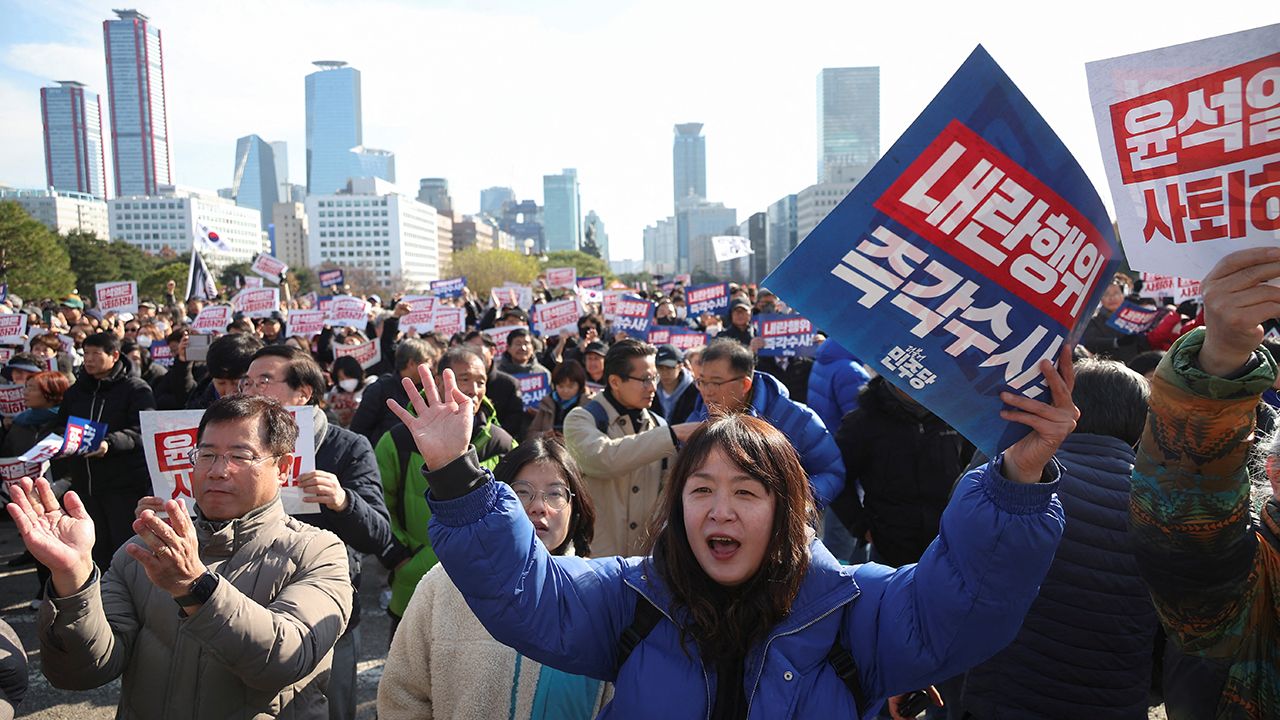
As dawn broke, Yoon convened his cabinet at the Blue House, facing mass protests swelling to 200,000 nationwide and military hesitation many officers refused lethal force orders. At 4:30 a.m., he grudgingly lifted the decree, disbanding the Martial Law Command by 5:00 a.m., but the damage lingered: global markets plunged, the won depreciated 2%, and Yoon's approval cratered to 17%. Defense Minister Kim Yong-hyun, who greenlit deployments, resigned on December 5 amid investigations, later attempting suicide in detention after his December 8 arrest for insurrection charges. Yoon apologized on December 7 as an "act of governance," but protests demanding impeachment peaked at 1 million by December 10.
This six-hour ordeal, the first martial law attempt since Chun Doo-hwan's 1979 coup, laid bare Yoon's isolation abandoned by his party, military, and public yet exposed constitutional loopholes, like lacking prior Assembly notice, fueling South Korea's democracy crisis into 2025 Constitutional Court deliberations.
The Evidence of a Planned Coup
Investigations swiftly uncovered evidence suggesting President Yoon Suk Yeol's martial law declaration was not a spontaneous reaction but part of a premeditated scheme to consolidate power amid mounting political pressure.
Noh Sang-won's Arrest and the NotebookOn December 15, 2024, former Defense Intelligence Command chief Noh Sang-won was arrested on insurrection charges, becoming the highest-ranking officer implicated in the plot. Raids on his office yielded a notebook detailing operational plans, including scenarios to "induce a North Korean attack" near the Northern Limit Line (NLL) maritime border, framing the opposition as pro-Pyongyang traitors to justify emergency powers.
Allegations of Staged ProvocationsProsecutors alleged military personnel were prepared to disguise themselves as North Korean infiltrators, staging incursions to provoke a crisis. Leaked documents referenced "Operation Shadow Wolf," involving 707th Special Forces units planting fake DPRK uniforms and weapons caches along the western sea border, timed to coincide with martial law enforcement. These tactics echoed Cold War-era provocations but aimed to manufacture consent for Yoon's rule extension, bypassing impeachment votes.
Joint Chiefs' Denial and Yoon's DefenseThe Joint Chiefs of Staff issued a vehement denial on December 20, 2024, refuting claims of "provoking North Korean aggression" and asserting no such operations were authorized. Admiral Kim Myung-soo testified that preliminary briefings on December 2 mentioned "border contingencies" but lacked specifics, with commanders expressing unease over legality. Internal memos revealed Yoon's inner circle, including National Security Director Jang Ho-jin, pressured intelligence units to fabricate intelligence on DPK lawmakers' alleged North ties, drawing from discredited 2023 election interference probes.
Yoon's legal team countered fiercely, framing the martial law as a "temporary warning" to alert the public to "existential threats" from opposition gridlock. In a December 18 court filing, lawyers argued the six-hour duration proved restraint, not coup intent, and cited Article 77's presidential prerogative without prior Assembly consultation. They dismissed the notebook as "hypothetical wargaming," not executable orders, while accusing prosecutors of politicized overreach amid Yoon's 17% approval slump.
Constitutional Court Reveals Systematic PlanningThe Constitutional Court launched a formal investigation on January 10, 2025, subpoenaing 50 military officials and seizing Blue House communications. Hearings revealed systematic planning: encrypted KakaoTalk chats from November 20 showed Yoon directing "contingency drills" escalating to full martial law if budget cuts passed. Witnesses, including resigned Defense Minister Kim Yong-hyun who attempted suicide December 8 confirmed Oval Office meetings on December 1 where Yoon allegedly said, "We take the Assembly if they force our hand." Forensic analysis of Noh's notebook, dated November 28, outlined phases: Phase 1 media blackout, Phase 2 Assembly siege, Phase 3 "external provocation" to rally support.
Further revelations implicated elite units: 1st Army Corps logs indicated troop mobilizations rehearsed November 30 under "anti-terror exercises," positioning armored vehicles near Yeouido bridges. Pyongyang's state media mocked the fiasco as "Yoon's self-coup," denying involvement but warning of retaliation, heightening peninsula tensions. By February 2025, 12 arrests including three generals solidified the coup narrative, with indictments citing violations of Article 87 prohibiting military politicization.
This evidence trail transformed public outrage into a democratic reckoning, fueling Yoon's December 14 impeachment by 204-85 Assembly vote and ongoing 2025 trials. It exposed how a cornered leader weaponized national security pretexts, eroding trust in institutions and amplifying South Korea's democratic backsliding fears amid Yoon Suk Yeol impeachment proceedings.
Political Polarization and the Road to Impeachment
South Korea's political landscape fractured further in the wake of the martial law fiasco, with polarization propelling Yoon Suk Yeol toward impeachment amid unprecedented cross-party reckoning.
First Impeachment Vote FailsOn December 7, 2024, the National Assembly convened for the first impeachment motion against Yoon, tabled by the opposition Democratic Party (DPK) citing insurrection and constitutional violations. The vote failed to reach quorum when 109 ruling People Power Party (PPP) lawmakers boycotted, staging a walkout to shield their leader and decrying the motion as a "witch hunt." Chaos ensued as DPK members physically blocked exits, but with only 190 votes cast short of the required 200 Speaker Woo Won-shik adjourned amid fistfights and shouts of "traitors." Yoon hailed the outcome as a "victory for democracy," but public fury swelled, with candlelight vigils drawing 500,000 protesters nationwide demanding accountability.
Second Vote Succeeds DecisivelyMomentum shifted by December 14, as PPP defections eroded Yoon's defenses. In a tense session, 204 lawmakers 192 DPK, 12 PPP rebels, and independents voted yes against 85 noes, surpassing the two-thirds threshold under Article 65. The rebels, led by Rep. Ahn Cheol-soo, cited "betrayal of the people" and martial law evidence, marking the first cross-party impeachment since 2004. Yoon's suspension took immediate effect, stripping his powers and triggering 60-day Constitutional Court review. Celebrations erupted in Gwanghwamun Square, but PPP hardliners vowed Supreme Court challenges, deepening elite divides.
Acting President Han Duck-soo ImpeachedInterim stability crumbled when Acting President Han Duck-soo, Yoon's loyal prime minister, was impeached on December 27 for refusing special prosecutor appointments into the martial law probe. Han's 192-0 vote impeachment another unanimous rebuke left Finance Minister Choi Sang mok as acting head, paralyzing governance amid budget deadlocks and a 1.5% GDP growth forecast slash.
Constitutional Court DeliberationsThe Constitutional Court, comprising eight justices (one vacancy), launched exhaustive hearings from January 2025, reviewing 15,000 pages of evidence including Noh's notebook and military logs. Over four months, 120 witnesses testified, from generals to KakaoTalk forensics experts, debating Article 77's scope and Yoon's "governance act" defense. Public galleries overflowed, with livestreams drawing 10 million viewers per session.
The "Stop the Steal" Movement Goes Global
The martial law crisis birthed a domestic "Stop the Steal" movement mirroring U.S. election denialism, as Yoon loyalists and conservatives amplified conspiracy theories to delegitimize democratic institutions.
Election Fraud Conspiracy TheoriesYoon and hardline PPP figures propagated claims that the April 2024 general election—where DPK secured 175 seats was rigged by "Chinese hackers" infiltrating electronic voting systems. Yoon's December 5 speech alluded to "foreign interference" without evidence, echoed by Rep. Kim Gi-hyeon who cited "anomalous vote spikes" in Incheon, drawing from debunked 2020 U.S. Dominion theories. Far-right YouTubers like "Patriot Korea" garnered 5 million views alleging CCP servers manipulated 10% of ballots, fueling distrust in the National Election Commission.
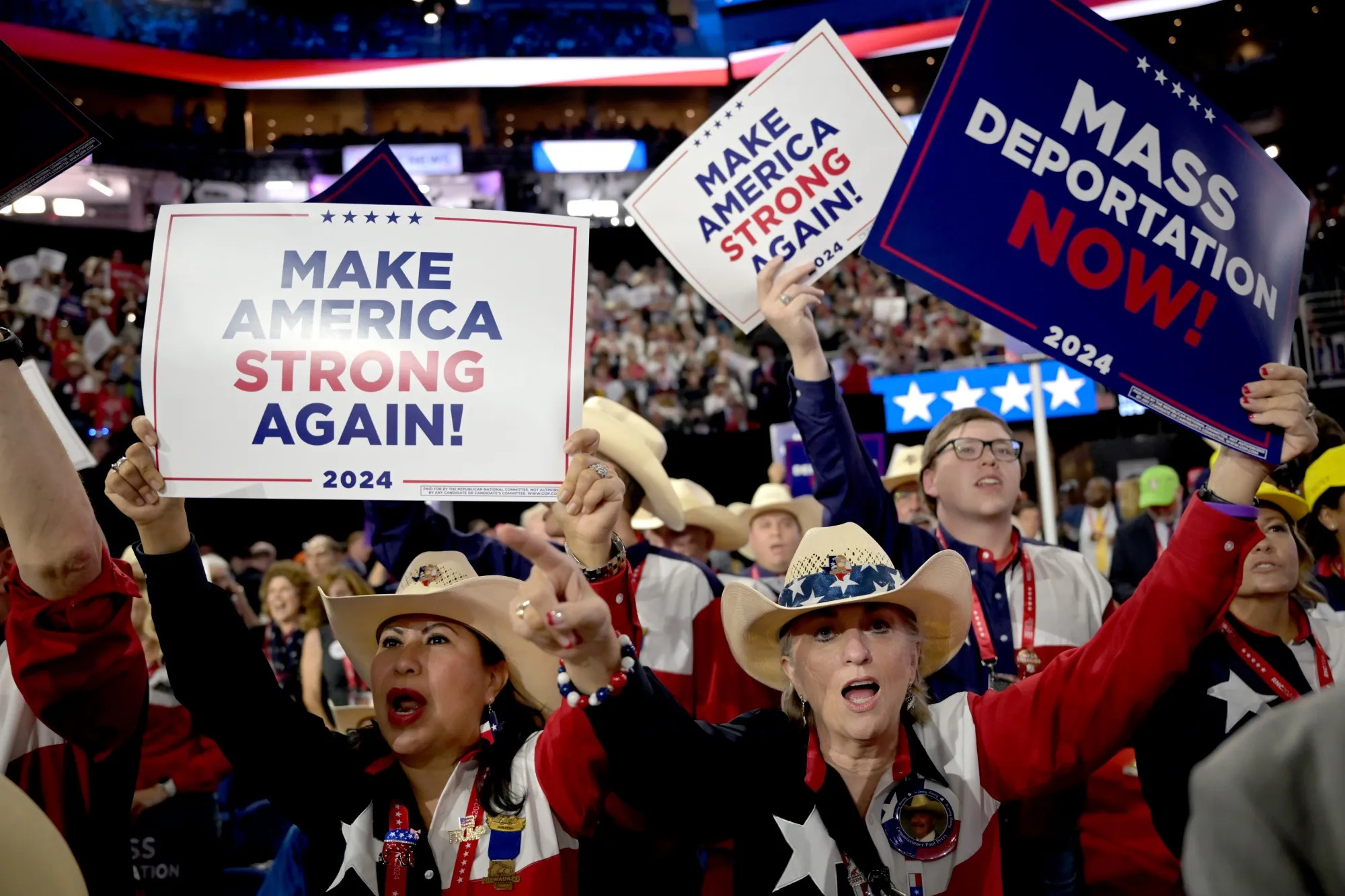
MAGA-Style Rallies EmergePro-Yoon rallies adopted MAGA aesthetics: red "Stop the Steal" hats, "Make Korea Great Again" banners, and chants of "Fight like hell!" flooded Seoul's COEX and Gwanghwamun by mid December 2024. Crowds of 50,000 on December 21 waved Trump flags alongside Korean taegeukgi, with speakers invoking "deep state" cabals of "pro-China leftists." U.S. conservative influencers like Steve Bannon praised Yoon via X posts, dubbing it "Asia's Jan 6 moment," amplifying global reach.
January 19 Courthouse StormingTensions peaked January 19, 2025, when 3,000 far-right protesters many ex-soldiers stormed the Seoul Central District Courthouse during Yoon's arraignment hearing. Masked groups shattered windows, erected barricades with police tape, and chanted "Yoon is innocent!" as riot police deployed water cannons, injuring 47. Livestreams showed parallels to U.S. Capitol riot: zip-tie handcuffs prepared for "traitor judges," QAnon symbols, and Proud Boys-inspired tactics. Eighteen arrests followed, with ringleaders charged under anti-terror laws.
Parallels to U.S. January 6 and Social Media's RoleExplicitly modeled on January 6, 2021, the courthouse breach featured pipe bombs found nearby and calls to "hang the thieves," per Telegram channels. KakaoTalk superchats funded logistics, while X (formerly Twitter) and YouTube algorithms boosted #YoonInnocent to 2 billion impressions, evading Korean fact-checkers via VPNs. Elon Musk's platform changes post-2024 U.S. election enabled disinformation floods, with 70% of Yoon supporters per polls believing fraud claims by February 2025. This digital echo chamber radicalized youth, blending Korean ultranationalism with trans-Pacific populism.
The movement's globalization underscores democratic backsliding contagion, as Yoon's base rejects Constitutional Court verdicts, sustaining polarization into 2026 snap elections.
Regional and Global Implications
The martial law crisis reverberated across Asia and beyond, upending South Korea's alliances and exposing vulnerabilities in the U.S.-led order against authoritarian rivals.
U.S. Investment in Yoon UnderminedWashington had heavily backed Yoon as a hawkish ally countering North Korea's missile tests and China's South China Sea assertiveness, with $12 billion in arms sales since 2022. The December 3 debacle prompted Biden's December 4 condemnation as a "democratic backslide," freezing joint drills and prompting Pentagon reviews of intelligence sharing. By April 2025, U.S. Ambassador Philip Goldberg warned of eroded trust, with Yoon's ouster forcing recalibrations amid 28,500 American troops facing politicized commands.
Fragile Détente with Japan WobblesSeoul-Tokyo ties, thawed by Yoon's 2023 forced labor deal, soured as Japanese PM Fumio Kishida suspended intelligence pacts post-martial law, citing "instability risks." Comfort women protests reignited, with Kishida's April 2025 visit canceled amid 70% Korean opposition per polls. The "wobbly" trilateral U.S.-ROK-Japan framework frayed, delaying Camp David summits and exposing historical fractures exploited by Beijing.
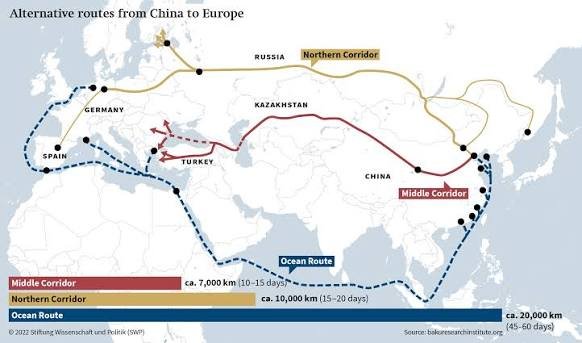
Lee Jae-myung's Election Shifts PolicyProgressive Democratic Party leader Lee Jae-myung won the June 3, 2025, snap presidential election with 52% against PPP's Kim Moon-soo, skeptical of the U.S.-Japan alliance and favoring "balanced diplomacy." Lee's platform prioritized engagement with China via economic corridors and North Korea through humanitarian aid, criticizing Yoon's "confrontational" stance. Inaugurated June 4, he hosted Xi Jinping in July, signing $20 billion trade deals while pausing THAAD expansions.
Potential Broker in Trump-Kim DiplomacyLee's dovish lean positions him as a broker if President Trump reelected November 2024 revives Kim Jong Un summits. Lee's July 2025 Pyongyang envoy signaled openness to denuclearization talks tied to sanctions relief, echoing Moon Jae-in's 2018 playbook. Analysts see Seoul mediating U.S.-DPRK tensions, though Pentagon hawks worry of alliance dilution.
Pentagon Concerns Over U.S. TroopsWith 28,500 troops at bases like Camp Humphreys, the Pentagon flagged risks of domestic unrest spilling into operations, including January 2025 courthouse riots near U.S. facilities. A February classified memo urged contingency plans for evacuations, amid fears of politicized military echoing Yoon's martial law ploy.
These shifts underscore Asian politics 2025 volatility, with South Korea's crisis weakening the anti-China front and inviting Beijing's courtship.
Conclusion: Lessons for Democracy Worldwide
South Korea's saga marks the second presidential impeachment in eight years following Park Geun-hye's 2017 removal highlighting democracy's dual edges. Swift institutional responses, from Assembly defiance to unanimous Constitutional Court verdict, showcased resilience against authoritarian overreach, restoring faith via candlelight vigils and 80% approval for Lee's election. Yet weaknesses persist: electoral systems enabled Yoon's 2022 victory despite scandals, fostering polarization unable to filter "bad leaders." The "Stop the Steal" surge eroded norms, blending populism with extremism akin to global trends. Warning signs for democracies: military politicization, disinformation floods, and elite coup flirtations demand vigilant judiciaries and media. Healing divisions hinges on Lee's national unity council and 2026 reforms, but deep PPP-DPK rifts test South Korean democracy crisis recovery.
Recent Posts