
The AI Shield: Why the Global Economy Isn't Crashing
The global economy is defying the doomsayers. Despite trade wars, geopolitical flare ups, and recession fears, growth has held steady. In January 2026, the IMF’s World Economic Outlook update delivered a paradoxical message: global output is growing at 3.3% hardly the catastrophe one might expect amid such turmoil. How is it possible that with tariffs flying and uncertainty surging, the world economy isn’t crashing? The answer lies in an unlikely stabilizer: a technology and investment boom an “AI shield” that is offsetting many of the headwinds. This article examines the latest IMF projections and Davos debates, exploring how surging tech investment, adaptive policy, and plain old resilience are buying the global economy time in a high risk era.
Resilient Growth Amid Geopolitical Tensions
By all accounts, 2025 was a stressful year: trade policies shifted dramatically, political risks spiked, and businesses braced for a downturn. Yet the IMF’s January 2026 outlook reveals that global growth is holding up better than expected. The Fund now projects world GDP to expand 3.3% in 2026, a slight upward revision from its last forecast, matching the solid ~3.3% growth estimated for 2025. In other words, the much feared slump hasn’t materialized growth remains resilient in the face of adversity.
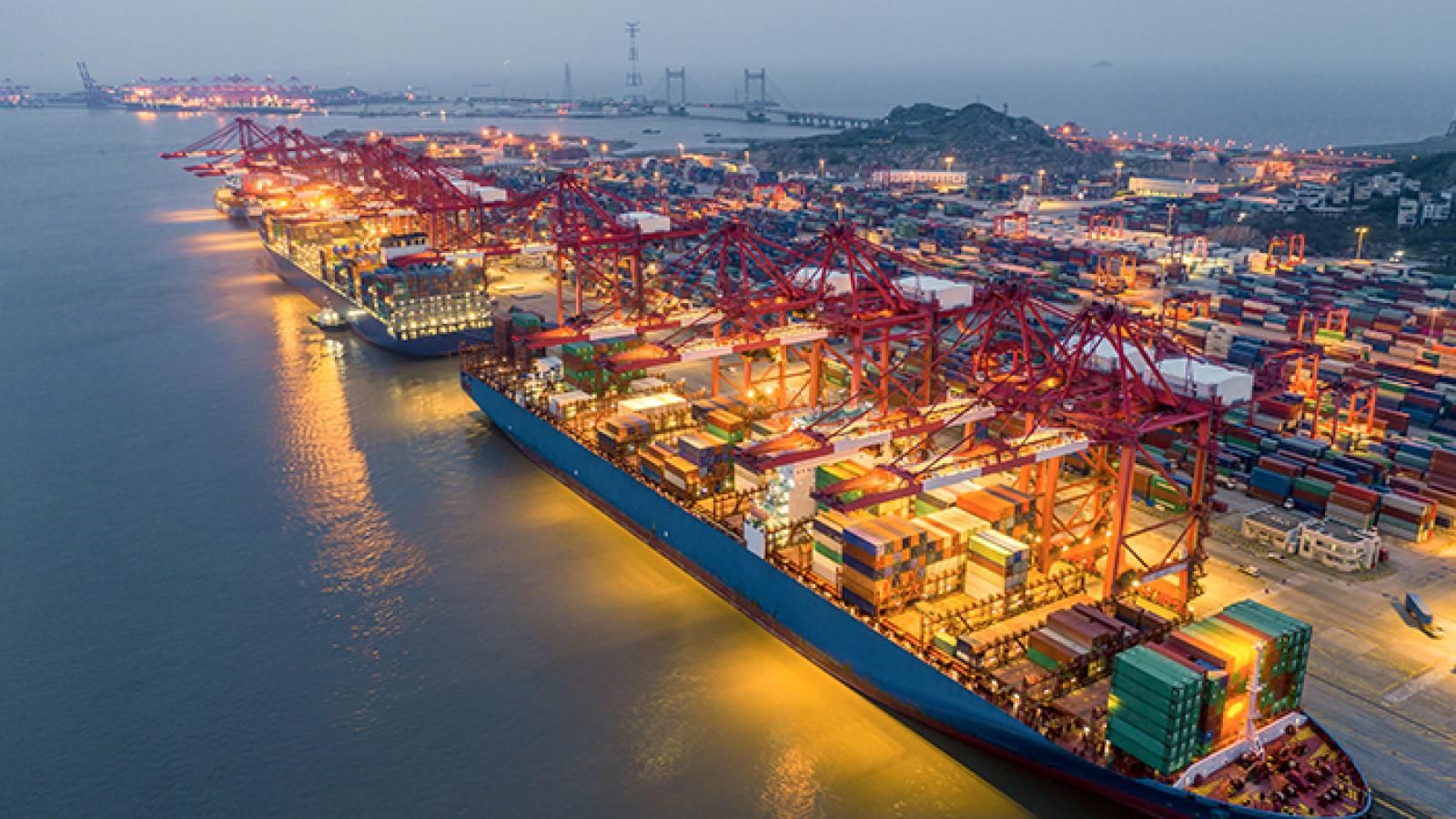
What’s behind this surprising strength? In short, the global economy has been able to “shake off” trade disruptions more adeptly than anticipated. Businesses have adapted to higher tariffs and sanctions by rerouting supply chains and finding new markets. For example, U.S. tariffs on Chinese goods prompted China to divert exports to Southeast Asia and Europe, while companies sourced inputs elsewhere. Simultaneously, major economies have implemented trade truces and policy tweaks to ease frictions notably a U.S. China pause on new tariffs until late 2026. This breathing room has reduced near term stress (albeit uncertainty remains elevated). In essence, tariff shocks hit, but the world dodged: governments and firms proved more agile, preventing worst case outcomes.
Fiscal and monetary policies have also played a stabilizing role. Several large economies applied higher than expected fiscal stimulus and accommodative monetary conditions, cushioning domestic demand. Emerging markets improved their policy frameworks and built buffers, helping them navigate the turbulence. The private sector’s adaptability “the agility of the private sector in mitigating trade disruptions,” as the IMF notes has been crucial. Put simply, ingenuity and policy support have counterbalanced the headwinds of protectionism, uncertainty, and geopolitical strife.
Crucially, this resilience is not uniform across the globe. Beneath the steady headline numbers, momentum varies by region. The IMF attributes most of the forecast upgrade to the United States and China, where growth outperformed expectations. In the U.S., a tech driven investment surge (discussed below) has turbocharged activity. China, meanwhile, managed to maintain decent export growth (a record trade surplus) even as its domestic demand softened. In contrast, Europe has lagged: parts of the eurozone face manufacturing and export weakness, dragging on their growth. This divergence is evident in 2025’s outcomes: the U.S. economy accelerated thanks to tech and consumer spending, whereas Germany and other manufacturing hubs flirted with stagnation. Emerging markets are also a mixed bag many have rebounded to pre pandemic output, but over a quarter of developing countries remain poorer than in 2019 due to debt and other constraints.
Even with these uneven currents, the broader picture is upbeat. The World Bank’s Global Economic Prospects report likewise highlights an economy that is “more resilient than anticipated” despite historic trade and policy uncertainty. The Bank forecasts slower growth than the IMF (closer to 2.6% in 2026), but even that is an upward revision from earlier pessimism. In essence, both institutions agree that the global economy has surprised to the upside staving off downturn for now. As Indermit Gill, the World Bank’s Chief Economist, put it: the world seems “less capable of generating growth, and yet more resilient to policy uncertainty” than before. That resilience, however, may not last forever it largely rests on one extraordinary boom that could be transient: the boom in technology investment.
The AI Investment Boom Offsets Headwinds
If one force deserves credit for propping up global growth, it’s the extraordinary wave of technology and AI related investment sweeping through the economy. The IMF calls this “the key tailwind” sustaining growth. Across North America and parts of Asia, companies are pouring money into information technology especially artificial intelligence at a blistering pace. This surging tech investment is effectively offsetting the drag from trade frictions and old economy sectors.
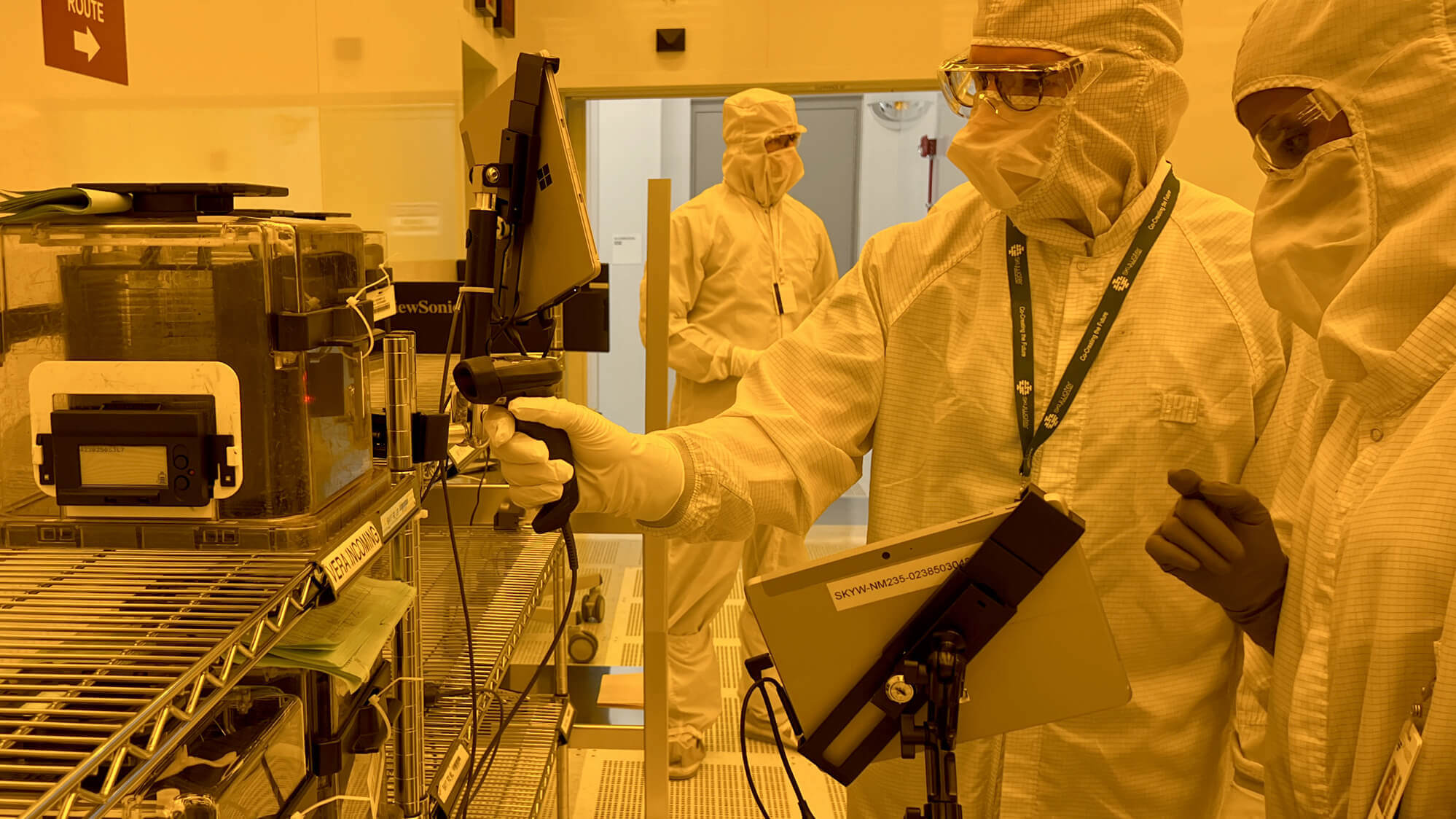
Consider the United States: business spending on AI infrastructure, data centers, and advanced chips has exploded, reaching levels not seen in decades. In fact, IT investment as a share of U.S. GDP is now the highest since 2001, even as traditional manufacturing remains subdued. This means that while factories struggle with tariffs and slower demand, Silicon Valley (and its offshoots in cloud computing, etc.) is picking up the slack. Overall business investment is getting a major boost from AI, helping keep U.S. GDP on an upward trajectory. The IMF upgraded its U.S. 2026 growth forecast to 2.4% (a sizable 0.3 point jump) largely because of this AI spending spree. And it’s not just America: tech optimism is spreading globally. Countries like Spain and the UK have also seen forecast upgrades thanks to tech related investments and initiatives. Moreover, Asia’s exporters are benefiting too demand for semiconductors, specialized equipment, and other tech goods has stayed robust, fueling Asian trade even as other export categories sag.
Financial markets have eagerly embraced the tech narrative. Since late 2022 around the time the first widely used generative AI tools launched stock prices have soared, led by tech companies. A handful of AI focused firms have driven a disproportionate share of equity market gains, creating a “widening gap” in valuations between major tech players and the rest of the market. In other words, investors are betting big on AI, elevating tech stocks to stratospheric heights while more traditional industries (like manufacturing, energy, or retail) lag behind. By early 2026, this concentration was stark: only a narrow group of AI centric companies was propelling stock indices upward. Price to earnings ratios for tech have expanded, though the IMF analysis suggests the overall equity market isn’t as wildly overvalued as during the dot com bubble (thanks to strong recent earnings). Even so, market capitalization relative to GDP has hit 226% in the U.S. far above early 2000s levels. This means asset wealth has ballooned, creating a wealth effect that further supports spending and investment.
The “AI boom,” however, is a double edged sword. On one hand, it’s acting as an economic shield, protecting growth against trade shocks and slowing sectors. On the other hand, it introduces new vulnerabilities and volatility. Policymakers and economists are increasingly wary of a potential tech bubble or over investment cycle. What if AI’s transformative promise is overhyped? If corporate earnings and productivity gains don’t live up to investors’ lofty expectations, a sharp correction in tech stocks could ensue. The IMF warns that such a scenario even a moderate pullback in AI valuations could trim global growth by ~0.4 percentage points relative to baseline. In a downside case where the tech frenzy truly unwinds, the damage could be far worse: plunging equity markets, real investment cutbacks in the tech sector, and a painful reallocation of labor and capital away from suddenly unprofitable projects. Because the tech sector has become such a dominant driver, even a modest correction now packs a punch: market cap is so high that a 10 20% slide would erase trillions in wealth, denting consumption broadly.
Another risk is the financial leverage behind the boom. Low interest rates and high optimism have encouraged firms to take on debt to finance AI ventures and stock buybacks. Rising leverage means greater sensitivity: if returns disappoint or credit conditions tighten, indebted tech firms could amplify a downturn. Moreover, many critical AI startups aren’t publicly traded they rely on private funding and borrowing, which could create unknown pockets of risk not visible in stock indices. All these factors echo the late 1990s dot com era, albeit with some differences (this boom’s run up has been more gradual, and corporate earnings are more solid than in 2000).
For now, though, the positives of the tech boom outweigh the negatives on the global stage. The IMF estimates that if AI related productivity truly kicks in faster than expected, it could lift U.S. and global GDP by an extra 0.3% this year above baseline. That “upside risk” is essentially the mirror image of the downside: AI could genuinely make the economic pie bigger. Indeed, we might be witnessing the early fruits of that with businesses digitizing, automating, and innovating, possibly boosting efficiency (though it’s too soon to be sure). For policymakers, the task is to nurture the benefits of the tech boom while mitigating its excesses. As the IMF puts it, strong prudential oversight is needed to monitor debt and speculative excess, and central banks must be ready to act if an asset bubble bursts. In the meantime, AI has given the world economy a growth buffer that few anticipated a vital shield against other storms.
Cooling Inflation but an Uneven Path to Price Stability
Amid robust growth and tech euphoria, one piece of genuinely good news is that inflation is finally coming down worldwide. After the price spikes of 2022 2024, global inflation has been easing in most countries, helping consumers and central bankers alike. The IMF’s latest figures show global headline inflation should fall to about 3.8% in 2026, down from 4.1% in 2025. By 2027, it could moderate further to ~3.4%, bringing the world closer to pre pandemic inflation norms. Factors like softer energy prices, cooling demand in some markets, and the lagged impact of monetary tightening are contributing to this disinflation trend. Major central banks spent much of 2024 raising interest rates to combat inflation, and those efforts are bearing fruit: price pressures are gradually receding.
However, not all inflation is cooling at the same speed. Notably, the United States is facing a more stubborn inflation trajectory than many of its peers. The IMF projects that U.S. inflation will only return to the Fed’s 2% target “more gradually” than in other advanced economies. In fact, U.S. core inflation is expected to remain above target through 2026, even as Europe and other regions approach theirs. Why the difference? One reason cited is the lingering pass through of tariffs and trade costs in the U.S. economy. During the trade war, import prices jumped due to tariffs on Chinese and other goods; although some tariffs have since been reduced, businesses often locked in higher prices or shifted to higher cost suppliers. Those effects can take time to unwind, meaning American consumers are still paying slightly more, keeping inflation elevated. Additionally, “elevated cost pressures” such as wage growth in a still tight labor market are underpinning U.S. inflation. By contrast, Europe’s inflation has cooled faster partly because its energy shock faded and wage growth has been more subdued.
This dynamic has policy implications. With global inflation ebbing, many central banks have room to pause or even ease interest rates in 2026 to support growth. Indeed, the IMF notes that falling inflation “leaves room for more accommodative monetary policy” in general. However, the U.S. Federal Reserve may have to be an exception it might keep rates higher for longer until it is confident inflation is durably back to 2%. This divergence the Fed being slower to pivot is one factor behind some forecasted weakness in the U.S. dollar (more on that in the next section). It’s a delicate balance: tighten too much and risk choking the growth that’s propping up the world, but loosen too soon and risk an inflation resurgence.
In fact, a few voices of caution have emerged regarding inflation upside risks. Ironically, the same AI boom that’s boosting growth could also ignite price pressures if it overheats the economy. IMF Chief Economist Pierre Olivier Gourinchas warned that an unchecked AI investment frenzy could lead to “heightened inflation” if demand outstrips supply in sectors like construction (for data centers) or skilled labor. For now, these concerns are speculative inflation is broadly trending downward. But policymakers at forums like Davos are keeping a watchful eye on any sign of an “inflation comeback” in 2026, especially in the U.S.. The consensus is that 2024’s inflation peak is behind us, yet vigilance is needed: one geopolitical shock or financial boom gone wrong could stall the disinflation process.
Currency Cross-Currents: Dollar Dominance, Euro Weakness, Yen Stability
The divergent growth and inflation trends are also playing out in currency markets, where 2026 has opened with some interesting puzzles. The U.S. dollar remains king of global currencies, but it’s facing cross currents. On one hand, America’s growth momentum and higher interest rates (relative to Europe/Japan) have supported the dollar’s value. On the other hand, questions about U.S. fiscal health and the eventual Fed easing cycle have many analysts predicting a gentle dollar decline ahead. The euro, conversely, has been underwhelming Europe’s softer economy and lower yields make the euro less appealing to investors. As a result, forecasters see the euro staying relatively weak against the dollar in the near term, around the mid $1.10s. BNP Paribas, for example, targets about $1.16 per €1 in the next quarter and perhaps a rise to $1.24 by late 2026. That $1.16 level underscores that the euro is far below its highs of recent years (it was about $1.20 1.25 in early 2024), reflecting Europe’s growth struggles. In short, the dollar’s dominance continues even if it slips slightly, it’s from a position of strength.
Another major currency in focus is the Japanese yen, which went on a rollercoaster in 2025. The yen plummeted to multi decade lows against the dollar (nearly ¥160 per $1 at one point), as Japan kept interest rates ultra low while the U.S. hiked aggressively. Now, heading into 2026, the yen has stabilized and even regained some lost ground, thanks to changing politics and intervention hints. Most projections have the yen trading around the high 140s per dollar in the coming months. For instance, BNP Paribas Wealth Management’s 12 month forecast for USD/JPY is ¥148 (meaning one dollar equals 148 yen). That implies a slightly stronger yen than late 2025 levels, but still a historically weak yen by longer term standards. Essentially, markets expect the Bank of Japan might tighten policy a bit (or that inflation in Japan will tick up), allowing the yen to strengthen modestly from extreme lows but no rapid rebound is on the horizon. A wild card is Japan’s political scene: an upcoming snap election could alter fiscal and monetary stances, but until there’s clarity, the yen’s appreciation potential is limited. From a global perspective, a stable yen around 148 is welcome news for trade stability in Asia, given how last year’s yen plunge disrupted export pricing.
Meanwhile, the U.S. dollar’s status as the world’s reserve currency has been a hot topic especially at Davos 2026. Despite America’s internal challenges (like rising debt and polarized politics), there’s a consensus that no other currency is ready to knock the dollar off its pedestal. The euro lacks a unified fiscal union to rival U.S. Treasuries, and China’s renminbi, while growing in use, isn’t freely convertible nor fully trusted given Beijing’s controls. As UBS’s CEO Sergio Ermotti quipped in Davos, “Honestly, there is no choice to the dollar” for the foreseeable future. Indeed, the dollar’s global dominance remains secure for now it’s still involved in the lion’s share of trade, debt, and forex reserves. This helps explain why, despite talk of “de dollarization” in some political circles, the greenback hasn’t collapsed; in fact, it gained ground in late 2025 as U.S. growth beat expectations.
That said, currency experts warn that dominance doesn’t equal invincibility. The dollar’s strength rests on international trust trust in U.S. financial stability and responsible policymaking. And at Davos, economists cautioned that this trust “takes decades to build and very little time to damage”. Rising U.S. debt levels, repeated standoffs over the debt ceiling, and any whiff of political interference in Federal Reserve decisions are potential red flags. Kristin Forbes, an MIT professor and former central banker, pointed out an interesting early indicator: a “growing gap between demand for the dollar and demand for U.S. Treasuries”. In other words, global investors still want dollars for transactions and safety but they are becoming less eager to lend money to the U.S. government (at least not without higher interest rates). That divergence can persist for a while, but, as Forbes noted, if investors lose confidence and the gap closes suddenly, it could do so abruptly and painfully. In plain language: the world could stay dollarized yet start charging the U.S. a higher price (yield) to finance its debts, if credibility erodes.
Davos Warnings: The Fragility of Dollar Credibility
At the World Economic Forum in Davos, the mood among economists was cautiously optimistic about the global economy, but concerned about long term risks. One prominent theme was the fragility of the U.S. dollar’s credibility in light of America’s fiscal and political challenges. Kenneth Rogoff, Harvard professor and former IMF chief economist, warned that U.S. policymakers should not take the dollar’s privileged status for granted. “We lived for decades in a world where trust in the dollar was taken for granted,” Rogoff said, “Once that trust weakens, investors don’t necessarily move to another currency they move into real assets.” In other words, if faith in U.S. stewardship falters, money might flow into gold, real estate, or other tangible assets rather than into euros or yen. That scenario would raise U.S. borrowing costs and destabilize markets, even absent a clear dollar replacement.
Panelists noted that the biggest threats to the dollar are internal, not external. High and rising U.S. public debt is one worry the U.S. debt to GDP ratio is at its highest in generations, and continued large deficits could spook investors. Persistent inflation above target is another, because it erodes the dollar’s purchasing power over time. Perhaps most discussed was political pressure on the Fed and Treasury: moves that undermine central bank independence or edge the U.S. toward unstable fiscal maneuvers can quickly tarnish confidence. Rogoff and others pointed to debates in Washington where some politicians floated ideas like loosening the Fed’s mandate or prioritizing domestic objectives over debt discipline. Such moves, they argue, are short sighted and could accelerate the search for dollar alternatives or hedges.
However, it’s key to underscore that no one at Davos was predicting an imminent dollar collapse. On the contrary, the consensus was “dollar dominance is not ending anytime soon,” given the lack of a credible alternative and the dollar centric network effects in global trade. Jeffry Frieden, a political economist from Harvard, noted that proposals to shift oil contracts to other currencies or to expand the use of Chinese RMB face structural hurdles. For instance, China’s capital controls make the RMB unattractive for global investors seeking liquidity, and Europe’s fragmented fiscal landscape limits the euro’s appeal as a safe asset. So, the world is sticking with the dollar by default but, as Frieden emphasized, “credibility is fragile.” Trust can dissipate shockingly fast if missteps occur.
This “fragility of credibility” was perhaps the Davos mantra of 2026. It applies not just to currencies but to the entire economic outlook. The global economy has proven resilient so far, but it is one adverse shock away from a possible crisis of confidence. Whether it’s a sudden tech market crash, a resurgence of inflation, or a geopolitical conflict, any number of triggers could test the system. And because the current expansion leans heavily on favorable financial conditions and optimism (the AI boom, low yields for high debt governments, etc.), a loss of credibility in policy could rapidly translate into market turmoil.
A Fragile Balance: ConclusionFor now, the world economy is enjoying an unexpected sweet spot: solid growth, cooling inflation, and a tech driven investment renaissance against a backdrop of high geopolitical tension. This “AI shield” is the reason the global economy hasn’t crashed it’s absorbing the blows of trade wars and uncertainty. Global output is expanding at over 3%, inflation is ebbing, and corporate earnings are healthy. But, as we’ve explored, this balance is delicate. The very factors propping up growth (AI exuberance, easy financial conditions, policy stimulus) can morph into vulnerabilities. High valuations could tumble; fiscal and monetary leeway could run out.
In the words of the Times of India’s summary of the IMF outlook, “the global economy is proving resilient on the surface, supported by AI driven investment and policy support. But the balance is fragile.” Sustaining growth beyond this year will require deft management. Policymakers need to start rebuilding fiscal buffers and ensuring financial stability while the sun is still shining. Central banks must keep a steady hand to anchor expectations (maintaining credibility is paramount). Trade tensions, though eased, could flare up again so continued diplomacy and predictable rules are vital. And structural reforms, whether investing in worker skills or diversifying supply chains, cannot be put off; they are needed to bolster long run productivity and resilience.
The “AI shield” has bought the global economy precious time. Rather than sliding into recession despite all the political chaos, we’re witnessing a surprisingly robust expansion. It’s a reminder that innovation and adaptability can counteract even severe shocks a hopeful note in anxious times. Yet, as the world’s elite in Davos would agree, now is not the time for complacency. An economic shield can crack if stressed too far. The year 2026 will test whether policymakers can capitalize on this resilience by addressing the vulnerabilities beneath. If they succeed, the global economy may bend but not break; if they falter, the current stability could prove to be the calm before the storm. In sum, the global economy isn’t crashing yet and with wisdom and a bit of luck, perhaps it won’t after all.