The 15% Fever Dream: Can Global Trade Survive "Section 122"?
Just 24 hours after the US Supreme Court struck down the administration’s flagship tariff policy, the White House pivoted to a 15% global levy under a 1974 legal loophole. The "Trade War 2.0" has officially entered a chaotic new phase.
What is Section 122?
Section 122 comes from the Trade Act of 1974. It lets the US President add temporary tariffs up to 15% on imports to fix big trade balance problems, like when imports far outpace exports. No president used it before 2026, but now it covers most goods for 150 days max, unless Congress says yes to more.
This law aims to protect the US economy short-term. It skips long probes and hits imports broadly, but skips some like USMCA goods, key minerals, and energy. On February 24, 2026, it started at 10%, then jumped to 15% fast.
Supreme Court Shock
On February 20, 2026, the Supreme Court ruled 6-3 against Trump's big tariffs under the old IEEPA law. They said it does not let the President slap tariffs on everything without Congress. Chief Justice John Roberts wrote the opinion; Thomas, Alito, and Kavanaugh disagreed. This killed billions in old tariffs. Businesses want refunds on $133 billion collected. Trump called the justices "fools" and switched to Section 122 right away.
The 15% Pivot Explained
Trump signed an order for 10% first, then hiked to 15% the max under Section 122 by February 22. It affects $1.2 trillion in yearly US imports. Average US tariff rate now hits 13.2% trade weighted.
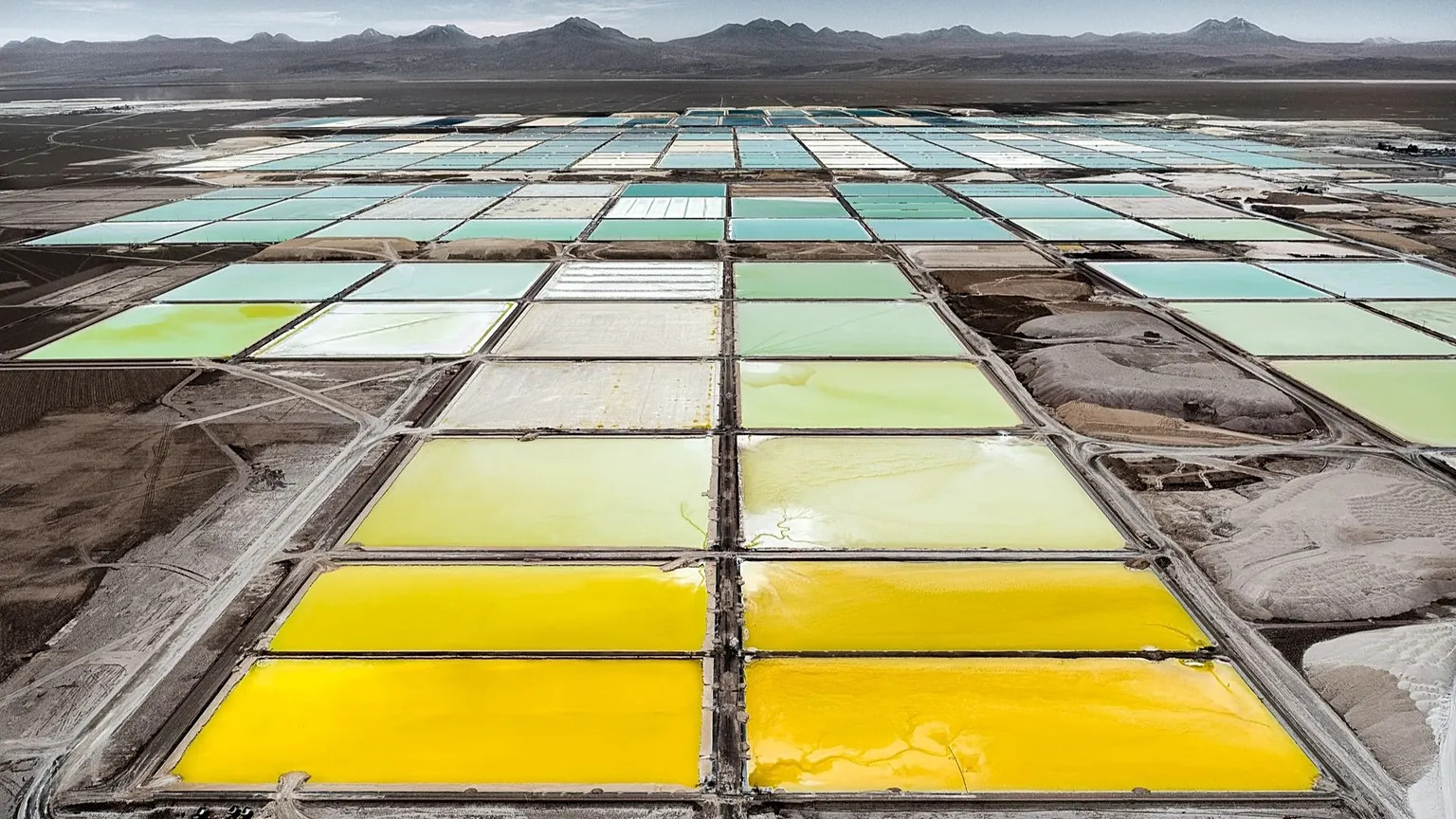
Exemptions help some: USMCA trade skips it, plus steel, pharma basics, and critical stuff like lithium (key for your research interests). But most goods? Full hit. It stacks on old duties, so some pay 25%+ total.
Huge Economic Numbers
These tariffs rake in $30 billion monthly for the US Treasury 4x pre-2025 levels. Over 10 years, if temporary, $1.3 trillion total, but growth losses cut $180 billion off that. US goods deficit nears $1.2 trillion yearly still.
Prices rise 0.5-0.6% if it ends in 150 days (July 24, 2026), costing average homes $600-800 extra. Permanent? 0.8-1.0% hike, $1,000-1,300 per house. Unemployment up 0.3 points by end-2026.
US Economy: Boom or Bust?
Trump claims 78% deficit cut, first surplus since 1975 at $55.5B monthly. AI boom and spending help growth above trend. But Yale says long-run GDP shrinks 0.1% ($30B/year lost) if temporary; 0.2% ($50B) if permanent. Imports drop, but retaliation looms. No big inflation yet, unlike predictions. Revenue funds tax cuts maybe, but legal fights brew over refunds.
Sector Hits Deep Dive
Metals and vehicles top pain: electrical gear, autos hardest. Apparel joins if extended. Lithium? Often exempt as critical, good for battery chains you track. Construction down 2.4% homes cost more. Manufacturing gains 2% max if long-term, but downstream kills it. Ag loses 1.4% to higher inputs.
Trade Partners React
EU: Probes retaliation, deal at risk.
China: Lower than before, but watches.
Canada/Mexico: USMCA safe.
India/UK: Push exemptions.
Global growth? IMF upped before, but 150-day clock ticks.
Long-Term Survival Odds
If ends July 2026, mild hit: 0.1% GDP loss. Permanent? Doubles pain, sparks war 2.0. Deals could save it 50+ countries negotiated already. For lithium chains: Exemptions shield supply from South America/Asia. But prices up overall hurts EVs. Global trade bends but rarely breaks. Watch Congress by summer. This 15% dream could wake US stronger or poorer.
The SCOTUS Blowback: Why the Court Ruled Initial Tariffs Illegal
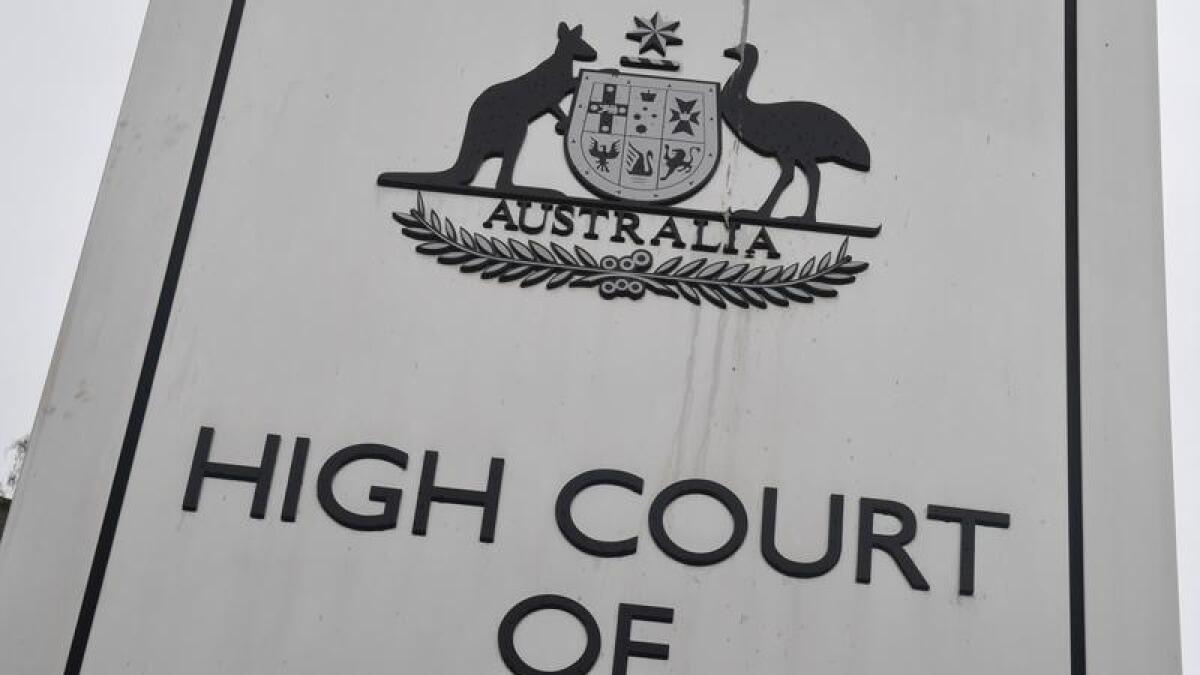
The US Supreme Court dealt a major blow to President Trump's trade plans on February 20, 2026. In the case Learning Resources, Inc. v. Trump, it ruled 6-3 that the International Emergency Economic Powers Act (IEEPA) does not let the President impose broad tariffs. This decision voided tariffs on over $1 trillion in imports collected since 2025.
Core Reasons for the RulingThe Court said IEEPA's words "regulate … importation" do not cover tariffs. Tariffs are taxes, and Article I of the Constitution gives Congress sole power over taxes. Chief Justice Roberts wrote that Congress made clear rules for tariffs in laws like Section 122, with limits on scope, amount, and time unlike IEEPA's broad powers.
The Federal Circuit Court had ruled the same in August 2025 en banc, calling IEEPA tariffs "unbounded." Justices Thomas, Alito, and Kavanaugh dissented, saying presidents need flexibility for emergencies. The stay on lower court orders ended, opening doors for $133 billion in refund claims by importers.
Timeline of the Legal FightIt started with lawsuits from toy maker Learning Resources and wine importer V.O.S. Selections in 2025. They argued IEEPA was for sanctions, not taxes. The Supreme Court heard arguments November 5, 2025, and ruled February 20, 2026. Trump had pushed for quick review to keep tariffs flowing.
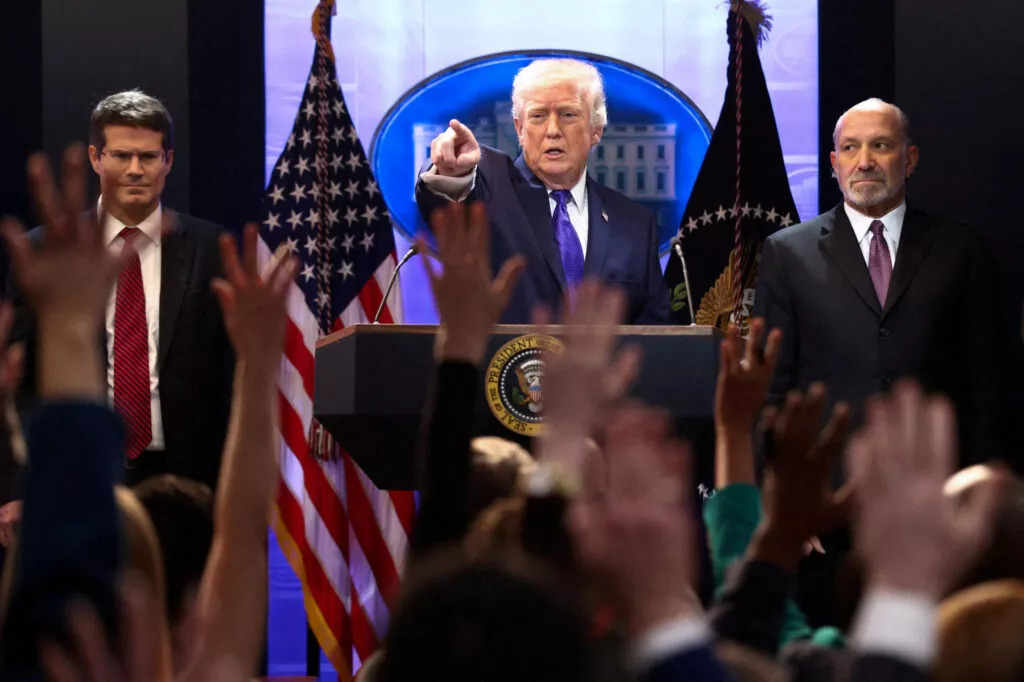
The Lightning Bypass: Section 122 in Under 24 HoursTrump held a press conference hours after the ruling. He announced tariffs under Section 122 of the 1974 Trade Act right away no written order at first. By February 24, 2026, the 10% levy kicked in globally, then hiked to 15% soon after.
Why so fast? Section 122 explicitly allows up to 15% tariffs for 150 days to fix "large" trade deficits no emergency needed, just a proclamation. It skips IEEPA's issues by being trade-specific with a cap and clock (ends July 24 unless Congress extends). White House called it a "tactical masterstroke" to fill the gap.
Political and Future Fallout
Trump blasted the Court as "activist," vows extensions via Congress. GOP holds leverage but Dems push blocks. If extended, permanent tariffs reshape trade; else, cliff in July. Legal experts see Section 122 on firmer ground, but challenges loom on "deficit" facts. This blowback reset Trade War 2.0, but the 15% fever rolls on for now.
The "Poison" of Uncertainty: Chancellor Merz’s Stark Warning
German Chancellor Friedrich Merz called constant tariff volatility "the biggest poison" for Europe and US economies. He made the comment on February 20, 2026, right before Trump's 15% Section 122 levy announcement, stressing it hurts more than the taxes themselves.
Merz plans a Washington trip with a unified EU stance to end the chaos. Businesses need stability to invest and plan, he said.
Why Uncertainty Hits Harder Than Tariffs
Predictability drives trade. Flip-flopping tariffs struck down one day, new ones next—freezes decisions. Firms delay contracts, hoard stock, or reroute supply chains, costing more than steady duties.
Merz noted: "This ongoing uncertainty about tariffs must end." It poisons growth by raising risk premiums.
Germany's Economic Stakes
Germany exports $1.6 trillion yearly; US is top market at 10% ($160B). Autos, machines, chemicals face 15% hits if no exemption. Pre-2026, tariffs already cut growth 0.5%; now volatility adds 0.3-0.7% drag.
Merz warned families: Higher costs for cars, appliances €500-1,000 per household yearly. Germany's 2026 GDP forecast slips to 0.8% from 1.2% on trade fog.
Merz's Broader Strategy
Merz pushes CDU's 2026 plan: Tax cuts, bureaucracy slash, EU unity. He balances China trip amid US pressure, eyes Arctic ties too. "Tariffs burden consumers not just taxes, but fear," he said. EU coordinates retaliation if needed, but prefers deals.
Global Echoes and Lessons
Merz echoes IMF: Uncertainty halves trade boost from deals. US firms like Apple, GM lose €10B in planning costs. For lithium chains, volatility hits prices 5-10% extra. This poison lingers until July 2026 deadline or extension vote. Stability wins over shocks
Retaliation or Reciprocity? EU and India Weigh Responses
The EU and India face tough choices after the US 15% Section 122 tariffs hit. Will they slap back with matching duties or seek reciprocal deals for exemptions? Both eye retaliation but lean toward talks, as uncertainty poisons planning. Germany's Chancellor Merz leads EU calls for stability over endless volatility. India's PM pushes "reciprocity first" to shield $80B in US exports like pharma and IT services.