From Terrorist Groups to States How Australia’s New Terror Law Redraws the Security Map
For two decades, “counter-terrorism” law in liberal democracies has largely focused on non-state actors: cells, networks and organisations like al-Qaeda or ISIS. Governments built complex regimes to list terrorist organisations, freeze assets, prosecute supporters and disrupt plots.
But what happens when a foreign government organ behaves like a terrorist group on your soil?
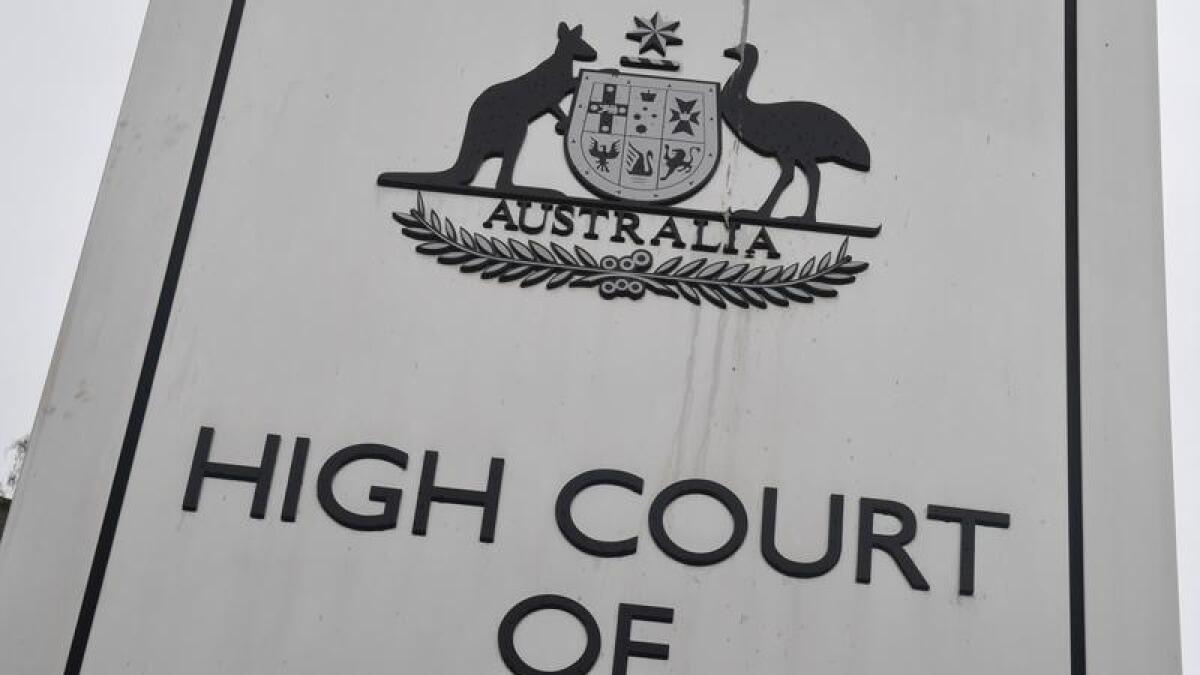
That is the question Australia has just answered with the Criminal Code Amendment (State Sponsors of Terrorism) Act 2025 – a landmark law that allows Canberra to formally designate foreign state entities as state sponsors of terrorism and criminalise support for them.
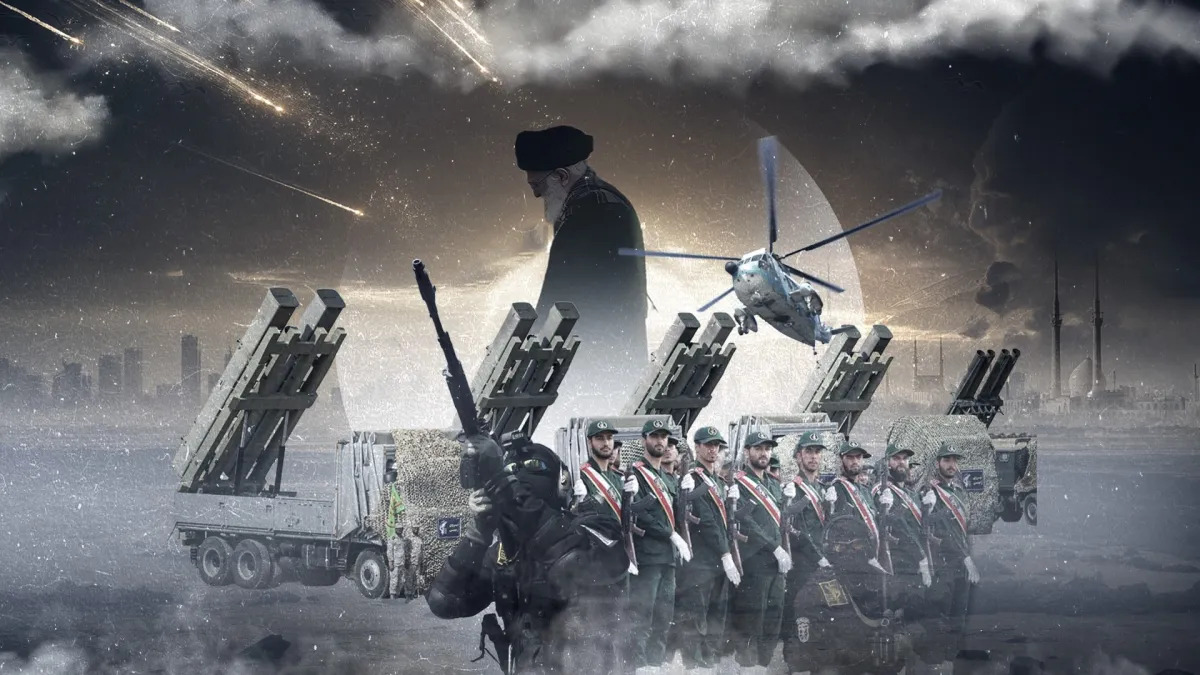
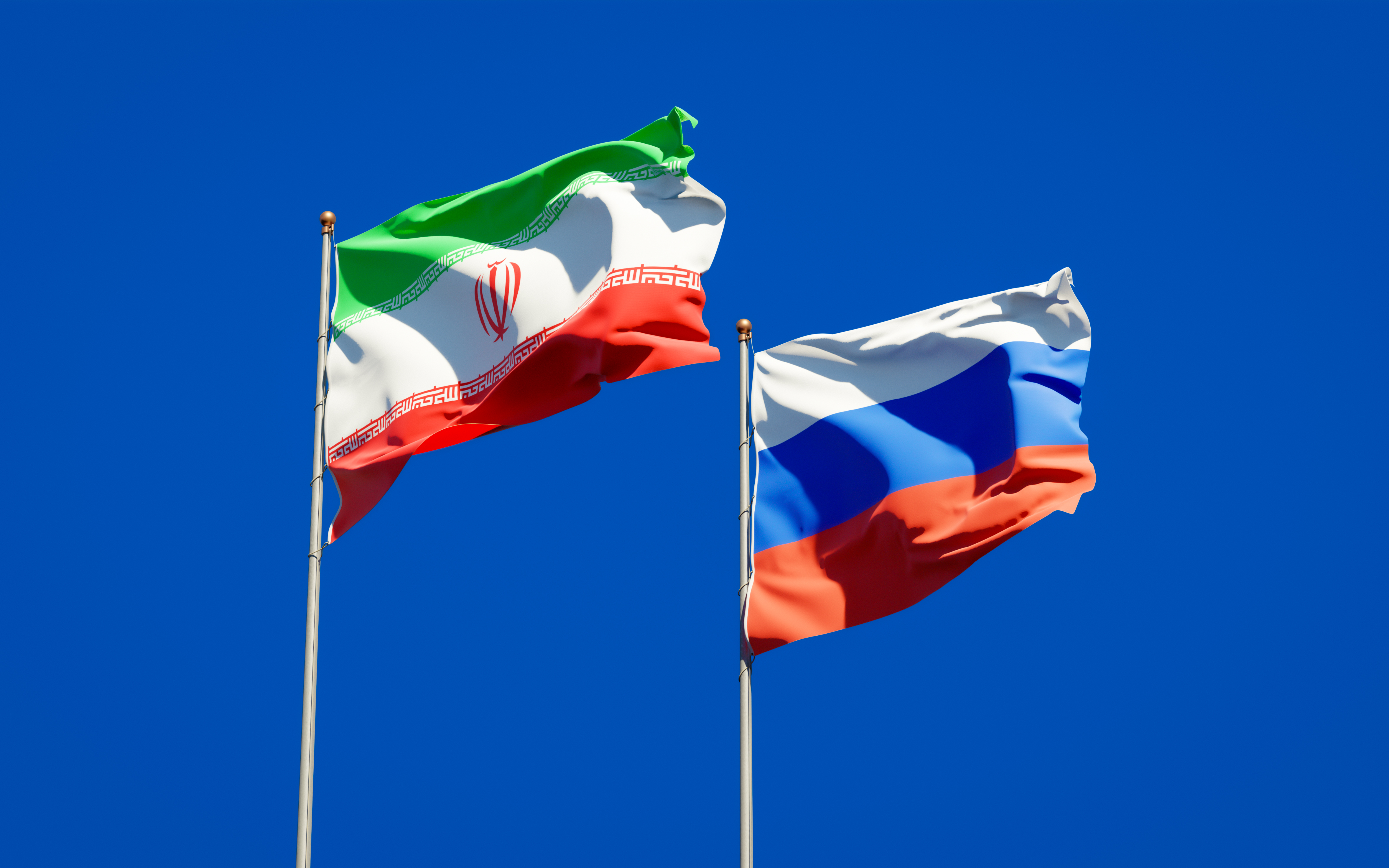
The immediate driver is stark: intelligence agencies say Iran’s Islamic Revolutionary Guard Corps (IRGC) orchestrated antisemitic arson attacks against Jewish community targets in Sydney and Melbourne in late 2024, using Australian criminal proxies as cut-outs.
Australia’s move does more than plug a legal gap. It signals a shift in how democracies understand state behaviour, hybrid warfare and deterrence – and it may become a template for allied countries grappling with similar threats.
In this article, we’ll unpack:
What triggered the legislative change
What the new law actually does
How it will affect Iran–Australia relations, intelligence cooperation and the private sector
Why this marks a broader trend in democratic security policy
Along the way, we’ll connect Australia’s shift to wider debates you’ll recognise from our analyses on AI in cyber warfare, elections and global security and state-backed hybrid operations in Europe.
What triggered the change: arson, antisemitism and state fingerprints
The story begins not in Parliament, but in suburban streets.
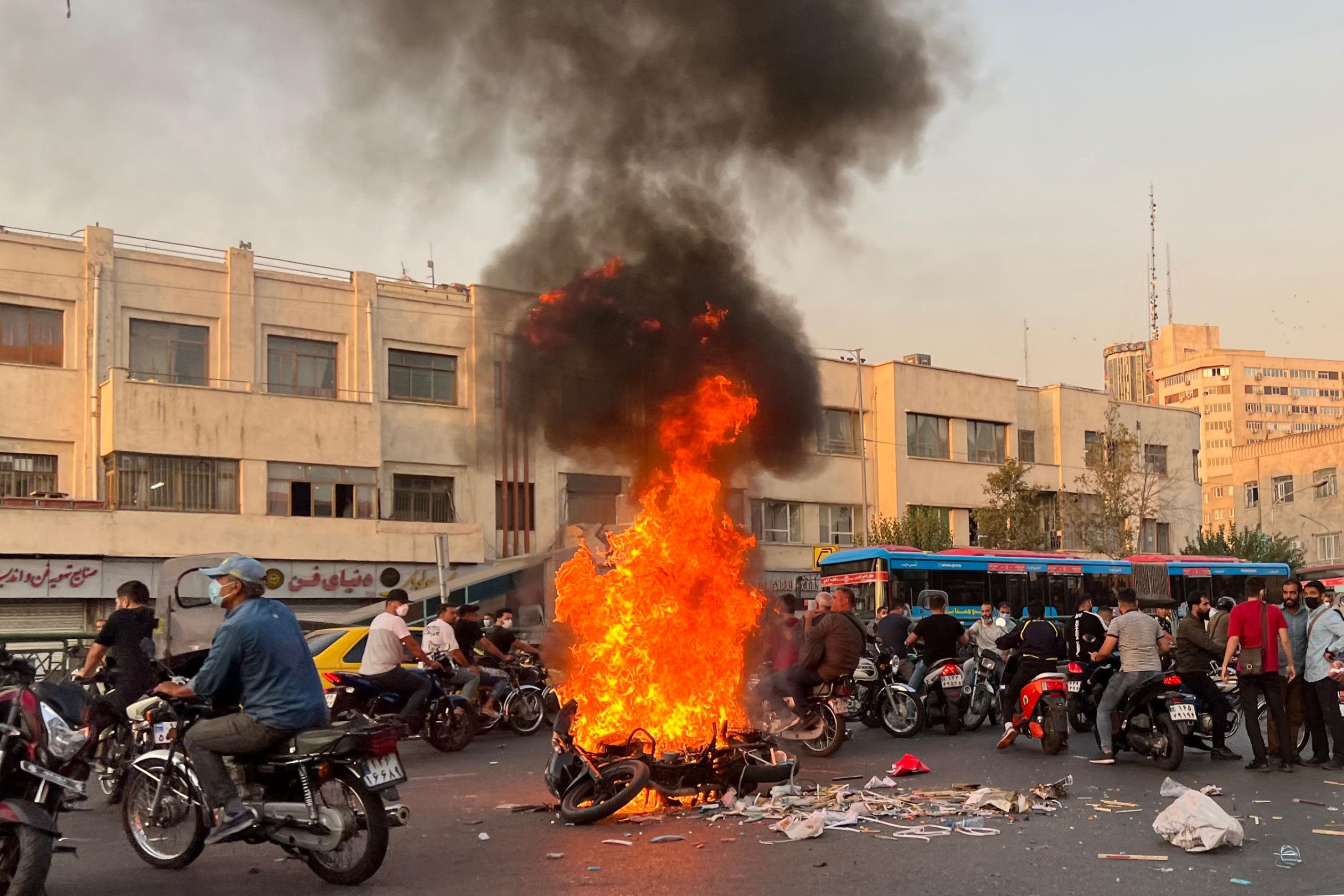
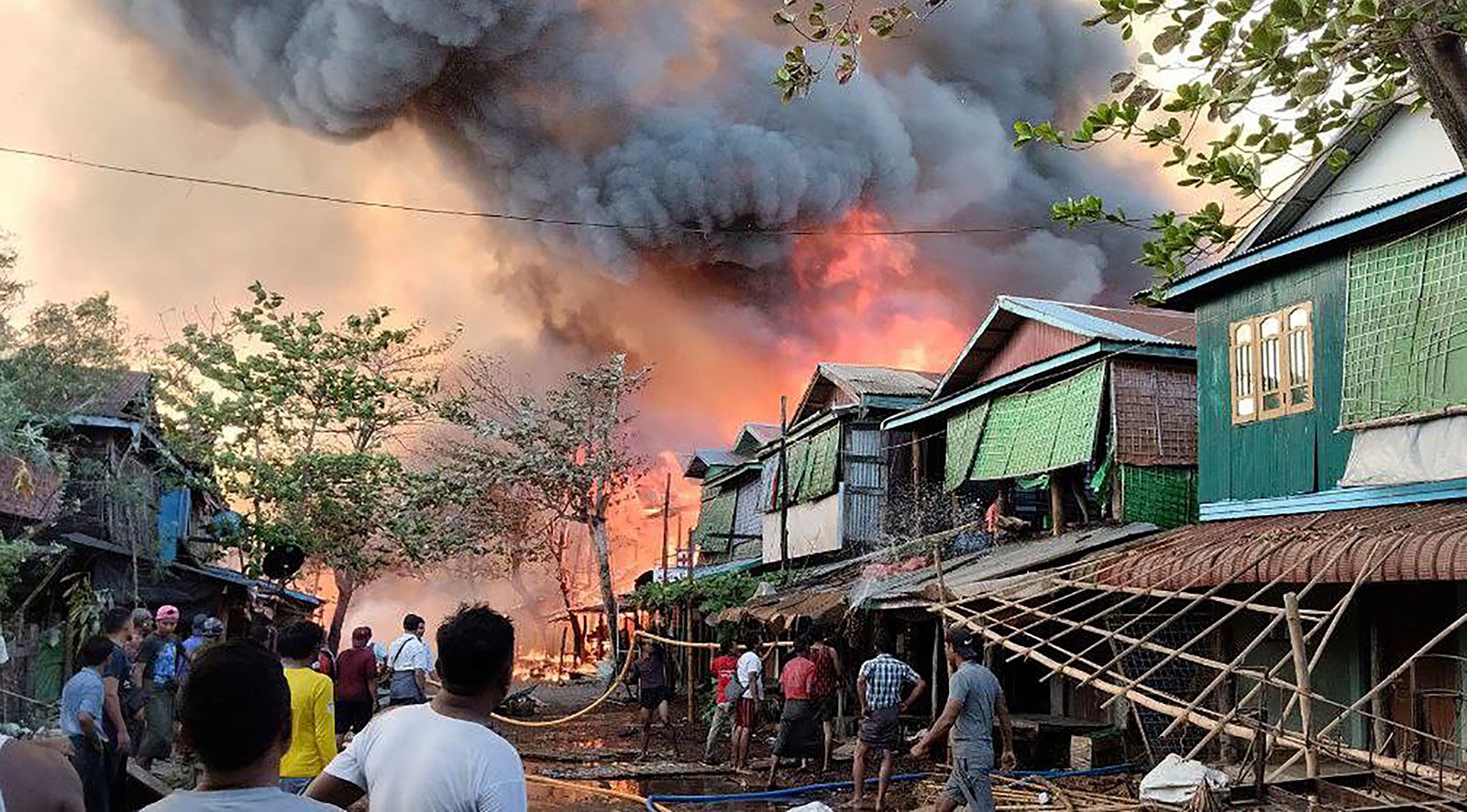
In late 2024, a string of antisemitic incidents hit the Jewish community in Australia: arson attacks on synagogues and Jewish-owned businesses in Melbourne and Sydney, amid a broader surge in antisemitic threats following the October 2023 Hamas attacks and the Gaza war.
Initially, these crimes were treated as serious hate offences, with investigators exploring links to local extremists and organised crime. But over months, a different picture emerged.
ASIO points to Iran
In August 2025, the Director-General of Security, Mike Burgess, publicly revealed that Iran’s government, via the IRGC, had directed at least two antisemitic attacks on Australian soil using local criminal proxies.
Key details that pushed Canberra over the line:
Australian security agencies traced funding lines and tasking chains from Iranian state actors to local perpetrators involved in arson attacks on Jewish community sites.
Officials described the campaign as a “power projection exercise” – a way for Iran to show it could reach into Australia’s domestic politics and social cohesion, just as it has done in Europe and the Middle East.
The attacks were framed not just as hate crimes, but as part of a hostile state’s hybrid warfare toolkit, intentionally designed to divide communities and intimidate minorities.
The political response was immediate and severe:
Australia expelled Iran’s ambassador and three other Iranian diplomats – the most drastic step against a foreign power since World War II.
Canberra suspended operations at its embassy in Tehran and relocated staff to a third country.
The government announced its intention to list the IRGC as a terrorist organisation, but ran head-first into a legal problem: the existing terrorist listing regime was built for non-state organisations, not for arms of a foreign state.
Security agencies and legal advisers agreed: there was a critical gap. A foreign government entity could orchestrate terrorist acts in Australia, yet the Criminal Code had no clear way to list that entity as a terrorist organisation and criminalise support in the same way it does for non-state groups like ISIS or Boko Haram.
The State Sponsors of Terrorism Bill 2025 is the government’s attempt to close that gap.
Inside the Criminal Code Amendment (State Sponsors of Terrorism) Act 2025
At its core, the new law creates a parallel legal framework for dealing with state-sponsored terrorism – without collapsing the distinction between war, diplomacy and policing.
A new Part 5.3A: state sponsors of terrorism
The Act inserts Part 5.3A into the Criminal Code Act 1995, establishing a regime for foreign state entities similar to the existing Part 5.3 for terrorist organisations.
Key features include:
Listing foreign state entities as “state sponsors of terrorism” where they have engaged in, supported or advocated terrorist acts targeted at Australia.
A broad definition of foreign state entity: the government or an authority of a foreign country, or a part of a foreign country – but not the foreign state in its entirety. Additional entities can be prescribed by regulation.
A definition of “terrorist act” that largely mirrors existing law (serious harm, political/ideological motive, intent to intimidate government or public), but with explicit exclusions for lawful protest, industrial action and actions in the context of international armed conflict (already regulated by the laws of war).
Crucially, the Act is not about labelling entire countries as pariahs. It targets organs of a state, like the IRGC, which function as both security apparatus and sponsor of armed groups.
The “targeted at Australia” threshold
One of the most important – and controversial – design choices is the requirement that a listed state entity must be tied to terrorist acts “targeted at Australia”.
In practice, this means:
The entity must have engaged in or advocated conduct that harms Australians or Australian interests, or seeks to intimidate the Australian public or government – whether the act occurs inside or outside Australia.
The threshold is broader than physical attacks on Australian soil; it can capture plots abroad that deliberately target Australians or Australian infrastructure.
This threshold serves a dual purpose:
It grounds listings in demonstrable national security threats, limiting the risk that designations become symbolic or politically motivated responses to objectionable but non-terrorist behaviour by foreign governments.
It signals to other states that Australia is not trying to police the world – but it will treat state-directed attacks on its people and communities as terrorism.
New offences and powers
Once a foreign state entity is listed, the Act unlocks a suite of new offences and powers, mirroring those that already exist for non-state terrorist organisations.
These include:
Engaging in a state terrorist act
Providing or receiving training connected with state terrorist acts
Collecting or making documents likely to facilitate state terrorist acts
Other preparatory acts done in support of state terrorist activity
In addition, the Act:
Allows control orders, preventative detention orders and post-sentence orders to be used in relation to state sponsors of terrorism and their acts.
Makes consequential amendments to 20 other Acts, including the Terrorism and Cyclone Insurance Act 2003, ensuring that the government’s terrorism reinsurance scheme covers state-sponsored terrorist acts as well.
For ordinary Australians, that last point is easy to miss but significant: the insurance framework is now explicitly calibrated to state-linked terrorism, not just attacks by non-state extremists.
Safeguards and oversight
Because listing a foreign state entity carries enormous diplomatic and legal consequences, the law builds in several safeguards:
The Home Affairs / AFP Minister cannot act alone; the Foreign Minister must concur with any listing, and the Leader of the Opposition is to be briefed.
Conduct in the context of international armed conflict is explicitly excluded from the definition of terrorist acts, to avoid turning state-on-state warfare into terrorism law territory.
The regime sits alongside existing criminal offences dealing with war crimes and crimes against humanity, rather than replacing them.
Analysts at the Australian Strategic Policy Institute (ASPI) have welcomed the reform as “a timely and necessary evolution” but warned that clear criteria and transparency will be critical to prevent politicisation in future cases.
From terrorist groups to state organs: how this differs from previous policy
Before 2025, Australia’s counter-terror laws treated the state and terrorist organisations as conceptually separate worlds:
Part 5.3 / Division 102 of the Criminal Code allowed the government to list non-state groups as terrorist organisations and criminalise support for them.
Sanctions, diplomatic tools and export controls dealt with hostile states, but there was no dedicated framework to treat arms of those states as terror sponsors under criminal law.
That meant:
Australia could sanction the IRGC or Iranian officials.
It could not list the IRGC as a terrorist organisation in the same way it lists ISIS, nor apply terrorism offences to Australians materially supporting the IRGC as a state entity.
The new law changes that. It effectively says: When an arm of a state behaves like a terrorist organisation, we will treat it as such – legally and criminally – if it targets Australia.
Comparison: the US “state sponsors of terrorism” list
If this sounds familiar, it’s because the United States has long had a “State Sponsors of Terrorism” list, maintained by the State Department, identifying governments that “have repeatedly provided support for acts of international terrorism” – currently including countries like Iran, Syria, Cuba and North Korea.
However, there are important differences:
The US designation applies to entire countries and triggers sweeping restrictions on foreign aid, arms sales, exports and financial dealings.
Australia’s regime targets specific state entities, not countries, and is embedded in the criminal code, focusing on terrorist acts targeted at Australia rather than global sponsorship per se.
In that sense, Canberra is blending elements of US-style state sponsorship tools with the granular approach of domestic terrorist organisation listings.
Impacts: Iran–Australia relations, intelligence cooperation and the private sector
1. Iran–Australia relations: from strained to structurally hostile
Diplomatically, relations between Canberra and Tehran have already entered a new, colder phase:
Expulsion of Iran’s ambassador and multiple diplomats
Suspension of Australia’s embassy in Tehran and relocation of staff
Public accusations that a foreign government orchestrated attacks on religious minorities in Australia
Once the IRGC is formally listed under the new Act – which the government has signalled will happen quickly – the symbolism and legal effects deepen:
Any Australian or Australian-linked entity that provides material support to the IRGC risks criminal liability.
IRGC-linked entities and proxies will face asset freezes, travel bans and business restrictions, compounding existing sanctions.
That, in turn, will:
Make it far harder for Iran to operate covertly on Australian soil using charities, businesses or cultural fronts.
Raise the diplomatic cost for Tehran if similar plots are uncovered elsewhere.
From a broader perspective, Australia is signalling to other states: If you outsource repression or power projection to criminal proxies in our cities, we will treat you in the same legal category as the terrorists you sponsor.
2. Intelligence and allied cooperation
The attacks themselves were investigated through a combination of:
Australian federal and state police
The Australian Security Intelligence Organisation (ASIO)
Partnerships with foreign services, including Five Eyes allies, who helped trace funding trails and cross-border networks.
The new law will likely:
Formalise and prioritise intelligence collection on state-linked terrorist activity, pushing agencies to map state proxies, criminal intermediaries and front organisations in more detail.
Encourage closer information-sharing with allies who are also dealing with IRGC-linked plots, from Europe to North America.
Provide a clear legal basis for joint operations targeting state entities, not just their non-state partners.
For partners such as the US, Canada and EU states, Australia’s move adds pressure to harmonise approaches – especially as debates over how to treat the IRGC continue in Brussels, London and other capitals.
3. Banks, insurers and the private sector
For businesses, especially in finance and insurance, the Act is more than symbolic.
Because the law:
Criminalises support for listed state sponsors of terrorism, including provision of services, training or resources
Extends the Terrorism and Cyclone Insurance Act to cover state-sponsored terrorism, aligning definitions across legislation
…banks and companies can expect:
Tighter compliance expectations around due diligence, sanctions screening and exposure to IRGC-related entities, even where links are indirect or opaque.
Higher scrutiny of charities, cultural associations, shell companies and intermediaries that could act as proxies for foreign state entities.
Clarified insurance coverage in the event of state-sponsored terrorist attacks, which affects pricing, risk modelling and reinsurance.
There is also a risk of over-compliance:
Firms may choose to de-risk by cutting ties with any entity even tangentially linked to Iran, impacting legitimate trade and diaspora communities.
Humanitarian organisations could face new friction when operating in or around jurisdictions where listed state entities wield influence.
The Act therefore places a premium on clear guidance from regulators – to ensure that the law hits its intended targets (state terror sponsors and their proxies), not ordinary citizens or legitimate businesses caught in the blast radius.
A broader democratic trend: re-tooling for state-sponsored threats
Australia’s legislative pivot does not occur in a vacuum. It sits within a wider pattern of democracies re-tooling late-Cold War counter-terror law for an era of state-driven hybrid threats.
A few examples:
Canada listed the IRGC as a terrorist entity in 2024 under its Criminal Code, emphasising that the listing regime is a key tool for countering terrorism “in Canada and globally.”
Lithuania has designated the IRGC as a terrorist organisation and urged the EU to follow suit, reflecting growing concern about Iran’s activities in Europe.
The European Parliament and several national parliaments have repeatedly called for the IRGC to be added to the EU’s terrorist list, though legal and diplomatic hurdles remain.
In the UK, the government has announced plans to create new powers to proscribe state-backed organisations like the IRGC, after reviewers concluded existing terrorism law was too focused on non-state threats.
Zoom out further and you see a common pattern:
States like Iran, Russia and North Korea blend traditional espionage with cyber-operations, criminal proxies, disinformation and, at times, terror-style attacks abroad.
Liberal democracies, built on a rigid separation between war, crime and diplomacy, are struggling to respond with cleanly defined legal tools.
This is exactly the blurring we explored in our pieces on AI in cyber warfare and the EU’s Centre for Democratic Resilience. When states use information operations, criminal gangs and deniable proxies to achieve strategic aims, the old toolbox of “terrorism law for non-state actors, diplomacy for states” no longer suffices.
Australia’s Act is one of the clearest attempts yet to codify a response.
Lessons for allied democracies
For other democracies watching Canberra, several lessons stand out.
1. Define the threshold – and keep it narrow
By tying listings to terrorist acts targeted at Australia, the law sets a high and specific bar. It avoids:
Automatically labelling all repressive or aggressive state conduct as “terrorism”
Turning the listing process into a tool for symbolic punishment or domestic political point-scoring
Allies considering similar regimes will need to grapple with their own threshold questions: Is it enough that a state funds a group designated as terrorist? Must there be a direct link to attacks on our soil?
2. Build in foreign policy and human rights safeguards
ASPI and other experts have warned that without strong safeguards, the power to list state entities could be misused or perceived as such. Their recommendations – many of which other countries might adopt – include:
Clear criteria for how foreign ministers assess designations (national interest, foreign relations, economic security, defence implications)
Robust parliamentary and committee oversight, including human rights reviews
Carefully calibrated humanitarian exemptions, to avoid penalising aid or medical work in conflict zones
Striking this balance is hard, but essential if the law is to retain legitimacy at home and abroad.
3. Expect pushback – and factor in economic exposure
Iran is an important regional power, but for Australia, economic exposure is relatively limited. ASPI analysts note that this made it easier for Canberra to absorb diplomatic fallout.
For allies whose economies are more tightly interwoven with potential state sponsors (think Russia, China or even strategically important Gulf states), wielding a similar tool will be politically costlier.
That doesn’t mean they won’t move in this direction; it means:
Designations may be rarer and more heavily negotiated
Hybrid approaches – combining sanctions, targeted listings and diplomatic pressure – may be preferred over full “state sponsor of terrorism” labels
4. Don’t forget the information domain
Finally, state-sponsored terrorism rarely exists in isolation. It is typically accompanied by propaganda, disinformation and online incitement.
Australia’s move complements other democratic initiatives like the EU’s Centre for Democratic Resilience, which focuses on foreign information manipulation and interference, especially from actors such as Russia and Iran.
Together, these developments underscore a broader reality we’ve highlighted in our pieces on NATO’s new frontiers and African coups and hybrid conflict in the Sahel:
Modern security threats are multi-domain. Legal tools, cyber-defence, financial sanctions, information resilience and diplomacy are now deeply intertwined.
What’s next: a new security map, drawn in law
Australia’s State Sponsors of Terrorism law marks a decisive shift in how one middle power draws its security map.
Instead of treating terrorism as the exclusive domain of shadowy non-state networks, Canberra is writing into law the uncomfortable truth that states themselves can behave like terrorists – and that when they target Australians, they will be met with criminal law, not just diplomatic protest.
The Act:
Fills a real legal gap revealed by concrete attacks on Australian soil
Sends a deterrent message to foreign governments tempted to use proxies and criminal gangs to intimidate communities abroad
Creates a test case other democracies can study, adapt or contest as they rethink their own frameworks
There are risks. The line between counter-terrorism, foreign policy and civil liberties will need constant guarding. The temptation to expand listings under public pressure will be strong. And hostile states will adjust, seeking new ways to exert pressure below the threshold of terrorism.
But in an era where hybrid warfare stretches from cyberattacks to disinformation to covert violence, standing still was no longer an option.
For policymakers in allied capitals, Australia’s experience poses a clear challenge:
If you already accept that state disinformation and state-directed cyberattacks are part of the security domain – as we explored in our analysis of the EU’s new Centre for Democratic Resilience – how long can you maintain a legal framework that treats state-sponsored physical attacks as something less than terrorism?
The answer, increasingly, seems to be: not much longer.