Myanmar's Double Tragedy: Airstrikes in the Rubble
Introduction: A Disaster Made Worse by WarOn a January morning, the world’s attention was elsewhere as Myanmar endured a nightmare double tragedy. A powerful 7.7 magnitude earthquake reduced city blocks to rubble, trapping countless civilians beneath collapsed buildings. In any normal country, this would be a moment for unity and rescue. But in Myanmar, the same survivors clawing through earthquake debris soon heard the roar of fighter jets overhead. Instead of relief, they were met with bombs a man made horror piled on top of a natural catastrophe. This “double shock” a devastating quake immediately followed by military airstrikes exemplifies what activists call the world’s most severe underreported humanitarian crisis of early 2026. Myanmar’s people are suffering two kinds of devastation, one natural and one entirely man made, and their plight demands far more global awareness and action.
Five Years of Conflict and Humanitarian Crisis
Myanmar’s agony did not begin with the earthquake. Five years into a brutal post coup civil war, the country was already in ruins even before nature struck. In February 2021, Myanmar’s military (the Tatmadaw) seized power from the elected government, igniting nationwide resistance and a relentless conflict. The toll has been staggering: nearly 90,000 people have been killed in the fighting since 2021. Airstrikes, artillery barrages and village raids have become routine, with civilian fatalities from bombing and shelling surging sharply in recent years. The UN human rights office reports that over 100,000 homes have been torched by junta arson attacks, and atrocities occur with impunity.
The war’s humanitarian fallout is massive. Over 3.6 million people are internally displaced across Myanmar, a twelve fold increase from pre coup levels. Camps of homeless families now dot the country, from the jungles of Kayah (Karenni) to the plains of Sagaing. Nearly 22 million people roughly 40% of Myanmar’s population require humanitarian assistance to survive. Yet aid remains woefully underfunded and obstructed. Even after crises escalated, Myanmar’s humanitarian response received only a trickle of the support needed. The International Rescue Committee (IRC) ranks Myanmar among the top neglected crises of 2026, describing “millions left stranded by conflict and disaster” amid global donor fatigue. In short, years of civil war have hollowed out Myanmar’s ability to cope so when the earthquake hit, an already dire situation turned truly catastrophic.
The Earthquake Strikes an Already Broken Nation
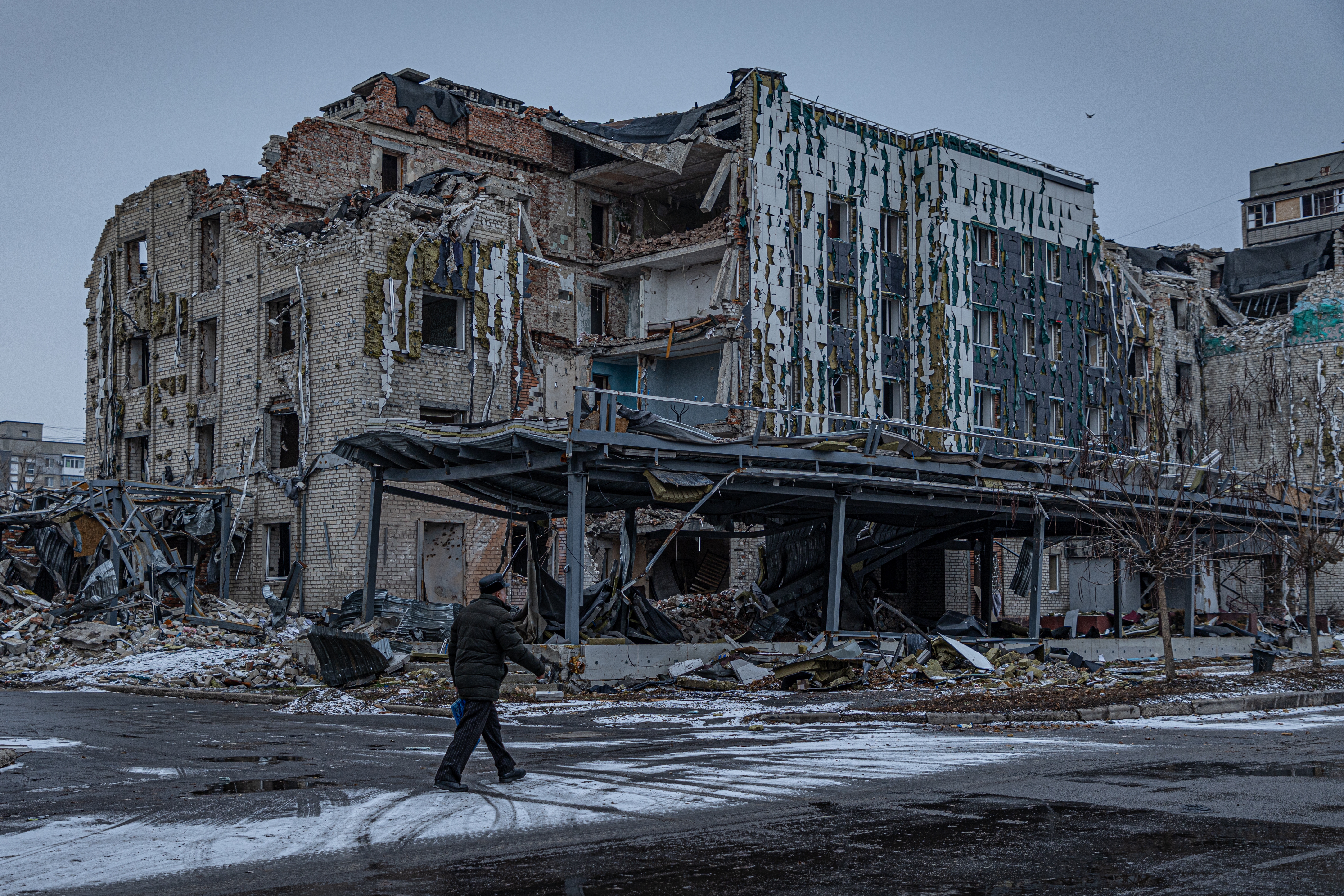
On March 28, 2025, at 12:50 p.m., central Myanmar was rocked by one of the strongest earthquakes in the country’s history. The epicenter struck near the Sagaing Fault, close to Myanmar’s second largest city Mandalay and the administrative capital Naypyidaw. Entire apartment blocks and pagodas crumbled within seconds. Roads and bridges buckled, severing transport and communications. Official figures from the military junta put the death toll at around 1,700 people in the immediate aftermath. But local responders and international experts knew the real toll was likely much higher U.S. Geological Survey models estimated up to 10,000 fatalities or more from the 7.7 quake. In the hardest hit cities of Mandalay and Sagaing, the streets filled with the stench of decaying corpses as overwhelmed volunteers ran out of body bags. “Even if they cremate a body every three minutes, they would have to work around the clock,” one exhausted rescue worker reported amid piles of the dead.
Thousands of survivors slept under open skies, afraid of aftershocks and with nowhere safe to go. Within hours, an estimated 2 million more people were thrust into urgent need of aid by the quake, on top of the millions already suffering from conflict. Local charities and rescue teams from neighboring countries rushed to help. But huge swathes of the disaster zone lay in conflict areas outside junta control, where information was scarce and access restricted. “Large parts of the country affected by the earthquake are under control of the anti junta opposition or are contested,” noted Human Rights Watch, describing how the junta’s internet shutdowns and travel bans in those regions made it nearly impossible to get news or aid out. In Sagaing, one of the regions already ravaged by fighting, the earthquake’s survivors found themselves almost entirely on their own digging for loved ones by hand, scrounging for food and water amid closed shops, all while curfews imposed by the military hindered night time rescues. The stage was set for an even crueler blow to come.
“Airstrikes in the Rubble”: A Man Made Aftershock
Shockingly, Myanmar’s military did not cease hostilities even as the nation reeled from the earthquake. In fact, the generals saw the disaster as an opportunity to press their war. Just hours after the tremors subsided, communities in several regions reported the scream of jets and the thud of explosions. The junta launched airstrikes on villages in Karen State immediately after the quake an area home to the Karen National Union (KNU) resistance. “Under normal circumstances, the military would be prioritizing relief efforts, but instead it is focused on deploying forces to attack its people,” the KNU said in a statement condemning the strikes.
Survivors sift through the ruins of a home in central Myanmar after the March 2025 earthquake. The disaster left thousands dead or injured. In the immediate aftermath, Myanmar’s junta continued its brutal offensives even bombing some of these same devastated areas, compounding the suffering of survivors.
In northern Shan State, on the same day as the quake, Myanmar Air Force jets carried out bombing runs despite the unfolding humanitarian crisis. Within five days, as aftershocks still shook the region, the junta had conducted at least 32 airstrikes on 11 different locations including hard hit towns in Sagaing and Mandalay that were struggling to dig out of the rubble. The opposition National Unity Consultative Council tallied at least 50 civilians killed and 49 injured by these post earthquake attacks in just the first week. This was the junta’s “ceasefire” in practice: a hollow declaration followed by more bloodshed. In fact, the regime did announce a unilateral 20 day ceasefire “for earthquake relief” on April 2, 2025 and then broke it within hours by bombing Kachin State and Sagaing on April 3. Even a Chinese Red Cross aid convoy was attacked by regime forces in Shan State, prompting rare rebukes from Beijing. “We urge a halt to all military operations and for the focus to be on assisting those impacted by the quake,” pleaded the UN High Commissioner for Human Rights as reports of fresh airstrikes emerged. His spokesperson in Geneva noted with outrage that some of the air raids were launched “shortly after the tremors subsided,” targeting areas where civilians were desperately searching for survivors.
The cruelty of these attacks is almost beyond comprehension: families who had just lost their homes and in many cases, loved ones to a natural disaster now had to flee bombs raining down on their makeshift camps. One frontline humanitarian described it plainly: “In Myanmar we have two kinds of devastation… the dictators have added their own misery to the people.” Every country faces natural disasters, he said, “but on top of this, the dictators of Myanmar have added their own.” The earthquake should have been a moment for the guns to fall silent. Instead, the junta intensified its onslaught, illustrating a callousness that turned a natural disaster into what the UN Special Rapporteur called “a human induced humanitarian catastrophe.”
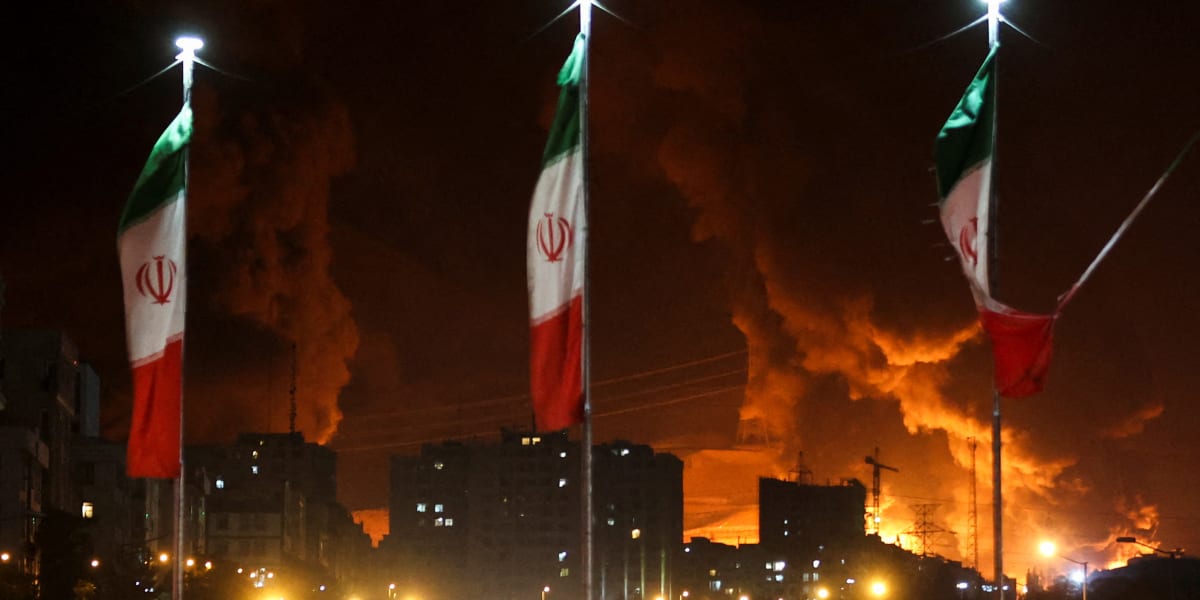
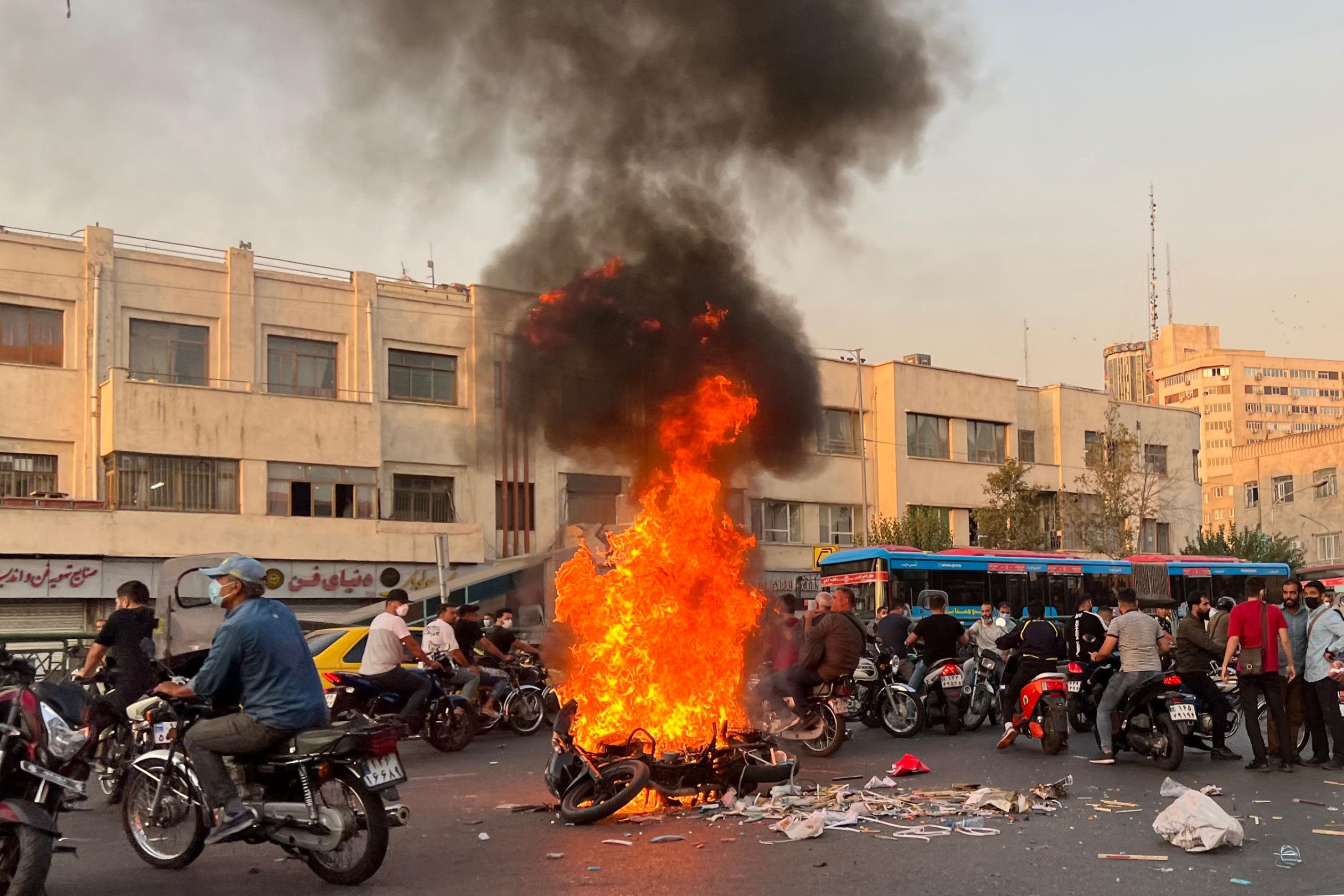
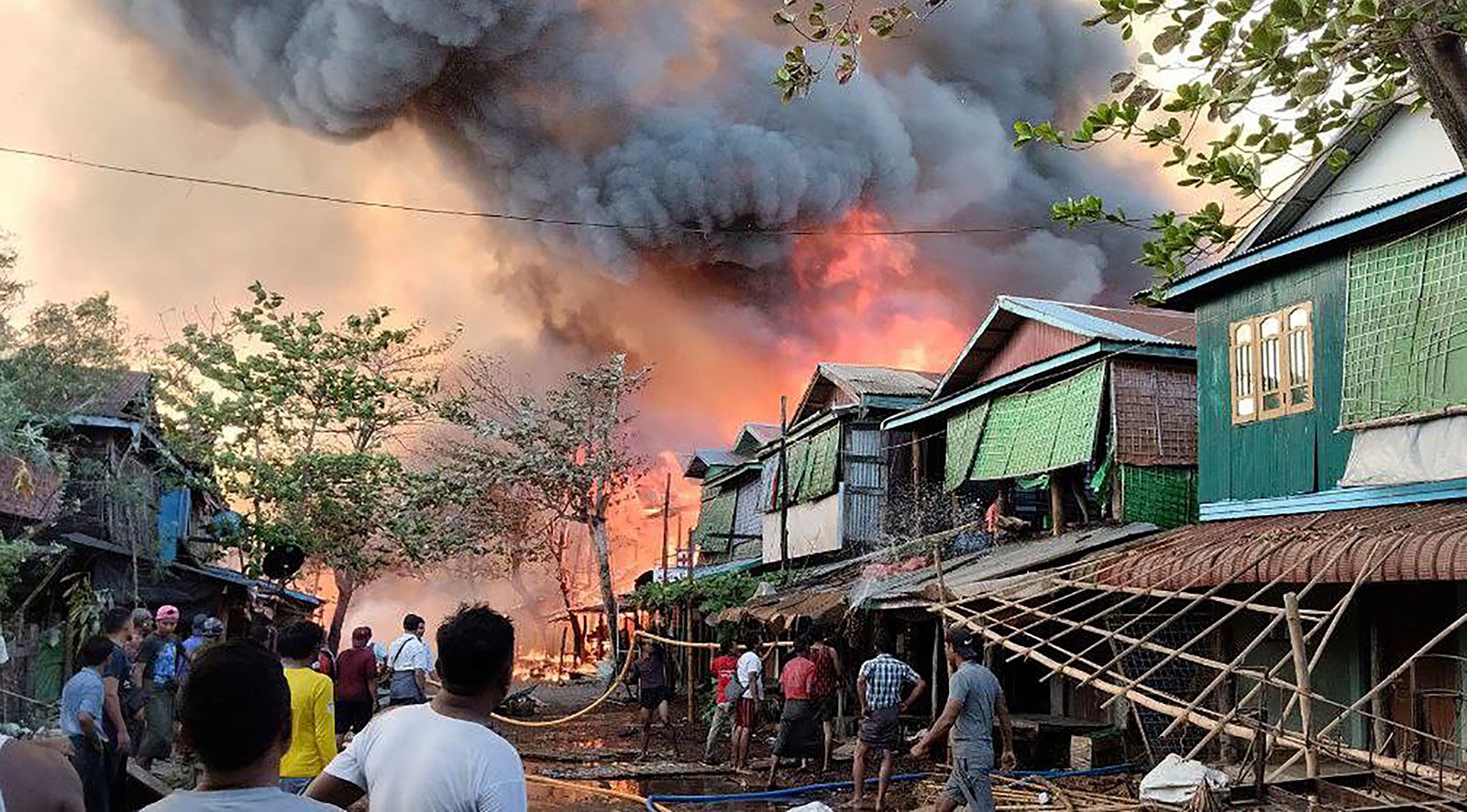
Flames engulf a civilian fuel depot after a junta airstrike in Sagaing Region (December 2025). Myanmar’s military has routinely bombed civilian targets even in the wake of a disaster causing fires, mass casualties and terror in communities already reeling from natural calamities.
These dual shocks earthquake and airstrikes pushed an already dire crisis to new depths. “The regime also continues to launch airstrikes, including in affected areas. That needs to stop,” urged the International Crisis Group’s senior adviser in Myanmar. But the pattern of brutality has only continued. In late 2025, as the junta geared up for a sham “election” to entrench its rule, it unleashed record numbers of air raids on villages and displacement camps. December 2025 saw an especially gruesome surge 119 airstrikes in that month alone, killing at least 176 civilians and wounding over 300. In one incident, jets strafed a busy road checkpoint in Sagaing, igniting fuel tankers and killing 13 civilians in a fireball. On another night, five fighter jets pounded a river jetty where refugees had gathered, slaughtering seven people who were fleeing ongoing clashes. Even hospitals, schools, and religious sites have been deliberate targets. In October 2025, for example, a junta airstrike blew apart a rural clinic, killing doctors and patients. Amnesty International has documented the military’s use of manned “paragliders” to drop bombs on crowds, including an attack on a village festival that killed children part of a broader pattern of war crimes in this conflict. It is against this backdrop of incessant human made violence that Myanmar’s quake survivors have had to pick up the pieces of their lives.
Millions Left Stranded: Displacement and Blocked Aid
After the quake and the subsequent air assaults, millions of Myanmar’s people have been left stranded homeless, traumatized, and with scant help from their government. The military’s neglect and obstruction of aid have only deepened the suffering. “Because the damage is in the dictators’ controlled areas, we don’t have direct access to quake victims. The military blocks the way and has provided very little assistance,” reported David Eubank, an aid worker on the ground in the disaster zone. Local community based organizations heroically stepped up in the immediate aftermath volunteers in Sagaing and Mandalay formed bucket brigades to pull survivors from rubble and cremate the dead when morgues overflowed. But heavy equipment, medical supplies, and expert rescue teams were desperately needed. Many offers of international assistance were delayed or refused by the junta’s restrictions: for instance, neighboring countries sent emergency crews, yet a rescue team from Taiwan was denied entry by Myanmar’s authorities. The junta even barred foreign journalists from reporting on the quake inside Myanmar, seemingly more concerned with image control than saving lives.
Even before the earthquake, Myanmar’s humanitarian emergency was among the worst worldwide. The country’s own UN backed Humanitarian Response Plan for 2025 released just weeks before the quake assessed that 16.2 million people were in need of urgent assistance due to conflict, displacement and economic collapse. That number was revised upward after the quake, as the disaster alone caused an estimated 200,000 people to lose their homes and become newly displaced. By the end of 2025, 3.6 million were internally displaced in Myanmar (compared to only around 300,000 before the 2021 coup) a displacement increase of 1,100% in five years. In some regions the upheaval is nearly total: In eastern Kayah (Karenni) State, “almost the entire population” of 350,000 has been driven from their homes by military attacks. These civilians survive in makeshift jungle camps or on the run, stranded without regular food, shelter or healthcare. Displaced families report having to hide from military aircraft that strafe anything that looks like a gathering of people even if it’s an IDP camp.
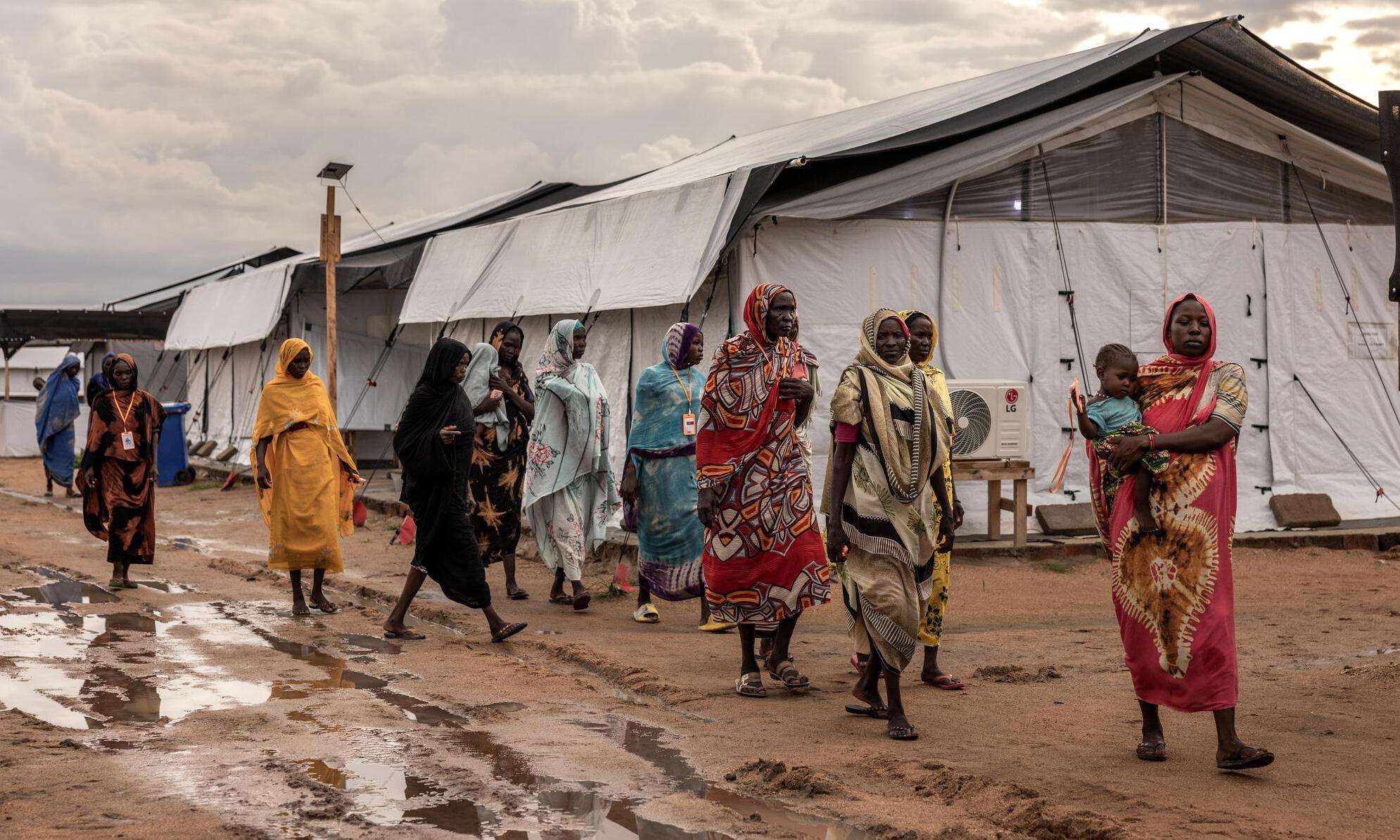
Humanitarians face daunting challenges trying to reach those millions in need. Active fighting, bureaucratic checkpoints, and destroyed infrastructure have turned Myanmar into one of the world’s most complex emergencies to operate in. Roads and bridges blown up in conflict can’t be easily repaired, and the junta often denies travel permits to aid agencies for contested areas. Formal “humanitarian corridors” are virtually non existent in many regions, moving supplies or patients across front lines is a life threatening endeavor. The junta has also shown blatant disregard for humanitarian norms: aid convoys and medical workers have been attacked or intimidated with alarming frequency. In one case, soldiers shot at a Red Cross convoy bringing relief to displaced villagers. Overall, the risk to aid workers in Myanmar is among the highest in the world. Sudan’s civil war may currently rank as the single most dangerous crisis for humanitarians (accounting for 12% of all attacks on aid workers globally in 2025 as per one analysis), but Myanmar is not far behind. Doctors, medics and volunteers in Myanmar have been arrested, beaten or even killed simply for trying to help civilians in need. By late 2025, at least 161 health workers had been killed and over 900 arrested since the coup, amid the junta’s crackdowns on medical aid to “enemy” areas. The UN Special Rapporteur observed that junta forces have harassed, threatened and extorted humanitarian workers, effectively holding aid hostage. These abuses compound the crisis: when people in war torn Myanmar lose their homes or are struck by disaster, they cannot count on their government for help rather, they often see it as the perpetrator of their misery.
A Perfect Storm: Climate Threats to the Displaced
As if war and earthquakes were not enough, climate shocks now loom to exacerbate Myanmar’s humanitarian emergency. The end of 2025 and early 2026 coincided with a global La Niña climate pattern a cooling of Pacific waters that typically brings heavier rainfall to Southeast Asia. Meteorologists warn that La Niña will increase the risk of widespread flooding in early 2026. In Myanmar’s context, this is truly alarming. Millions of people displaced by conflict are sheltering in low lying valleys, makeshift roadside camps, or deforested hill areas prone to landslides. Many are already exposed to the elements with flimsy tarps and few sanitation facilities. Wetter than average conditions through January and February 2026 could turn camps into quagmires, wash away tents and food stores, and cut off vital access roads. Humanitarian agencies have been scrambling to pre position supplies for the likely floods. But with aid funding at a low and the junta continuing to obstruct movement, preparations are insufficient for the scale of risk.
Recent history shows how deadly climate disasters can be in Myanmar’s conflict zones. Just months before the earthquake, in May 2023, Cyclone Mocha slammed into western Myanmar, devastating Rakhine State and Chin State. The storm killed hundreds (many of them Rohingya refugees) and left swathes of villages underwater. The humanitarian response to Mocha was hamstrung by the military’s restrictions and by global attention being elsewhere. Now, in early 2026, the prospect of new floods hitting areas like the Sagaing Region where over a million displaced people are scattered is a nightmare scenario. Seasonal monsoon flooding already occurs regularly, but La Niña’s influence means floods could be more widespread and severe than usual. Communities living under tarps on riverbanks or in jungle ravines simply have no protection. “Ongoing conflict will continue to wreck Myanmar’s ability to respond to climate threats and other natural shocks,” the IRC Watchlist report noted grimly, pointing out that years of war have shattered local resilience to disasters. Indeed, the most extreme example of this intersection was exactly what we have seen: Earthquake survivors bombed in the immediate aftermath. With climate shocks looming, Myanmar’s displaced millions face a future of compounding crises, where one disaster can lead directly into the next.
Conclusion: End the Suffering Through Action, Not Apathy
Myanmar’s “double tragedy” an earthquake amid civil war has highlighted the extraordinary resilience of its people, but also the extraordinary indifference of those in power. It is a crisis that has festered largely in the shadows. While global media and diplomats have been preoccupied with other conflicts, Myanmar’s civilians have been bleeding and dying largely off camera. This cannot continue. The sheer scale of suffering 90,000 killed in war, perhaps as many as 5,000 killed by an earthquake, millions uprooted, and now floods on the horizon demands an international response commensurate with the crisis. Every day of inaction and silence costs countless lives. The world must not look away.
What can be done? First, shine a light. Journalists, human rights groups and humanitarian organizations must continue to document and publicize the reality on the ground in Myanmar. Global audiences should hear the names of Sagaing, Kayah, and Kachin alongside more prominent crises like Ukraine or Gaza. Greater awareness is the first step toward mobilizing aid and political pressure. Second, push for humanitarian access. Neighboring countries and ASEAN must insist on sustained humanitarian corridors into conflict regions of Myanmar including cross border aid deliveries if the junta continues to block access. Life saving aid should never be held hostage to politics. Third, hold the perpetrators accountable. The international community should intensify efforts to deny the Myanmar military the means to keep waging war on its people for example, sanctioning the supply of aviation fuel and arms that enable relentless airstrikes. Support for international justice initiatives, such as the UN’s evidence gathering mechanism and potential cases at the International Criminal Court, is crucial to show the junta that its crimes will not be forgotten. And finally, humanitarian aid funding must be ramped up. As global budgets tighten, Myanmar’s crisis is at risk of further neglect. Donor governments, UN agencies, and charities need to prioritize funding the Myanmar humanitarian response plan and the grassroots organizations doing heroic work on the ground.
The people of Myanmar, for their part, have shown astonishing courage and solidarity. In the words of Amnesty International’s Myanmar researcher, the country’s past decade has gone from a period of hope to one of “hopelessness, where war crimes, arrests and surveillance are a feature of daily life”. Yet amid the hopelessness, local aid workers continue to risk their lives to save others, doctors run underground clinics for the injured, and communities self organize to withstand both cyclone and air raid. They deserve the world’s solidarity now more than ever. If Myanmar’s double tragedy proves anything, it’s that natural disasters can strike anywhere but allowing a government to bomb its own disaster survivors is a choice the world can condemn. We owe it to the victims to speak out, to demand the bombs stop, and to deliver help however possible. Myanmar’s crisis can no longer remain underreported and ignored. The rubble is still smoldering and now is the time to help Myanmar’s people rise from it, rather than abandoning them to suffer in silence. Global attention and action can save lives in Myanmar; the worst outcome would be to look back, after yet another tragedy, and realize we did nothing. The time to act is now, before this double tragedy becomes an endless cycle of misery.
Recent Posts