The New Axis: How Turkey, Iran, and Russia Are Reshaping Middle East Security Post-Assad
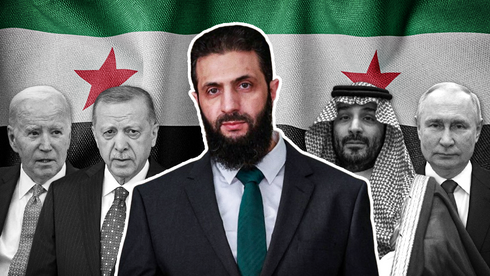
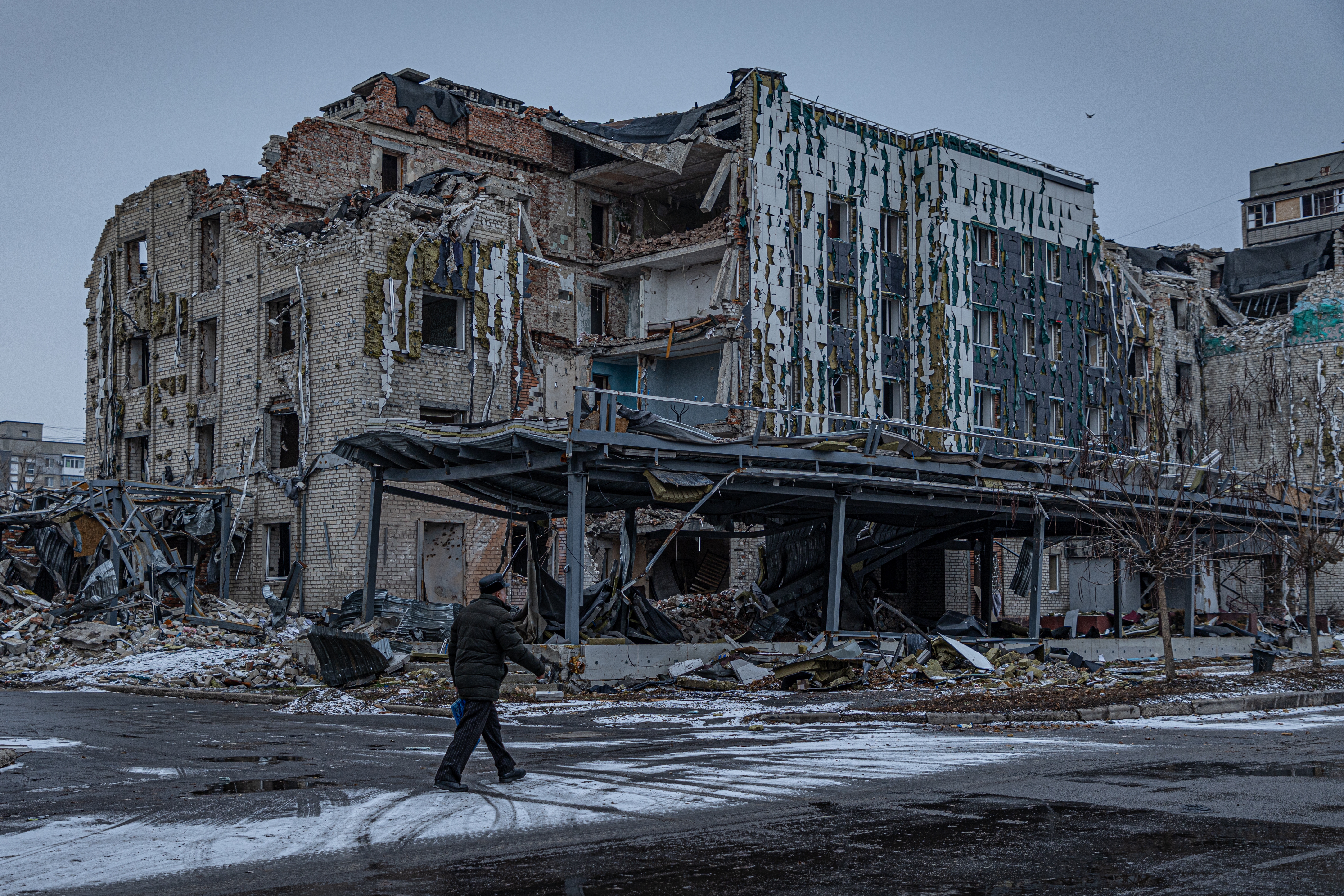
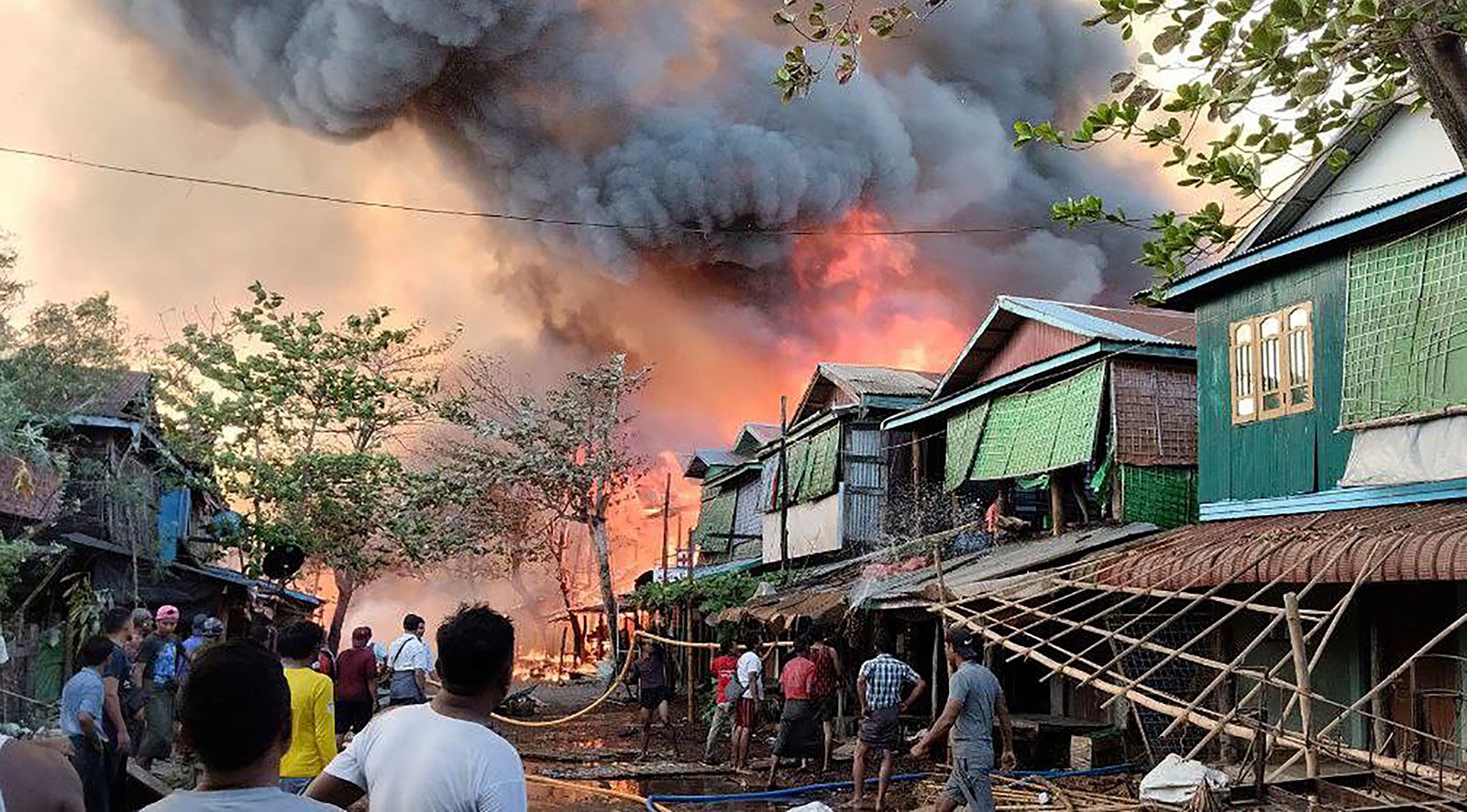
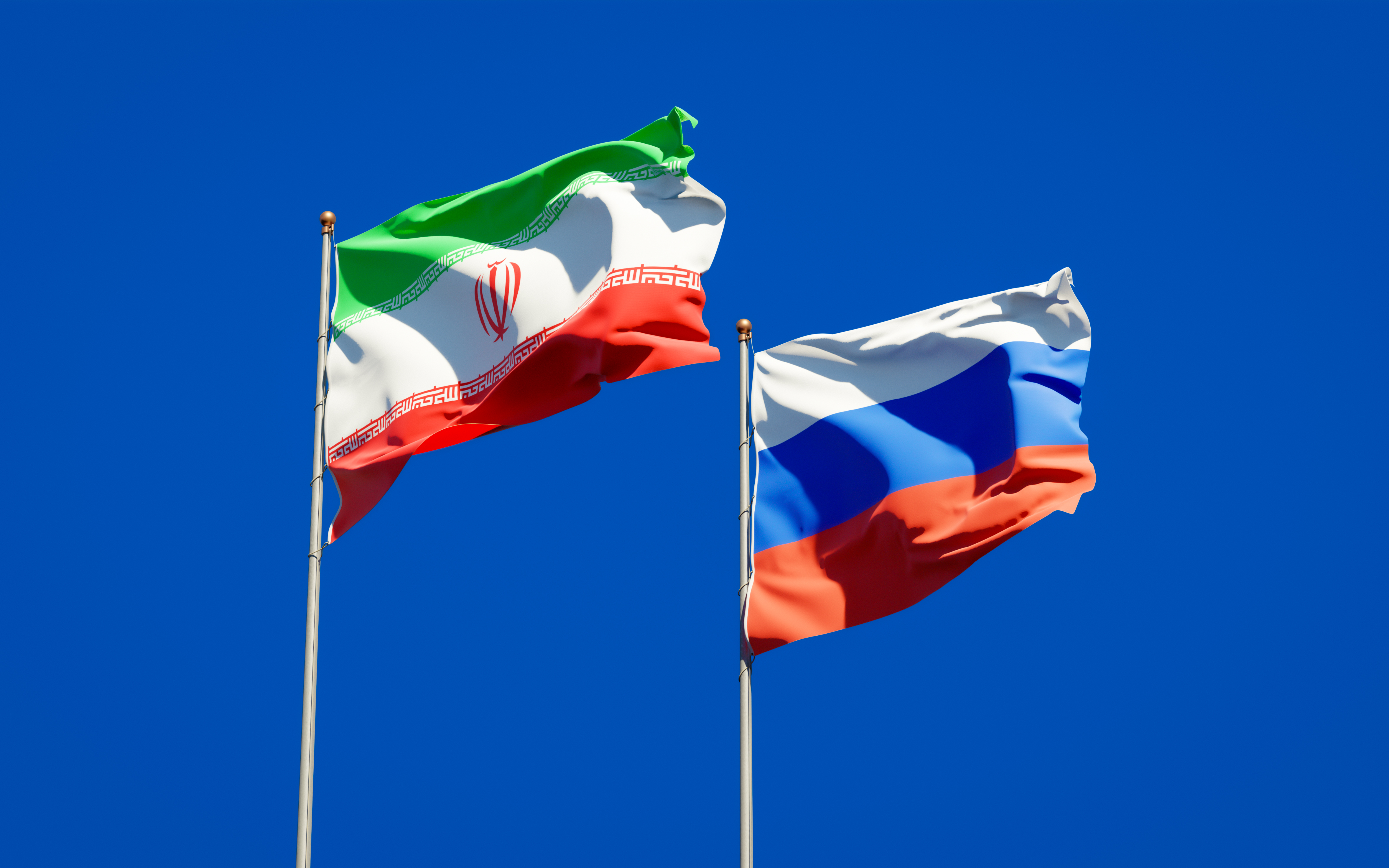
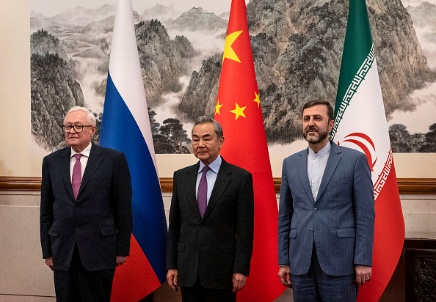
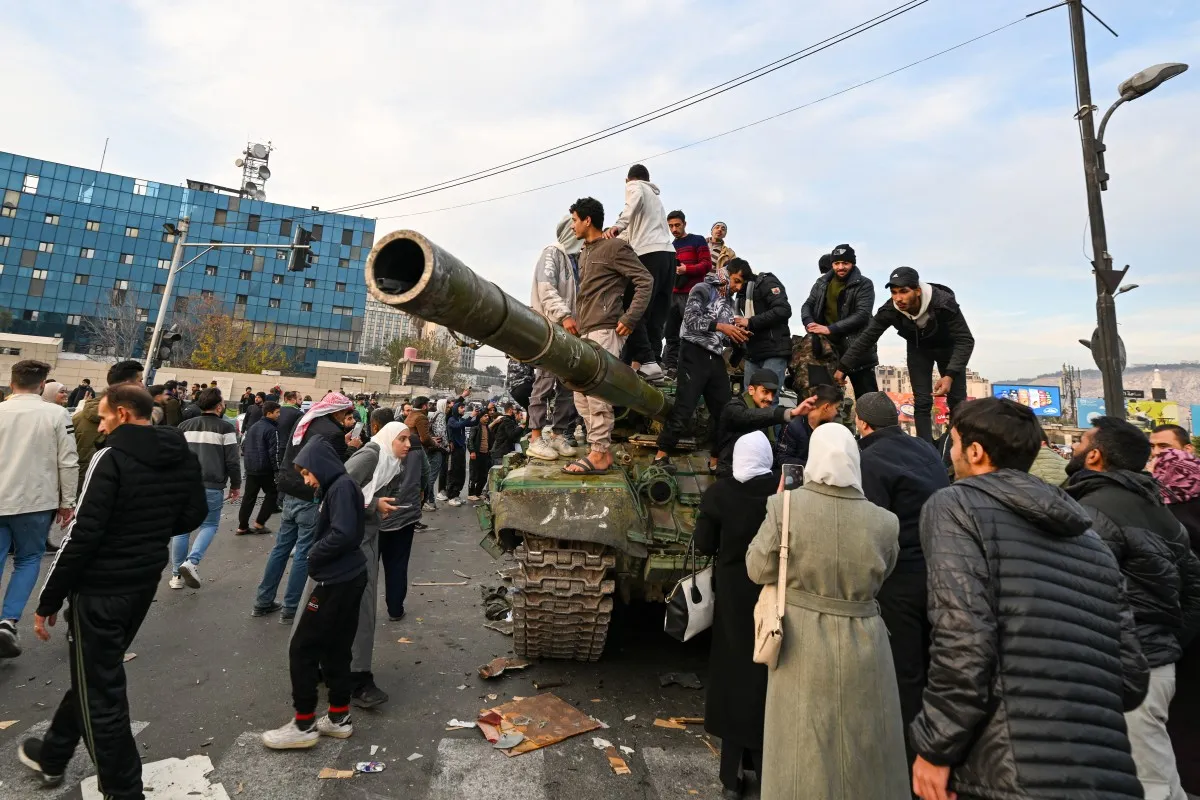
December 2025 reveals a Middle East unrecognizably transformed one year after Bashar al Assad's fall, with Syria's power vacuum drawing Turkey, Iran, and Russia into a high-stakes contest for dominance. Ankara asserts military leverage over Kurdish northeast territories, Tehran scrambles to salvage proxy networks severed from Damascus to Beirut, and Moscow clings to coastal enclaves amid economic strain forging opportunistic alliances that upend decades of rivalry. Syria emerges as the pivotal chessboard, where Turkish demands for SDF integration collide with Iranian-backed militias' defiance and Russian naval basing negotiations, redrawing security lines from Idlib to the Golan.
This "New Axis" blends cooperation against common foes like ISIS remnants with zero-sum scrambles for reconstruction spoils and border control. Turkey's neo-Ottoman push secures refugee returns and trade corridors; Iran's "Axis of Resistance" fractures without Assad's air cover, forcing militia realignments; Russia's Tartus base hangs by threads of HTS tolerance. Old Sunni-Shia divides persist, yet post-Assad pragmatism yields unlikely truces Turkish-Russian patrols in Afrin, Iranian-HTS non-aggression pacts amid uncertain futures where Damascus's interim government balances suitors or buckles under pressure. The stakes transcend Syria: a Turkish-dominated north risks Kurdish insurgency spillovers, Iranian retreats embolden Israel, Russian setbacks weaken Black Sea deterrence. As 2026 looms, this triad's maneuvering signals a volatile new security architecture, where yesterday's enemies broker tomorrow's order.
Turkey's Strategic Victory
Turkey stands as the undisputed winner in post-Assad Syria by December 2025, leveraging military presence and diplomatic clout to dictate terms on Kurdish integration while expanding economic footholds.
Demands for Kurdish Army IntegrationAnkara issued a stark December 15 ultimatum: Syrian Democratic Forces (SDF) dominated by U.S.-backed YPG must fully integrate into the Syrian national army by December 31, 2025, or face joint Turkish-Syrian military action. Foreign Minister Hakan Fidan declared, "one army, one command structure," echoing President Erdogan's October calls for "swift integration" to unify Syria under Damascus control, dissolving SDF autonomy in oil-rich northeast.
PKK Ceasefire RamificationsThe March 2025 PKK ceasefire Abdullah Ocalan's disarmament directive from prison rippled into Syria, pressuring YPG as PKK's offshoot. SDF leader Mazloum Abdi signed a preliminary March merger with HTS-led government, handing over checkpoints and Tishrin Dam, but delays sparked clashes; Turkey views non-compliance as existential threat, fearing a PKK corridor from Qandil to Manbij.
Northern Syria Buffer ConsolidationTurkey controls 8,000 sq km "safe zone" from Euphrates Shield/Afrin to Peace Spring/Tel Abyad, housing 1M refugees repatriated since Assad's fall. SNA proxies patrol alongside Turkish troops, securing buffers against ISIS and Kurds while facilitating HTS advances in 2024 offensive quid pro quo yielding de facto veto over Damascus policy.
Ties with Damascus Interim GovernmentAnkara forged Damascus partnership post-December 2024: military training MoUs, joint ops against SDF holdouts, and $2B reconstruction loans conditional on anti-Kurd measures. Erdogan hosted al-Sharaa in Ankara November 2025, pledging border security for recognition, positioning Turkey as Syria's kingmaker.
Economic Windfalls beckonTurkish firms eye $50B reconstruction: Aleppo textiles revived via tariff-free trade, Euphrates dams repaired, Gaziantep-Damascus rail relinked. Post-integration, SDF oil fields (400K bpd) flow through Turkish pipelines, slashing Ankara's Kurdish leverage costs while boosting lira via cross-border commerce. Turkey's victory reshapes the New Axis: empowered vis-à-vis weakened Iran/Russia, yet risks overreach igniting multi-front Kurdish revolt.
Employment & Industrial Footprint6.5M direct jobs (up 140% from 2022), with 2,000 MSMEs in Noida "Electronics Hub." Tamil Nadu's "App City" (Foxconn, Pegatron, Salcomp) employs 300K; UP's Moradabad cluster hits 500K in PCB assembly. Women workforce: 28% (vs. 12% 2022).
Iran's Catastrophic Losses
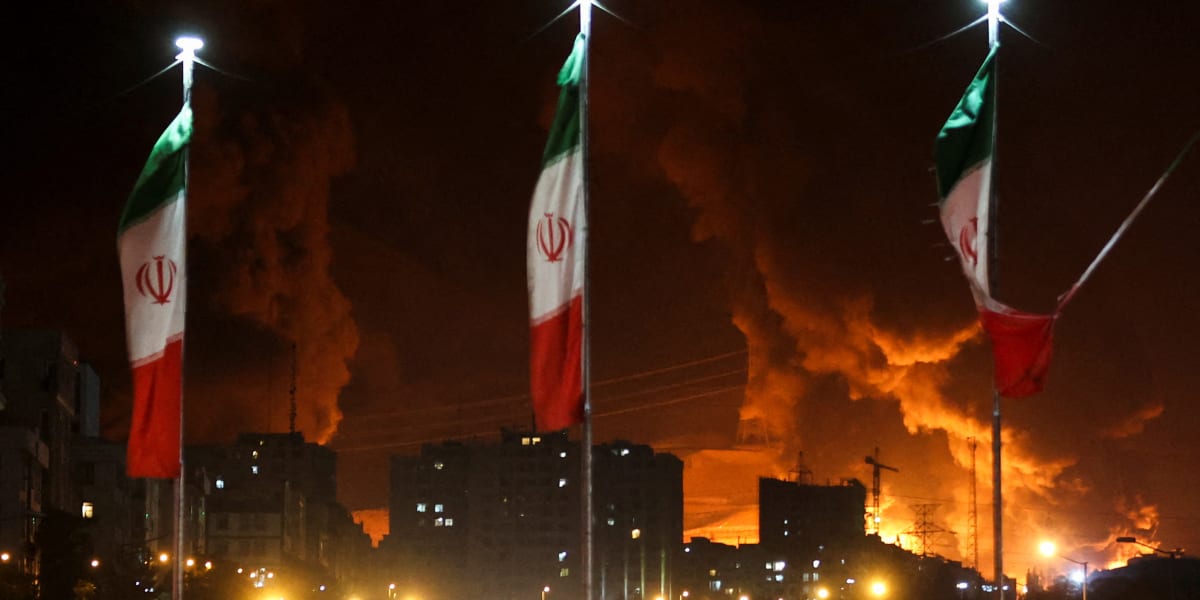
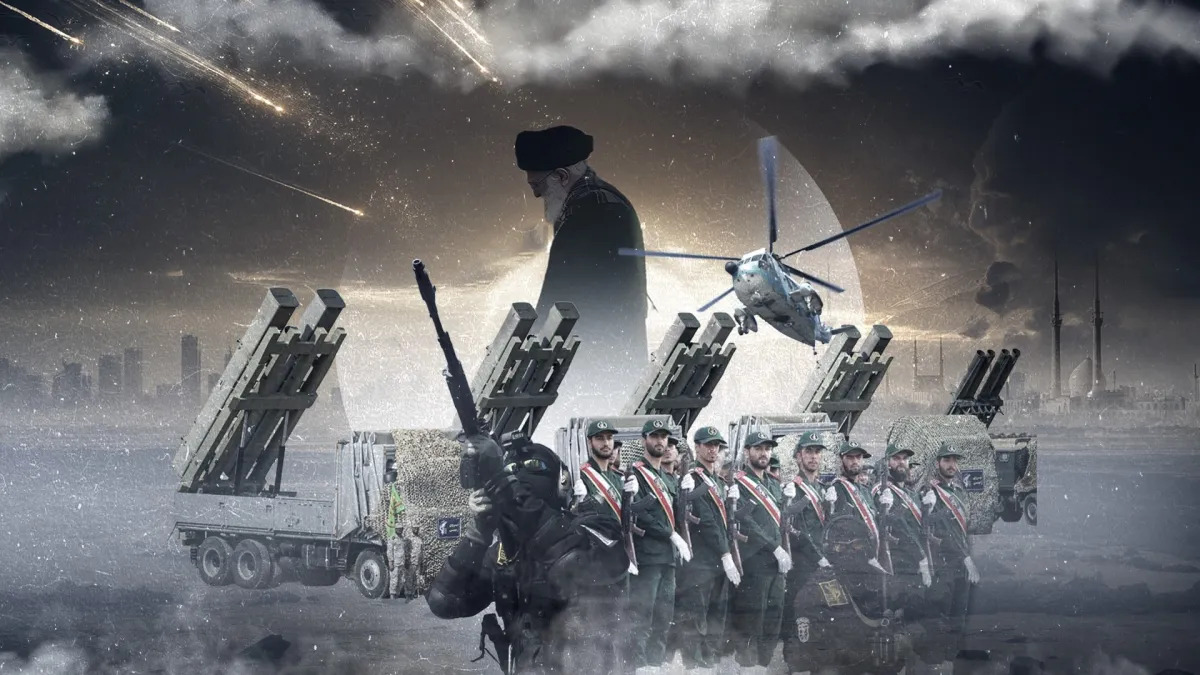
Iran's "Axis of Resistance" suffered a devastating rupture with Assad's December 2024 fall, severing its prized land bridge from Tehran to Hezbollah's Mediterranean doorstep and wasting billions in sunk investments.
Severed Land Bridge to HezbollahThe M5 highway once Iran's logistical lifeline snaking through Iraq, Syria, to Lebanon's Bekaa Valley lies shattered, with HTS forces severing supply convoys post-Homs capture. Precision strikes dismantled 50+ IRGC depots by January 2025, starving Hezbollah of 80% resupplies; Nasrallah admitted December 2025 "strategic isolation," forcing maritime smuggling via Cyprus at triple costs.
Wasted Billions on Assad RegimeTehran's $30-50B poured into Assad since 2011 via IRGC-Quds Force credits, oil shipments, and 3,000 "advisors" evaporated overnight, leaving militias like Fatemiyoun penniless and routed. Damascus airports, once funneling Fateh-110 missiles, now HTS-controlled; frozen Iranian assets in Syria total $10B, compounding sanctions strain.
Intelligence Shift: Missiles Over NukesDecember 2025 U.S. intel leaks reveal IRGC prioritizing hypersonic Fattah production over Natanz centrifuges, diverting 40% enrichment capacity to arm proxies amid Syrian vacuum. Khamenei's fatwa rhetoric masks desperation: Yemen Houthis, Iraqi PMF get upgraded Sejjil warheads, hedging Hezbollah's atrophy.
Dismantled Syrian Proxy Network10,000+ IRGC-backed fighters Afghan Fatemiyoun, Pakistani Zainebiyoun dispersed or defected; Deir ez-Zor enclaves fell to SDF March 2025, Palmyra abandoned. HTS amnesty lured 2,000 surrenders, gutting Tehran's forward bases against Israel.
Strategic Blow to Israel ConfrontationWithout Syrian air defenses, IDF strikes roam freely: 500+ sorties hit Iranian stockpiles since January, assassinating 12 Quds commanders. Golan buffer expands, exposing Tehran's "ring of fire" as broken chain April 2025 Damascus raid killed IRGC general, unchallenged.
Hezbollah's Lebanese Weakness ExposedBeirut's arsenal 150,000 rockets atrophied sans replenishment; October 2025 clashes with IDF depleted 30% stocks, Nasrallah suing for maritime truce. Lebanese economy craters further without Iranian cash flows routed via Syria.
Iraq Pivot as Last Resort?Tehran eyes Baghdad overland via PMF corridors, but U.S. patrols and Sunni backlash block scalability; drone shipments via Sulaymaniyah tripled 2025, yet vulnerable to Turkish strikes. Pivot risks Iraq implosion, forcing nuclear brinkmanship or Gulf détente. Iran's losses fracture the New Axis, ceding initiative to Turkey while scrambling for relevance in Syria's remaking.
Russia's Painful Recalibration
Russia's post-Assad footing in Syria hangs precarious by December 2025, forcing Moscow into pragmatic retreats from its Mediterranean stronghold amid Ukraine quagmire drains.
Tartus Naval Base in LimboTartus Russia's sole Mediterranean warm-water port faces eviction threats as HTS interim government demands rent hikes from $10M to $100M annually, plus base shrinkage from 50 to 20 hectares. December 10 negotiations stalled over arming local militias; Putin vetoed full withdrawal but greenlit partial drawdown, slashing berths from 12 to 4 warships amid Black Sea losses.
Khmeimim Airbase Under NegotiationLatakia's Khmeimim, Wagner's former hub, teeters: Syrian transitional authorities insist on joint command, barring Su-35 sorties without Damascus nod. November 2025 deal caps 1,000 personnel (down from 5,000), trading basing rights for $500M reconstruction aid and HTS anti ISIS ops transactional swap exposing ideological divorce.
Assad Asylum's Double-Edged SwordDecember 8, 2024, Moscow granted Assad family asylum at elite dachas, laundering $2B assets but alienating Damascus: al-Sharaa branded him "fugitive tyrant," barring Russian intel sharing. Putin's protector role backfired, costing leverage as HTS pivots Turkish arms deals.
Mediterranean Foothold ErodesBlack Sea Fleet halved by Ukrainian drones leaves Tartus as vital resupply for Wagner remnants and arms to Africa; yet HTS patrols encroach, with December clashes killing 12 Russians. Lavrov's "strategic partnership" pleas ring hollow sans Assad patronage.
Ukraine War Saps Middle East Focus1,400+ days into Ukraine invasion, 600K casualties and $200B costs divert Su-57s, Iskanders from Syria; Pokrovsk meatgrinder starves Mediterranean reinforcements, forcing reliance on decayed S-300s vulnerable to Israeli F-35s.
Transactional Ties with HTS RegimeGone ideological Baathist brotherhood: Moscow pays HTS protection fees, trades Wagner prisoners for basing, supplies non-lethal gear for border patrols. Al-Sharaa extracts S-400 tech transfers, positioning Russia as junior partner to Turkish patron.
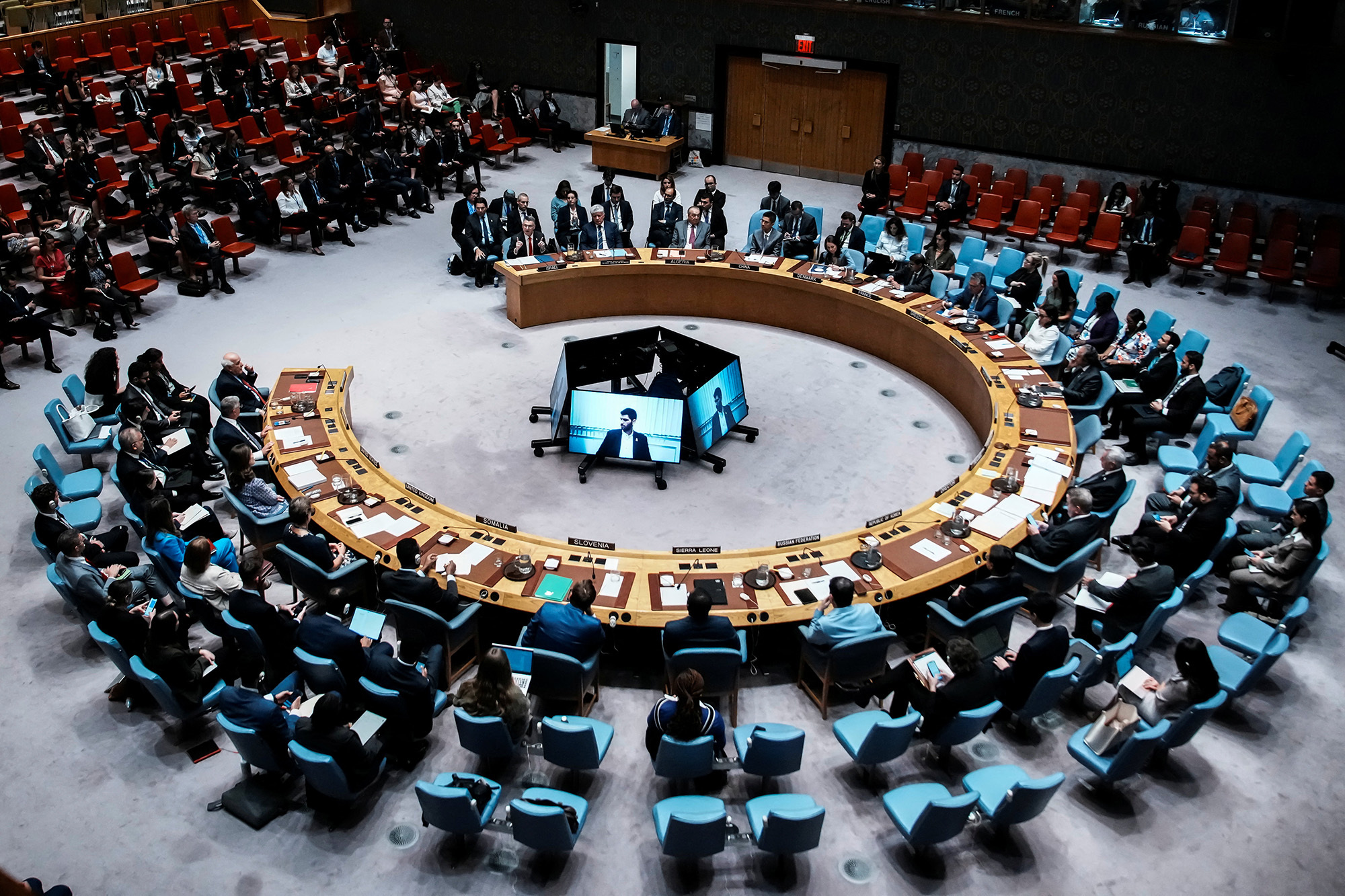
Influence Without Assad? Dicey ProspectsBereft of dictator proxy, Moscow clings via divide-and-rule: funding Alawite coast militias, vetoing UN sanctions. Yet without air superiority or cash, influence wanes Turkey dictates north, Iran licks wounds east, HTS owns center. Recalibration risks expulsion by 2027 absent concessions. Russia's Syria grip slips in the New Axis shuffle, bartering bases for bare survival amid great power overstretch.
The Kurdish Question and Regional Stability
The Syrian Democratic Forces (SDF) predominantly Kurdish YPG/YPJ hold de facto control over northeast Syria's 25% of territory by December 2025, including oil fields producing 80,000 bpd and fertile Euphrates valleys sustaining 4 million residents.
U.S. Troop Presence Under Scrutiny2,000 U.S. troops at 10 bases from Hasakah to Kobane provide SDF air cover and anti-ISIS ops, but President Trump's December 15 announcement signals reduction to 1,000 by mid-2026, prioritizing "America First" amid Ukraine demands. CENTCOM's $500M annual sustainment faces cuts, with advisors urging "transition to Syrian army integration" per March HTS pacts.
Turkey's PKK EquationAnkara equates SDF with PKK terrorists, citing unified command under Mazloum Abdi and Qandil links despite 2025 PKK ceasefire. Erdogan demands full dissolution into Damascus forces by December 31, threatening Operation Clarity 3.0 after 2019 incursions displacing 200,000; Turkish drones struck 50 SDF positions in October, killing 120.
Limited Clashes Amid ThreatsDespite rhetoric, 2025 saw restrained fighting: SDF-HTS clashes in Manbij (July, 300 dead) and Hasakah patrols yielded to U.S.-brokered truces. No major Turkish buildup per December SDF intel no troop concentrations beyond Euphrates Shield zone signals Ankara's preference for proxy SNA pressure over full invasion, wary of quagmire.
Autonomy Dreams vs. Unity PressuresRojava's autonomous councils women's co-ops, secular assemblies dream federalism modeled on Iraqi KRG, but Damascus insists "one flag, one army" per March 29 constitution. Abdi's partial integration (joint checkpoints, oil revenue shares) buys time, yet Kurdish parliamentarians decry "cultural erasure," risking insurgency if autonomy evaporates.
Iraqi KRG: Model or Cautionary Tale?Erbil's semi-autonomy post-2005 constitution with peshmerga, oil sales via Turkey offers blueprint: SDF eyes Kirkuk-style referendums. Yet KRG warnings loom: 2017 independence vote triggered Baghdad/Iran blockade, ISIS exploitation of divides. Rojava risks similar isolation sans U.S. shield.
U.S. Withdrawal ScenariosIf troops halve:
Optimistic: SDF folds into HTS army, Turkish guarantees neutralize PKK, oil flows fund reconstruction ($20B/year potential).
Pessimistic: Turkey invades east Euphrates, ISIS revives in vacuums (1,000 fighters active), HTS-SDF war fragments northeast, refugee waves hit Iraq/Jordan.
Likely Hybrid: Partial drawdown forces Abdi's full merger, Ankara vetoes autonomy but tolerates cultural enclaves for economic access buffer stability over eradication.
Kurdish question tests New Axis cohesion: Turkey extracts concessions, HTS gains manpower, Iran eyes PMF corridors through SDF cracks. Stability hinges on Damascus arbitration, where overreach ignites multi-front fires
Israel's Expanded Security Buffer
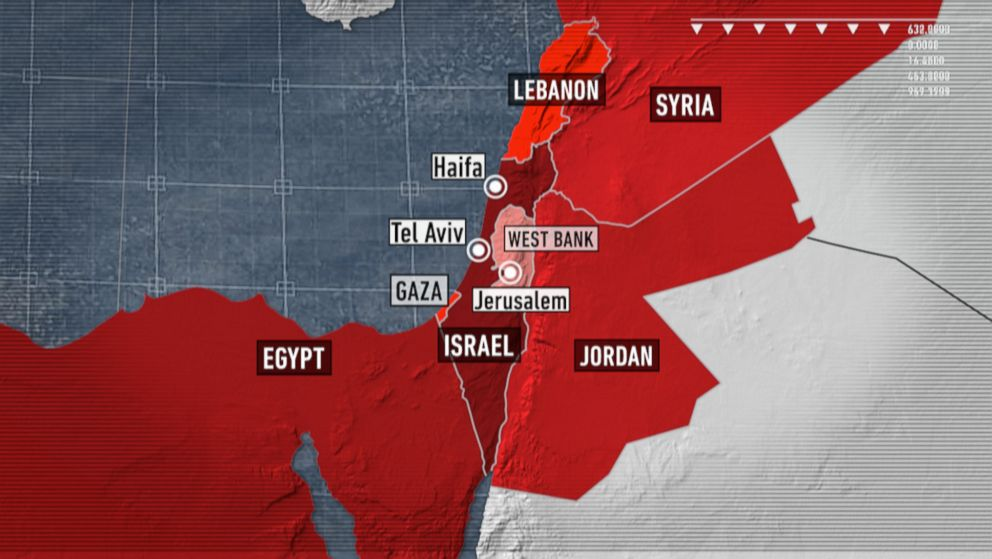
Israel capitalized on Syria's post-Assad chaos to fortify its northern frontier, expanding the Golan Heights buffer zone amid unchecked strikes on former regime assets.
Fiscal & Trade ImplicationsTax revenue windfall: ₹1.2 lakh crore GST (2026), funding 0.8% GDP defense hike. Trade deficit with China shrinks $20B via Vietnam/Japan JVs. Rupee forex reserves swell $50B from electronics remittances.
Golan Buffer ExpansionBy December 2025, IDF holds positions 20km deep into Quneitra and Daraa, beyond 1974 disengagement lines, justified as "temporary security measures" against Iranian remnants and HTS uncertainties. Checkpoints and razor wire encircle Druze villages, displacing 5,000 Syrians since January. Persistent Strikes on Infrastructure
Israeli jets logged 600+ sorties in 2025, pulverizing S-300 batteries, Scud depots, and chemical sites in Palmyra and Homs targets inert under Assad but potential HTS windfalls. No Syrian air response materialized, affirming Tel Aviv's uncontested skies post-Russian retrenchment.
Netanyahu's "Facts on Ground"Bibi's strategy mirrors West Bank settlements: de facto annexation via outposts housing 2,000 troops, water diversions from Yarmouk basin, and settler farms. Knesset passed "Golan Security Law" extension November 2025, codifying indefinite control pending "stable neighbor."
Muted Arab ResponseUnlike Gaza fury, Riyadh-Cairo-Doha issued tepid protests focused on "de-escalation"prioritizing anti-Iran gains over Palestinian solidarity. HTS non-aggression pacts with Israel tacitly enable focus on Turkey/Kurds.
Druze Protection PledgeIsrael airlifted aid to 20,000 Suwayda Druze December 2025, framing buffer as shield against Alawite militias; spiritual leader vows neutrality but accepts IDF patrols, buying quiet acquiescence.
Annexation or Temporary?Permanent absorption whispers grow: Likud eyes referendum post-2026 elections, but U.S. Trump nods condition on anti-Hezbollah barriers. Temporary label masks long-game: Syria's weakness yields Israeli dominance from Golan to Lebanese border. Israel's buffer reshapes New Axis edges, checking Iran/Turkey while HTS consolidates core.
Conclusion: Multipolar Middle East Emerging
Post-Assad Syria births a multipolar arena where no hegemon reigns supreme, supplanting U.S. unipolarity with competitive spheres.
Hegemonic VacuumGone unipolar dominance: U.S. pivots Asia, yielding to local powers maneuvering without veto. .
Proxy to Direct CompetitionShadow wars evolve overt: Turkey-SDF deadlines, Iran-PMF incursions, Russia-HTS rents signal state-vs-state frictions over militia proxies. .
Syria as Regional LitmusDamascus tests order: HTS success spawns Salafi models, failure invites jihadist revival or partition.
Iran Diminished, ResilientTehran licks wounds bridge severed, proxies halved but Iraq/Yemen sustain "resistance," nuclear hedge looms.
Turkey Ascendant, StretchedAnkara's north grip expands writ, yet Kurdish revolts, Greek tensions, economic woes (50% lira crash) cap overreach.
Russia Relevant, RecedingBases barter survival, Africa pivots compensate Mideast slippage.
U.S. Pivotal DeclinerTrump's transactionalism sanctions toggles, troop trims retains swing vote amid Europe dithers.
FDI surge: $3B Apple/Micron commitments boost electronics GDP to 8% (₹24 lakh Cr).
Job creation: 50K high-skill roles in Sanand/Noida; women at 32%.
Export leap: $4B chip exports (2026), narrowing China trade gap $15B.
Geopolitical SynergyWeimar Triangle offset: India's chip pivot aligns with German-Indian BEL-Saab electronics for PzH 2000 fire control, embedding New Delhi in Euro-NATO supply chains post-Ramstein drawdowns.
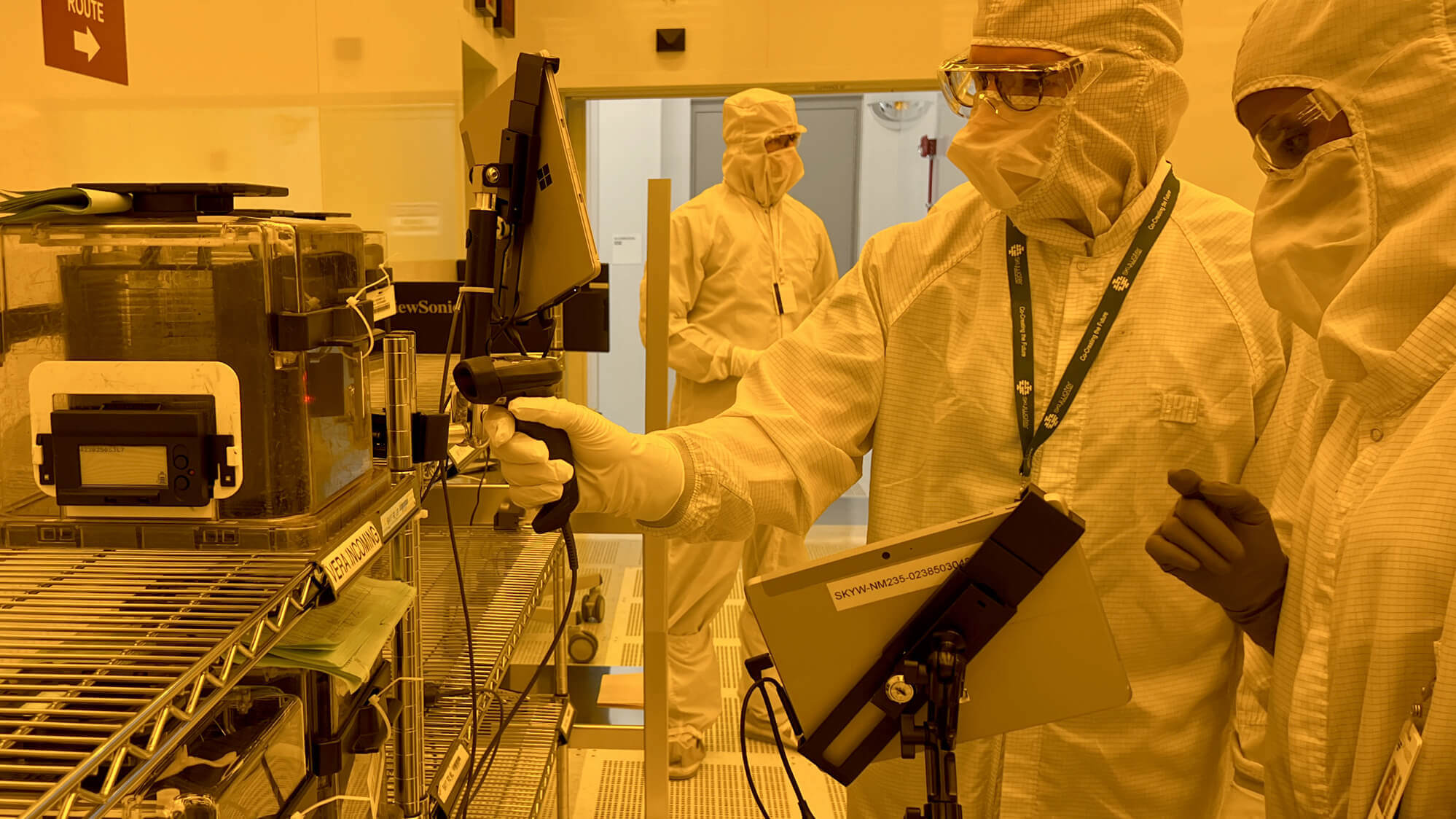
India's electronics boom, propelled by PLI schemes and semiconductor missions, has created over 100,000 specialized high-tech jobs in Gujarat and Karnataka by January 2026, transforming these states into global hubs for chip assembly, OSAT, and semiconductor fabrication amid Apple/Micron shifts from China.
Gujarat's Semiconductor Epicenter: 60,000 Jobs in Sanand-DholeraSanand "Chip Valley" (Micron/Tata-PSMC hub): Micron's $2.75B ATMP plant (120K wafers/month, 28nm DRAM) employs 25,000 engineers—10K in backend packaging (CG Semi JV), 8K test/validation, 7K R&D (yield optimization, failure analysis). Tower Semiconductor OSAT (40nm nodes) adds 15K roles: wafer probing, dicing, die bonding for Apple's PMICs/DDICs. Job profiles: Process Engineers (₹15-25L), Yield Analysts (₹12-20L), Equipment Technicians (₹8-12L); 45% women via Gujarat Skill Mission training (50K certified).
Dholera SIR expansion: Tata-PSMC fab (50K wafers/month) + Foxconn EV battery lines create 20,000 jobs—5K in lithography/cleanroom ops, 10K supply chain (SPEL capacitors, Kaynes PCBs). Average salary: ₹18L; unemployment drops 2.3% in Ahmedabad-Gandhinagar.
Karnataka's Electronics Powerhouse: 45,000 Jobs in Bengaluru-NarasapuraNarasapura "App City" (Tata Electronics/Foxconn): Tata's 60K capacity PPS plant (iPhone semis) hires 20,000 specialists—12K assembly/test (AOI, X-ray inspection), 5K firmware (embedded C for PMICs), 3K QA (IPC-A-610 standards). Foxconn-Pegatron cluster: 15K roles in OSAT for AirPods (LPDDR4 modules), with Dixon Tech adding 5K PCB design/SMT engineers.
Bengaluru EMS ecosystem: Veddis Pharma displays + Qualcomm 5nm testbed generate 10,000 jobs—4K IC design (Cadence tools), 3K characterization (Keysight testers), 3K data scientists (AI yield prediction). Women in tech: 35% (up from 18% 2022) via Infosys-Wipro academie
Economic Ripple EffectsMultiplier: Each high-tech job creates 3.2 indirect (logistics, vendors); total ecosystem: 350K jobs. State GDP boost: Gujarat +1.8% (₹2.1 lakh Cr), Karnataka +2.4% (₹3.8 lakh Cr). Migration: 2M inflows, housing boom in Sanand (50K units).
Weimar linkage: Gujarat fabs supply BEL-Saab electronics for PzH 2000 fire control, securing Euro defense orders amid NATO pillar shifts.
India's semiconductor boom in Gujarat has ignited a fierce controversy over water diversion from agricultural canals to quench the ultra-pure water thirst of fabs like Micron's Sanand ATMP plant and Tata-PSMC's Dholera facility, pitting high-tech ambitions against farmers' livelihoods in a state already grappling with chronic water scarcity.
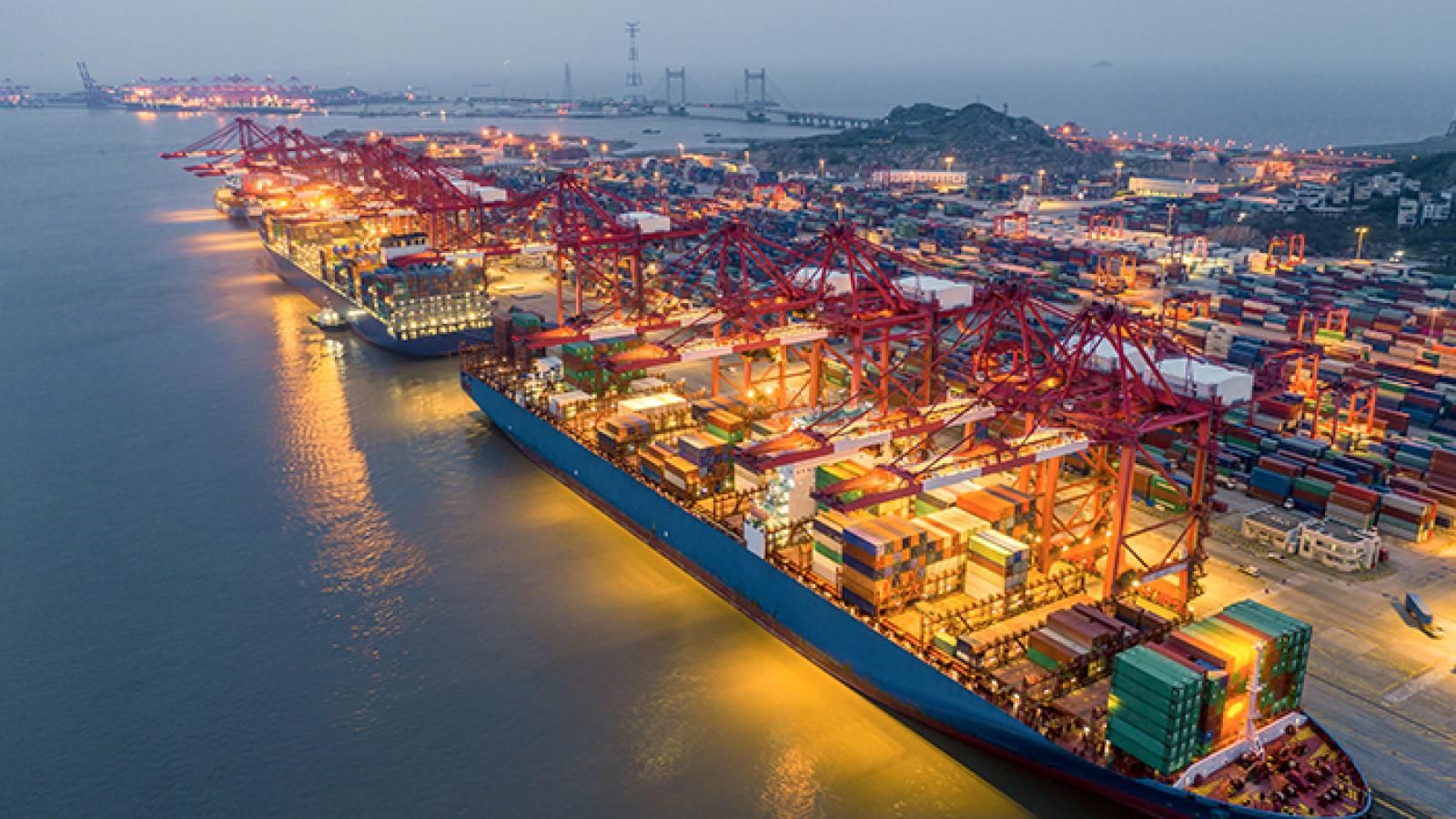
Fabs' Insatiable Water DemandSemiconductor manufacturing requires 10-15 million liters/day per fab for ultra-pure water (UPW)—Micron Sanand alone consumes 12M L/day (equivalent to 24M bottles), recycled 80% via ZLD but needing 2.4M L/day fresh input for cleanroom rinsing, chemical dilution, and cooling towers. Dholera SIR cluster (5 fabs by 2027) projects 75M L/day total, surpassing Ahmedabad's daily needs for 100K households. Gujarat govt diverted Sabarmati canal allocations (15% of Narmada link, 50 MCM/year) via executive order Dec 2025, prioritizing "strategic industries" over rabi crops.
Farmer Protests and Canal DisruptionsKheda-Mehsana farmer unions (50K members) blockaded Sanand highway Jan 15, 2026, after 25% irrigation cuts to Narmada Main Canal Branch-3—wheat yields down 32% (12Q/ha vs. 18Q/ha), cotton fields parched across 1.2 lakh hectares. "Chip vs. Crop" agitation demands moratorium; violence erupted when police cleared 200 tractors from Micron gates. Water mafia nexus: Leaked Narmada Rehab Corp docs reveal ₹450 Cr "facilitation fees" to secure 200 MCM/year from Sardar Sarovar Reservoir (30% of SSP irrigation quota redirected).
Govt Response and Mitigation ClaimsGujarat Water Resources Dept defends via dedicated desalination plant (50M L/day, Mundra based, ₹1,200 Cr)—50% subsidized under Semicon Policy 2.0, piping UPW-grade water 80km to Sanand. ZLD mandates: Fabs achieve 85% recycle (RO+multi-effect distillation); effluent piped to CETP Tarsali (zero river discharge). Critics slam energy intensity (4 kWh/m³ desalination) spiking power tariffs 12% for farmers.
Environmental and Equity FaultlinesSabarmati drying: Downstream Vasna barrage flows cut 40%, triggering salinity ingress 25km inland—fish kill 200 tonnes, shrimp farms bankrupt. Groundwater plunder: Sanand block overexploited (108% extraction); fab borewells tap 1,200m aquifers, dropping water table 8m/year. Women-led protests (Gujarat Kisan Union) highlight drinking water tankers diverted to fabs, leaving 150 villages on JCB supply.
Conclusion: India's Semiconductor Leap Amid Labor Gains and Water WarsIndia's electronics sector—now powering 8% of GDP (₹24 lakh Cr)—marks a strategic masterstroke, with Apple/Micron shifting 20% legacy chip procurement from China via Gujarat's Sanand ATMP and Tata-PSMC fabs, unleashing 100,000 high-tech jobs in cleanroom engineering, OSAT packaging, and yield optimization across Karnataka's Narasapura and Bengaluru clusters.
Yet this high-stakes pivot collides with water intensity controversies, as Micron's 12M L/day ultra pure water thirst diverts Sabarmati canal flows from 1.2 lakh hectares of parched farmland, sparking Kheda farmer blockades and salinity crises—desalination ramps (100M L/day Mundra plant) promise relief, but equity faultlines threaten BJP's "Viksit Gujarat" narrative amid AAP probes.
Global synergy endures: Labor windfalls (₹18L avg salaries, 35% women) and de-risked supply chains fortify India's role in Weimar Triangle defense electronics (BEL-Saab PzH 2000), cementing New Delhi as NATO's Eastern anchor while U.S. retrenchment reshapes Euro-Asian security architectures.