When Crime Crosses Borders Europe’s Fight Against Transnational Networks and Internal Security Risks
For years, organised crime in Europe was often treated as a domestic law-and-order issue: police versus gangs, customs versus smugglers, prosecutors versus money launderers.
That picture no longer fits.
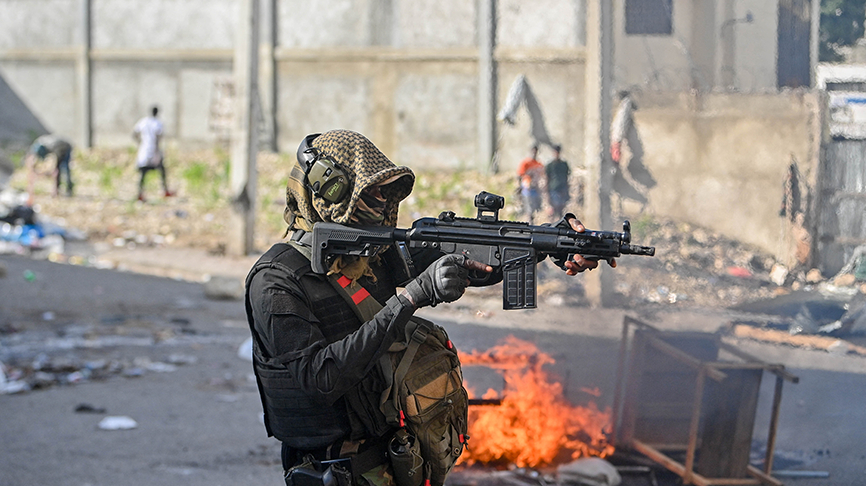
Across the continent, highly violent, transnational criminal networks – many with roots in Latin America and other regions – are embedding themselves in Europe’s ports, logistics chains and financial centres. They move cocaine, synthetic drugs, weapons and people; they launder billions through shell companies and crypto; and they exploit digital infrastructure to coordinate, threaten and extort.
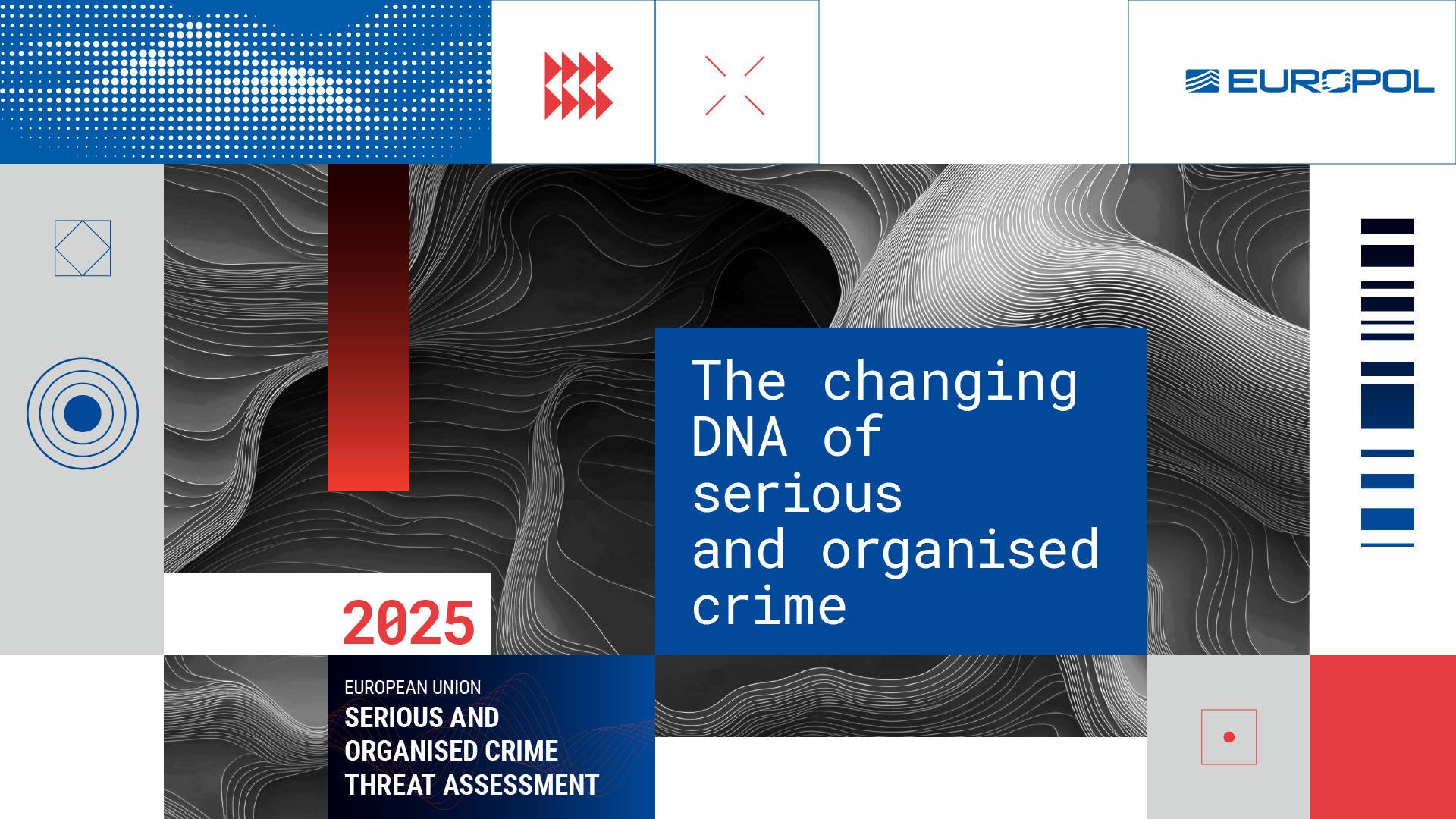
Europol’s EU Serious and Organised Crime Threat Assessment 2025 (EU-SOCTA) calls serious and organised crime “one of the greatest security threats facing the European Union today,” evolving at “an unprecedented pace” and increasingly intertwined with hybrid threats and geopolitical instability.
A July 2025 Council of the EU paper puts it more bluntly: organised crime has become a “global force” that reshapes economies, infiltrates institutions and erodes democratic resilience. It identifies 821 criminal networks, with more than 25,000 members from 112 nationalities, as the most threatening to the EU.
This isn’t just about crime statistics. It’s about internal security, state stability and the future of European integration.
In this article we’ll explore:
How transnational crime has morphed into a hybrid security threat
What Europe’s experience reveals about trafficking, ports and money flows
How the EU and member states are adapting their policies and cooperation
Why this matters for global governance, migration and fragile states
What governments, businesses and civil society can do now
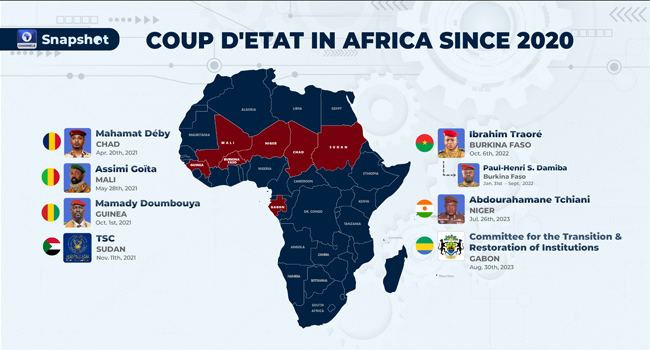
We’ll also connect these developments to themes from our earlier analyses on AI in cyber warfare, African coups and the Sahel and the EU’s Centre for Democratic Resilience – because organised crime is increasingly woven into the same tapestry of hybrid threats, disinformation and state fragility.
1. From “organised crime” to hybrid security threat
Traditional organised crime is about profit: drugs, extortion, trafficking, fraud. That hasn’t changed. What has changed is scale, connectivity and entanglement.
Evolving DNA of serious and organised crime
The EU-SOCTA 2025 highlights three shifts:
Destabilising society: Crime doesn’t just harm victims; it undermines political, economic and social cohesion, feeding corruption, violence and distrust in institutions.
Nurtured online: Organised crime is “increasingly nurtured online.” Digital platforms, encrypted messaging, crypto and the dark web are now core infrastructure for recruitment, coordination and money flows.
Accelerated by AI and new technologies: AI boosts the speed, scale and sophistication of crime: from deepfake-driven extortion to automated fraud and enhanced cyber-attacks.
Europol warns that serious and organised crime is “increasingly intertwined with hybrid threats originating externally,” often executed through criminal proxies that also serve the geopolitical interests of hostile actors.
In parallel, the Council’s July 2025 paper stresses that organised crime is:
Agile – quick to exploit crises and new technologies
Borderless – active across jurisdictions and continents
Controlling – embedding in specific hubs and communities
Destructive – corroding rule of law, markets and social cohesion
It’s not hard to see the overlap with hybrid warfare, which blends cyber-attacks, disinformation, economic coercion and proxy actors – a pattern we explored in The Rise of AI in Cyber Warfare and in our piece on Australia’s state-sponsor terrorism law.
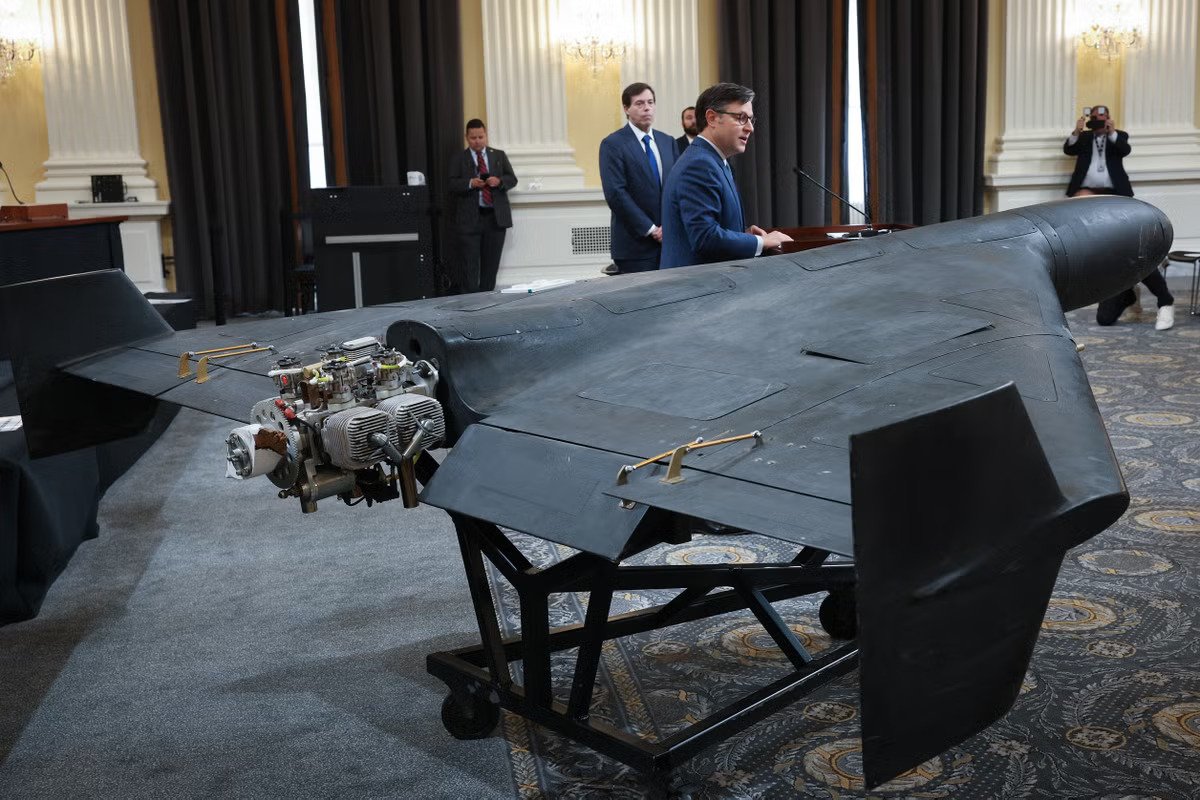
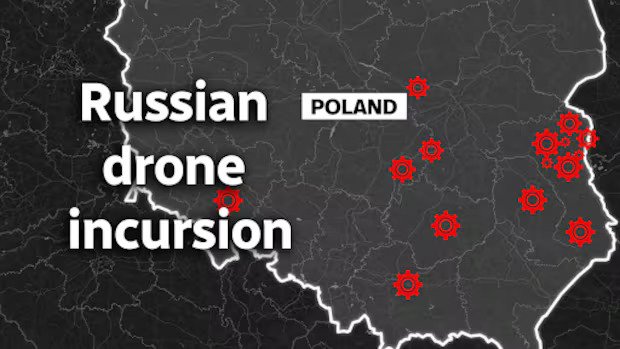
Recent reporting makes that connection explicit: Europol and EU officials have warned that Russia and other state actors are using criminal gangs to conduct sabotage, arson and cyber-attacks in the EU, blurring lines between crime and geopolitical coercion.
2. Europe’s case study: cocaine, ports, trafficking and money
Europe’s experience over the past decade reads like a textbook on how transnational crime exploits globalisation.
The cocaine superhighway
The cocaine market is a prime example. Europol and UNODC analyses show:
Latin America remains the production hub, but trafficking routes have diversified, with more direct shipments to Europe.
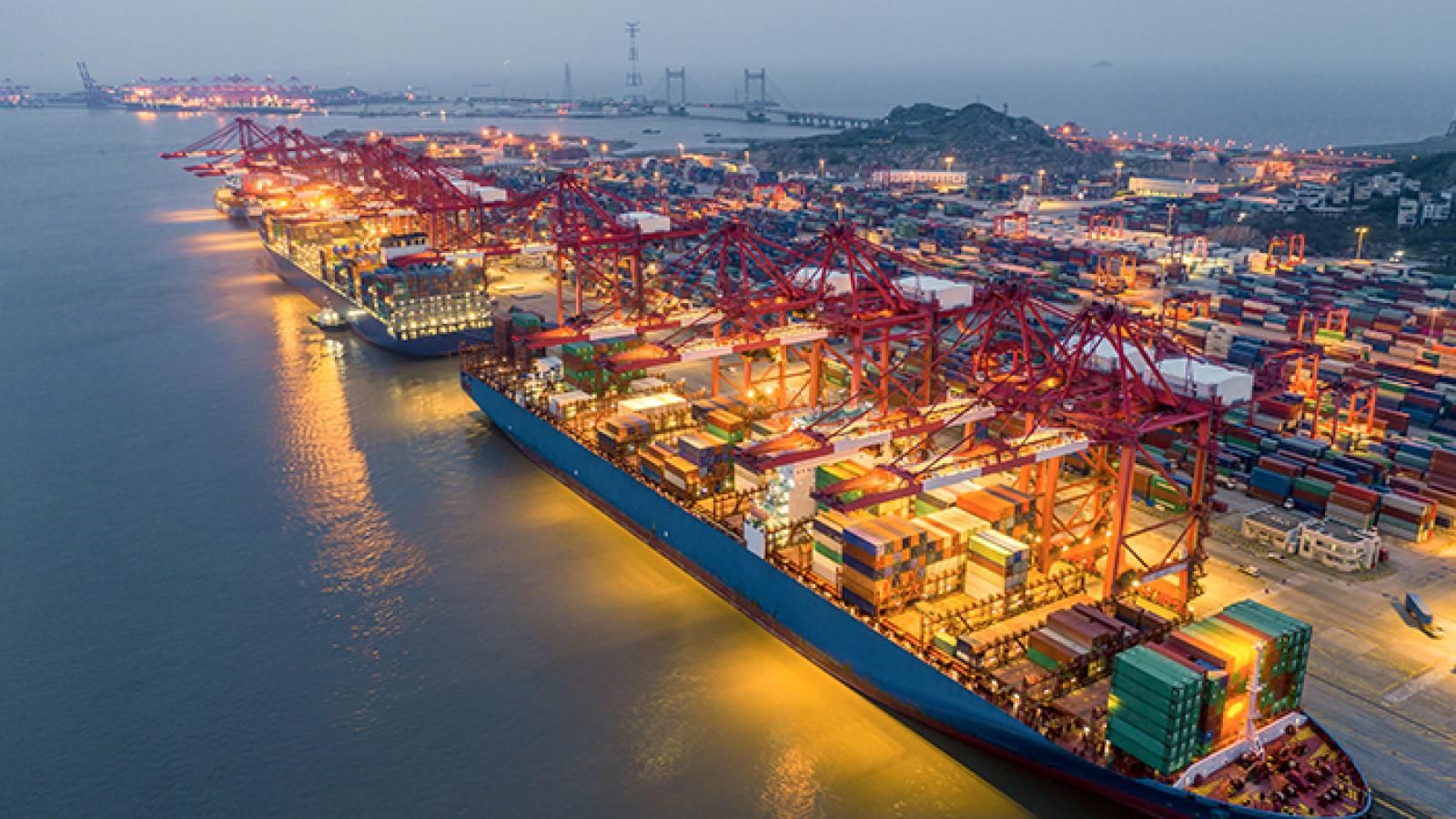
North-western European ports – especially Antwerp, Rotterdam and Hamburg – have become key gateways.
Large consignments are hidden in containers, often via intermediate hubs such as West African or North African ports (e.g. Morocco).
Belgian and Dutch authorities have seized record quantities at ports, even as recent statistics show a decline in seizures – which analysts warn may reflect traffickers’ adaptation rather than a real drop in flow.
In late 2025, the U.S. Homeland Security Secretary and the Belgian Prime Minister stood together in Antwerp, announcing joint efforts against transnational drug smuggling, underlining that criminals “operate without borders” and that ports are now frontline security sites.
Latin American and “imported” criminal networks
Alongside home-grown groups, Europe is seeing the footprint of Latin American cartels and associated networks:
The so-called “Mocro Maffia”, rooted in Dutch–Moroccan circles, acts as a key connector between Latin American suppliers, North African transit points and European markets, with violence spilling into Belgium, the Netherlands and beyond.
Europol notes that drug trafficking fuels half of the most threatening criminal networks in the EU and accounts for roughly one-fifth of all criminal revenues, which are then laundered and reinvested into legal sectors.
The result is a violence gradient stretching from Latin American production zones to European consumption markets, with intermediate countries – including previously peaceful transit states – destabilised along the route.
Human trafficking, smuggling and exploitation
Drug routes overlap with human trafficking and migrant smuggling:
The Council notes that forced labour generates an estimated $236 billion in illegal profits annually, while migrant smuggling yields substantial gains for criminal networks exploiting vulnerable populations.
EU-SOCTA 2025 describes how trafficking in human beings and migrant smuggling are deeply integrated into broader criminal ecosystems that also manage drugs, firearms and fraud.
These flows feed directly into political debates on migration and asylum – the same debates reshaping EU internal security and which we covered in How Upcoming U.S. and EU Elections Are Influencing Global Security Strategies.
Money laundering, corruption and “shadow governance”
Behind every trafficking route is a financial architecture:
Global money laundering is estimated at 2–5% of global GDP; the Council paper stresses how these flows distort markets and embed illicit profits in the legal economy.
The EU Public Prosecutor’s Office (EPPO) had 2,666 active investigations at the end of 2024 into frauds affecting the EU budget, with estimated damages of €24.8 billion – more than half linked to VAT fraud.
EU-SOCTA and the Council both underscore a key point: where corruption erodes trust, criminal networks can present themselves as alternative authorities, offering illicit jobs, loans or “protection” – a dynamic worryingly similar to what we see in fragile states and conflict zones.
This is where internal security meets the themes of state fragility and coups we explored in African Coups and the Global Response: criminal governance and strategic corruption weaken the state from within.
3. The policy response: Europe’s internal security “stand-up”
Recognising the scale of the threat, EU institutions and member states are moving to recalibrate internal security policy.
EU-SOCTA as the compass
EU-SOCTA 2025 is designed to guide the multi-annual cycle of the European Multidisciplinary Platform Against Criminal Threats (EMPACT) – the EU’s framework for prioritising and coordinating joint operations against key crime threats.
It frames serious and organised crime as:
A strategic internal security priority, on par with terrorism and cyber-threats
A phenomenon requiring integrated responses across police, customs, financial intelligence, digital regulation and foreign policy
This fits into a wider shift we’ve already seen in EU thinking, from “classic” crime control to systemic resilience – similar to the logic behind the European Democracy Shield and the Centre for Democratic Resilience we analysed in our piece on EU disinformation defence.
Council agenda: internal security, migration and governance
Draft Council agendas for the second half of 2025 flag a push towards “a new European internal security governance”, alongside implementation of the Pact on Migration and Asylum.
Meanwhile, the European Parliament’s November 2025 agenda includes Commission proposals for the Multiannual Financial Framework 2028–2034, explicitly covering “asylum & migration, borders & visas, and internal security” – signalling that internal security will be a core budgetary heading, not a side topic.
In practice, this means:
Larger, more coordinated funding for police and judicial cooperation (Europol, Eurojust, EPPO)
Continued investment in border management and returns – but with more attention to smuggling networks and their finances
Moves toward a cross-cutting internal security strategy, as suggested by analysis from think tanks such as the Jacques Delors Institute.
External action: Europe and Latin America
Because so much of Europe’s crime problem is transnational, Brussels is also deepening security ties with partner regions:
At the CLASI-EU 2025 ministerial, EU and Latin American ministers agreed on a joint approach to transnational organised crime, including cooperation on AI in organised crime, financial investigations and judicial networks.
The EU has stepped up collaboration with Colombia, Mexico and others on drug trafficking and money laundering, recognising that enforcement purely at European borders is not enough.
France has even called for an EU-level sanctions regime against cross-border organised drug crime, including asset freezes and travel bans – treating some criminal actors more like terrorists or hostile foreign agents than traditional gangsters.
Ports, logistics and critical nodes
At the operational level, several EU states have launched targeted initiatives:
Germany’s Interior Ministry has announced measures to secure ports against drug cartels, including new scanning capabilities and tighter public-private cooperation.
The U.S.–Belgium cooperation at Antwerp aims to create a model for transatlantic port security, blending customs, data analytics, financial intelligence and joint investigations.
Taken together, these steps amount to an internal security “stand-up”: the recognition that keeping Europe safe now requires coherent, multi-layered responses spanning borders, sectors and institutions – similar in spirit to what we described in Securing the Unseen: Telecoms, Devices and Cyber Threats.
4. Why it matters globally: crime, fragility and migration
Europe’s struggle with transnational crime is not an isolated story. It offers a window into global dynamics that link security, development and migration.
State fragility and “criminal governance”
Research tied to EU-SOCTA and other studies underscores how serious and organised crime:
Exploits instability, corruption and weak institutions
Diverts public funds and undermines services, from health to infrastructure
Creates shadow economies where businesses avoid formality to escape extortion
Allows criminal networks to act as de facto authorities, providing “jobs” and social support in place of the state
These are the same conditions we see in some coup-prone regions and in countries struggling with insurgencies, as we explored in African Coups and the Global Response. Organised crime doesn’t just benefit from weak states; it helps create them.
Migration, smuggling and asylum politics
Transnational crime also shapes migration and asylum flows:
Smuggling networks profit from conflict, poverty and climate stress, steering migrants toward dangerous routes and often subjecting them to forced labour or sexual exploitation along the way.
In destination countries, high-profile crime cases involving migrants – or narratives about them – can fuel political backlash, influence elections and harden asylum policy.
Europe’s internal security stand-up is therefore linked to its migration diplomacy and to external partnerships, from the Sahel to the Western Balkans – the same geographies that feature in our analyses of NATO’s evolving posture and EU border politics.
Crime, cyber and information operations
Finally, serious and organised crime is part of a broader hybrid threat environment:
Europol and media reports describe how AI-powered criminal networks conduct cyber-attacks, fraud and extortion, sometimes on behalf of hostile states like Russia and China.
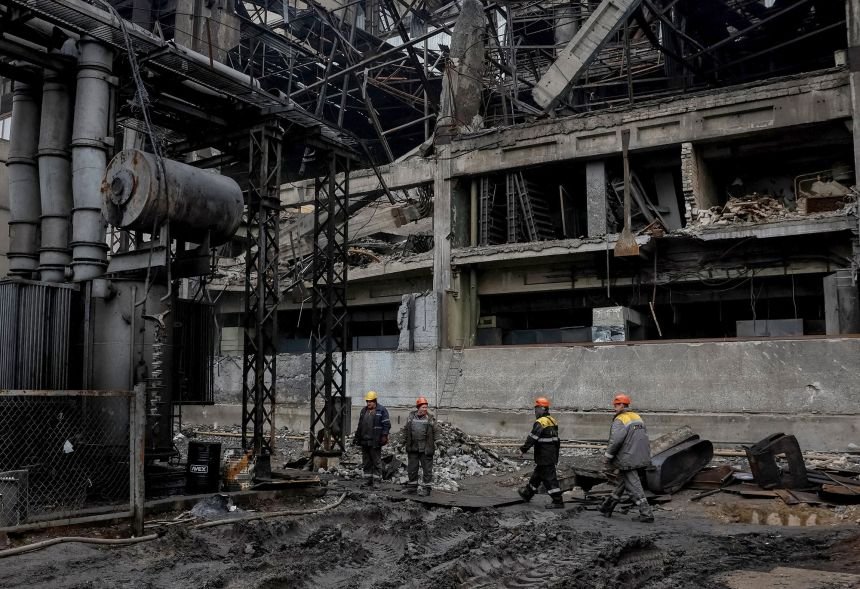
Criminal gangs have been linked to acts of sabotage, arson and data theft aimed at destabilising EU states – activities that overlap with political interference, propaganda and disinformation.
This is where the worlds of organised crime, cybersecurity and information warfare converge – the same terrain we’ve mapped in pieces like AI in Cyber Warfare and Europe’s democratic resilience strategy.
5. What stakeholders should do: governments, business, civil society
Given the scale of the challenge, what are the practical implications for key stakeholders?
For governments and EU institutions
Double down on intelligence-led, cross-border operations
Use EU-SOCTA to prioritise High Value Targets and networks, not just street-level operations.
Strengthen Europol, Eurojust, EPPO and EMPACT to support complex, multi-jurisdictional cases.
Tackle financial and corruption enablers
Invest in asset recovery, beneficial ownership transparency, and anti-money laundering supervision – as urged by the Basel Institute and others.
Protect whistle-blowers and investigative journalism focused on corruption and criminal infiltration.
Integrate internal security with migration and foreign policy
Ensure that migration pacts and visa strategies address smuggling networks and their finances, not just border control.
Build joint enforcement and development programmes with Latin American, African and Western Balkan partners.
Address the crime–terror–state nexus
Monitor how criminal groups interact with terrorist organisations and hostile state actors, learning from frameworks like Australia’s state sponsors of terrorism law.
For businesses and supply chains
Transnational crime isn’t only a government problem. It’s a supply-chain and corporate-governance risk.
Strengthen supply-chain integrity
Map exposure to high-risk corridors (e.g. ports known for drug smuggling, logistics hubs, free-trade zones).
Work with authorities on secure corridor programmes, cargo screening and data sharing.
Enhance financial and trade compliance
Improve KYC/AML frameworks, watchlists and transaction monitoring for red flags linked to organised crime and sanctions evasion.
Watch for trade-based money laundering: unusual invoicing patterns, complex re-routing, and opaque counterparties.
Invest in resilience against extortion and cyber-enabled crime
Update incident response plans to cover ransom attacks, data theft and extortion targeting executives or facilities.
Train staff on phishing, social engineering and deepfake awareness, given rising AI-enabled fraud.
Engage in public–private partnerships
Join industry or port-level partnerships with law enforcement for information sharing and joint risk assessments – a model increasingly used in ports like Antwerp.
For civil society and local communities
Civil society groups, NGOs and local communities are crucial in breaking the cycle that allows criminal networks to entrench themselves:
Monitor and expose corruption and criminal capture, especially at local levels.
Support victims of trafficking, extortion and exploitation, helping them access justice and exit strategies.
Work with youth and vulnerable groups to offer legitimate economic and social pathways, countering recruitment by gangs.
These efforts align closely with the democratic-resilience agenda we discussed in our analysis of the European Democracy Shield and the EU’s efforts to shore up trust and participation at home.
6. Looking ahead: crime, security and Europe’s next chapter
Europe’s confrontation with transnational crime is still in its early stages, but several trends are already clear:
Organised crime is a strategic security issue, not a peripheral policing problem.
Criminal networks are embedded in global flows of goods, people and data – just as central to Europe’s security as energy routes or undersea cables.
Hybrid actors – from hostile states to extremist groups – increasingly leverage criminal proxies, whether for financing, sabotage or social destabilisation.
Over the next few years, watch for:
A formalised EU internal security strategy: Linking serious and organised crime with cyber, terrorism, disinformation and resilience – the “security twin” to initiatives like the European Democracy Shield.
Deeper EU–LAC cooperation: As Latin American networks expand their European footprint, expect more joint operations, extradition agreements and shared task forces.
Regulation of AI and digital platforms as crime enablers: Building on EU-SOCTA’s warning that AI accelerates crime, EU digital regulation (from the AI Act to DSA enforcement) will increasingly be justified on internal security grounds.
Integration with defence and foreign policy: As hybrid threats grow, the line between internal and external security will blur further – echoing patterns we’ve seen in NATO’s evolving strategic concept and in the EU’s response to Russian aggression and Sahel instability.
In earlier pieces – from AI in Cyber Warfare to NATO’s Expansion and Arctic Militarization – we argued that modern security is defined as much by networks and flows as by territory. Europe’s struggle with transnational organised crime is another expression of the same reality.
When crime crosses borders, so must solutions. The question now is whether Europe – and its partners – can move fast enough and cohesively enough to match the agility of the networks they face.
Meta description:
Violent transnational criminal networks are reshaping Europe’s security agenda.
Here’s how they operate, how the EU is responding and what it means for policy and business.