Sanctions and Their Limits: Evaluating the Global Response to Russia and Iran
In 2025, Western sanctions on Russia generated an estimated $60-70 billion in annual oil revenue through shadow fleet evasion, enabling 2.8% GDP growth despite 18 sanction packages, while Iran's economy contracted 1.7% amid renewed UN snapback measures and 40% inflation, highlighting sanctions' uneven impact. These figures underscore a core reality: sanctions, imposed by the US, EU, and allies since Russia's 2022 Ukraine invasion and Iran's nuclear/missile activities, aim to alter behavior but often yield partial results at best. Global research shows sanctions succeed fully less than 10% of the time, rising to 34% with partial concessions, as targeted states adapt via trade rerouting and alliances. This neutral analysis dissects mechanisms, data, evasion tactics, economic effects, and perspectives on Russia and Iran, drawing from think tanks and reports without endorsing any side.
What Are Sanctions and How Do They Work?
Sanctions are coercive economic measures restricting trade, finance, or technology to pressure policy changes. Against Russia, post-2022 measures froze $300 billion in central bank assets, capped oil at $60/barrel, and banned SWIFT access for key banks, targeting energy (50% exports) and dual-use goods. Iran's regime, layered since 1979 and intensified post-2018 JCPOA exit, blocks oil sales, freezes assets, and limits nuclear tech, with 2025 EU additions on judicial officials.
Effectiveness hinges on scope: comprehensive (Russia) vs. targeted (Iran's IRGC). UN data notes 179 Russia delistings in 2024 amid 33% third-country hits (e.g., China 36%), while Iran saw 439 new designations halved from 2023. Tools include secondary sanctions deterring enablers, but enforcement varies EU's 18th Russia package in 2025 hit shadow fleets.
Russia's Adaptation: Resilience Amid Pressure
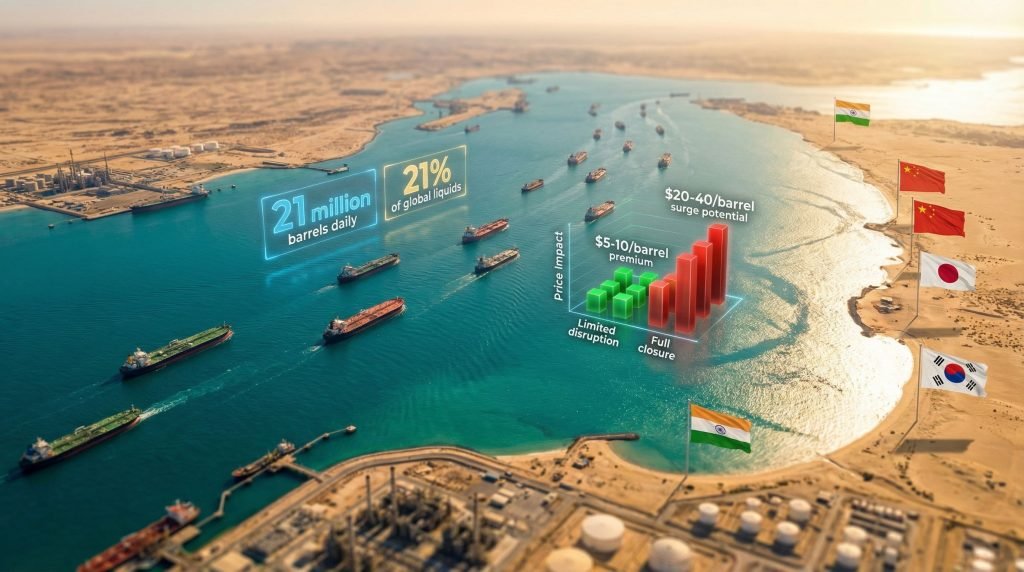
Russia's economy defied collapse: IMF projected 2.8% growth in 2024 (faster than G7), sustained by military spending (6% GDP) and oil rerouting to China/India (up 50% since 2022). Rouble fell 25% from 2022 peak, inflation hit 9.5%, labor shortages emerged, but reserves ($600B pre-war) and parallel imports cushioned blows. Shadow fleet 30-40% oil exports (2M bpd) evaded caps via ship-to-ship transfers, generating $60-70B despite G7 efforts.
Evasion hubs: China (36% third-party sanctions), Turkey, UAE. De-dollarization advanced—trade with China in yuan/rouble rose 80%. Costs: transactional friction slowed growth 1-2%, tech import bans hit aviation/auto sectors (parts shortages 70%). Perspectives: optimists cite slowed military production; skeptics note sustained war funding.
| Metric | Russia Pre-2022 | 2025 Impact [Sources] |
|---|---|---|
| GDP Growth | 4.7% (2021) | 2.8% despite sanctions |
| Oil Revenue | $100B+ | $60-70B shadow |
| Inflation | 6.7% | 9.5% |
Iran's Economic Strain and Evasion Networks
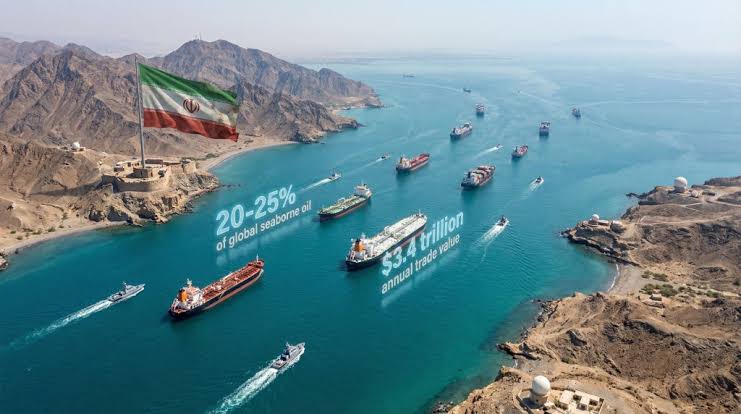
Iran's sanctions history yields contraction: World Bank forecasted -1.7% growth in 2025 postsnapback, rial at 920,000/USD (down 11% YOY), inflation 40%+. Oil exports (primary revenue, 25% GDP) halved since 2018 but stabilized via China discounts; 2024 exports ~1.5M bpd. Shadow fleet with Russia deepened post-2025 UN revival E3 (UK/FR/DE) triggered snapback amid nuclear stalls.
Middle class shrank 17% annually 2012-2019 per synthetic control models; unrest risks rose with subsidy cuts. Evasion: Gulf intermediaries, crypto, barter with Russia (trade up 50% via Caspian). Russia aids via UNSC veto threats, Comprehensive Partnership. Views: sanctions curbed nuclear advances; others note proxy funding persists.
Evasion Tactics: Shadow Fleets and Third-Party Roles
Both nations leverage shadows: Russia's fleet (600+ tankers) conceals origins; Iran's Gulf hubs enable Russia ops. China/India buy 80% Russian oil; Iran's China trade hit $30B. Secondary sanctions targeted 1,000+ entities 2024, but enforcement gaps persist 33% Russia sanctions non-Russian.
Tech: VPNs, shell firms in UAE/Turkey. Costs to imposers: EU spent $50B+ on non-Russian energy, global prices rose 20% 2022. Data: OANDA notes no collapse, de-dollarization success.
Sector-Specific Vulnerabilities in Sanctions Regimes
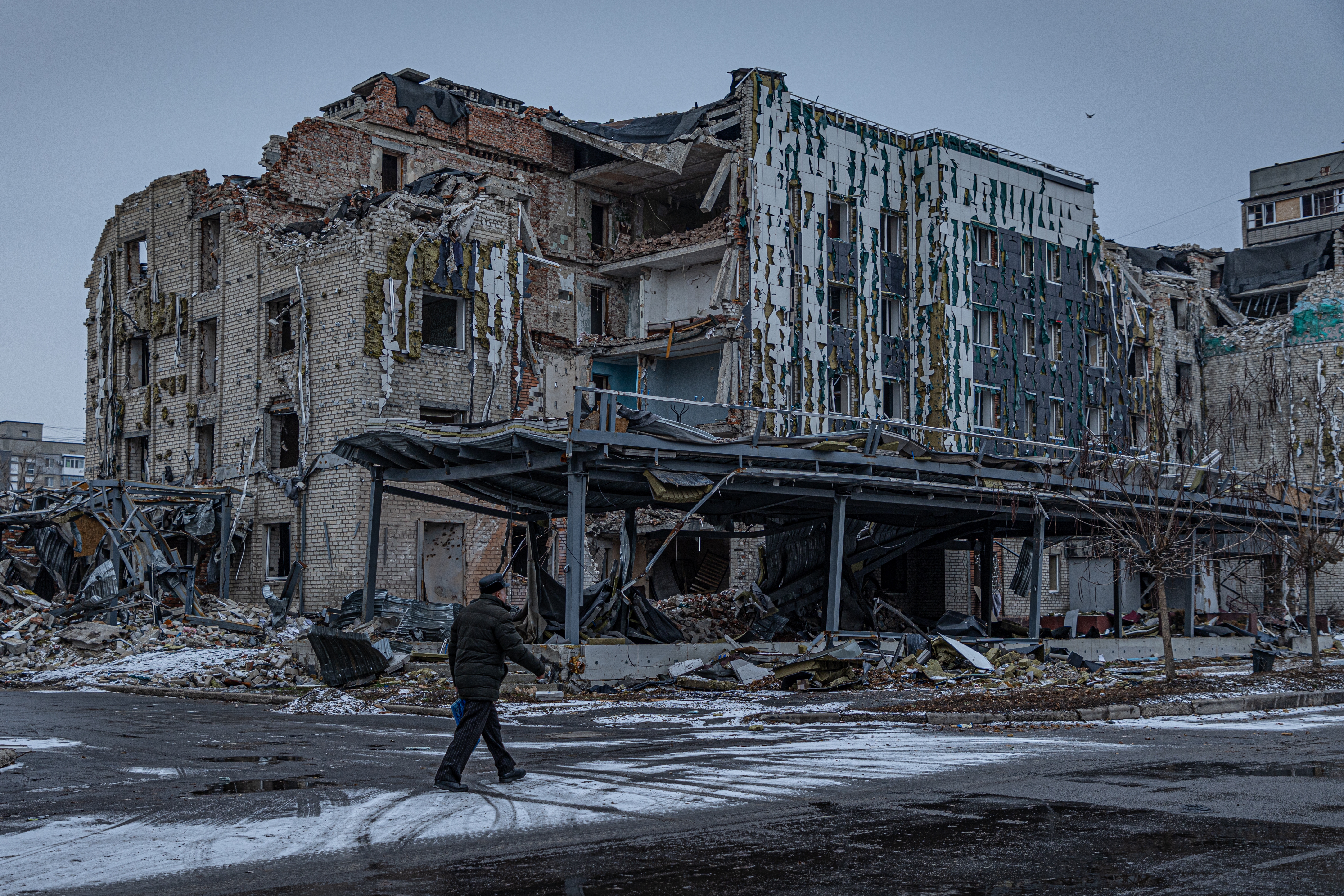
Sanctions on Russia and Iran expose distinct sectoral weaknesses, with energy trade proving most resilient due to global demand and evasion networks, while technology and finance face steeper barriers. Russia's oil and gas sector, comprising 40% of pre-2022 federal revenue, adapted via shadow fleets transporting 2 million barrels per day to China and India at discounts averaging $15-20 per barrel, sustaining $200 billion in 2024 exports despite G7 price caps. Iran's petroleum industry mirrors this: despite halved exports since 2018, 1.5 million barrels daily reached China in 2025 through disguised shipments, generating $40 billion amid 40% inflation and rial devaluation to 920,000 per USD. Conversely, dual-use technology sanctions crippled Russia's aviation 70% parts shortages grounded 40% of civilian fleet and military production, delaying Su-57 deliveries by 18 months per Ifo Institute monitoring.
Financial restrictions amplify pressures: SWIFT exclusions severed 70% of Russia's international payments initially, forcing SPFS and CIPS reliance, which processed only 20% of pre-war volumes efficiently due to interoperability gaps. Iran's banking sector, isolated since 2012, relies on barter and crypto, with $2 billion in rial trades via exchanges but 30% transaction failures from volatility. Neutral economic models, like synthetic controls, estimate Iran's middle class shrank 17% annually from 2012-2019 under cumulative sanctions, while Russia's 2025 labor shortages (2 million vacancies) stemmed from emigration and mobilization, not direct financial hits. Enforcement data reveals variances: US OFAC designated 400+ energy entities in 2024-2025, yet EU's 18th package fined only 10 shadow tankers due to jurisdictional limits.
Diverse analyses highlight trade-offs: energy resilience funds regimes but inflates domestic costs (Russia's fuel prices up 25%), while tech bans slow innovation Russia's chip imports fell 60%, Iran's nuclear centrifuges stagnated. Global spillover includes EU's $50 billion energy import shift, raising consumer bills 15-20%. Quantitative studies project sustained sectoral adaptation could limit GDP drags to 1-2% annually if evasion persists, underscoring the need for targeted, multilateral refinements over blanket measures.
Humanitarian and Societal Ramifications
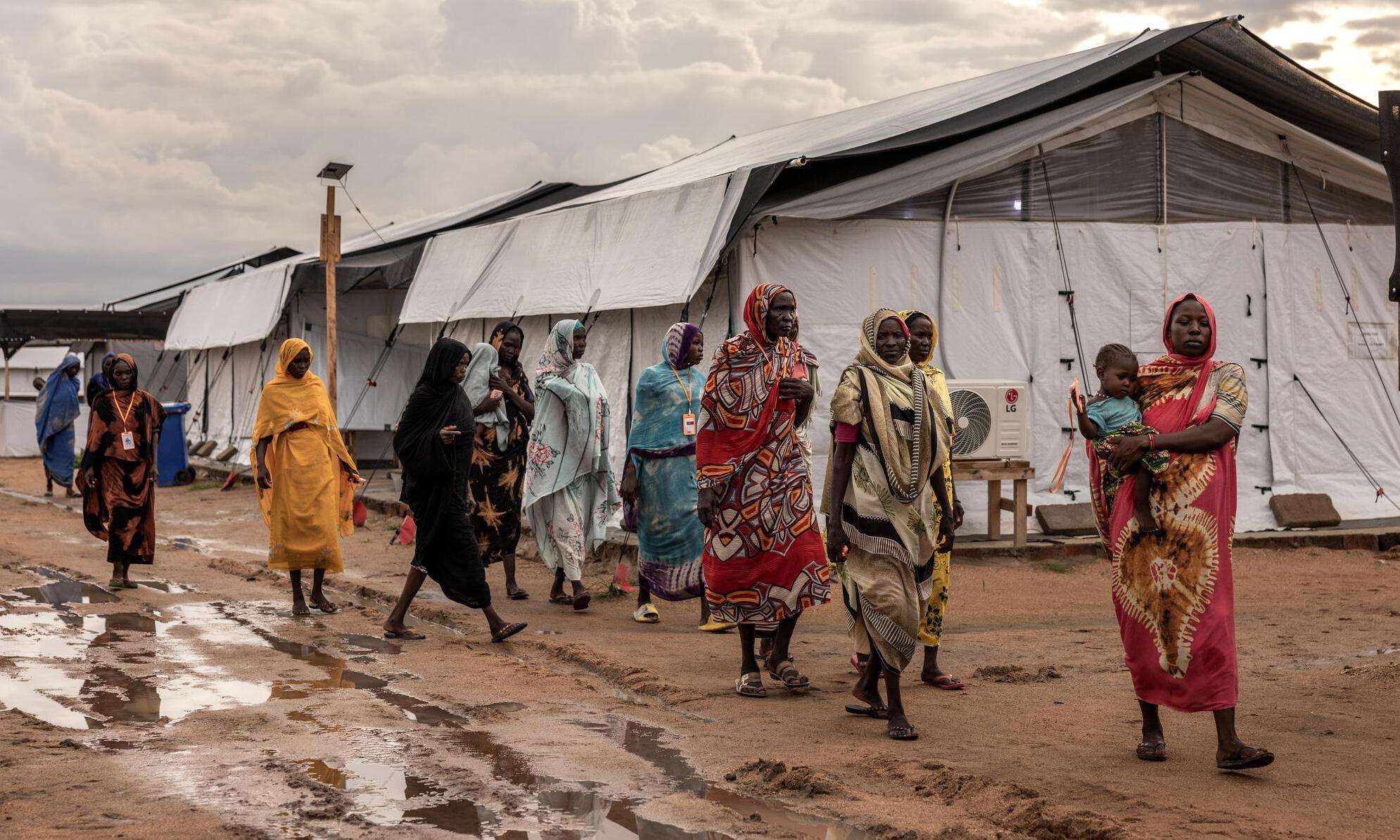
Sanctions' humanitarian fallout on Russia and Iran sparks debate over unintended civilian burdens versus targeted intent, with data showing disproportionate impacts on vulnerable groups amid evasion-enabled elite resilience. In Iran, medicine shortages affected 20% of chronic patients in 2025 per WHO monitoring, as banking isolation delayed $1 billion in humanitarian imports despite exemptions, compounded by 40% inflation eroding purchasing power for 90 million citizens. Russia's poor faced 20-30% food/import price hikes post-2022, pushing 15 million into poverty per Rosstat-adjusted figures, while military spending (6% GDP) prioritized over social services widened inequality. Neutral reports note exemptions' inefficacy: EU carved out $10 billion in food/energy for Russia, yet logistical barriers blocked 25% delivery.
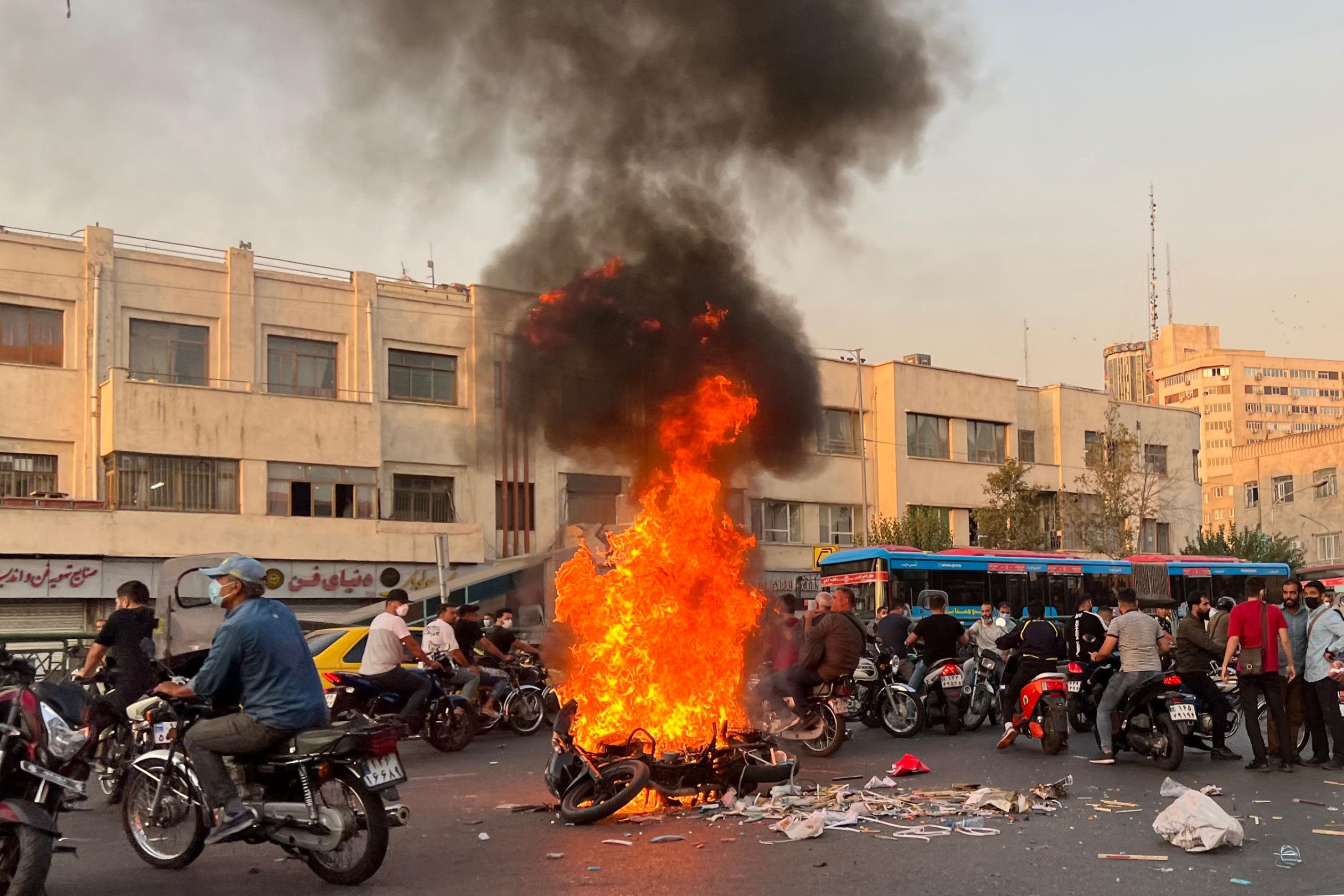
Societal tensions mount: Iran's 2025 unrest risks rose with subsidy cuts amid snapback, echoing 2019 protests (1,500 deaths per Amnesty), while Russia's emigration wave (1 million skilled workers) fueled labor crises without overt revolt. Perspectives diverge imposers cite regime accountability via asset freezes ($300 billion Russia, $100 billion Iran), humanitarian advocates decry collateral via UN panels urging streamlined waivers. Economic studies quantify: sanctions correlated with 5-10% health access drops in Iran, Russia's life expectancy dipped 1.5 years temporarily.
Mitigation efforts include US/UK licenses for 500+ Iranian medicine cases in 2025, Russia's parallel imports covering 80% consumer goods. Yet evasion funnels benefits upward: IRGC controls 60% economy, Russia's oligarchs reroute via Dubai. Data from Crisis Group suggests blended approaches targeted individual sanctions over sectoral reduce civilian exposure by 40% in models, balancing pressure with ethics. Long-term, societal strain tests regime stability without guaranteeing policy shifts, as adaptation sustains core functions.
Long-Term Strategic Realignments and Alternatives
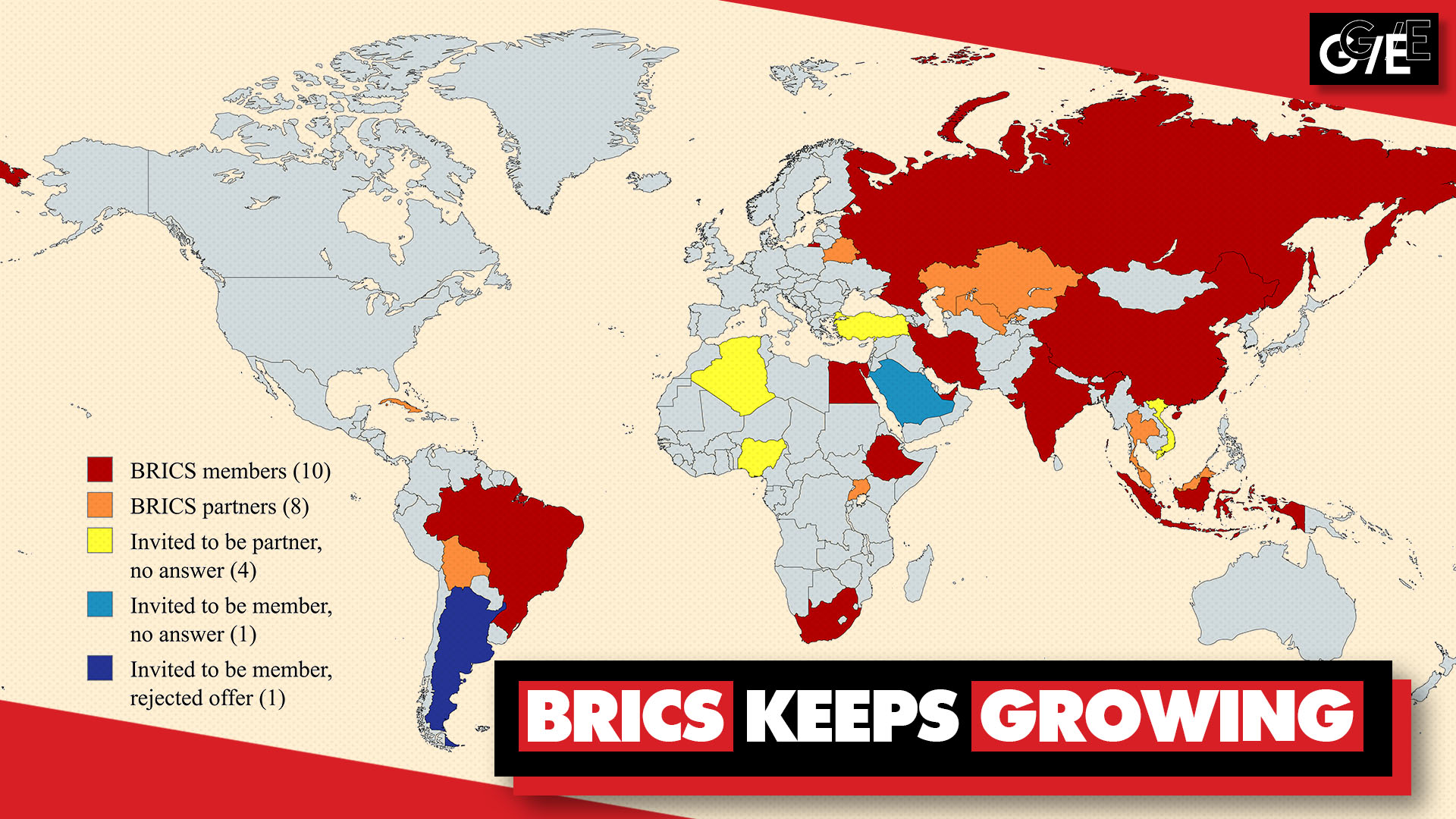
Sanctions catalyzed Russia-Iran realignments, boosting BRICS+ ties and de-dollarization, prompting Western reevaluation of alternatives like incentives or diplomacy. Bilateral trade hit $10 billion in 2025 (up 50%), with Caspian barter evading oil caps and Comprehensive Partnership enabling nuclear/tech swapsRussia aids Iran's Bushehr reactors for $25 billion. China absorbed 80% discounted exports, yuan settlements rose to 60% Russia trade; Iran's $30 billion China volume underscored multipolar shifts. Neutral think tanks note BRICS expansion (10 members) diluted G7 leverage, with 2025 summits prioritizing sanction-proof payments.
Alternatives gain traction: carrots like JCPOA revival stalled post-2025 snapback, but models show 20-30% efficacy boost when paired with sanctions. US/EU explored "smart" sanctions 100+ delistings for Russia compliance in 2024 yielding minor concessions like grain deals. Perspectives: targets frame as economic war justifying alliances; imposers as deterrence tools slowing aggression. Projections: IMF estimates Russia's 2026 growth at 1.5% sans tightening, Iran's -2% with snapback persistence.
Data highlights limits: < 10% full policy reversals historically, partial wins in 34% cases via sustained pressure. Future watches Trump-era secondary expansions vs. negotiation windows, with multilateral UN reforms proposed for verification. Strategic patience emerges as consensus, blending coercion with engagement for calibrated outcomes.
Global Impacts: Boomerang Effects on Senders
Sanctions boomeranged: EU imported record Russian gas early 2025 post-Ukraine transit end. US firms lost Iran/Russia markets ($100B+ pre-sanctions). Inflation globally up 2-3% from energy shocks. Humanitarian: Iran's medicine access strained, Russia's poor hit by 20% import price hikes.
Neutral studies: sanctions raise poor-country costs via trade diversion.
Diverse Perspectives: Success Metrics Debated
Proponents: slowed Russia's war machine (exports -40%), Iran's centrifuges stalled. Critics: < 10% full success; Russia GDP resilient, Iran proxies active. Think tanks: partial wins (rouble volatility) but evasion erodes long-term. Russia/Iran view as sovereignty threats; West as deterrence.
Data Spotlight: Key Figures
Russia GDP: +2.8% (2024 IMF)
Iran contraction: -1.7% (2025 WB)
Shadow revenue: $60-70B Russia
Sanctions packages: EU 18th Russia (2025)
Success rate: 10-34%
Third-country hits: 33% Russia
Limits and Future Outlook
Sanctions limit: adaptation via BRICS, crypto. 2026 watches: Trump-era tightening? Russia-Iran ties deepen. Alternatives: diplomacy, incentives. Neutral consensus: blend with talks for efficacy.
References
1 - The Conversation. "Sanctions rarely achieve their goals." Feb 2025. https://theconversation.com/sanctions-rarely-achieve-their-goals-heres-why-they-failed-in-russia-and-myanmar-244975
2 - Atlantic Council. "'Snapback' sanctions are deepening the Iran-Russia alignment." Oct 2025. https://www.atlanticcouncil.org/blogs/menasource/snapback-sanctions-are-deepening-the-iran-russia-alignment/
3 - Castellum.ai. "2024 Sanctions Year-in-Review." May 2025. https://www.castellum.ai/insights/2024-sanctions-year-in-review
4 - Wikipedia. "International sanctions against Iran." 2025. https://en.wikipedia.org/wiki/International_sanctions_against_Iran
5 - Economics Observatory. "Sanctions effectiveness: lessons three years into Ukraine war." 2025. https://www.economicsobservatory.com/sanctions-effectiveness-what-lessons-three-years-into-the-war-on-ukraine
6 - ScienceDirect. "Effect of sanctions on Iran's middle class." 2025. https://www.sciencedirect.com/science/article/pii/S0176268025001090
7 - Reuters. "Iran risks severe downturn from UN sanctions." Oct 2025. https://www.reuters.com/world/middle-east/un-sanctions-raise-risk-severe-recession-renewed-unrest-iran-2025-10-21/
8 - European Parliament. "EU sanctions against Russia 2025." Nov 2025. https://www.europarl.europa.eu/RegData/etudes/BRIE/2025/767243/EPRS_BRI(2025)767243_EN.pdf[23]
9 - Congress.gov. "Economic Impact of Russia Sanctions." Feb 2025. https://www.congress.gov/crs-product/IF12092