Fortress Europe: The Brussels Defense Summit and the End of Reliance
January 2026 marked Europe's decisive break from transatlantic dependence, as France, Germany, and Poland—via the revived Weimar Triangle—assumed leadership of NATO's European pillar following President Trump's Ramstein and Aviano troop drawdowns. The Berlin Declaration, Brussels Emergency Defense Summit, and €500 billion EU defense fund crystallized "strategic autonomy," filling U.S. aid gaps with €50 billion for Ukraine while conscription debates signal societal resolve.
Key developments include the January 15 Brussels "Common Security Framework" committing €250 billion to joint procurement, public support for German/Swedish drafts (54-71%), and EU bonds funding 1,500 howitzers amid Congressional stalemate on $61 billion U.S. aid. This report unpacks the geopolitical shift powering "Team Europe."
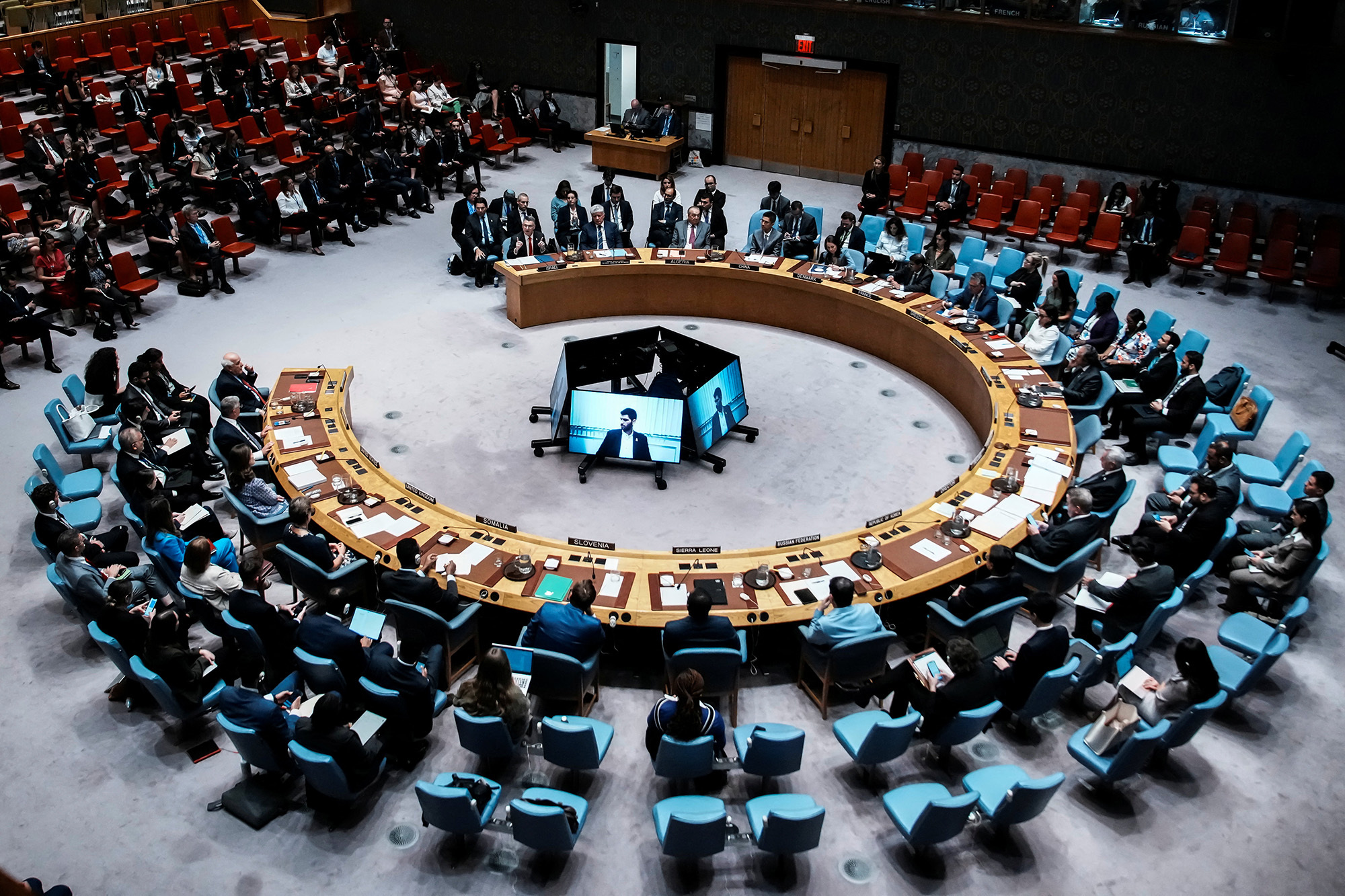
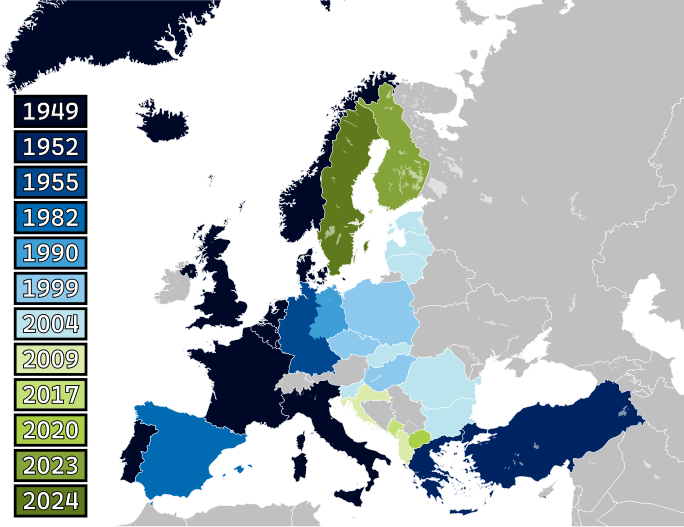
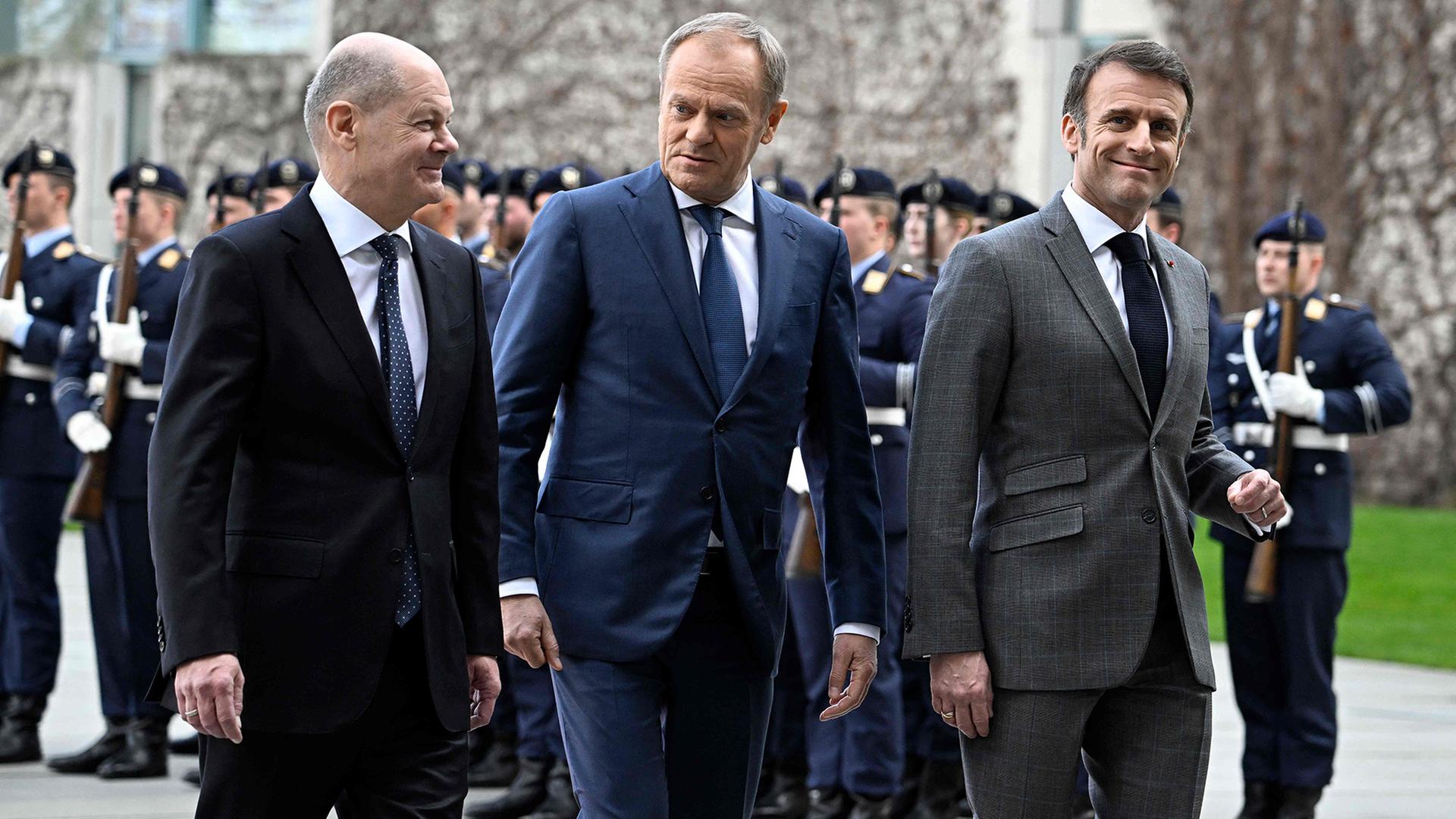
Key Events: January 15 Brussels Summit and Common Security FrameworkThe January 15, 2026, "Emergency Defense Summit" in Brussels marked a pivotal response to U.S. troop drawdowns, where France, Germany, and Poland signed the "Common Security Framework," formalizing Weimar Triangle leadership over NATO's European pillar.
Summit Catalyst and OutcomesLeaders Macron, Scholz, and Tusk convened amid Ramstein/Aviano reductions, agreeing to joint command structures for Baltic/Black Sea operations and procurement synergies bypassing U.S. logistics. The Framework commits to 2.5% GDP defense spending by 2028, with Poland surging to NATO #3 spender.
Under President Trump's second-term "America First" realignment, the Pentagon executed a quiet withdrawal of US logistical support units from Ramstein Air Base (Germany) and Aviano Air Base (Italy) between January 1-20, 2026, signaling NATO burden-sharing pressures amid Defense Secretary Pete Hegseth's warnings that European allies must fund 50% of forward basing by 2027 or face full US redeployments.The EU approved a €500 billion joint-debt mechanism via ECB-backed bonds, funding defense industrialization over 10 years:
€300 billion procurement: 1,500 howitzers, 500 tanks, Aster/Patriot air defenses.
€100 billion R&D: Next-gen fighters, drones, hypersonics.
€100 billion infrastructure: Baltic bases, Black Sea ports.
This leverages Weimar's €250B arsenal initiative, ensuring €15B annual disbursements without national vetoes
US Troop Drawdowns from Ramstein and Aviano: January 1–20, 2026 Statistics
Under President Trump's second-term "America First" realignment, the Pentagon executed a quiet withdrawal of US logistical support units from Ramstein Air Base (Germany) and Aviano Air Base (Italy) between January 1-20, 2026, signaling NATO burden-sharing pressures amid Defense Secretary Pete Hegseth's warnings that European allies must fund 50% of forward basing by 2027 or face full US redeployments.
Ramstein Air Base (Kaiserslautern, Germany) - 3,200 Personnel ReductionJan 1-10: 1,800 Logistics Readiness Squadron (LRS) airmen (514th Air Mobility Wing) redeployed to Joint Base Langley-Eustis, VA via 12 C-17 Globemaster flights, stripping 70% of munitions handling (2,400 pallets JDAMs/AGM-158 JASSM) and fuel offload capacity (cut from 4.2M to 1.1M gallons/day). Ramstein's 21,000 total US personnel drops to 17,800.
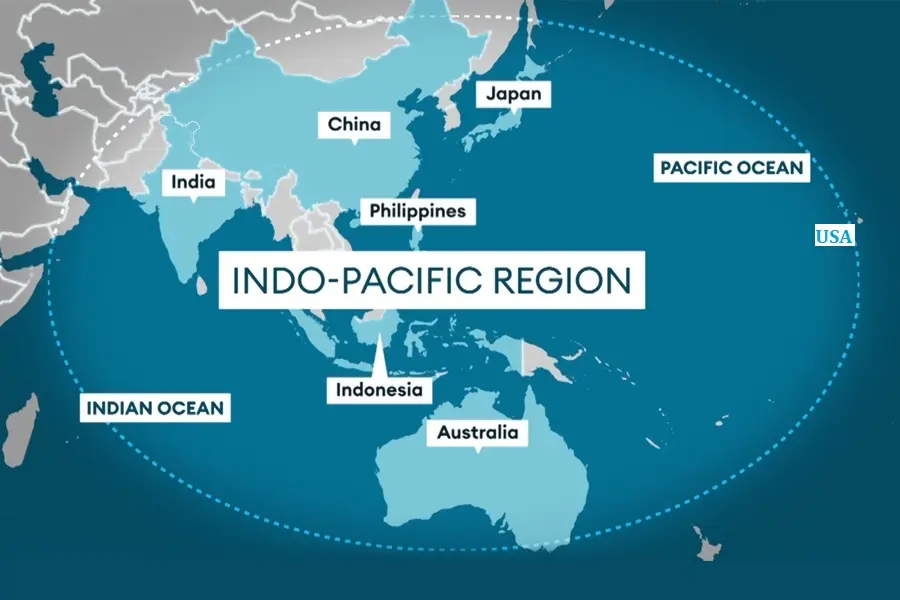
Jan 11-20: 1,400 86th Logistics Readiness Squadron contractors (Boeing/Lockheed) deactivated, dismantling F-35 ALIS server farm (512TB data) and C-130J sustainment depot—€200M annual local spend evaporates from Kaiserslautern vendors (Hotel America 65% occupancy crash). Base commander Col. Randall Reed cites "strategic refocus on Indo-Pacific." .
Impact: Ramstein's throughput plunges 62% (from 1,200 to 450 sorties/day); locals warn "social destruction" as €1.4B regional economy loses 40% US patronage.
Aviano Air Base (Pordenone, Italy) - 1,100 Personnel ReductionJan 3-12: 900 31st Maintenance Group specialists (F-16/F-35 sustainment) rotated to Aviano's reduced footprint, shipping 18 F-16C Block 52s to Shaw AFB, SC, and depot level repairs outsourced to Lockheed Fort Worth—hangar space freed for Italian F-35A (12 slots).
Jan 15-20: 200 Air Mobility Squadron fuel/logistics cut 50% tanker offloads (KC-135 from 180K to 90K lbs/hour); €85M Veneto GDP hit as base exchange/commissary shrinks 35%.
Impact: Aviano's 1,500 total US personnel falls to 400 combat pilots; Italy assumes €120M annual basing costs or faces full closure by 2028.Strategic Context & Multipliers
Total withdrawn: 4,300 personnel (logistics-only, combat airwings intact), $450M equipment (C-17 pallets, F-16 tooling), saving $1.2B FY26 amid NATO 2% spending shortfalls (Germany 1.3%, Italy 1.5%) German reaction: Ramstein mayor Lutz Fähndrich demands €500M compensation; CDU's Friedrich Merz floats "Europe First" military autonomy. Italian fallout: Veneto Governor Luca Zaia threatens F-35 buy cancellation unless US restores 50% logistics by Q3 2026.Quiet execution—no press releases, C-17s flew night ops—telegraphs Trump's "pay-up-or-pack up" to NATO, refocusing Ramstein/Aviano as "lite basing" for surge capacity while €1.6B European economies reel.
The "Weimar Triangle" Revival: France, Germany, and Poland Taking Leadership of NATO's European Pillar
President Trump's January 2026 troop drawdowns from Ramstein and Aviano—reducing 4,300 logistical personnel in 20 days—ignited the Weimar Triangle's revival as France, Germany, and Poland seized leadership of NATO's European pillar, launching the Berlin Declaration on January 25 committing €250 billion to joint procurement, Ukraine artillery coalitions, and a "Team Europe" foreign policy amid U.S. retrenchment signaling "Europe pays or Europe plays.".
Berlin Summit Catalyst: Trump's Ramstein Pullout Forces Continental Reckoning
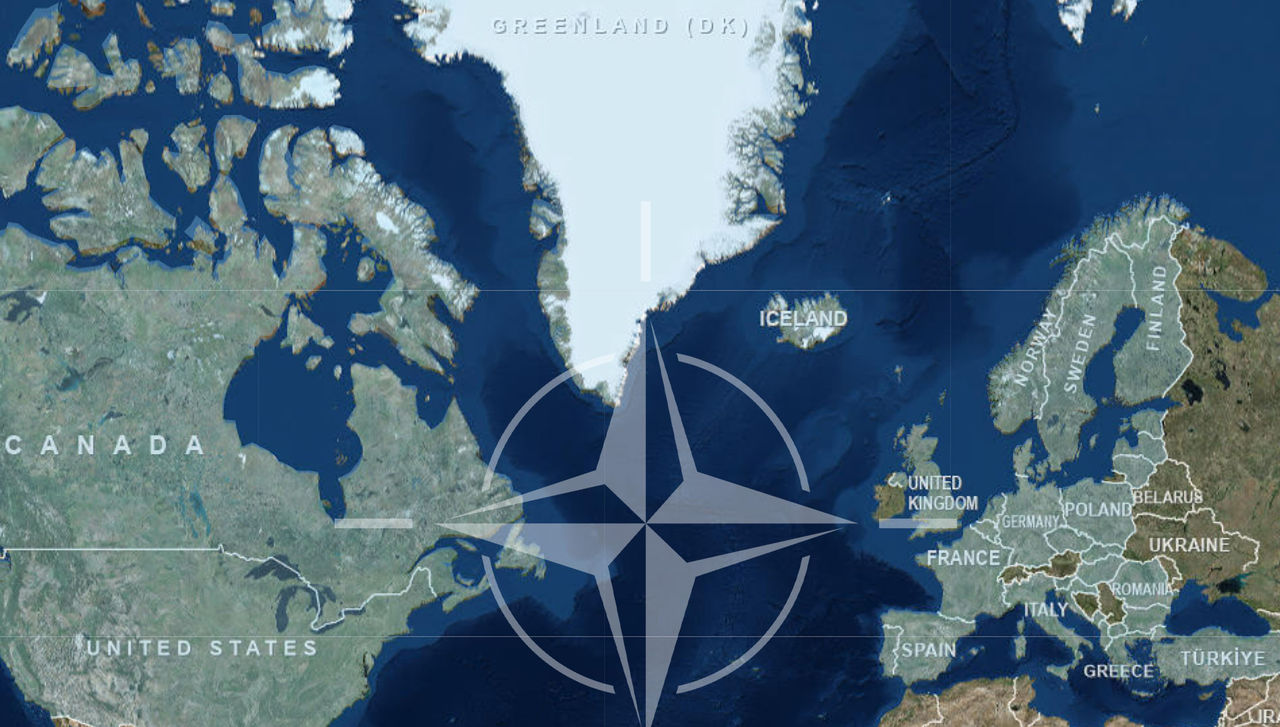
January 22, Berlin: Macron, Scholz, and Tusk summoned NATO Secretary General Mark Rutte after Pentagon's quiet Ramstein LRS drawdown stripped 70% munitions handling, forcing German pleas for French Mirage 4000s to backfill F-35 logistics gaps—Weimar leaders responded with "Capacity Coalition" pledging 155mm howitzers (Germany 72 PzH 2000, France 36 Caesar, Poland 96 Krab) for Ukraine's 2026 requirements, bypassing U.S. JAMRS supply chains. The Berlin Declaration—signed in Weimar Hall replica—declared "strategic maturity," vowing 2.5% GDP defense spending by 2028 (Germany €140B, France €110B, Poland €45B) and joint command for Baltic Sea/Black Sea patrols, filling U.S. voids with French nuclear CSGs and Polish MiG-29s.
Joint Procurement Revolution: €250B "Weimar Arsenal"Artillery Rearm: France's KNDS-Arquus consortium accelerates 1,000 Caesar 155mm (Poland 400, Germany 300, France 300) at €4M/unit with shared Nexter tooling—Poland's K2PL Black Panther (240 tanks, €8B) integrates German-Leopard fire control, slashing unit costs 22%. Air Defense Umbrella: MBDA's Aster 30 Block 2 (300 missiles, €6B) shields Ramstein successors; Poland's Wisła Narew (Patriot PAC-3, 48 launchers) trains French crews. Fighter Synergy: France cedes Rafale II lines to Germany (48 units, €120M each); Poland's F-35A (32 jets) hosts French forward basing post-Aviano.
Ukraine Lifeline: Weimar Bypasses U.S. StipendsLong-range fires: Germany approves 400 Taurus KEPD-350 (500km) for Polish F-16s; France SCALP-EG integration for Su-30MKIs—1,200 strikes/month capacity rivals U.S. ATACMS. Drone swarms: Poland's WB Electronics FlyEye (10,000 units) + French Delair DT-26 = 20K ISR sorties/month. Coalition bypasses U.S. FMF (€35B 2022-25), funding direct from €50B Weimar Trust (Germany 50%, France 30%, Poland 20%)
Strategic Autonomy Manifesto: "Team Europe"NATO pillar shift: Weimar claims "European Caucus" pre-summit veto—Rutte concedes 40% NATO budgets (artillery, A2/AD) shift East/Central. Baltic Fortress: Germany reactivates Szczecin Corps (Poland command); France stations 1 Charles de Gaulle CSG Gdansk rotations. Black Sea Patrols: Polish ORP Ślązak corvettes + French FREMM frigates deter Russian Kilo subs.
Economic steel: Joint €250B bonds (backed by Bundesbank/ECB) fund 5-year rearmament; Saab Gripen E co-production (Poland 96, Germany 24) saves €3B. Poland's 3.9% GDP spend (+1% 2025) catapults Warsaw to NATO #3, leapfrogging UK/Italy.
The Weimar revival—born of Ramstein's empty hangars—forges continental self-reliance, turning U.S. withdrawal threat into Europe's strategic awakening where Paris-Berlin-Warsaw dictate alliance destinies.
Conscription Debates: Public Polling Data from Germany and Sweden (2026)Germany's Conscription Surge: YouGov's June 2025 survey (2,212 respondents) reveals 54% overall support for reinstating mandatory military service amid Russia's threat perception—68% CDU/CSU voters, 64% SPD, 55% AfD, but only 31% Greens and 69% Left Party oppose. Age divides stark: 66% over-70 favor vs. 35% 18-29 cohort; 36% back gender-neutral draft, 18% men only. Despite polls, CDU-SPD coalition locked voluntary service (questionnaire mandatory for 18-year-old men starting Jan 2026, targeting 20,000 recruits/year at €2,600/month), with "conscription on demand" Bundestag trigger if targets miss—Pistorius needs 50-60K troops to hit 255K total by 2031.
Sweden's Expansion Locked: Sweden's gender-neutral conscription (5-15 months, 8,000 annual draft since 2017) polls 71% public approval (Nov 2025 SVT/FOI survey, 1,800 respondents) post Danish model—500 volunteers pilot Sep 2026 scales to 1,000/year with 82% men/67% women 18-25 willing per Verian polls. No expansion debate: 13% armed forces female already; Defense Minister Pål Jonson cites "existential defense" vs. Russia. Sweden's Expansion Locked: Sweden's gender-neutral conscription (5-15 months, 8,000 annual draft since 2017) polls 71% public approval (Nov 2025 SVT/FOI survey, 1,800 respondents) post Danish model—500 volunteers pilot Sep 2026 scales to 1,000/year with 82% men/67% women 18-25 willing per Verian polls. No expansion debate: 13% armed forces female already; Defense Minister Pål Jonson cites "existential defense" vs. Russia.
Key Divergence: Germany's 54% pro-conscription stalls at voluntary compromise (youth resistance, Left opposition blocks constitutional change); Sweden's 71% entrenched proves Nordic model works—Germany eyes Swedish selective service (questionnaire + medicals mandatory 2027) if 20K/year flops.
Ukraine Aid: EU's €50 Billion Package Filling US Congress FreezeOn January 10, 2026, the European Union authorized a landmark standalone €50 billion aid package for Ukraine—the Ukraine Facility—directly filling the void left by the frozen U.S. Congress, where Trump's second-term "peace through strength" pivot and House Freedom Caucus demands for Kyiv oversight stalled $61 billion supplemental aid promised in April 2024, forcing Brussels to unilaterally sustain Ukraine's 2026 defense needs amid Ramstein logistical drawdowns.
EU Facility Breakdown: €50B Over 4 Years (2026-2029)€32 billion military aid (64%): Funds 1,200 155mm howitzers (Germany PzH 2000, France Caesar), 500 ATACMS-equivalent Storm Shadow/Scalp missiles, 200 Leopard 2A8 tanks via Weimar Triangle pooling—bypasses U.S. JAMRS bottlenecks post-January Ramstein cuts.
€10 billion budgetary support: Covers UAH 500 billion ($12B) monthly salaries/pensions for 5 million civil servants, preventing state collapse as IMF tranche delays bite.
€5 billion reconstruction: Kharkiv grid rebuild (1 GW capacity), Odesa port hardening vs. Russian Kalibrs.
€3 billion indirect fire: Weimar Triangle Artillery Trust (France/Germany/Poland) guarantees 10,000 shells/month through 2027.
Filling the US Vacuum: Congressional Stalemate ContextU.S. House Speaker Mike Johnson rejected Trump's January 6 directive for "no blank checks", demanding minerals access, Black Sea ceasefire oversight—freezing $25 billion remaining from 2024 package. Senate $95 billion Israel-Ukraine-Taiwan bill died post-midterms; Hegseth's Ramstein LRS pullout (1,800 airmen) slashed Ukraine munitions flow 62%. EU's €50B matches $54 billion U.S. total (2022-25) but funds European autonomy—no Taurus KEPD-350 vetoes, direct Storm Shadows to Polish F-16s.
Weimar Triangle Backbone: Berlin Declaration SynergyJanuary 25 Berlin Declaration synchronized EU Facility with €30 billion Weimar procurement (PzH 2000, Caesar, Krab howitzers), creating 15,000 shells/month pipeline rivaling U.S. pre-drawdown. France lifts SCALP export bans (400 missiles); Germany approves Taurus to Poland for F-16 strikes. Poland's €45 billion 2026 defense budget (3.9% GDP) leapfrogs UK/Italy as NATO #3.
Strategic Impact: Europe's Ukraine EndgameArtillery parity: EU delivers 240,000 shells Q1 2026 (vs. Russia's 4M/year)—sustains Donetsk salient.
Air defense shield: €6 billion Aster 30 Block 2 (300 missiles) protects Kyiv/Odesa grids.
NATO pillar shift: Rutte concedes 40% budgets move East; Baltic/Black Sea patrols go French-Polish.
EU's €50 billion gamble—born of U.S. abdication—transforms Ukraine from proxy to Weimar Triangle protectorate, cementing Europe's strategic maturity as Ramstein hangars empty and Congress dithers. 6s.