The Geneva Deadlock: Why the First Day Promise Failed
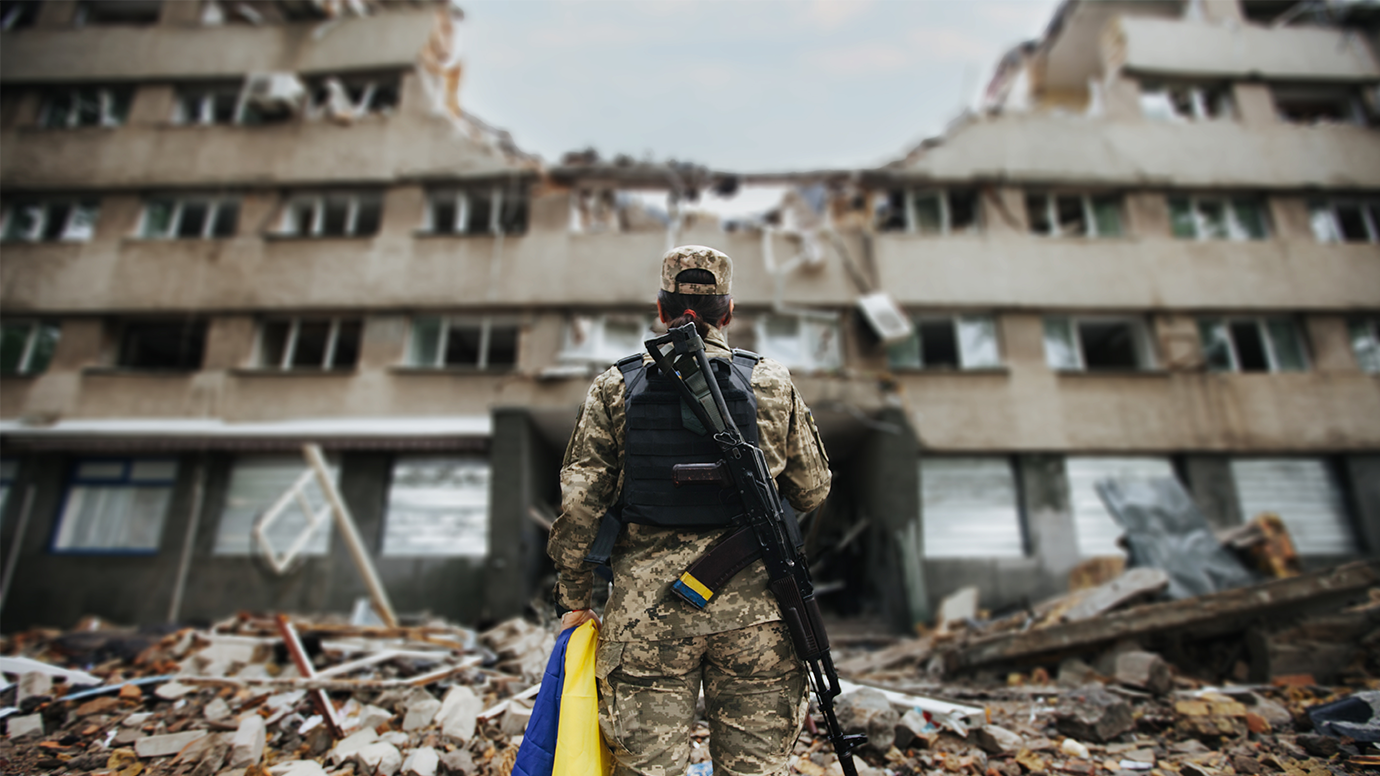
The latest round of US-mediated talks in Geneva ended this week not with a handshake, but with a stalemate. Despite promises to end the war "on day one," the fifth year of the conflict is now a certainty.
Geneva Round 6: What Went Wrong
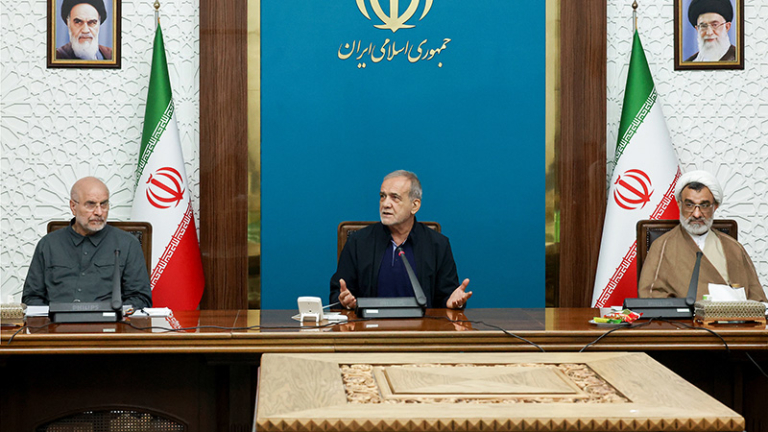
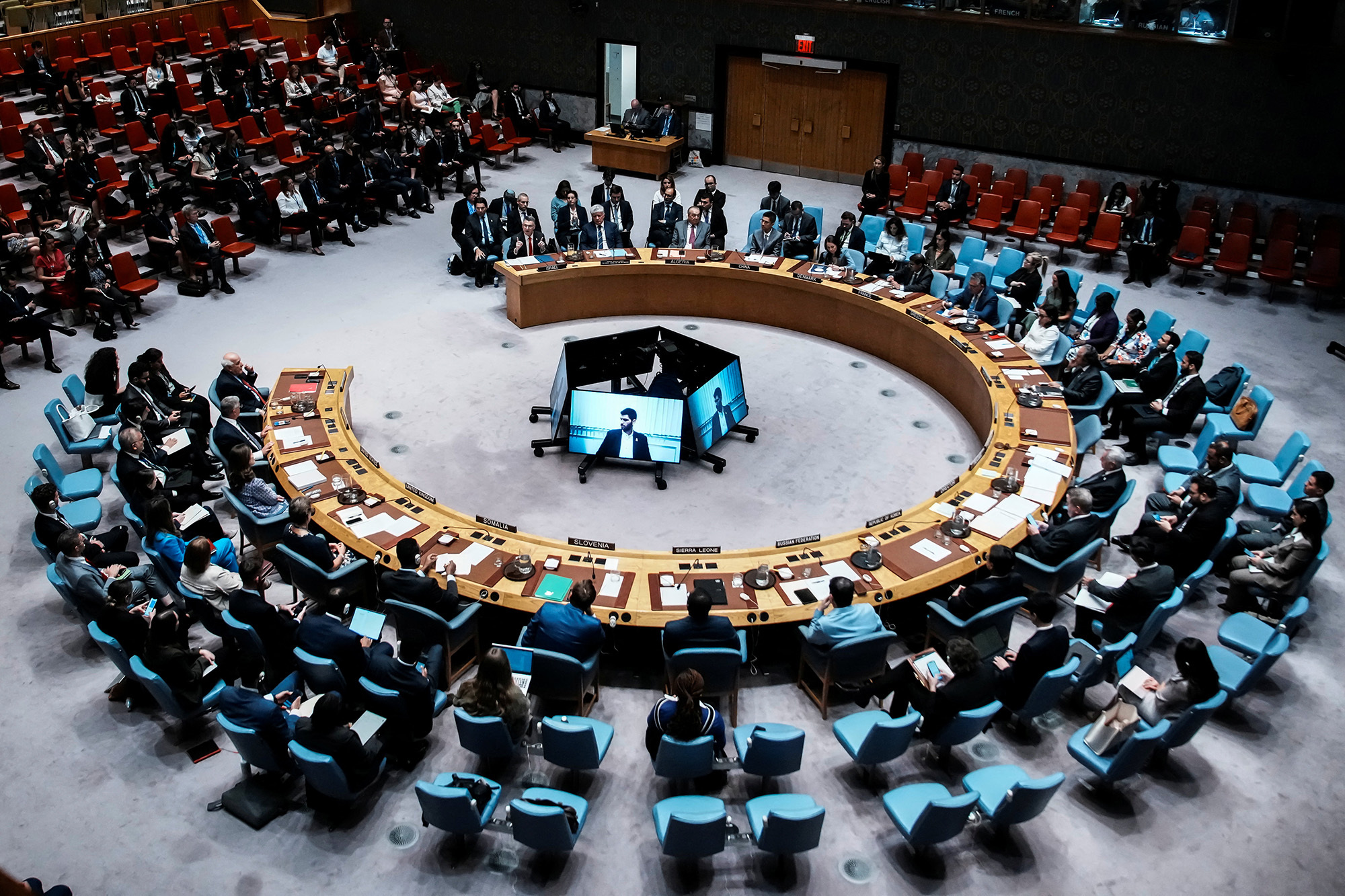
Talks collapsed February 25, 2026, after 72 hours of closed-door sessions. US envoy Keith Kellogg proposed freezing frontlines at November 2025 positions, with Ukraine ceding Donetsk/Luhansk for NATO membership and $100B reconstruction aid. Russia rejected, demanding full NATO exit and demilitarization west of Dnipro River.
Key sticking points:
Territory: Ukraine offers "special status" for Donbas; Russia insists on annexation recognition.
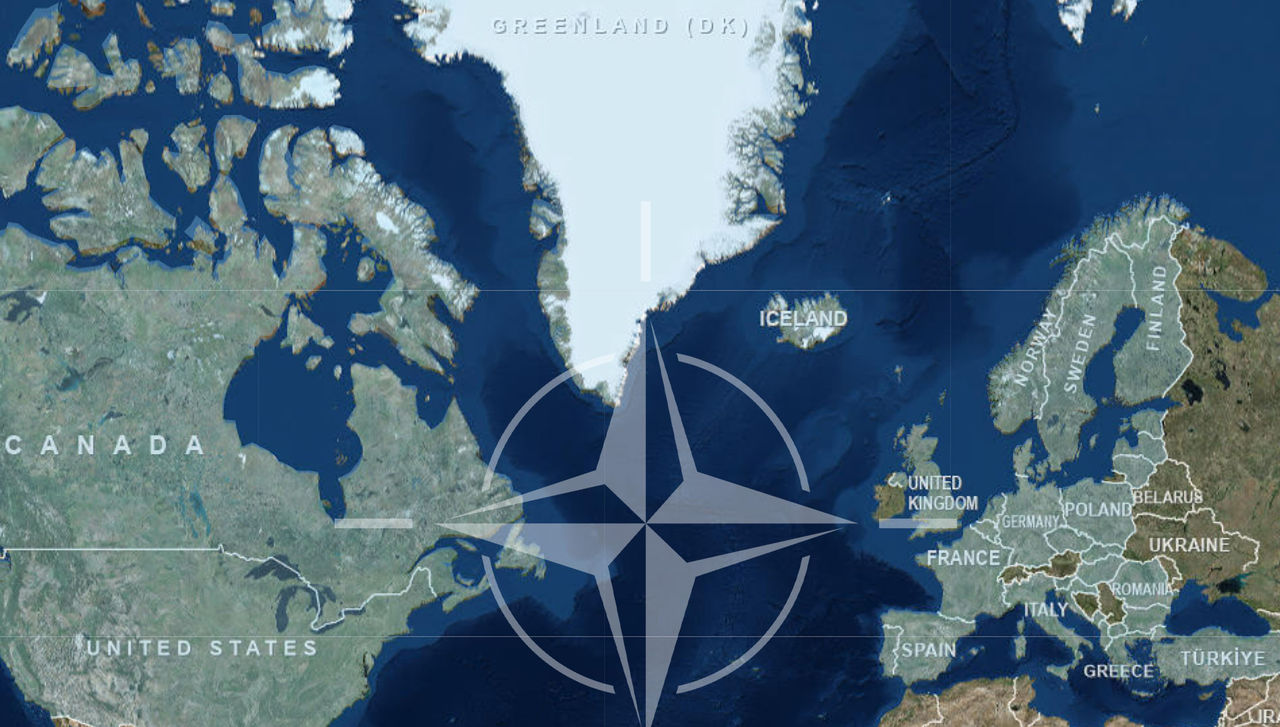
Security: US pushes Article 5 for Kyiv; Moscow wants permanent neutrality.
Reparations: $500B Russian liability vs. Ukraine's $1T damages claim.
No joint statement; sides left separately. Putin called it "theatrics"; Zelenskyy blamed "Russian intransigence."
US Leverage: Sanctions Relief vs. Patriot Batteries
Trump's Day One plan: Lift 50% sanctions for 30-day ceasefire; full relief for permanent deal. Zelenskyy countered with 100 F-16s/Patriots first.
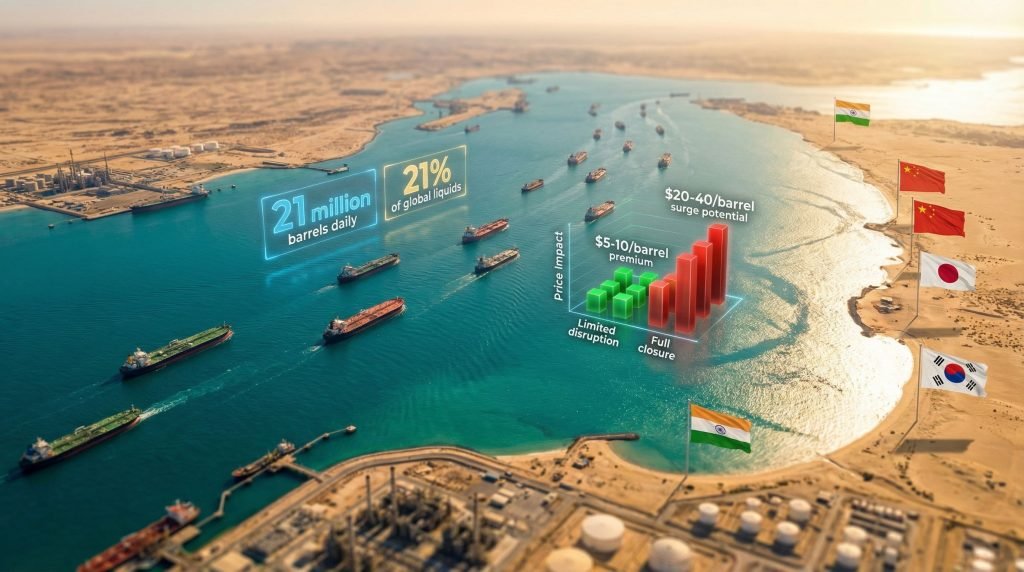
Russia tests limits: 15% oil sanctions evasion via India/China; frozen $300B assets weaponized. US shale boom reduces Russian energy leverage.
The Red Lines: Zaporizhzhia and Occupied Territories Blockade
The status of the Zaporizhzhia Nuclear Power Plant (ZNPP) and four occupied regions forms an insurmountable wall between Kyiv and Moscow. Russia treats both as sovereign territory under Rosatom control; Ukraine demands full return to 1991 borders as non-negotiable precondition.
Zaporizhzhia Nuclear Plant: Strategic and Safety Flashpoint
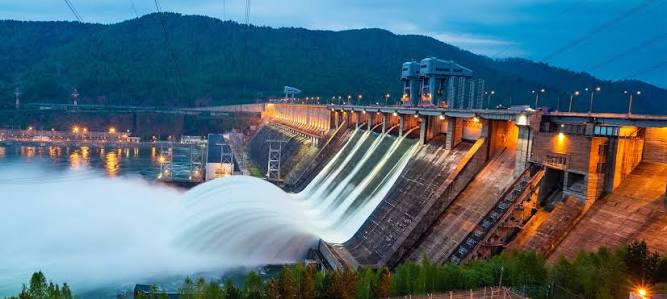
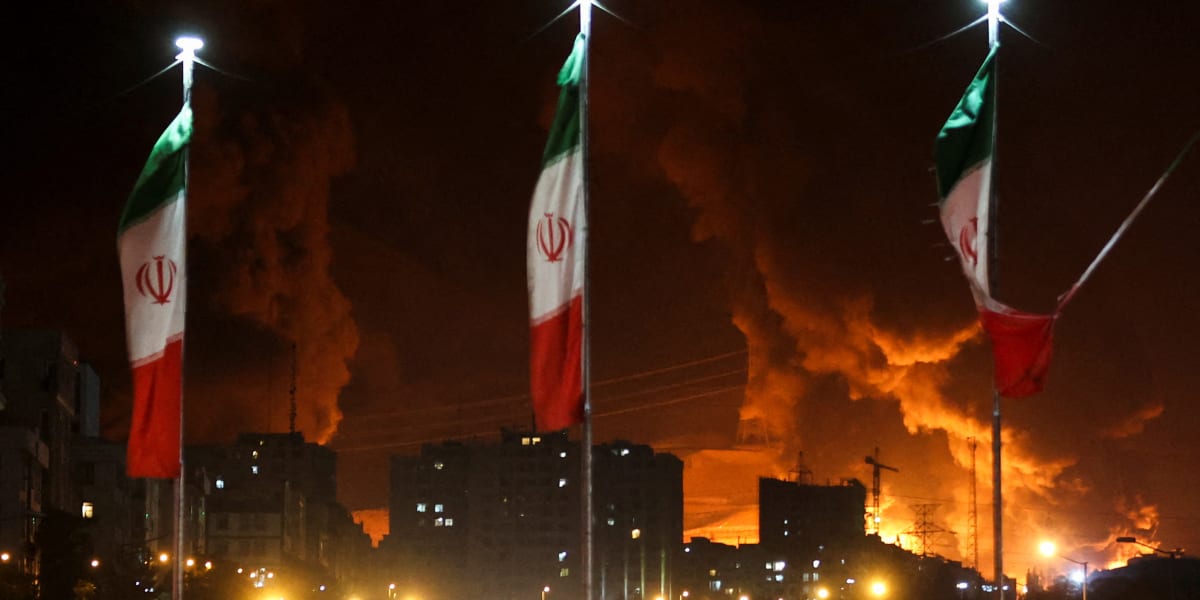
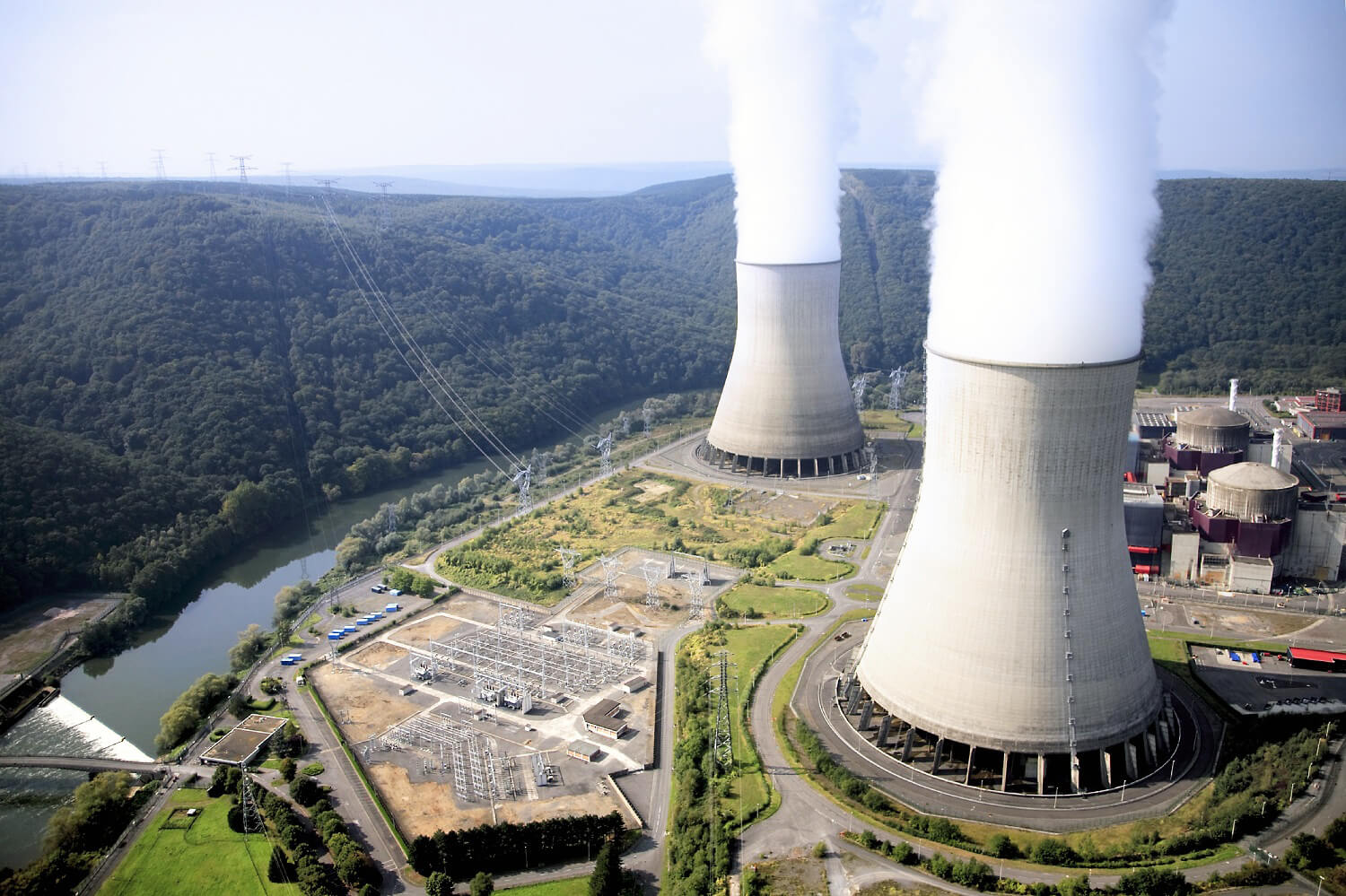
Europe's largest nuclear facility (6 reactors, 5.7GW capacity) seized March 2022 remains offline, reliant on fragile external power lines. Recent February 2026 incidents underscore crisis:
Current Status:
Russian control since Day 4 of invasion.
All reactors in cold shutdown; dependent on Dniprovska 750kV line (sole supply Feb 1927).
IAEA team on-site confirms normal radiation but warns of blackout risks.
Zelenskyy's Warning: Russia "Dragging Out" the Clock
Ukrainian President Volodymyr Zelenskyy accused Russia of deliberately stalling peace talks to prolong the war into its fifth year. Speaking after the Geneva talks collapsed on February 25, 2026, he stated Moscow uses negotiations as "theater" while reinforcing positions and waiting for Western fatigue.
The Statement BreakdownZelenskyy's February 24 address framed Russia's strategy as time-buying:
Year of War Signals: Putin orders military production for 2026; Shoigu claims "all objectives achieved by force if needed.
Diplomatic Manipulation: Russia attends talks but rejects all compromise, forcing Ukrainian concessions.
Western Partners Urged:,
Delivered hours before Geneva Round 6 ended without agreement, timed to pressure Trump administration post-stalemate.
The "Grey Zone" Logistics: Satellite and Drone War Takes Over
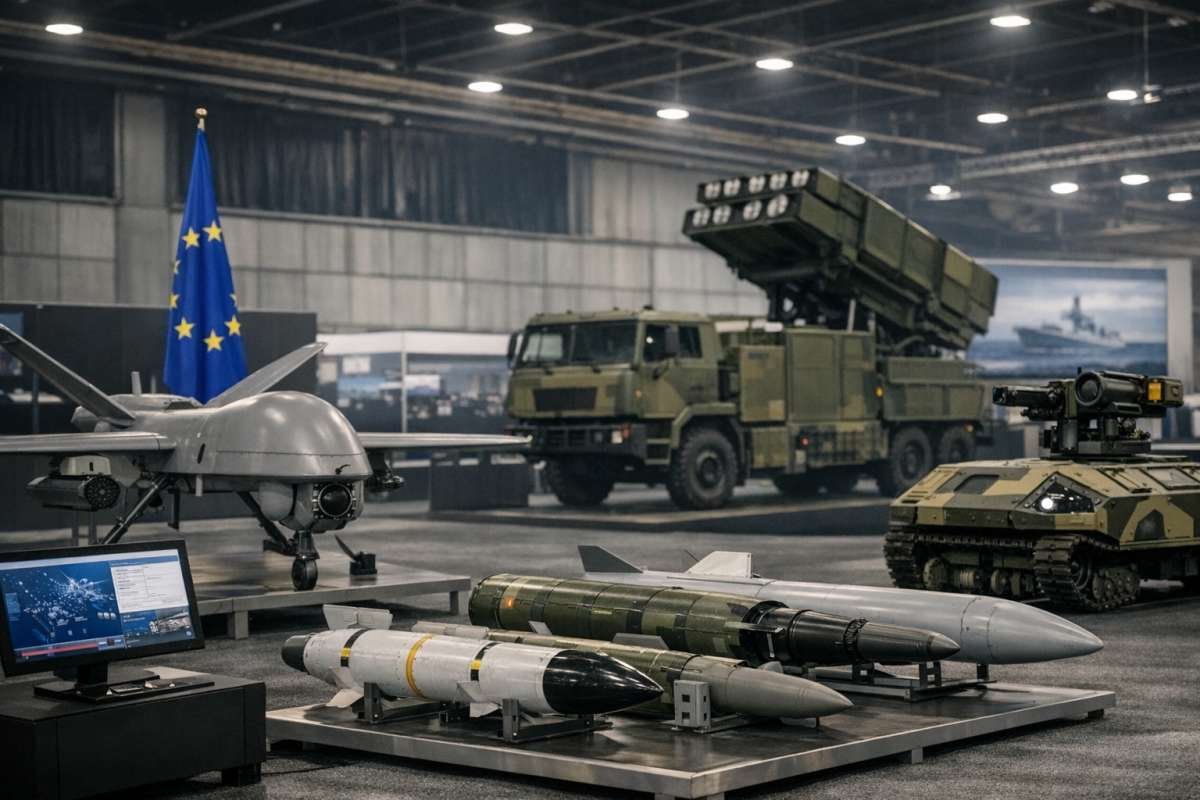
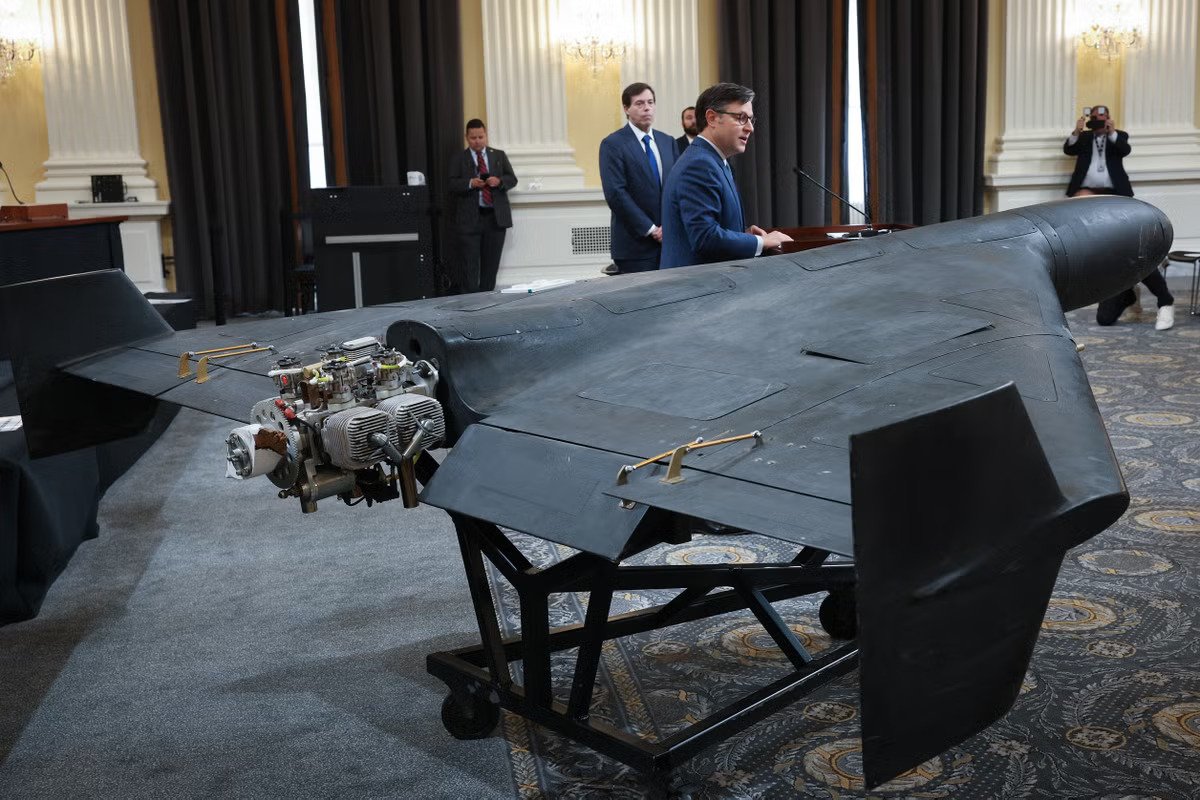
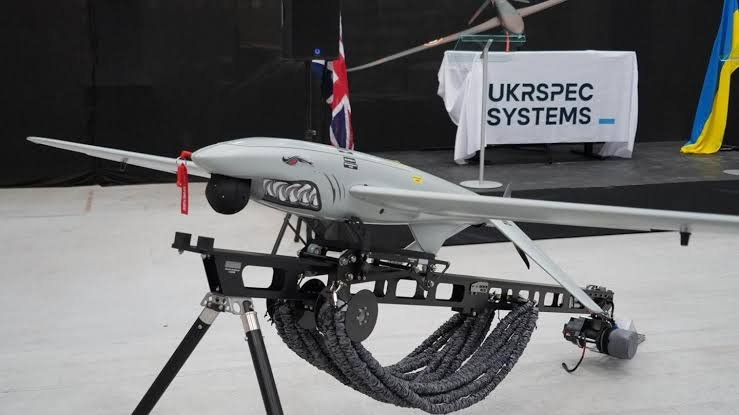
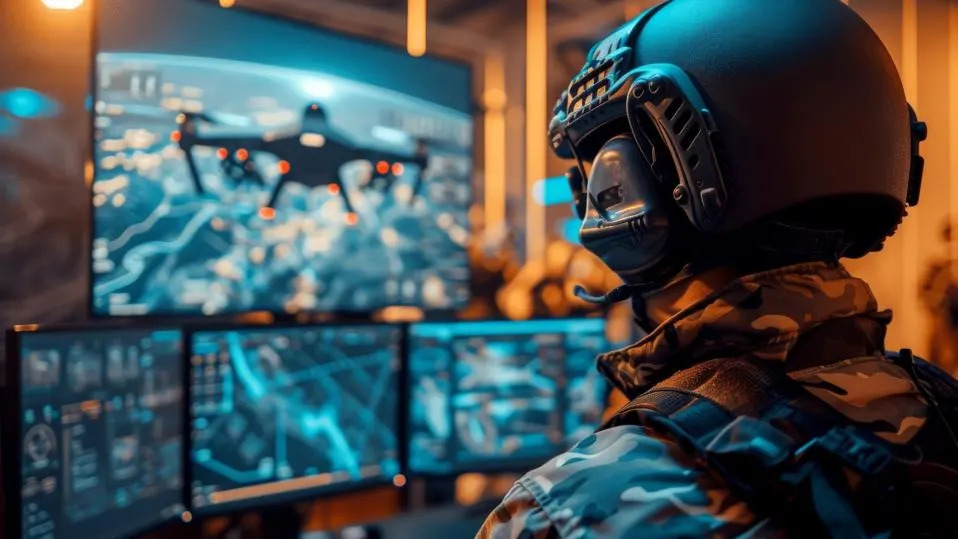
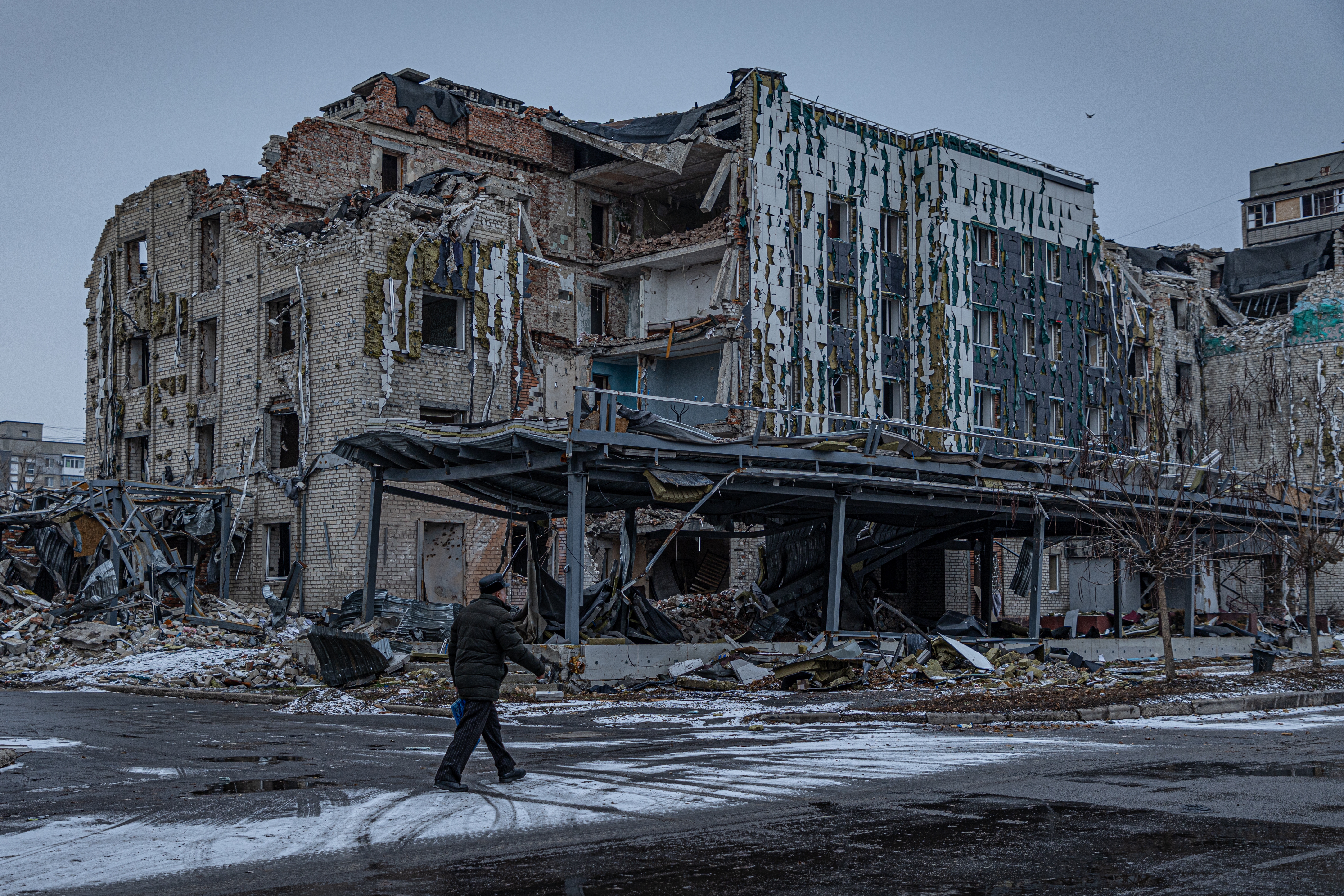
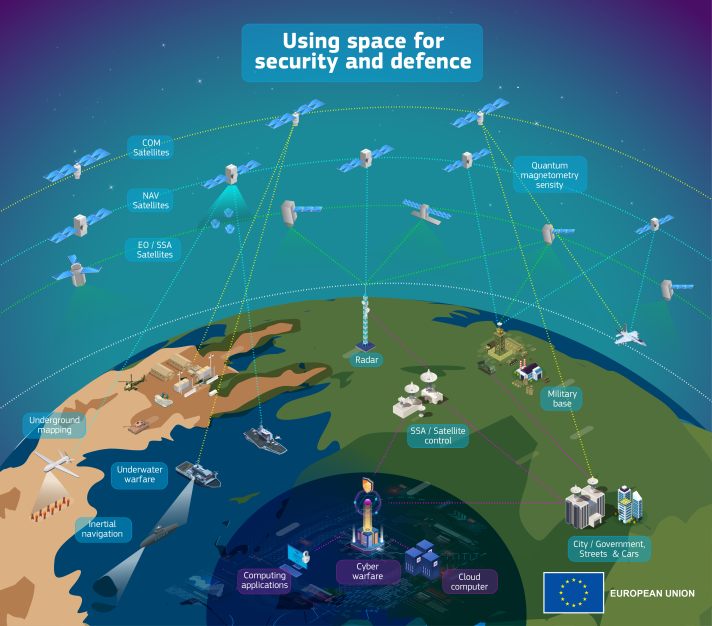
The Ukraine war shifts from big tank battles to a technical struggle over satellites and drones. Both sides fight for control of the skies through small, cheap weapons and space tech. This "grey zone" makes the battlefield invisible and deadly, where seeing first wins every fight.
What is the Grey Zone War?Grey zone means fighting without full war or peace. Russia and Ukraine use drones, satellites, and cyber attacks daily. No massive armies clash. Instead, tiny sensors and signals decide who lives or dies. By 2026, 80% of targets hit by drones, not shells.
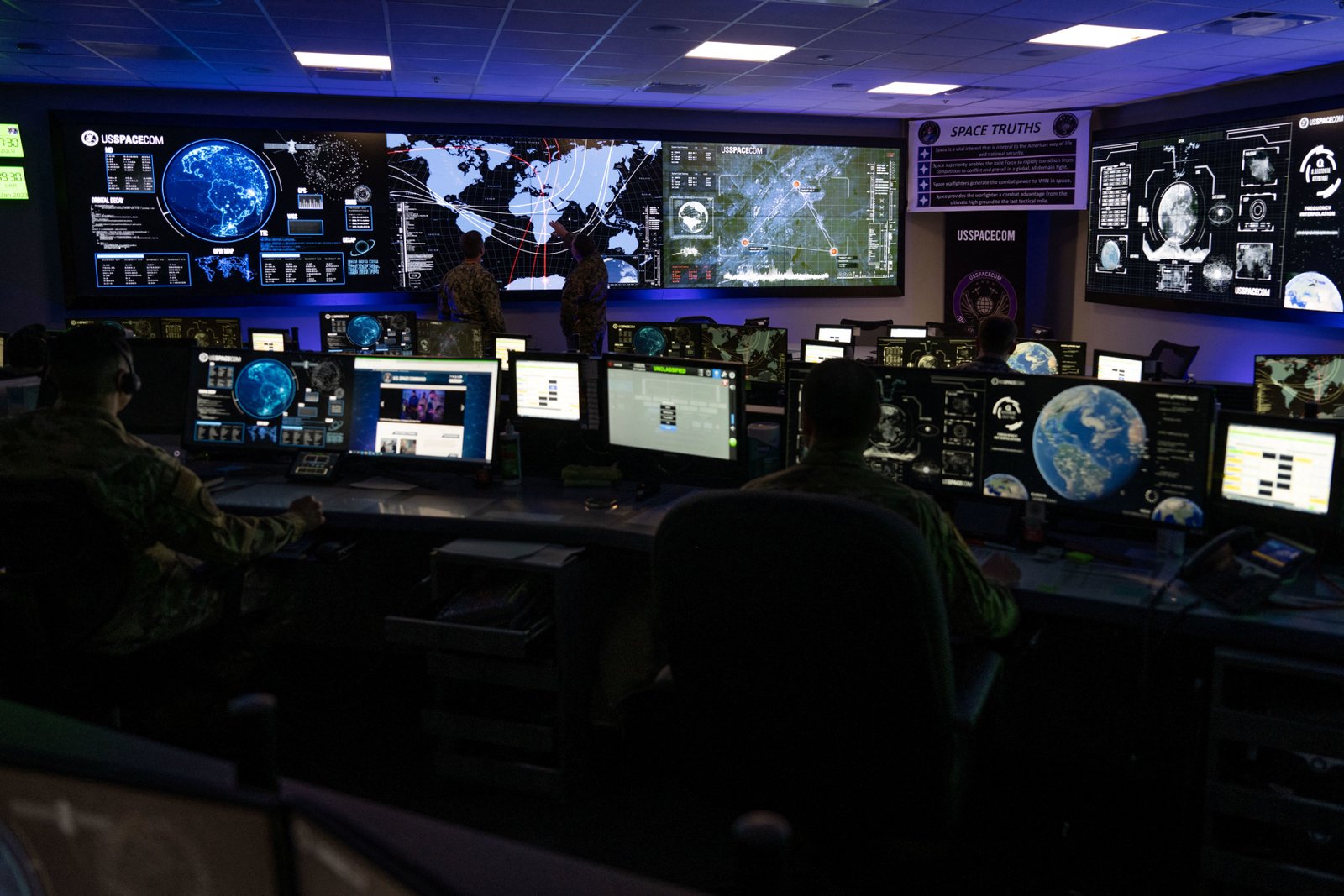
Satellite Dominance: Eyes in the SkySatellites give real time views of enemy moves. Ukraine gets 70% of its intel from space. Russia builds its own network to compete.
The Technical War:Satellites spot targets. Drones strike minutes later. Russia jams signals 60% of time. Ukraine switches frequencies every 12 hours.
Who Wins the Grey Zone?Ukraine leads in drone kills (2:1 ratio). Russia leads in jamming and satellites. War slows to 100 meters per month gains. Logistics win matters most. Russia makes 4 million shells yearly. Ukraine makes 3 million drones. Stalemate continues. Grey zone turns war into video game with real blood. Satellites see all. Drones kill all. Ground barely moves. Fifth year fights through screens, not trenches.
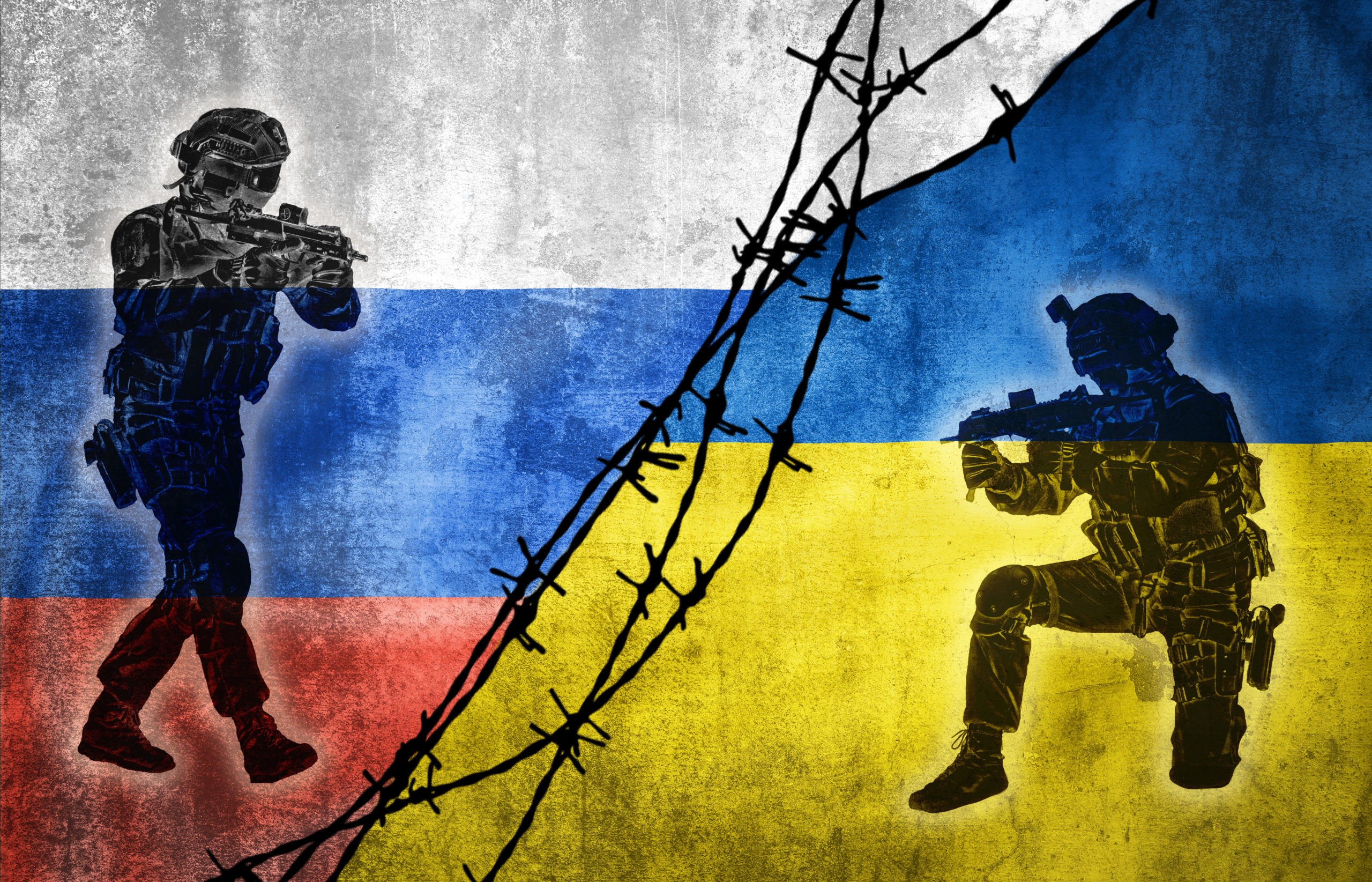
The Takeaway: Political Will Can Move Mountains, But Not BordersPolitical will can move mountains, but it cant move borders when neither side wants to give in. The Ukraine war proves this truth after four years of fighting and failed talks. Russia holds ground. Ukraine holds hope. Geneva talks collapse because both leaders refuse to blink first.
World Watches the Stare DownAmerica wants fast deal for Trump win. Europe fears next war. China watches NATO. Nobody forces blink.
Fifth year starts same as fourth. Trenches full. Drones buzz. Satellites watch. Political will built mountains of steel and will. Borders laugh at all effort.
Leaders stare across tables and fields. Nobody blinks. War grinds on. Mountains moved. Lines stand still.