Hormuz After the Shock: Energy Security, Shipping Risk and the Return of the War Premium
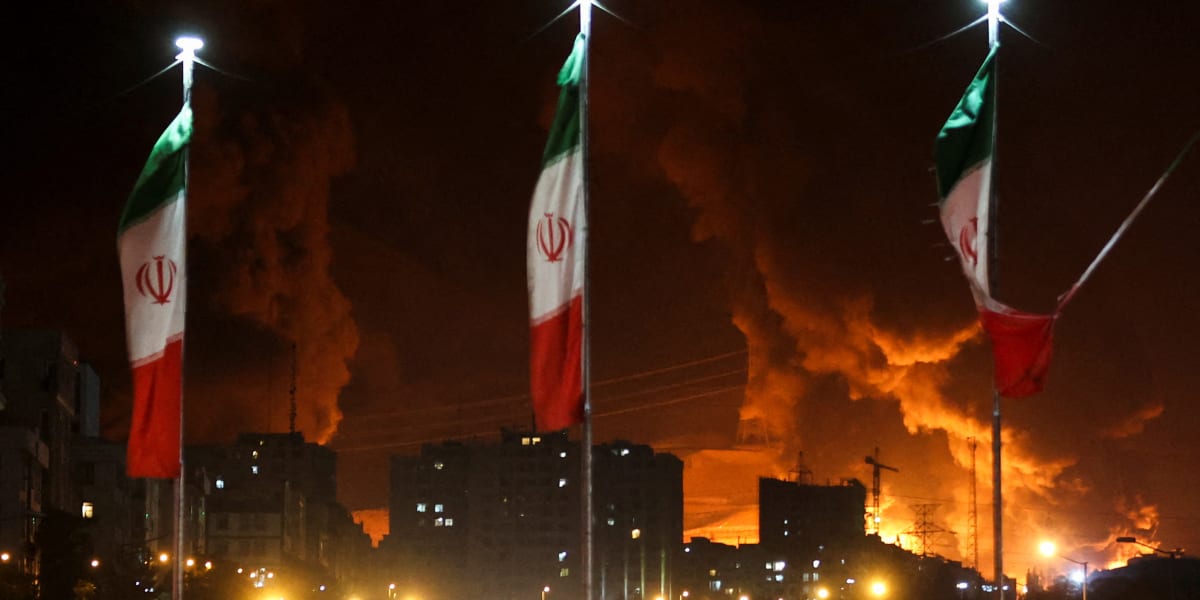
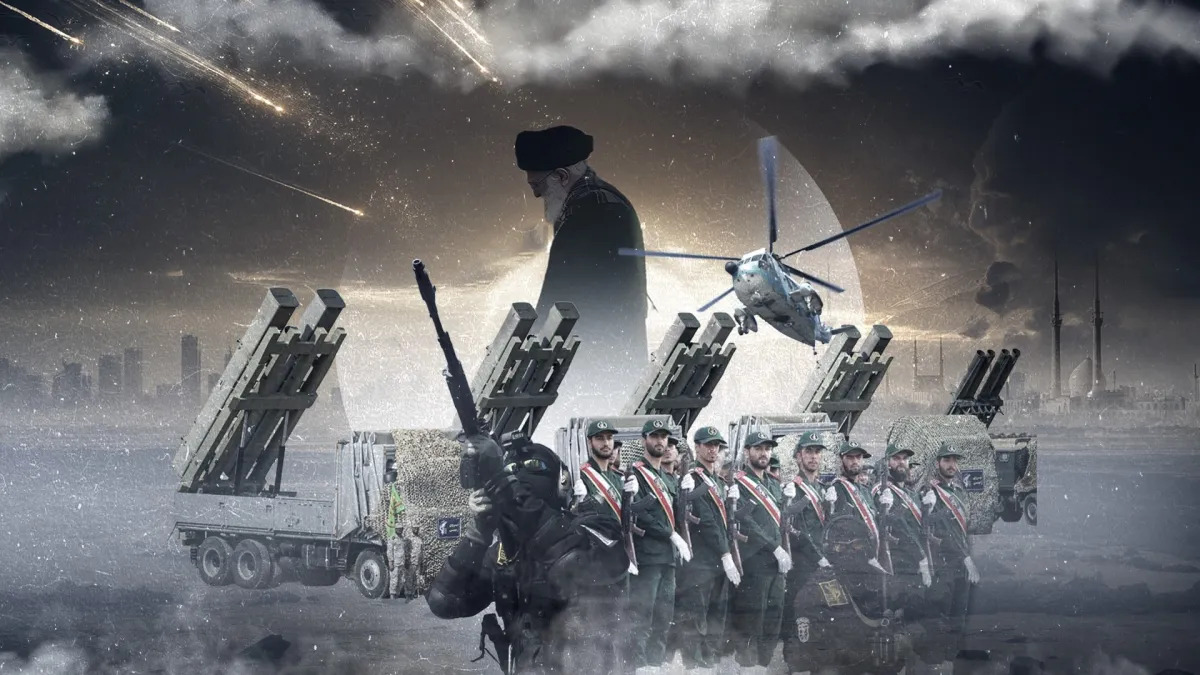
The Strait of Hormuz still matters because it is not merely a waterway; it is the compression point where energy markets, maritime risk and state coercion meet. The latest cycle of attacks and counter-attacks has shown that even when outright closure is avoided, disruption is enough to reprice oil, LNG, freight and insurance. What has returned is not simply the fear of a supply cut, but a broader war premium: a cost attached to uncertainty over passage, timing, cargo integrity and political control. The central lesson is straightforward. Hormuz is no longer only an oil chokepoint. It is a test of whether the global economy can absorb repeated shocks to the physical infrastructure of trade without normalising strategic coercion.
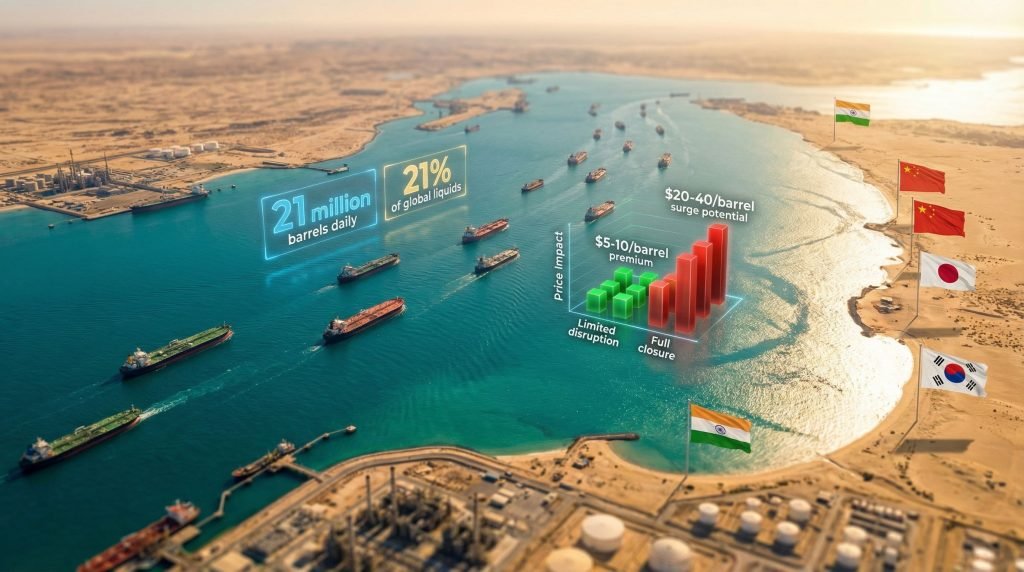
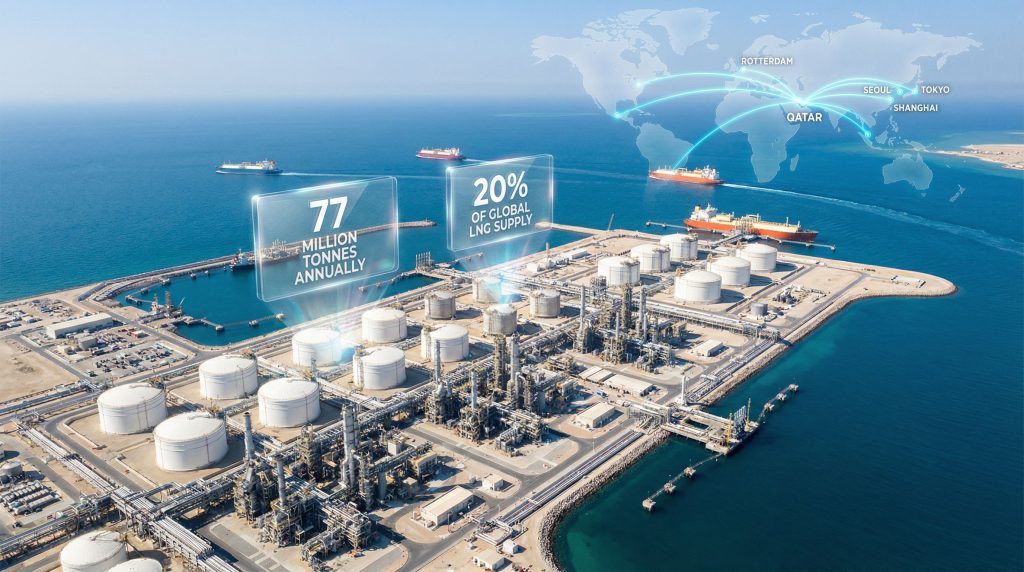
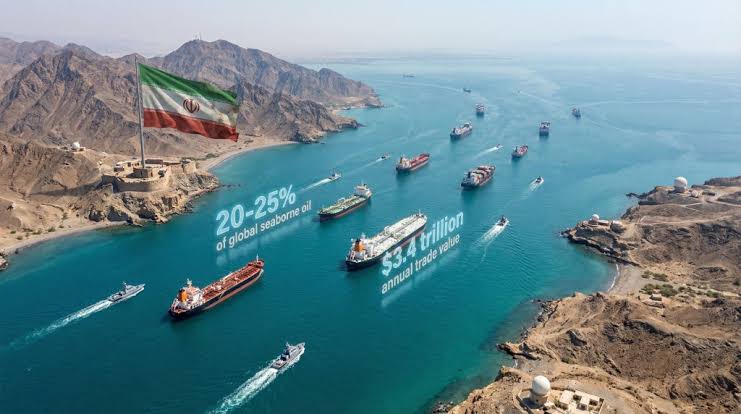
The strategic significance of Hormuz lies in the scale and concentration of what moves through it. In 2025, around a quarter of the world’s seaborne oil trade transited the Strait, while over 110 bcm of LNG also passed through it. About 80% of oil and oil products moving through Hormuz was bound for Asia, and almost 90% of LNG exported through the waterway went to Asian buyers. That concentration explains why even limited disruption produces outsized market effects. It is not just crude that is exposed, but refined products, LPG, fertiliser feedstocks and industrial materials.
The deeper problem is that bypass capacity remains narrow. Only Saudi Arabia and the UAE possess operational crude pipelines able to reroute some exports outside the Strait, and even then the available capacity is limited relative to normal flows. LNG is more vulnerable still, because there are effectively no alternative routes for Qatari and Emirati volumes. In practical terms, that means the world still lacks a clean workaround for Hormuz. Resilience exists, but it is partial, slow and expensive.
Recent Incidents and Data
The recent shock did not emerge in a vacuum. Iran’s seizure of the MSC Aries in April 2024 was an early reminder that commercial shipping could again become a bargaining chip in regional escalation. In June 2025, after Israeli strikes on Iran, Brent crude rose sharply as traders repriced the probability of a wider disruption, even though analysts still judged a full closure of Hormuz unlikely. That episode hinted at a new market logic: prices were reacting less to actual lost barrels than to the possibility that transit security could deteriorate quickly.
By June 2026, that logic had hardened. A cargo ship hit by a projectile near Oman drove oil prices higher again, reviving fears over the reliability of passage. Yet the more revealing story came afterwards. Middle Eastern producers resumed crude and LNG loadings, but traffic remained below pre-conflict norms. Reuters reported that Gulf tanker rates nearly doubled as shipowners priced in tighter vessel availability, while war-risk insurance eased only partially from crisis peaks. At the same time, the IEA noted that inventories had been drawing at a record pace during the worst of the disruption and that full recovery would depend not only on diplomacy, but also on clearing hazards from shipping lanes and restoring logistical normality.
Strategic Implications For Energy Markets
The most important implication for oil markets is that the war premium has returned in a more complex form than in earlier crises. In past episodes, the benchmark question was whether crude supply would be physically lost. Now the premium is layered. It includes the risk that barrels will be delayed, rerouted, stored afloat, discounted, or unable to reach refiners in predictable sequences. That is why prices can soften while logistics remain dislocated. A benchmark near pre-crisis levels can hide substantial stress in freight, inventory management and refinery planning.
The second implication is regional asymmetry. Hormuz disruptions hit Asian consumers first because Asia absorbs the overwhelming majority of crude and LNG transiting the Strait. Europe is less directly exposed on crude than it once was, but it still remains vulnerable through LNG competition and product-market spillovers. The third implication is that some commodities outside headline oil markets may become the real multiplier. Fertiliser inputs, LPG and petrochemical feedstocks are all vulnerable to maritime disruption, and their interruption can feed into food prices, industrial production and inflation expectations. In other words, Hormuz is an inflation channel as much as an energy channel.
Shipping and Insurance Risk
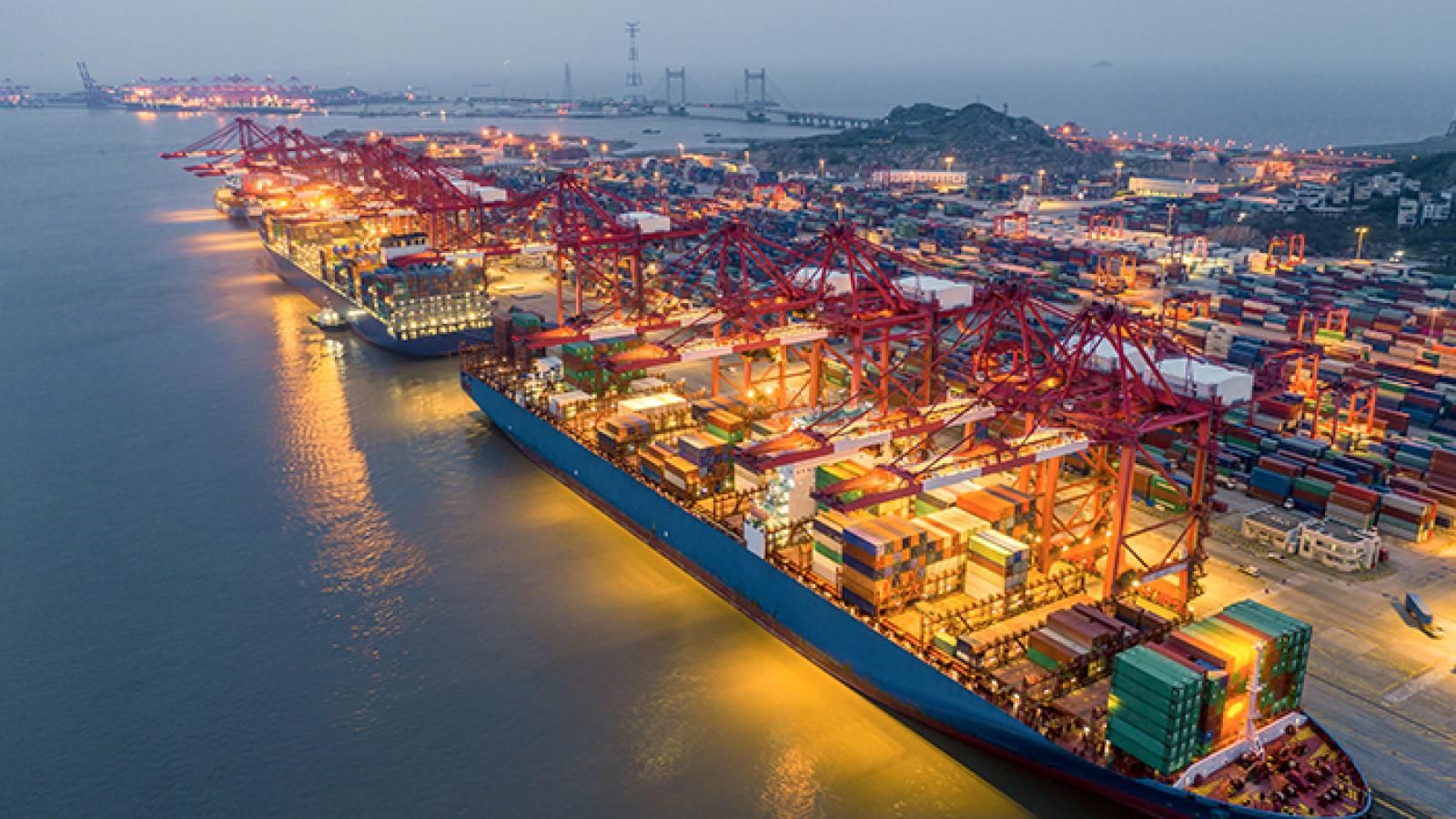
Shipping risk in Hormuz is no longer confined to a binary choice between open and closed. The more realistic danger is a degraded operating environment in which ships transit more slowly, turn off transponders, accept military escort, pay sharply higher premiums, or avoid the route altogether until confidence improves. That alone adds cost. Reuters reported daily hire costs for Gulf-related tanker routes surging as owners responded to demand, bottlenecks and the continued presence of vessels stranded by earlier disruption.
Insurance reveals the same pattern. War-risk premiums have eased from their peak, but they have not disappeared, because underwriters are pricing not just a single event but the probability of repeat incidents. Once shipowners and insurers conclude that the security environment has become structurally unstable, every voyage acquires an option value: wait, reroute, store, or sail at a premium. That is the real meaning of the new war premium. It migrates from the oil futures screen into charter markets, insurance contracts and delivery schedules. The result is that even “normal” flows can become economically abnormal.
Policy and Military Responses
The policy response has been shaped by two imperatives: keep cargo moving and prevent panic from becoming shortage. The IEA’s emergency stock release was designed to buy time for both governments and markets, while producers outside the Gulf increased output to cushion the shock. At sea, maritime security mechanisms also adapted. The UK Maritime Trade Operations centre continues to function as a primary reporting and emergency contact point for merchant vessels, while BMP maritime security guidance remains the practical baseline for operators planning voyages through high-risk areas.
Coalition activity matters because information is now part of deterrence. Combined Maritime Forces maintained operations during the conflict and stressed continuity in command, coordination and advisory support. Its Joint Maritime Information Center, established in 2024, was designed precisely to fuse operational information into actionable guidance for industry. That does not eliminate risk, but it lowers uncertainty. Still, the limits of policy are clear. Naval presence can reduce opportunistic attacks and improve reporting, yet no patrol pattern can fully remove the commercial effects of repeated coercion around the world’s most important energy chokepoint.
Industry and Policymakers
For industry, the priority is to treat Hormuz disruption as a recurring operating assumption rather than a low-probability tail event. Importers and traders need more optionality in freight, storage and procurement; refiners need greater tolerance for timing shocks; and shipping firms need war risk cover, reporting discipline and voyage planning tied to UKMTO and JMIC advisories. For LNG buyers in particular, diversification is no longer just a portfolio choice but a strategic hedge.
For policymakers, the lesson is that energy resilience cannot begin and end with releasing stockpiles after a crisis. Strategic reserves remain essential, but so do redundancy in export infrastructure, better maritime information-sharing, stronger multinational naval coordination and closer coordination with Asia’s major importers. The objective should not be to pretend Hormuz can be bypassed overnight. It is to reduce the leverage created by the Strait’s concentration of flows. Unless that structural vulnerability is addressed, every future regional confrontation will continue to tax the global economy long before any formal blockade is declared.