After the American Umbrella: Can Gulf States Build Their Own Regional Security Order?
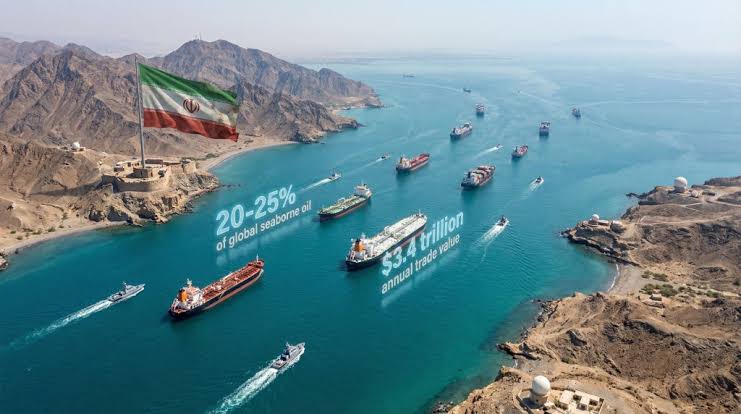
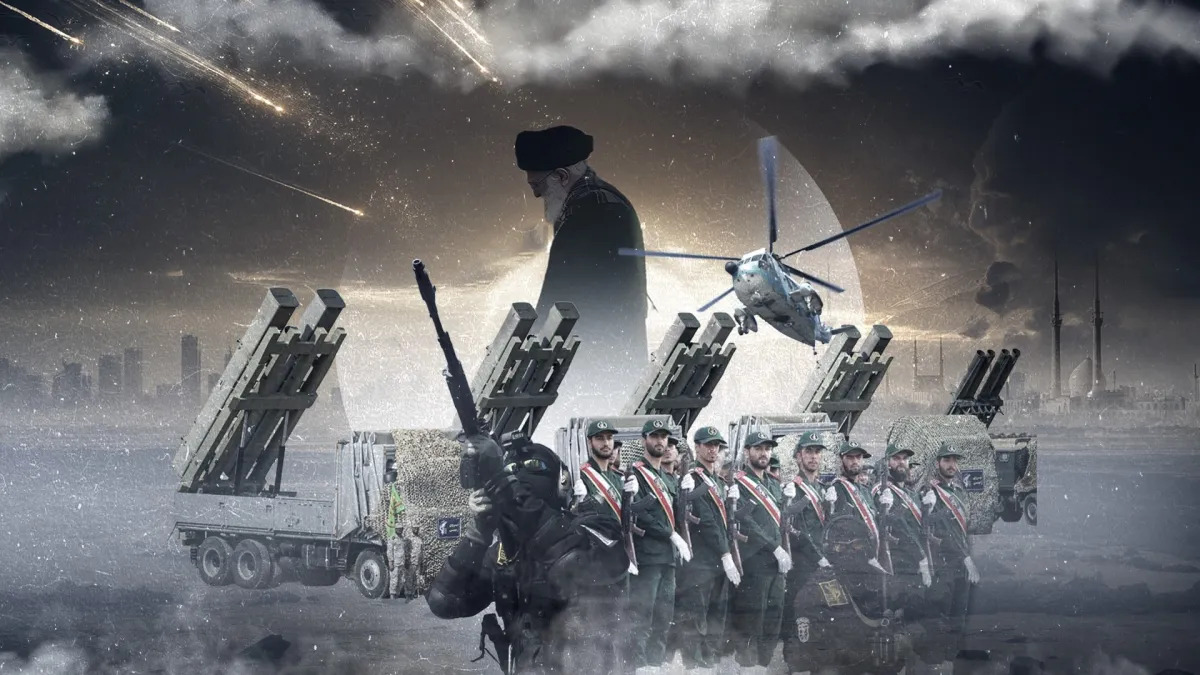
The Gulf's security crisis in 2026 has exposed a structural contradiction. The United States remains the region's most powerful military actor, with bases, command centres, naval forces, intelligence networks and weapons relationships that no alternative partner can match. Yet Gulf states have endured a conflict they opposed, attacks on energy and civilian infrastructure, disruption to the Strait of Hormuz and uneven American support. The question is no longer whether Washington is present. It is whether that presence still produces the security Gulf capitals need.
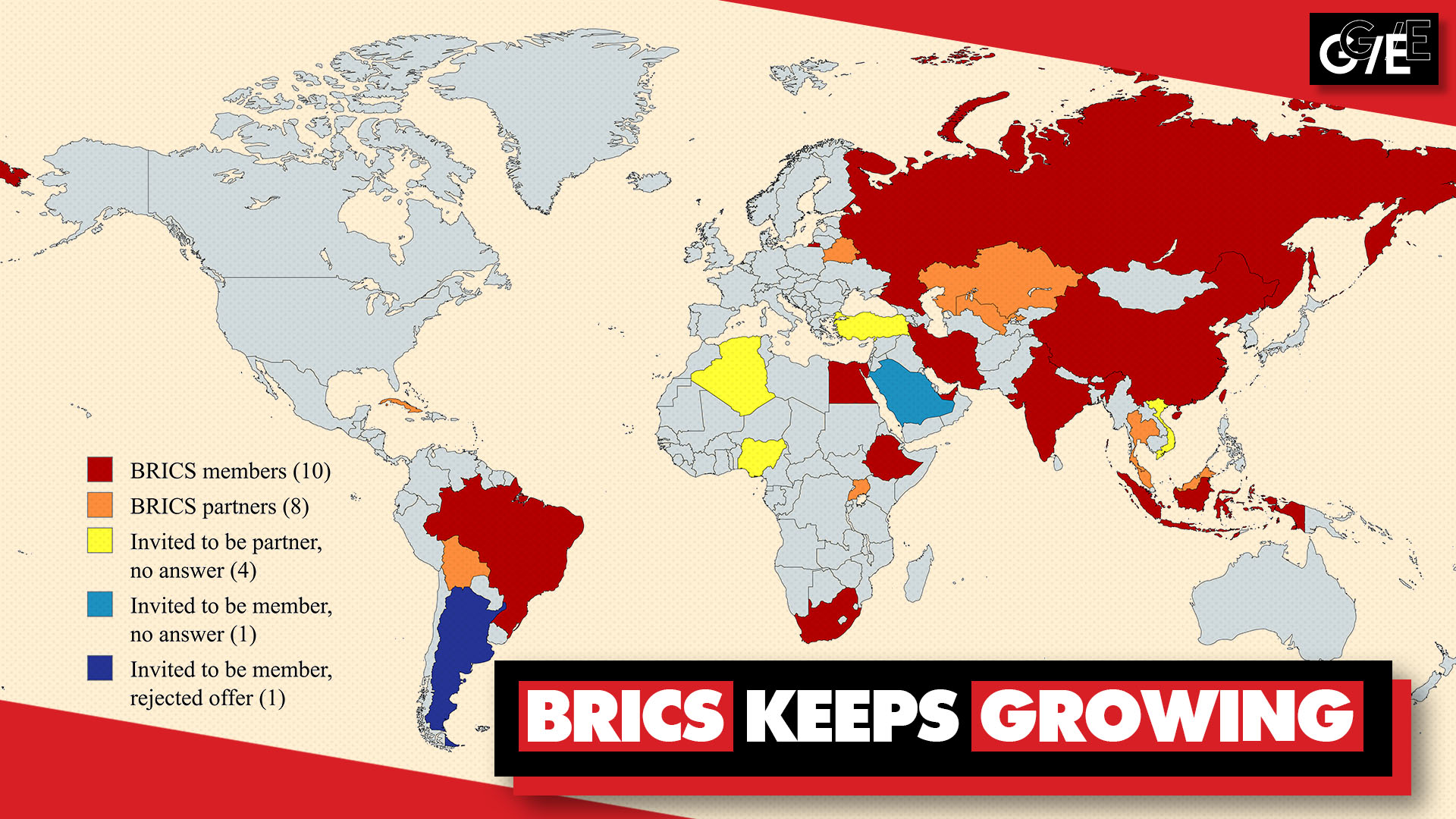
The answer has prompted several experiments. The Gulf Cooperation Council has revived joint-defence language and accelerated work on missile warning and military integration. Saudi Arabia, Turkey and Pakistan signed the Mecca Joint Defence Agreement, which treats an attack on one as an attack on all. Qatar has proposed a regional framework that would include Iran, while Gulf governments are also seeking European military support and Chinese diplomatic leverage. These initiatives show strategic movement, but they do not yet form a coherent order.
The Gulf states cannot replace the American umbrella with a single regional alliance. Their armed forces remain dependent on external intelligence, logistics, software, munitions and maintenance. They also disagree about Iran, political Islam, Israel and the distribution of regional leadership. A new anti-Iran bloc would intensify the security dilemma, while an Iran-inclusive dialogue without deterrence would lack credibility. Turkey, Pakistan, Europe and China can add capacity or influence, but none is willing and able to perform the full American role.
A workable order must therefore be layered rather than post-American. The GCC should become the operational core, with shared warning, air and missile defence, maritime surveillance, stockpiles, infrastructure protection and crisis command. A second ring of external partnerships should diversify supply and provide specialist capabilities without granting any outside power a monopoly. A third diplomatic layer should include Iran and Iraq in rules for navigation, missile and drone incidents, use of airspace, attacks on civilian infrastructure and crisis communication.
The strategic objective is not Gulf autarky. It is regional agency. Washington can remain a high-end backstop, but Gulf governments should determine the rules, distribute the burdens and make their security less vulnerable to a change of administration or a conflict initiated elsewhere. The measure of success will be whether the region can deter attacks, contain incidents and protect its economic transformation without waiting for an external power to decide when Gulf security matters.
The umbrella did not disappear but its credibility did
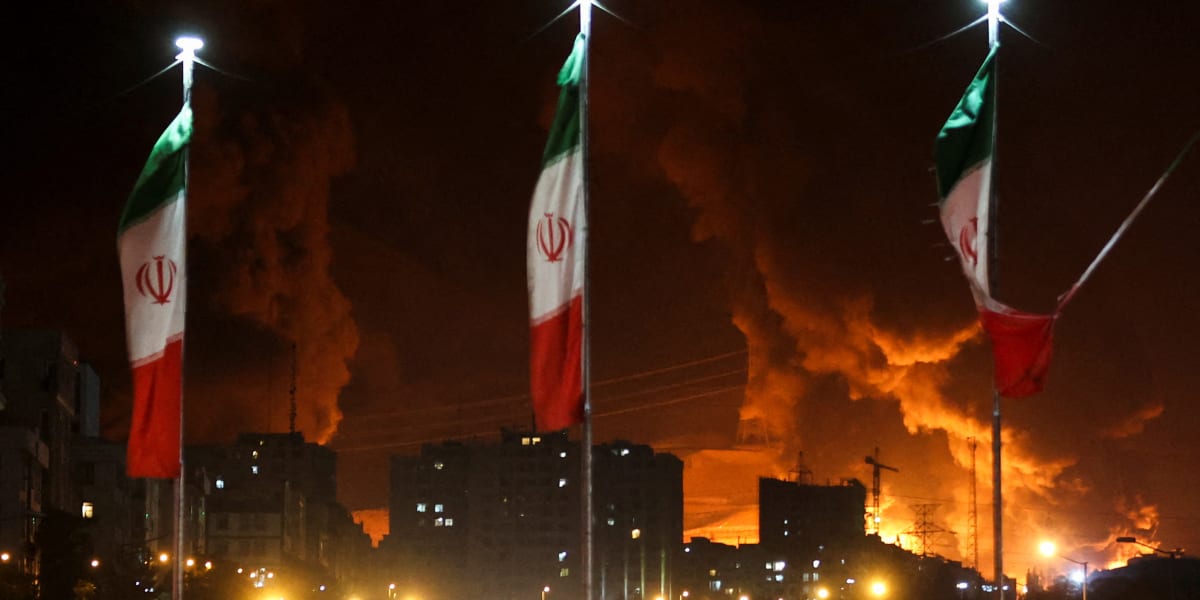
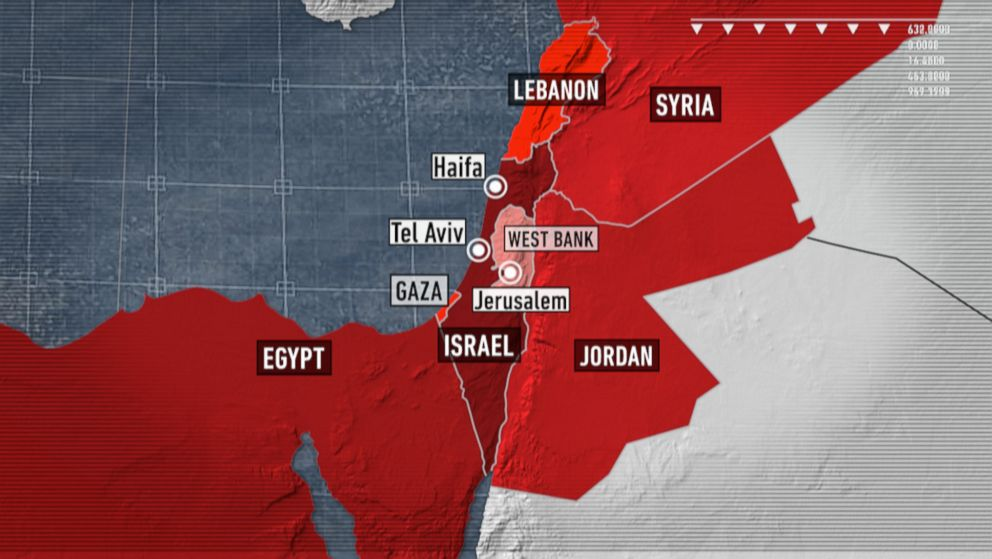
That expectation has weakened through repeated shocks. The limited American response to the 2019 attack on Saudi energy facilities raised questions about the threshold for intervention. The 2022 attacks on Abu Dhabi reinforced the problem. Israel's 2025 strike on Qatar added a more difficult scenario: a Gulf partner was threatened by another close American partner. In 2026, the United States and Israel launched a war against Iran despite Gulf opposition, while Iranian missiles and drones struck Gulf territory and the Strait of Hormuz became an instrument of coercion.
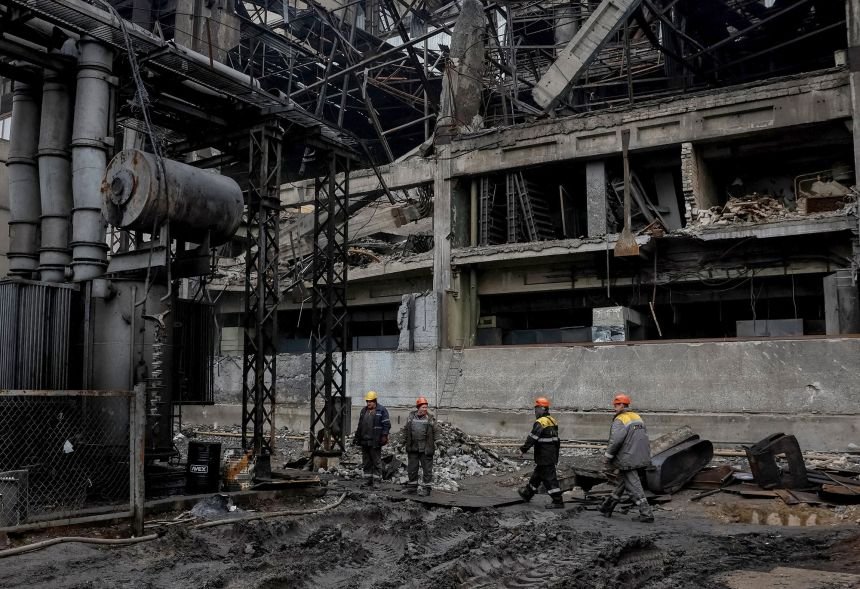
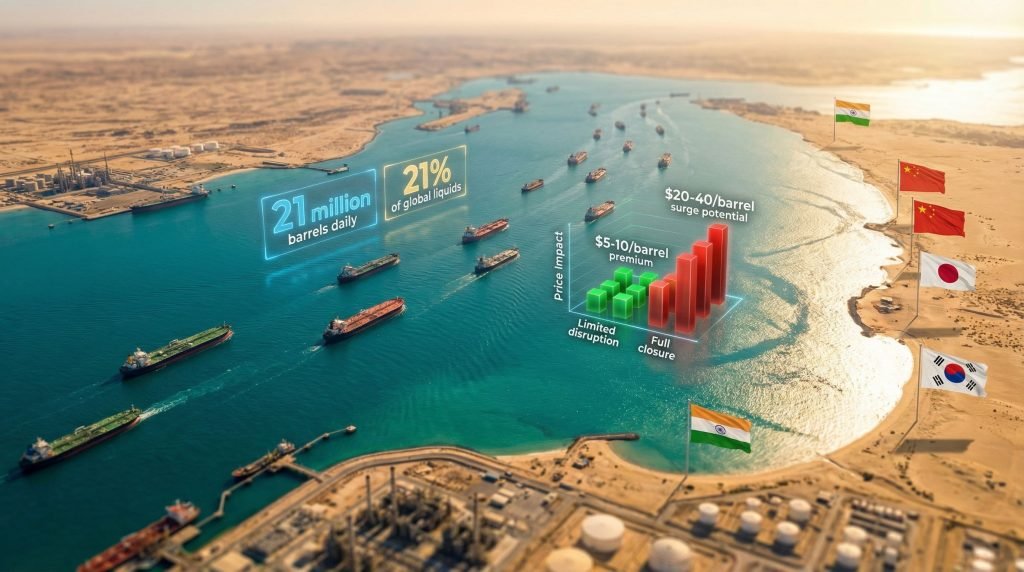
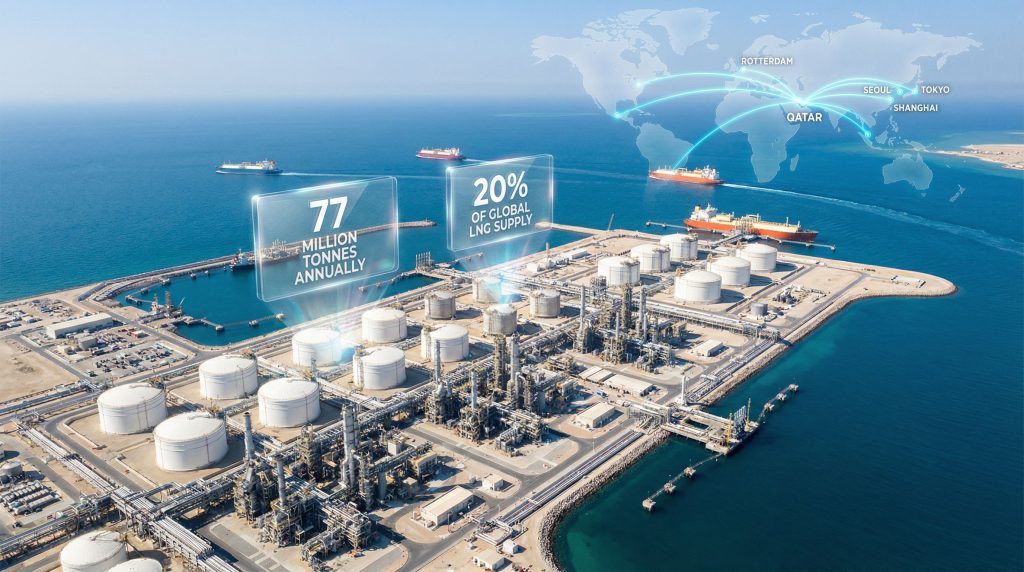
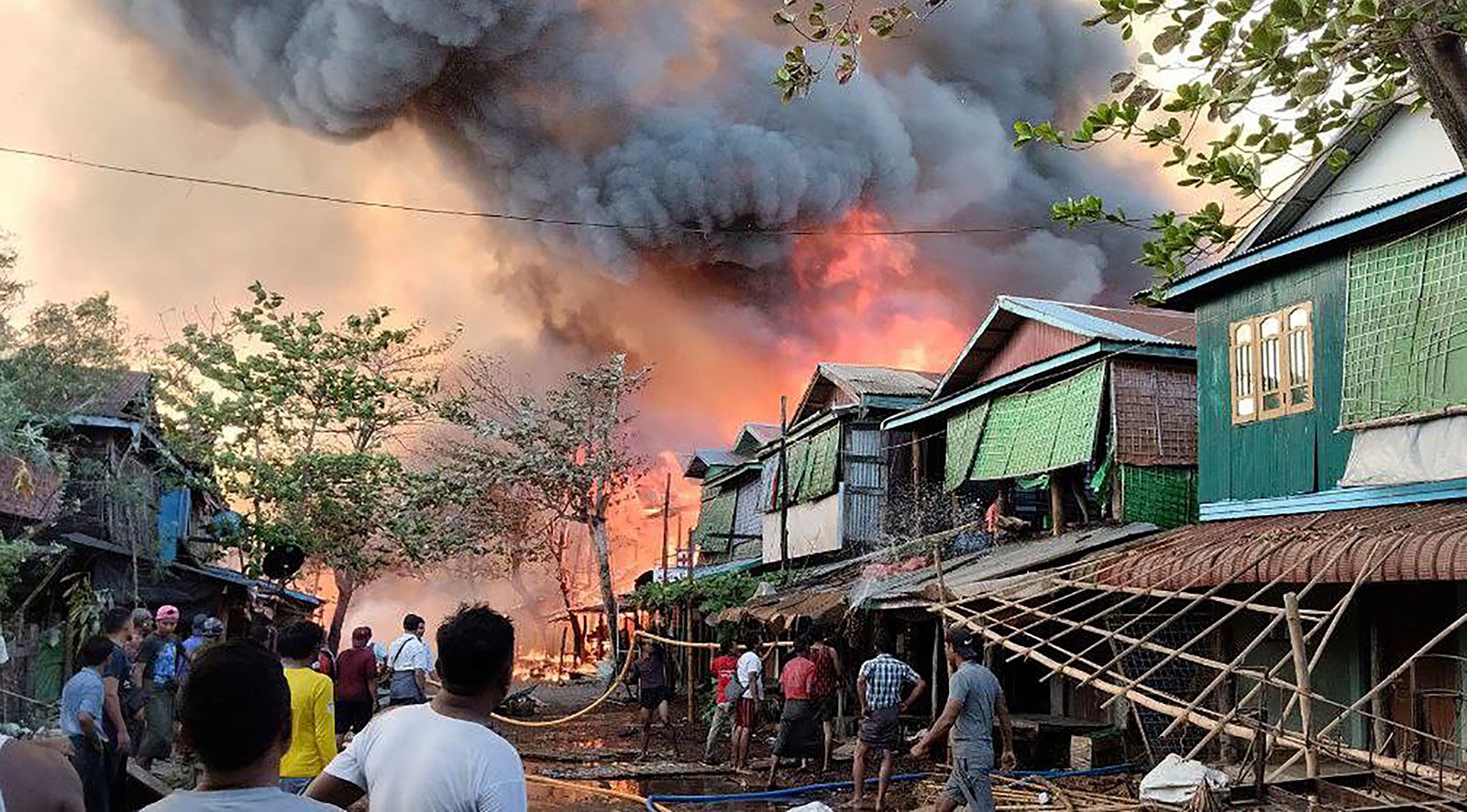
The material damage changed the debate. Reuters reported that the Gulf states were paying the economic and military costs of a war they had neither initiated nor endorsed. Airports, ports, hotels, military installations and energy facilities were hit. By September, Qatar's liquefied natural gas exports had fallen dramatically, while damage to Saudi Arabia's East-West Pipeline disrupted the alternative route to the Red Sea. The security of national transformation programmes, not only the security of regimes or oil fields, was at stake.
American power was visible throughout the crisis, but its purpose did not always align with Gulf priorities. Washington focused on degrading Iran, protecting its own forces and maintaining leverage over Tehran. Gulf governments wanted an end to attacks, reliable freedom of navigation and a political settlement that would prevent another cycle. Saudi Arabia also faced renewed Houthi pressure while perceiving limited American help. The completed US withdrawal from Iraq in September reinforced the sense that Washington's commitments were becoming more selective even as its military remained active elsewhere.
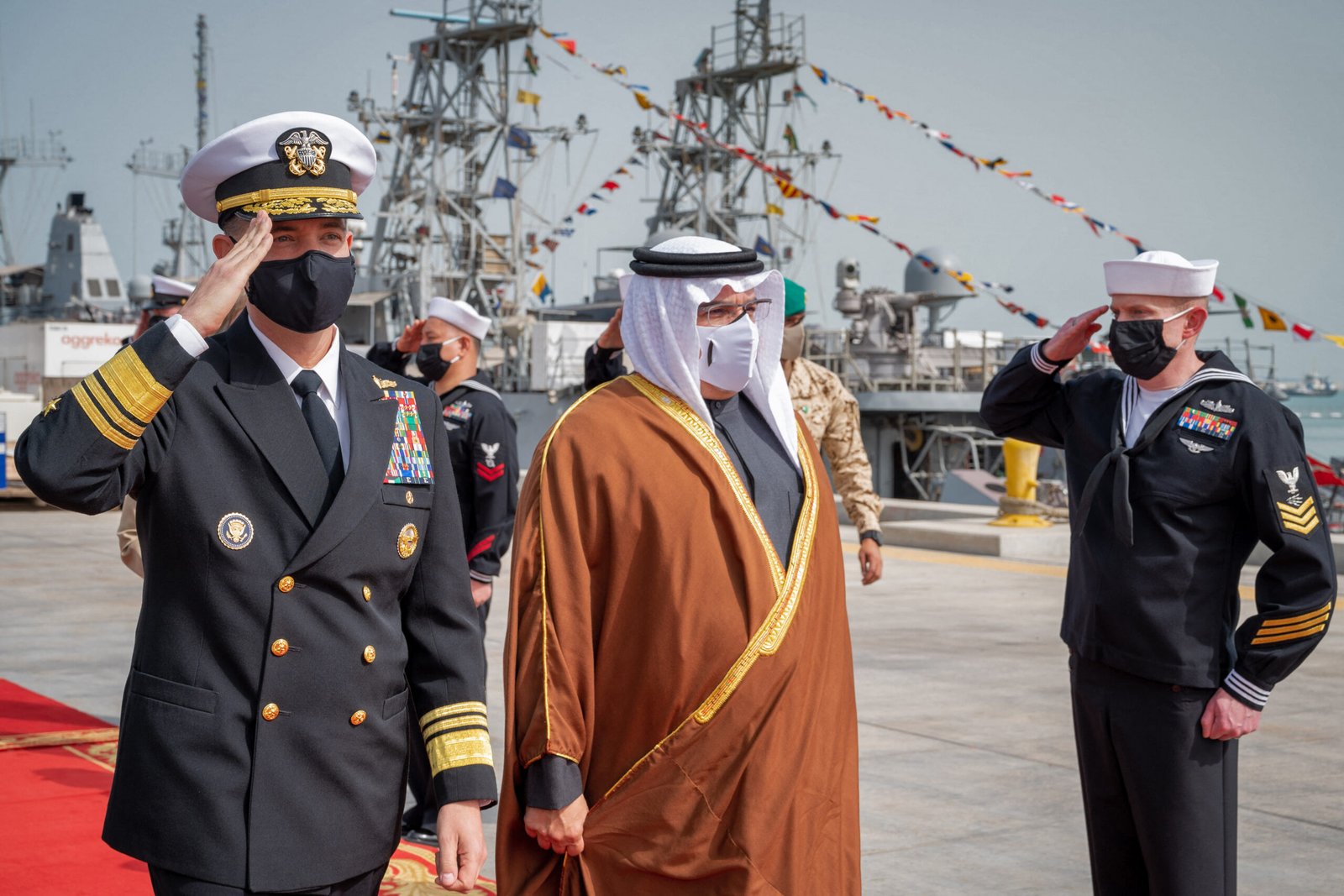
This distinction explains why the phrase “American withdrawal” can mislead. The United States still anchors the regional military system. Bahrain hosts the Fifth Fleet and Combined Maritime Forces. Al Udeid in Qatar hosts major air-command functions and a new regional air-defence coordination cell. American equipment, training and intelligence connect national forces that otherwise use different doctrines and systems. Emergency US arms approvals in May included Patriot support for Qatar and an integrated battle command system for Kuwait. These are not signs of disappearance.
The crisis is instead one of strategic reliability. Gulf states cannot be sure that Washington will respond to the threat they consider most urgent, prevent an ally from acting against them or sustain the necessary munitions during a long conflict. They also know that American attention is divided among Europe, the Indo-Pacific and domestic demands. A military presence designed partly to serve global US objectives is not identical to a guarantee designed around Gulf security.
The resulting policy is not simple separation. Gulf rulers continue to seek American aircraft, interceptors, intelligence and political support. At the same time, they are creating options that reduce the consequences of hesitation in Washington. The shift is from exclusive dependence toward strategic insurance. Whether that becomes an order depends on the Gulf states' willingness to integrate with each other rather than accumulate separate bilateral promises.
Military capacity without Gulf integration
The six GCC states possess substantial resources. Saudi Arabia spent an estimated $83.2 billion on its military in 2025, making it the world's eighth-largest spender. Saudi Arabia, Qatar and Kuwait were all among the ten largest arms importers in 2021-25, together accounting for a significant share of global demand. The region operates advanced combat aircraft, Patriot and THAAD air defence, modern frigates, armed drones and expanding domestic defence industries.
Procurement, however, has produced national capability more readily than collective defence. Systems have been bought from the United States, Europe, China, Turkey and other suppliers under different contracts and support arrangements. Radars may see the same airspace without automatically sharing a complete picture. Interceptors cannot always be allocated according to regional need. National commanders retain authority over sensors and weapons, while maintenance, software access and munitions replenishment depend heavily on foreign suppliers.
The 2026 attacks showed why this matters. Missiles and drones do not respect national command boundaries. A launch detected toward one state may cross another's airspace or threaten infrastructure that supports the entire regional economy. The most valuable minutes belong to the first sensor that detects it, not necessarily the state under attack. Without automatic data sharing, common identification standards and rehearsed command procedures, expensive national systems defend separate points rather than a connected theatre.
The GCC has a foundation on which to build. Its Joint Defence Agreement treats member security as indivisible, and the Unified Military Command has been developing in Riyadh. After the 2025 attack on Qatar, the Joint Defence Council directed members to improve intelligence exchange, transmit the regional air picture to national operation centres, accelerate a ballistic-missile early-warning system and update common defence plans. In April 2026, GCC leaders repeated the call for faster military integration after all six states faced Iranian attacks.
Progress remains slower than the threat. The early-warning working group was still holding technical meetings in September 2026. Political statements of solidarity have not yet created standing authority to allocate interceptors, deploy forces or protect another state's infrastructure. The UAE publicly criticised the GCC response to the Iran war as inadequate. Saudi-Emirati tensions further complicated coordination until a tentative high-level rapprochement in late September. The 2017-21 blockade of Qatar also remains a warning that common institutions can be disabled by intra-Gulf rivalry.
An effective regional core would require concessions that arms purchases cannot substitute for. States would need to share sensitive tracks, reveal readiness, accept common technical standards and pre authorize limited responses under agreed conditions. They would need joint stockpiles and mechanisms for moving interceptors to the point of greatest need. Maritime security would require a shared picture of the Gulf, Gulf of Oman and Red Sea, backed by coordinated patrols and mine-countermeasure capacity. Cyber defence and civil protection would need to cover power, ports, desalination, telecommunications and financial systems.
This integration should begin with functions that produce mutual benefit without demanding a single Gulf army. A fused warning network, a permanent operations cell, common exercises, protected communications and regional logistics are achievable. So are joint purchases of short-range counter-drone systems, replenishment agreements and reciprocal access to repair facilities. Command of national forces can remain sovereign while the information and support architecture becomes collective.
The political test is burden-sharing. Smaller states will resist an arrangement that appears to place their security under Saudi command. Riyadh will resist paying most of the cost without greater influence. The UAE will protect its operational autonomy, while Oman will avoid structures that close its diplomatic space with Iran. The solution is rule-based governance: rotating leadership, agreed voting procedures, transparent capability contributions and clear limits on the Unified Military Command. Without those safeguards, integration will be interpreted as hierarchy and stall again.
Three designs are competing for the regional order
The first design is a stronger GCC. It has geographic logic, established institutions and a shared need to defend infrastructure and shipping. The war has also narrowed differences by demonstrating that no member can isolate itself from regional missile, drone or maritime risk. A more capable GCC would allow Gulf states to negotiate with Washington and other powers collectively rather than as six separate clients.
Its weakness is that it excludes several actors that shape Gulf security. Iran sits across the waterway, Iraq connects the Gulf to the Levant, and Yemen affects the Bab al-Mandab and Saudi territory. A GCC-only system can improve defence, but it cannot create stable rules for the regional environment. If it defines security solely as protection from Iran, Tehran will respond with more missiles, maritime leverage and partner forces. Defence integration is necessary, but it is not a political settlement.
The second design is the Mecca Joint Defence Agreement signed by Saudi Arabia, Turkey and Pakistan in August 2026. The accord declares that an armed attack on one will be treated as an attack on all. It is moving beyond symbolism: the parties created a secretariat, began defining political and military mechanisms and discussed intelligence sharing, exercises, capability integration and defence-industrial cooperation. Turkey brings a large military and advanced drone and missile industries; Pakistan brings longstanding defence ties, experienced forces and nuclear status; Saudi Arabia brings finance and strategic location.
The pact strengthens deterrent signalling at a moment of acute Saudi vulnerability. It also gives Riyadh partners less constrained by American decision-making. Yet its practical obligations remain under development, and geography limits rapid reinforcement. Turkey is a NATO member with its own regional priorities. Pakistan's main deterrence and force planning remain focused on India, and officials have denied that the pact extends a nuclear guarantee. Neither partner can replace American space, intelligence, naval, airlift and munitions capacity.
The Mecca pact also creates institutional questions. It includes only one GCC state and could bypass rather than strengthen Gulf collective defence. Other members may welcome additional protection but resist a Saudi-led external bloc. A Sunni-majority alliance could deepen Iranian fears even if its members insist it is defensive. Turkish officials have floated expansion to Egypt and even Iran, illustrating both the ambition and the unresolved identity of the project. It can be a useful outer layer, but it is not yet a regional order.
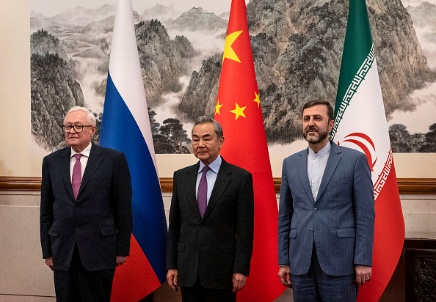
The third design is cooperative security that includes Iran. Qatar proposed such a framework during talks with President Donald Trump in September, arguing that lasting security cannot rest on recurring escalation or permanent vulnerability. Qatar and Oman have already used mediation to explore talks involving Iran, Iraq and Gulf Arab states on the Strait of Hormuz. China, as a major buyer of Gulf and Iranian energy, has been asked to use economic leverage on Tehran. This model addresses the reality that navigation and infrastructure cannot be made secure through interception alone.
Its obstacle is trust. Iran attacked GCC territory in 2026 despite Gulf assurances that their land and airspace would not be used for attacks. Gulf governments differ on whether Tehran seeks accommodation or merely relief from pressure. Saudi Arabia, the UAE and Bahrain have demanded that any settlement address missiles, drones, proxy warfare and threats to shipping, while Qatar, Oman and Kuwait have placed greater emphasis on ending the war. A dialogue that ignores the balance of power would be fragile; a deterrence strategy that excludes dialogue would make every alert more dangerous.
No external power resolves this contradiction. China can mediate and exert commercial pressure, but it has not offered to defend Gulf airspace or shipping. Europe can contribute air defence, maritime forces, technology and training, and NATO launched new projects with Gulf partners in 2026. European support remains divided among national missions rather than a single guarantee. Turkey and Pakistan add regional capacity but carry their own constraints. Diversification increases options; it does not create automatic coordination.
The three designs should therefore be treated as layers, not alternatives. GCC integration supplies the local military core. The Mecca pact and partnerships with the United States, Europe and others provide reinforcement, technology and strategic depth. An Iran-inclusive forum supplies rules and crisis management. Each solves a different problem. Trying to make one perform all three functions would either produce dependence on another patron or a regional bloc that perpetuates confrontation.
A layered order can create agency without strategic isolation
The first priority is to convert Gulf solidarity into operational commitments. The GCC should define a limited set of missions for its Unified Military Command: regional air and missile warning, coordinated defence of designated critical infrastructure, maritime awareness, cyber incident response and reinforcement after an attack. These missions are narrow enough to preserve sovereignty and important enough to demonstrate that the Joint Defence Agreement has practical content.
Integrated air defence should be built around information before interceptors. Every member should contribute sensor data to a resilient common air picture with agreed classification and release standards. National commanders can retain firing authority, but the regional operations cell should recommend engagement and reallocation based on the full raid. A common stockpile mechanism could track interceptor availability, pre-position selected munitions and guarantee replenishment after one state supports another.
The second priority is infrastructure resilience. The region's strategic centres of gravity are ports, LNG terminals, pipelines, desalination plants, power grids, airports and data networks. Defence plans should identify cross-border dependencies, alternative routes and repair capacity. Joint exercises should simulate simultaneous missile, cyber and maritime disruption rather than a single air attack. Private operators need secure channels into crisis command because economic systems will often detect consequences before military headquarters do.
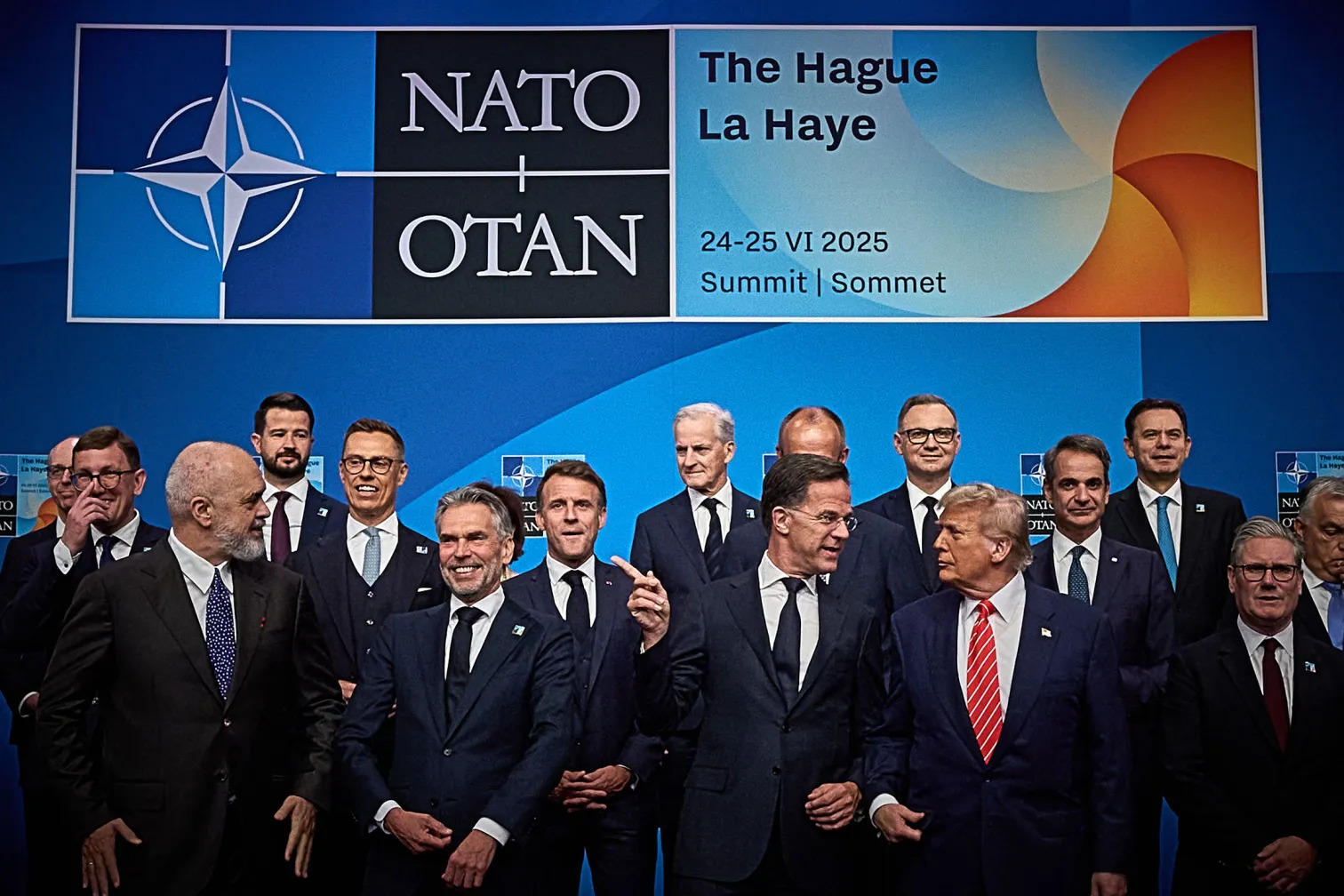
The third priority is a partner framework that prevents duplication. The United States should remain the high-end backstop for intelligence, air and naval reinforcement, logistics and advanced munitions. Gulf states should negotiate clearer consultation procedures and thresholds rather than relying on political expectation. Turkey and Pakistan can support training, industrial capacity and selected reinforcement. Europe can contribute maritime security, counter-drone systems and technical diversification. NATO's 2026 Gulf projects on maritime security, counter-uncrewed systems, CBRN defence and counterterrorism provide practical building blocks.
External partners should plug into a Gulf-designed architecture. Otherwise, each bilateral relationship will create another command channel, weapon configuration and political dependency. Procurement should favour interoperability, local maintenance, software access and shared munitions rather than prestige platforms. Sovereign wealth investment in European, Turkish, Pakistani and domestic defence production can improve supply security, but only if contracts produce rights to manufacture, repair and update systems during a crisis.
The fourth priority is an inclusive security compact. It should begin with limited obligations that can be monitored: no attack on civilian energy or water infrastructure; advance notification of major exercises and missile tests; hotlines among air and naval commands; procedures for distressed vessels and airspace violations; and a mechanism to investigate disputed incidents. Talks should address the use of national territory by external forces, because Iran fears attacks from Gulf bases while Gulf states fear retaliation for decisions made in Washington or Israel.
Maritime security offers the most urgent test. A permanent forum including the GCC states, Iran and Iraq could establish navigation procedures, incident reporting and emergency channels for the Strait of Hormuz. Yemen and Red Sea stakeholders require a parallel track for the Bab al-Mandab. The aim would not be to legitimize coercive tolls or closures, but to make interference visible, attributable and politically costly. International maritime partners could support monitoring without owning the process.
The framework must also address Israel. The Abraham Accords created economic and security links for some Gulf states, but the attack on Qatar and the conduct of the Iran war demonstrated that an American aligned regional network does not automatically protect Gulf sovereignty. GCC states do not share one policy toward Israel, yet they can agree that no regional actor should attack mediation venues, civilian infrastructure or another state's territory without consequence. A rules-based order loses credibility if it restrains only Iran.
Finally, Gulf governments need a standing political mechanism for crisis decisions. Leaders should not be assembling an architecture after missiles are already flying. A GCC security council with scheduled defence reviews, emergency consultation rules and a professional secretariat could connect military planning to diplomacy, energy and economic resilience. It should publish enough doctrine to signal defensive intent while protecting operational details.
This architecture would still depend on the United States, but dependency would be bounded. Gulf states would own the early warning, crisis consultation and regional rules. External forces would reinforce an existing design rather than substitute for one. If Washington chose not to act, the Gulf would retain options for collective defence and de-escalation. If Washington did act, it would enter a system with clearer regional consent and limits.